

- About Us
- Information
-

The Author ensures that the research has been conducted responsibly and ethically with adherence to all relevant regulations. read more..
- For Authors
- For Reviewer
- Manuscript Guidelines
- Membership
- Publication Ethics
-
- Journals
- Reprints
- e-Books
- Videos
- Policies
- Contact Us
 COVID-19
- Submissions



Full Text
Examines in Marine Biology & Oceanography
Occurrence, Incidental Capture, Exploitation, and Conservation of the Longnose Spurdog (Squalus blainville Risso, 1827) in the Mediterranean Waters of the Gaza Strip, Palestine
Abdel Fattah N Abd Rabou*
Department of Biology & Biotechnology, Faculty of Science, Islamic University of Gaza, Gaza Strip, Palestine
*Corresponding author: Abdel Fattah N Abd Rabou, Department of Biology & Biotechnology, Faculty of Science, Islamic University of Gaza, Gaza Strip, PO Box 108, Palestine
Submission: June 01, 2026;Published: June 11, 2026

ISSN 2578-031X Volume 8 Issue 2
Abstract
The Longnose Spurdog (Squalus blainville Risso, 1827) is a demersal shark widely distributed across the Mediterranean Sea, yet its occurrence and fisheries interactions remain poorly documented in several southeastern regions. This study investigates the occurrence, incidental capture, exploitation, and conservation relevance of this species in the Mediterranean waters of the Gaza Strip, Palestine. Data were collected through repeated field surveys at major fish landing sites and markets, complemented by semi-structured interviews with fishermen and fisheries officials. Morphological identification confirmed the presence of the species in local fisheries landings, where it was recorded as an occasional and irregular bycatch species. The estimated annual catch ranged between 20-30 individuals, primarily captured using bottom longlines, trammel nets, and bottom-set gillnets. Specimens measured approximately 50-95 cm in total length and were typically retained for local consumption and occasional market sale, although the species holds low to moderate economic value. The findings indicate that the Longnose Spurdog inhabits deeper offshore demersal habitats beyond the coastal fishing zone and is not targeted by local fisheries. Conservation awareness among fishermen was generally limited, and no species-specific management measures are currently implemented in the study area. This study highlights the importance of fisheries-dependent data and local ecological knowledge for documenting poorly known elasmobranch species in data-deficient regions and emphasizes the need for improved monitoring and conservation strategies in the southeastern Mediterranean Sea.
Keywords:Longnose Spurdog; Squalus blainville; Elasmobranchs; Incidental bycatch; Artisanal fisheries; Fishery-dependent data; Conservation; Local ecological knowledge; Mediterranean Sea; Gaza Strip; Palestine
Introduction
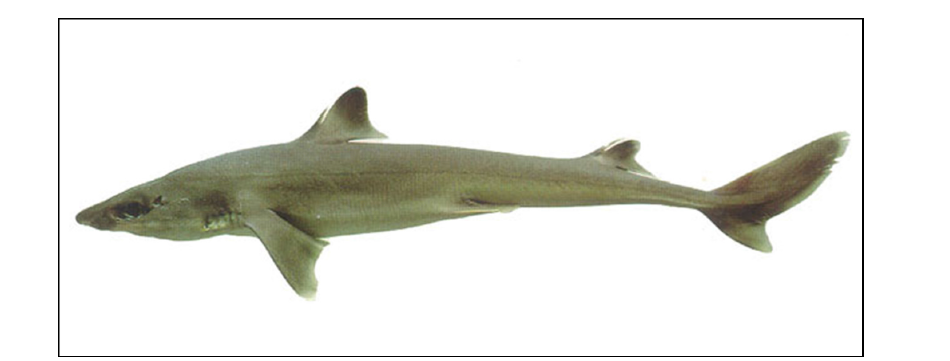
Sharks and other cartilaginous fishes are among the most important predators in marine ecosystems, where they play crucial roles in maintaining food-web structure, biodiversity, and ecological balance. Nevertheless, many shark populations have declined substantially worldwide because of overfishing, incidental capture in commercial fisheries, habitat degradation, and other human-induced pressures. Their generally slow growth, delayed maturity, long life span, and low reproductive rates make them particularly susceptible to overexploitation and slow to recover from population declines [1-3]. The Mediterranean Sea is recognized as one of the regions where sharks and rays face particularly severe conservation challenges due to intense fishing activity and prolonged anthropogenic impacts [4-6]. The Longnose Spurdog (Squalus blainville Risso, 1827), commonly referred to as the Longnose Spiny Dogfish, Bigeye Dogfish, Blainville’s Dogfish, or Longnose Dogshark (Figure 1), is a small- to medium-sized demersal shark species belonging to the family Squalidae. It is among the most widespread dogfish sharks inhabiting Mediterranean waters and has been recorded throughout the western, central, and eastern Mediterranean Sea as well as adjacent northeastern Atlantic regions [7,8]. The species is readily distinguished by its elongated snout, slender body, and the presence of strong spines preceding both dorsal fins [9,10]. Recent taxonomic and genetic studies have improved the identification of dogfish sharks and confirmed the distinct status of the Longnose Spurdog within the complex genus Squalus [7,11-13]. Furthermore, population genetic analyses have demonstrated a high level of genetic connectivity of the Longnose Spurdog across the Mediterranean Sea, suggesting wide dispersal and limited genetic structuring among regional populations [14].
Figure 1:The standard time of the existing longitude system of the Earth.
The Longnose Spurdog is primarily associated with continental shelf and upper-slope habitats and occurs over a wide depth range in Mediterranean waters. Its presence has been documented from numerous countries and regions, including Tunisia, Egypt, Italy, Greece, Turkey, Cyprus, Croatia, and the Sea of Marmara [15-20]. Scientific surveys have shown that the species remains a regular component of demersal fish communities in many parts of the Mediterranean, although evidence suggests declining abundance in some areas because of increasing fishing pressure [21-23]. The Longnose Spurdog is currently classified as Data Deficient (DD) on the International Union for Conservation of Nature (IUCN) Red List, reflecting insufficient information to evaluate its global extinction risk. Nevertheless, concerns remain regarding fishing pressure, bycatch, and population declines reported from parts of its Mediterranean distribution range [24,25]. In the eastern Mediterranean Sea, detailed reproductive studies have shown that the Longnose Spurdog exhibits late maturity, low fecundity, and a continuous reproductive cycle, with embryonic development and maternal investment patterns typical of deep-water elasmobranchs [26]. The species grows slowly, matures relatively late, produces few offspring, and exhibits a comparatively long-life span [27-30]. Such life-history traits increase its vulnerability to fishing mortality. Research has also documented important nursery grounds and reproductive habitats in parts of the Mediterranean, highlighting the conservation importance of coastal and offshore areas used by juvenile and breeding populations [31,32].
The Longnose Spurdog is an opportunistic predator that feeds mainly on bony fishes, cephalopods, and crustaceans, thereby serving as an important mesopredator in Mediterranean benthic and demersal ecosystems [33-36]. Studies from the Aegean Sea, Malta, and other Mediterranean regions have emphasized its ecological significance in shaping trophic interactions and energy transfer within marine food webs [37,38]. Throughout the Mediterranean Sea, the Longnose Spurdog is frequently captured as bycatch in bottom trawl, longline, and gillnet fisheries targeting commercially valuable fishes and invertebrates [39-41]. Although it is seldom a primary target species, captured individuals are often retained for local consumption and fish markets, contributing to fishing-related mortality [22,24]. Furthermore, official fisheries statistics frequently underestimate the true catches of sharks and rays because many species are grouped under broad categories or remain unreported [2]. For this reason, opportunistic observations, fish market surveys, and records obtained from fishers have become increasingly important sources of information for monitoring Mediterranean shark populations [4].
The Mediterranean waters of the Gaza Strip support a smallscale artisanal fishery that constitutes an important source of food and income for local communities despite facing considerable environmental and socioeconomic constraints [42-54]. Recent investigations have documented the occurrence and fisheries interactions of several shark and ray species in Palestinian waters, including the Bluntnose Sixgill Shark, Shortfin Mako Shark, Whale Shark, Scalloped Hammerhead Shark, Angular Rough shark, Giant Devil Ray, Spiny Butterfly Ray, electric rays, guitarfishes, and various requiem sharks [44,55]. These studies indicate that the coastal waters of the Gaza Strip harbor a diverse assemblage of cartilaginous fishes, many of which are globally threatened and vulnerable to incidental capture. Despite the growing body of information on sharks and rays from the Gaza Strip, no published study has specifically addressed the occurrence, exploitation, and conservation significance of the Longnose Spurdog in Palestinian Mediterranean waters. Documenting incidental captures of this species is important for improving knowledge of local shark diversity, understanding fisheries interactions, and supporting future conservation and management initiatives. Accordingly, the present study documents the incidental capture of the Longnose Spurdog (Squalus blainville Risso, 1827), in the Mediterranean waters of the Gaza Strip, Palestine. The study highlights the circumstances of capture, local exploitation and utilization of the species, and its conservation significance within the context of Mediterranean shark fisheries and biodiversity conservation.
Methodology
Data collection and field surveys
The present descriptive study was conducted through repeated field surveys at the principal fisheries landing centers and fish markets distributed along the coast of the Gaza Strip. These sites represent the primary locations where marine organisms, including cartilaginous fishes, teleost fishes, and commercially valuable invertebrates, are landed, processed, traded, and offered for public sale. Particular attention was directed toward the occurrence of the Longnose Spurdog (Squalus blainville Risso, 1827) whenever specimens became available during the survey period. Encountered specimens were carefully examined to verify species identity based on external morphological characteristics and diagnostic features reported in the scientific literature [56-58]. Morphometric measurements were obtained whenever specimen condition and accessibility permitted reliable examination. In addition, photographic documentation was opportunistically conducted to support taxonomic confirmation and provide visual records for scientific purposes. To complement field observations, supplementary information was collected through semi-structured interviews with experienced fishermen, fishmongers, and officials from the General Directorate of Fisheries at the Palestinian Ministry of Agriculture. These interviews yielded important qualitative information regarding local occurrence, fishing grounds, capture techniques, seasonal availability, economic value, utilization patterns, and fishery interactions of the Longnose Spurdog in the Mediterranean waters of the Gaza Strip.
Study area and fisheries context
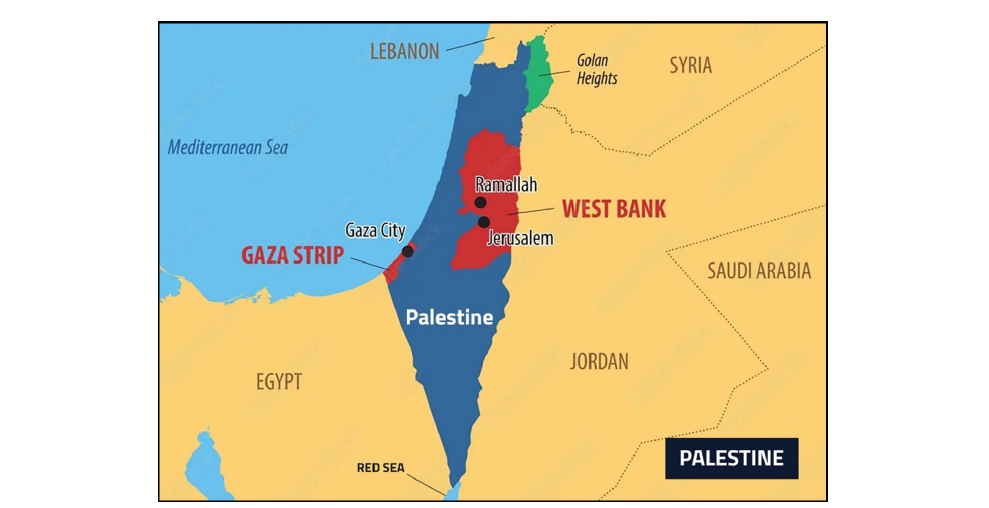
The Gaza Strip is located along the southeastern coast of the Mediterranean Sea (Figure 2), extending approximately 42km in length and covering an area of nearly 365km². Despite its relatively limited coastline, the Gaza Strip supports an important artisanal fisheries sector that contributes significantly to local food supply and socioeconomic livelihoods. The sector involves more than 4,500 fishermen operating over 1,800 fishing vessels of varying sizes and capacities. Fishing activities in the area rely on diverse fishing gears, including trammel nets, gillnets, longlines, handlines, trawlers, and small purse seines. These gears primarily target pelagic and demersal fishes, in addition to cephalopods and crustaceans inhabiting the coastal and offshore marine environments. Cartilaginous fishes, particularly sharks and batoids, are regularly encountered in local fisheries, mostly as incidental bycatch associated with demersal fishing operations. Nevertheless, some species are retained for local consumption and commercial sale in fish markets. Their continued occurrence in fisheries landings reflects both their ecological importance within the Mediterranean marine ecosystem and their increasing exposure to fishing pressure in the coastal waters of the Gaza Strip.
Figure 2:Map of Palestine showing the location of the Gaza Strip along the southeastern Mediterranean coast.
Result
Species identification and diagnostic features
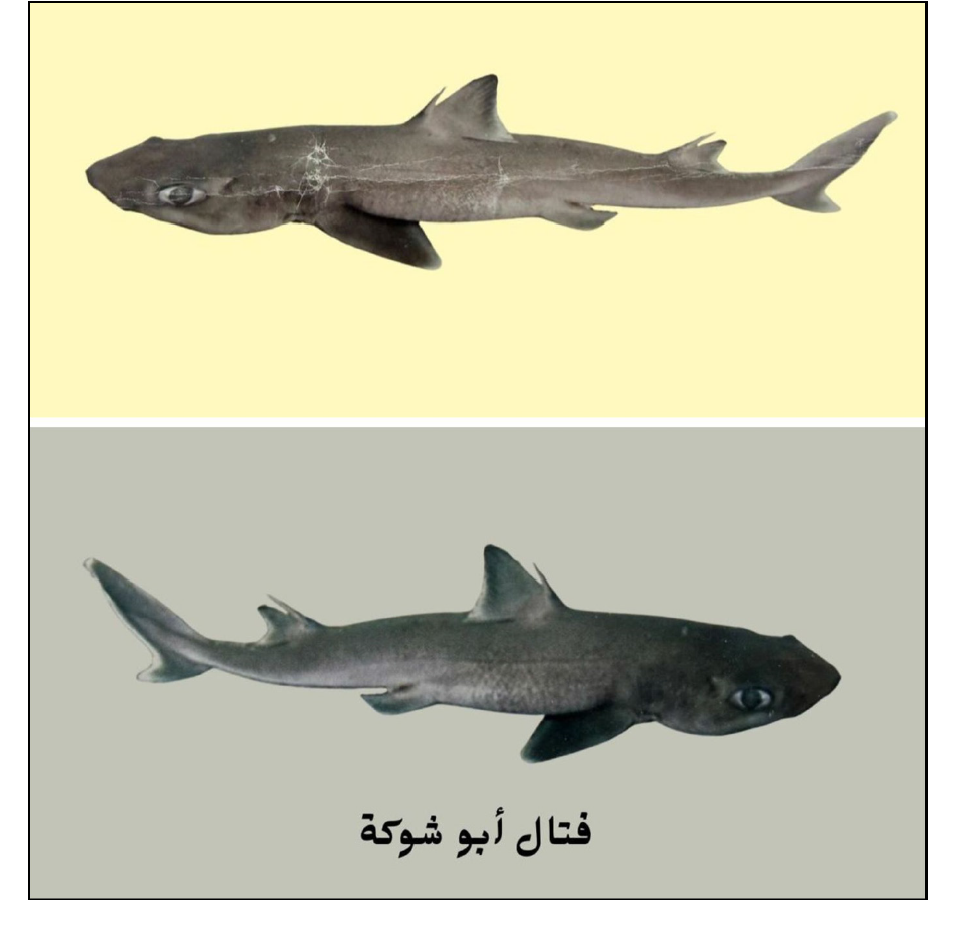
The Longnose Spurdog (Squalus blainville Risso, 1827), locally referred to by some fishermen in the Gaza Strip as a form of “Fattal Abu Shouka”, was identified from specimens landed along the Mediterranean coast of Palestine (Figure 3). Species identification was based on external morphological and diagnostic characteristics using standard taxonomic keys and identification guides for Mediterranean and Atlantic sharks [56,59]. The observed characteristics were also consistent with published descriptions of the species from the Mediterranean Sea and adjacent northeastern Atlantic waters. The examined specimens exhibited a slender and elongated body with a distinctly prolonged and pointed snout, representing one of the principal diagnostic features of the species. Additional identifying characteristics included relatively large oval eyes, rough skin densely covered with dermal denticles, and two dorsal fins, each armed anteriorly with a strong spine. The dorsal surface ranged in coloration from greyish-brown to dark grey, whereas the ventral surface was noticeably paler. The absence of an anal fin further confirmed the placement of the species within the family Squalidae (see Figure 3). The combination of these morphological features clearly distinguished the Longnose Spurdog from other shark species occasionally encountered in the Mediterranean waters of the Gaza Strip.
Figure 3:Two specimens of the Longnose Spurdog (Squalus blainville Risso, 1827), locally known as “Fattal Abu Shouka”, incidentally captured from the Mediterranean waters of the Gaza Strip. [Source: General Directorate of Fisheries, Ministry of Agriculture].
Occurrence, abundance estimates, and local records
The Longnose Spurdog was consistently reported as an uncommon component of the Gaza Strip fisheries. Data derived from fish landing sites, fish markets, and interviews with fishermen and fisheries officials indicated that its occurrence is sporadic and irregular throughout the year, with no evident seasonal pattern or spatial concentration along the coastline. Evidence from Local Ecological Knowledge (LEK) further corroborated the rarity of the species in Palestinian Mediterranean waters. Most fishermen reported only rare and occasional encounters with the species during offshore fishing activities, while others indicated that they had never encountered it during their fishing careers. Based on fishermen approximate and non-systematic estimates, the annual incidental catch of the Longnose Spurdog is believed to range between 20 and 30 individuals. However, several fishermen suggested that the actual number may be higher than reported. These figures remain uncertain due to the absence of formal monitoring programs and species-specific fisheries statistics in the Gaza Strip. Fisheries officials similarly emphasized the limited availability of documented records for deep-water sharks, including the Longnose Spurdog, within existing fisheries databases and observational reports.
Size range and weight estimates of recorded specimens
Available information from fisheries landings, fish markets, and interviews indicated that most recorded specimens of the Longnose Spurdog in the Gaza Strip measured approximately 50- 95cm Total Length (TL). Individuals exceeding this size range were only occasionally encountered. Most specimens were estimated to weigh between 1 and 6kg, although larger individuals were sporadically reported by fishermen operating in deeper offshore waters.
Capture methods, gear types, and fisheries interactions
All documented records of the Longnose Spurdog in the Gaza Strip originated exclusively from incidental catches rather than targeted shark fisheries. Interviews with fishermen and fisheries personnel indicated that the species is primarily encountered during demersal fishing operations conducted in offshore waters, particularly in deeper fishing grounds beyond the coastal zone.
Figure 4:Bottom longline fisheries constitute a major source of shark mortality in the Palestinian Mediterranean waters, with the Longnose Spurdog being among the affected species. [Source: https://www.fisheries.noaa.gov/national/bycatch/fishing-gear-bottom-longlines].
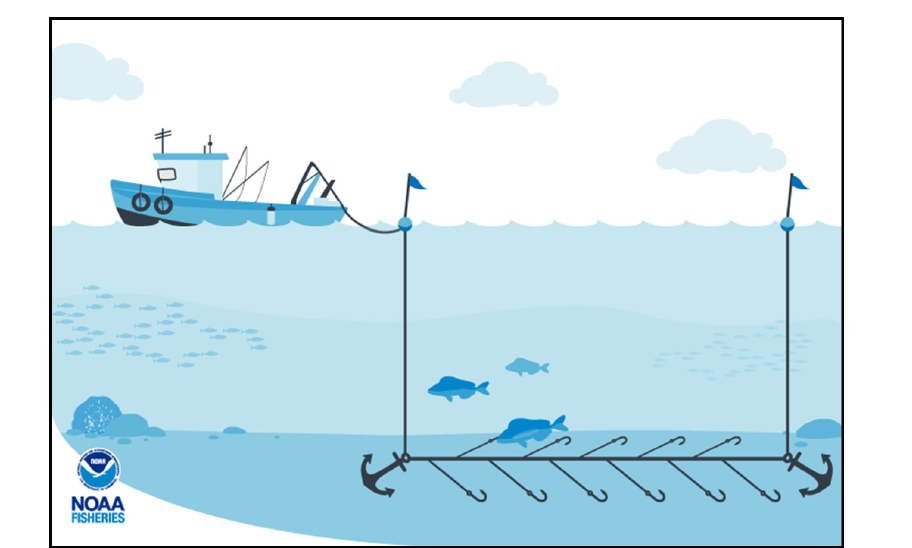
Bottom longlines: Bottom longlines were identified as the primary fishing gear associated with the capture of the species (Figure 4). These gears are typically deployed in offshore demersal habitats targeting commercially valuable bottom-dwelling fishes. The Longnose Spurdog was occasionally captured as bycatch when interacting with baited hooks, together with other non-target species.
Trammel nets: Trammel nets contributed to occasional and irregular captures of the species. These nets operate across a range of coastal and offshore habitats and are considered moderately non-selective. Captures of the Longnose Spurdog using trammel nets were less frequent than those recorded for bottom longlines.
Bottom-Set gillnets: Bottom-set gillnets were also reported as a minor fishing gear associated with incidental captures. These nets are deployed on or near the seabed in offshore fishing grounds and mainly target demersal fish species. The occurrence of the Longnose Spurdog in gillnet catches was sporadic and opportunistic.
Overall, all fishing gears associated with the species are nonselective with respect to sharks, and captures occurred during routine fishing activities targeting commercially important demersal and benthic resources. These findings confirm that the Longnose Spurdog functions as a bycatch species within local bottom fisheries rather than a targeted resource.
Habitat characteristics
Interviewed fishermen indicated that the Longnose Spurdog inhabits relatively deep offshore environments beyond the nearshore coastal zone. Most captures reportedly originated from demersal fishing grounds characterized by deeper benthic habitats. These observations are consistent with the known ecology of the species as a bottom-associated shark inhabiting continental shelf and upper slope environments in the Mediterranean region.
Market availability, utilization, and economic value
The presence of the Longnose Spurdog in fish markets across the Gaza Strip was highly irregular and occurred exclusively as a consequence of incidental bycatch events. The species was not consistently available in local markets, and its appearance depended entirely on sporadic offshore fishing catches. Captured individuals were typically retained and sold for human consumption rather than being discarded. Interviews with fishermen and fish traders indicated that the flesh of the species is considered suitable for consumption and is marketed alongside other shark species whenever available. Locally, the species is consumed in various traditional forms, most commonly fried or incorporated into traditional Palestinian seafood dishes such as “Sayadieh,” a popular fish-and-rice meal prepared with caramelized onions and regional spices. In terms of economic value, the Longnose Spurdog is generally regarded as a low- to moderate-value product compared with commercially important teleost fishes. Its market price is largely opportunistic and fluctuates depending on supply availability, specimen size, and overall fish market conditions. Because landings are infrequent and quantities are limited, the species does not constitute a stable or significant income source for fishermen, but rather provides occasional supplementary economic return when captured as bycatch. No evidence of directed commercial exploitation, export-oriented trade, or specialized market demand for the species was observed during the study period.
Conservation awareness
Interviews conducted during the study revealed marked variation in awareness regarding the conservation status of the Longnose Spurdog. Officials from the General Directorate of Fisheries at the Ministry of Agriculture demonstrated a general understanding of the ecological importance and threatened status of shark species in Palestinian waters, including deep-water elasmobranchs. In contrast, fishermen and fish traders exhibited limited awareness of the conservation significance of the Longnose Spurdog, largely perceiving it as an uncommon but non-protected species. This knowledge gap suggests a weak integration of conservation concepts within local fisheries practices. Fisheries authorities further confirmed the absence of species-specific management, monitoring, or conservation measures for this species in the Gaza Strip, which may contribute to the continued lack of targeted protection and awareness.
Scientific significance of the record
The present study confirms the occurrence of the Longnose Spurdog in the southeastern Mediterranean waters of Palestine and provides one of the few documented records of this species from the Gaza Strip. It contributes baseline information on the species’ occurrence, morphology, habitat associations, fisheries interactions, utilization, and conservation awareness within Palestinian marine waters. Furthermore, the study highlights the scientific value of fisheries-dependent data, fish market surveys, and local ecological knowledge as complementary tools for documenting rare, poorly known, and threatened elasmobranch species in regions where systematic scientific monitoring remains limited.
Discussion
The present study confirms the occurrence of the Longnose Spurdog in the Mediterranean waters of the Gaza Strip and demonstrates that the species represents an occasional component of local demersal fisheries. Although records were limited and sporadic, the findings provide valuable baseline information on the species in Palestinian waters, where scientific knowledge concerning deep-water sharks remains scarce. The study also contributes additional evidence that the southeastern Mediterranean coast of Palestine supports a broader diversity of elasmobranch species than previously documented [60]. Similar patterns of elasmobranch diversity and fisheries interactions have been reported from adjacent Mediterranean basins, including the Sea of Marmara, where shark and ray assemblages are influenced by intensive fishing pressure and conservation concerns, highlighting regional consistency in elasmobranch vulnerability across the Mediterranean basin [61]. This taxonomic identification is consistent with global systematic revisions and updated annotated checklists of extant shark species, which confirm the validity and current taxonomic placement of the Longnose Spurdog within the family Squalidae [62]. This observation aligns with the global trend of sharp and sustained declines in oceanic sharks and rays over the past decades, largely driven by fishing pressure and insufficient management measures [63].
The rarity of the Longnose Spurdog in local fisheries is consistent with observations reported from several Mediterranean regions, where the species is generally considered an uncommon deep-water shark captured mainly as incidental bycatch rather than as a target species [64,65]. The relatively low number of reported captures in the Gaza Strip may reflect both the offshore and demersal habitat preferences of the species and the limited operational range of many Palestinian artisanal fishing vessels. In addition, the absence of specialized offshore fishing fleets and the relatively low fishing effort in deep waters may further reduce encounters with the species. Early regional investigations in the eastern Mediterranean also documented the species as a component of deep-water demersal assemblages, providing baseline evidence of its distribution and biological characteristics in the region [66]. Nevertheless, even low levels of fishing mortality may affect deep-water shark populations because such species are characterized by slow growth, low fecundity, delayed sexual maturity, and long reproductive cycles [67]. These biological characteristics considerably reduce the ability of populations to recover from overexploitation.
The estimated size range of captured specimens corresponded generally with measurements previously reported from Mediterranean populations of the Longnose Spurdog. The predominance of medium-sized individuals may suggest that local fisheries mainly intercept subadult and adult specimens inhabiting offshore upper-slope habitats. Similar population structures were described from Mediterranean demersal shark assemblages by Donnaloia et al. [68], who emphasized the vulnerability of larger and reproductively mature individuals to fishing pressure. Although no juveniles or nursery grounds were identified during the present study, the occurrence of several size classes indicates that Palestinian Mediterranean waters may form part of the wider habitat range utilized by the species in the Levant Basin. Moreover, recent morphological and ontogenetic analyses of Squalus species in the Mediterranean have shown that diagnostic features may vary across developmental stages, which should be considered when interpreting size structure and population composition in field studies [69].
All documented captures originated from incidental bycatch associated mainly with bottom longlines, trammel nets, and bottom-set gillnets. Bottom longlines appeared to be particularly important in the capture of the species because baited hooks efficiently attract opportunistic demersal predators [70]. Comparable fisheries interactions have been documented in Mediterranean artisanal fisheries, where deep-water sharks are frequently captured together with commercially important demersal fishes and cephalopods [71]. Such non-selective fishing gears may contribute cumulatively to shark mortality even in fisheries where sharks are not directly targeted. In the Gaza Strip, the retention of incidentally captured sharks for consumption rather than release may further increase fishing-related mortality of the species. The habitat information obtained from fishermen was also consistent with the known ecology of the Longnose Spurdog as a bottom-associated shark inhabiting continental shelf and upper-slope environments. The predominance of captures in relatively deep offshore waters agrees with ecological observations from the eastern and central Mediterranean Sea [72]. Deep offshore habitats likely provide important feeding grounds for the species, whose diet mainly includes bony fishes, cephalopods, and benthic invertebrates [73,74]. As a mesopredator occupying intermediate trophic levels, the species may contribute to ecological balance and trophic regulation of Mediterranean demersal ecosystems. In addition to ecological pressures, emerging evidence suggests that the Longnose Spurdog may also be exposed to anthropogenic pollution, including ingestion of microplastics, indicating increasing environmental stress in Mediterranean populations [75]. Recent parasitological studies have also expanded knowledge of its biological interactions and health status, including the first description of novel myxosporean parasites, further highlighting its ecological complexity [76].
The present study further demonstrated that incidentally captured individuals are retained for local consumption and occasionally marketed in Gaza Strip fish markets. Although the species possesses limited commercial value compared with highly preferred teleost fishes, its utilization reflects adaptive exploitation of available marine resources under challenging socioeconomic conditions. Similar opportunistic exploitation of small- and medium-sized sharks has been documented in other Mediterranean artisanal fisheries [77]. In the Gaza Strip, where fishing communities depend heavily on marine resources for food security and income generation, even low-value bycatch species may acquire economic importance when market supplies fluctuate [78]. The limited conservation awareness observed among fishermen and fish traders represents an additional challenge for shark conservation in Palestinian waters. Most fishermen perceived the Longnose Spurdog mainly as an edible bycatch resource rather than a vulnerable elasmobranch of ecological importance. Similar deficiencies in conservation awareness have been reported from Mediterranean artisanal fisheries where shark bycatch remains weakly monitored and poorly regulated [65]. The absence of species-specific conservation measures, landing regulations, or monitoring programs further limits the ability to assess population trends or implement effective management strategies.
The current findings additionally highlight the importance of fisheries-dependent observations and local ecological knowledge for documenting poorly known shark species in data-limited regions. In areas where systematic marine surveys remain limited, opportunistic records from fish landings and markets can substantially improve understanding of elasmobranch diversity and fisheries interactions [79,80]. Such approaches are particularly valuable in the Gaza Strip, where political, logistical, and economic constraints continue to limit marine scientific research. Overall, the occurrence of the Longnose Spurdog in the Gaza Strip contributes additional evidence that the southeastern Mediterranean supports a diverse assemblage of cartilaginous fishes of ecological and conservation significance. Future research should prioritize systematic monitoring of shark landings, species-specific catch recording, and biological studies focusing on population structure, reproduction, and habitat use. Enhanced cooperation with fishermen and fisheries authorities is essential to improve conservation awareness and support sustainable management strategies for Mediterranean elasmobranchs in Palestinian waters.
Conclusion
The present study documents the occurrence of the Longnose Spurdog in the Mediterranean waters of the Gaza Strip, where it appears as an uncommon deep-water shark incidentally captured mainly by bottom longlines and other demersal fishing gears. Although the species is not commercially targeted, captured individuals are retained for local consumption and occasional market sale. The findings provide important baseline information on elasmobranch diversity and fisheries interactions in Palestinian waters and emphasize the value of fish-market surveys and local ecological knowledge in data-limited regions. Continued monitoring and improved conservation awareness are essential for enhancing understanding and ensuring the protection of vulnerable shark species in the southeastern Mediterranean Sea.
Acknowledgments
The author gratefully acknowledges the General Directorate of Fisheries, Ministry of Agriculture, for their support and facilitation throughout the present study on the Longnose Spurdog (Squalus blainville Risso, 1827). Appreciation is also extended to the local fishermen and fish traders in the Gaza Strip for their valuable cooperation, field assistance, and for generously sharing their practical knowledge and observations, which were essential for documenting the occurrence, bycatch dynamics, and fisheries interactions of this species in local waters.
References
- Cashion MS, Bailly N, Pauly D (2019) Official catch data underrepresent shark and ray taxa caught in Mediterranean and Black Sea fisheries. Marine Policy 105: 1-9.
- Enajjar S, Saidi B, Bradai MN (2022) Elasmobranchs in Tunisia: Status, ecology, and biology. In Sharks: Past, Present and Future. IntechOpen, UK.
- Compagno LJV (2011) Checklist of living Chondrichthyes. Reproductive Biology and Phylogeny of Chondrichthyes. CRC Press, Florida, USA, pp. 503-548.
- Colloca F, Carrozzi V, Simonetti A, Di Lorenzo M (2020) Using local ecological knowledge of fishers to reconstruct abundance trends of elasmobranch populations in the Strait of Sicily. Frontiers in Marine Science 7: 508.
- Kabasakal H (2021) A review of shark biodiversity in Turkish waters. Annales: Series Historia Naturalis 31(2): 181-194.
- Turan C, Uyan A, Soldo A, Doğdu SA, Ergüden D (2025) Checklist of cartilaginous species with current status and conservation strategies in Turkish marine waters. Tethys Environmental Science 2(1): 31-61.
- Ariza AA, Adachi AMCL, Roque P, Hazin FHV, Vianna M, et al. (2022) DNA barcoding and species delimitation for dogfish sharks belonging to the genus Squalus (Squaliformes: Squalidae). Diversity 14(7): 544.
- Marouani S, Karaa S, Jarboui O (2023) Overview of the genus Squalus in the Mediterranean Sea. In: Bradai MN, Enajjar S, Saidi B (Eds.), Sharks: Past, Present and Future. IntechOpen, UK, pp. 243-260.
- Bengil EG (2022) Biology and ecology of Squalus blainville (Risso, 1827) from the eastern Mediterranean. Thalassas 38(2): 1423-1432.
- Bellodi A, Mulas A, Daniel L, Cau A, Porcu C, et al. (2023) Ontogenetic shifts in body morphology of demersal sharks’ species (Order: Squaliformes) inhabiting the Western-Central Mediterranean Sea, with implications for their bio-ecological role. Biology 12(8): 1150.
- Cariani A, Messinetti S, Cannas R, Golani D, Tinti F, et al. (2017) Species delimitation in Mediterranean Squalus sharks using molecular tools. Molecular Phylogenetics and Evolution 112: 162-174.
- Ferrari A, Di Crescenzo S, Cariani A, Crobe V, Benvenuto A, et al. (2021) Molecular taxonomy assessment of Squalus species in the Strait of Sicily. The European Zoological Journal 88(1): 181-190.
- Ferrari A, Bonello JJ, Geraci ML, Tinti F, Serena F (2021) Molecular identification and phylogenetic relationships among Mediterranean species of the genus Squalus. European Zoological Journal 88(1): 1132-1144.
- Kousteni V, Kasapidis P, Kotoulas G, Megalofonou P (2015) Evidence of high genetic connectivity for the Longnose Spurdog Squalus blainville in the Mediterranean Sea. Mediterranean Marine Science 17(2): 371-383.
- Ragonese S, Vitale S, Dimech M, Mazzola S (2013) Abundances of demersal sharks and chimaeras from 1994-2009 scientific surveys in the central Mediterranean Sea. PLoS ONE 8(9): e74865.
- Akel EH, Karachle PK (2017) The marine ichthyofauna of Egypt. Egyptian Journal of Aquatic Biology and Fisheries 21(3): 81-116.
- Leonetti FL, Giglio G, Leone A, Coppola F, Romano C, et al. (2020) An updated checklist of chondrichthyans of Calabria, southern Italy. Mediterranean Marine Science 21(3): 794-807.
- O’Keefe M, Bengil EGT, Palmer JL, Beton D, Çağlar Ç, et al. (2023) Diversity and distribution of elasmobranchs in the coastal waters of Cyprus: Using bycatch data to inform management and conservation. Frontiers in Marine Science 10: 1181437.
- Balàka PF, Ugarković P, Türtscher J, Kriwet J, Niedermüller S, et al. (2023) Updated checklist of chondrichthyan species in Croatia (Central Mediterranean Sea). Biology 12(7): 952.
- Kabasakal H, Uzer U, Gönülal O, Karakulak FS (2024) Bioecological lessons learned from neonate Longnose Spurdogs suggest a potential nursery ground in the Marmara Sea. Acta Adriatica 65(2): 139-152.
- Marongiu MF, Porcu C, Bellodi A, Cannas R, Cau A, et al. (2017) Temporal dynamics of demersal chondrichthyan species in Sardinia. Fisheries Research 193: 81-94.
- Ellis JR, Millar CP, Shephard S, McCully Phillips SR (2021) Global status of shark bycatch in commercial fisheries. ICES Journal of Marine Science 78(4): 1234-1248.
- Deval MC, Mutlu E (2024) Spatio-temporal density of the demersal Chondrichthyes assemblage in the upper bathyal zone of the eastern Mediterranean Sea. Marine Biodiversity 54(2): 1-18.
- Marongiu MF, Porcu C, Bellodi A, Cannas R, Cau A, et al. (2020) Abundance, distribution and reproduction of Squalus blainville around Sardinia Island. Marine and Freshwater Research 72: 118-130.
- Finucci B, Derrick D, Pacoureau N (2021) Squalus blainville. The IUCN Red List of Threatened Species 2021: e.T169229923A179510767. International Union for Conservation of Nature (IUCN), Gland, Switzerland.
- Kousteni V, Megalofonou P (2011) Reproductive biology and embryonic development of Squalus blainville in the eastern Mediterranean Sea. Scientia Marina, 75(2): 237-249.
- Marouani S, Chaâba R, Kadri H, Saidi B, Bouain A, et al. (2012) Taxonomic research on Squalus megalops and Squalus blainville in Tunisian waters. Scientia Marina 76(1): 97-109.
- Marouani S, Kadri H, Saidi B, Morize, E, Bouain A, Bradai MN (2012) Age, growth, longevity, natural mortality and maturity of the Longnose Spurdog in the Gulf of Gabè Cahiers de Biologie Marine 53(2): 197-204.
- Anastasopoulou A, Mytilineou C, Makantasi P, Smith CJ, Kavadas S, et al. (2018) Life history aspects of two species of the Squalus genus in the Eastern Ionian Sea. Journal of the Marine Biological Association of the United Kingdom 98(4): 937-948.
- Donnaloia M, Alfonso S, Carbonara P (2022) Reproductive biology of the Longnose Spiny Dogfish from the South Adriatic Sea. In MetroSea 2022 Proceedings. IEEE, pp. 287-292.
- Doğdu SA, Doğdu SA, Soldo A (2024) Evidence of nursery area and length-weight relationships for Longnose Spurdog Squalus blainville in the northeastern Mediterranean. Tethys Environmental Science 1(4): 200-210.
- Bengil EGT (2020) Can opportunistic methodologies provide information on elasmobranchs? A case study from seas around Turkey. Journal of Wildlife and Biodiversity 4: 68-77.
- Martinho F, Sá C, Falcão J, Cabral HN, Pardal MÂ (2012) Comparative feeding ecology of Squalus blainville and Scyliorhinus canicula off Portugal. Fishery Bulletin 110(1).
- Bonnici L, Bonello JJ, Schembri PJ (2018a) Diet and trophic level of the Longnose Spurdog, Squalus blainville (Risso, 1826), in the Maltese Fisheries Management Zone. Regional Studies in Marine Science 19: 33-42.
- Kousteni V, Karachle PK, Megalofonou P, Lefkaditou E (2018) Cephalopod prey of two demersal sharks caught in the Aegean Sea. Journal of the Marine Biological Association of the United Kingdom 98(1): 81-88.
- Kousteni V, Megalofonou P, Doulgeraki S (2018) Feeding habits and trophic position of demersal sharks in the eastern Mediterranean Sea. Journal of the Marine Biological Association of the United Kingdom 98(6): 1441-1450.
- Bengil F, Bengil EGT, Mavruk S, Heral O, Karaman OD, Özaydın O (2019) Feeding ecology of four demersal shark species (Etmopterus spinax, Galeus melastomus, Scyliorhinus canicula and Squalus blainville) from the eastern Aegean Sea. Turkish Journal of Fisheries and Aquatic Sciences 19(6): 475-484.
- Yemisken E, Navarro J, Forero M, Megalofonou P, Eryilmaz L (2019) Trophic partitioning between abundant demersal sharks coexisting in the North Aegean Sea. Journal of the Marine Biological Association of the United Kingdom 99(5): 1213-1219.
- Başusta N, Başusta A, Özbek EÖ (2016) Cartilaginous fishes and fisheries in the Mediterranean coast of Turkey. In: C Turan, B Salihoğlu, EÖzgür Özbek, BÖztürk (Eds.), The Turkish Part of the Mediterranean Sea: Marine Biodiversity, Fisheries, Conservation and Governance. Turkish Marine Research Foundation (TÜDAV), Istanbul, Turkey, pp. 248-274.
- Falsone F, Vitale S (2017) A tale on the demersal and bottom-dwelling chondrichthyans in the south of Sicily through 20 years of scientific surveys. In: LF Rodrigues-Filho, JB de Luna Sales (Eds.), Chondrichthyes: Multidisciplinary Approach. IntechOpen, UK, pp. 1-20.
- Bellodi A, Porcu C, Cau A, Marongiu MF, Melis R, et al. (2018) Investigation on the genus Squalus in the Sardinian waters (Central-Western Mediterranean) with implications on its management. Mediterranean Marine Science 19(2): 256-272.
- Abd Rabou AN (2013) Priorities of scientific research in the fields of marine environment and fishery resources in the Gaza Strip-Palestine. Priorities of Scientific Research in Palestine: Towards a National Directory of Scientific Research, Scientific Research Affairs, Islamic University of Gaza, Gaza Strip, Palestine, pp. 481-522.
- Abd Rabou AN, Yassin MM, Saqr TM, Madi AS, El-Mabhouh FA, et al. (2007) Threats facing the marine environment and fishing in the Gaza Strip: Field and literature study. Theme XII: Environmental Design Trends and Pollution Control, The 2nd International Engineering Conference on Construction and Development (IECCD-II), Islamic University of Gaza, Gaza Strip, Palestine, pp. 11-31.
- Abd Rabou AN, Elkahlout KE, Elnabris KJ, Attallah AJ, Salah JY, et al. (2023) An inventory of some relatively large marine mammals, reptiles and fishes sighted, caught, by-caught or stranded in the Mediterranean coast of the Gaza Strip-Palestine. Open Journal of Ecology (OJE) 13(2): 119-153.
- Abd Rabou AN, El-Kichaoui AY, El-Bashiti TA, Abdel Aziz II, Elnabris KJ, et al. (2025) On the mummified marine and terrestrial vertebrate fauna adorning the Biology Department Museum at the Islamic University of Gaza, Gaza Strip, Palestine. Open Journal of Ecology (OJE) 15(9): 528-568.
- Abd Rabou AN (2026) Infrequent records and fisheries interactions of the near-threatened bluntnose six gill shark (Hexanchus griseus Bonnaterre, 1788) in the Mediterranean Waters of the Gaza Strip, Palestine. Uttar Pradesh Journal of Zoology 47(9): 199-212.
- Abd Rabou AN (2026) Seasonal occurrence and fishery exploitation of the endangered giant devil ray (Mobula mobular Bonnaterre, 1788) off the Mediterranean Coast of the Gaza Strip, Palestine. Examines in Marine Biology & Oceanography 8(2): 1-12.
- Abd Rabou AN (2026) Rare records of the exotic and endangered honeycomb whipray (Himantura uarnak Forsskål, 1775) in the Mediterranean Waters off the Gaza Strip, Palestine. Uttar Pradesh Journal of Zoology 47(9): 151-161.
- Abd Rabou AN, Al-Hamidi FA, Samara SA, Abu Aitah EI, Alajrami MS, et al. (2026) Rare records of the critically endangered angular rough shark (Oxynotus centrina Linnaeus, 1758) from the marine ecosystem of the Gaza Strip, Palestine. Journal of Entomology and Zoology Studies 14(1): 6-13.
- Abd Rabou AN, Abu Aitah EI, Samara SK, Alajrami MS, Jebril MA, et al. (2026) First record of the globally endangered Whale Shark (Rhincodon typus Smith, 1828) in the Mediterranean waters of the Gaza Strip, Palestine, and its consumption shortly after the ceasefire following the two-year Israeli war of genocide (2023-2025). Examines in Marine Biology & Oceanography 8(1): 1-13.
- Abd Rabou AN, Salah JY, Abd Rabou OA, Abd Rabou AA, Abualtayef MT, et al. (2026) Occurrence and bycatch of the critically endangered scalloped hammerhead shark (Sphyrna lewini Griffith & Smith, 1834) in the Coastal Waters of the Gaza Strip, Eastern Mediterranean. Uttar Pradesh Journal of Zoology 47(6): 10-19.
- Abd Rabou AN, Enajjar S, Saidi B, Benmessaoud RM, Cherif MM, et al. (2026) Occurrence, bycatch, and utilization of carcharhinid sharks (Family Carcharhinidae) in the Mediterranean Waters off the Gaza Strip, Palestine. Uttar Pradesh Journal of Zoology 47(9): 89-103.
- Abd Rabou AN, Qaraman AA, Khalaf NA, Abuhajjaj GI, Jebril MA, et al. (2026) Status of two critically endangered guitarfish species (Glaucostegus cemiculus Geoffroy Saint-Hilaire, 1817 and Rhinobatos rhinobatos Linnaeus, 1758) in the Coastal Waters of the Gaza Strip, Palestine. Open Journal of Ecology (OJE) 16(3): 153-169.
- Abd Rabou AN, Elkahlout KE, Fayyad NA, Shafei AA, El-Hindi MW, et al. (2026) Occurrence, bycatch patterns, and associated risks of mediterranean electric rays (Torpedo marmorata Risso, 1810 and Torpedo torpedo Linnaeus, 1758) in the Gaza Strip, Palestine. Examines in Marine Biology & Oceanography 8(2): 1-9.
- Abd Rabou AN, Abualtayef MT, Qahman KA, Amodi EA, Al-Hamidi FA, et al. (2026) Rediscovery of a single specimen of the critically endangered Spiny Butterfly Ray (Gymnura Altavela Linnaeus, 1758) on the Mediterranean Coast of the Gaza Strip, Palestine, Following A 30-Year Absence. Examines in Marine Biology & Oceanography 8(1): 1-6.
- Serena F (2005) Field identification guide to the sharks and rays of the Mediterranean and Black Sea. FAO Species Identification Guide. FAO, Rome, Italy.
- Bariche M (2012) Field identification guide to the living marine resources of the Eastern and Southern Mediterranean. FAO Species Identification Guide for Fishery Purposes. Food and Agriculture Organization of the United Nations (FAO), Rome, Italy, pp. 610.
- Golani D, Fricke R (2018) Checklist of the fishes of the eastern Mediterranean Sea, including the Red Sea (Israel and adjacent waters). Zootaxa 4471(1): 1-337.
- Ebert DA, Stehmann MFW (2013) Sharks, batoids and chimaeras of the North Atlantic. FAO Species Catalogue for Fishery Purposes No. 7. FAO, Rome, Italy, p. 523.
- Follesa MC, Marongiu MF, Carbonara P, Cau A, Sabatini A, et al. (2019) The cartilaginous fish of the Mediterranean Sea: A synthesis of distribution, biology and fishery interactions. Mediterranean Marine Science 20(1): 114-138.
- Yiğin CÇ, İşmen A, Önal U, İhsanoğlu MA (2016) Elasmobranchs of the Sea of Marmara: Catch, biodiversity and conservation. In: E Özsoy MN, Çağatay N Balkıs, B Öztürk (Eds.), The Sea of Marmara: Marine Biodiversity, Fisheries, Conservation and Governance. Turkish Marine Research Foundation (TÜDAV), Istanbul, Turkey, pp. 644-654.
- Weigmann S (2022) Annotated checklist of living sharks (Chondrichthyes). Zootaxa 4952(1): 1-432.
- Pacoureau N, Rigby CL, Kyne PM, Sherley RB, Winker H, et al. (2021) Half a century of global decline in oceanic sharks and rays. Nature 589(7843): 567-571.
- Leonetti FL, Sperone E, Travaglini A, Tripepi S (2020) New records and distribution updates of uncommon shark species in the central Mediterranean Sea. Acta Adriatica 61(1): 89-98.
- Kabasakal H (2021) Historical and contemporary records of shark species from the Mediterranean and their conservation implications. Annales, Series Historia Naturalis 31(2): 145-156.
- Sion L, D’Onghia G, Tursi A (2003) First data on distribution and biology of Squalus blainville from the eastern Mediterranean Sea. Journal of Northwest Atlantic Fishery Science 31: 213-219.
- Capapé C, Sezgin M, Turan C (2018) Reproductive biology of deep-water sharks in the Mediterranean Sea. Journal of Fish Biology 93(2): 325-340.
- Donnaloia M, Bellodi A, Cannas R, Follesa MC, Mulas A (2022) Age and growth patterns of the Longnose Spurdog Squalus blainville from the western Mediterranean Sea. Marine Ecology Progress Series 689: 123-136.
- Mulas A, Garibaldi F, Vacchi M, Serretti F (2023) Morphology and ontogeny of Squalus species in the Mediterranean Sea. Journal of Fish Biology 102(5): 1102-1118.
- Damalas D, Megalofonou P (2012) Occurrences of deep-water sharks in the eastern Mediterranean Sea and fishery interactions. Journal of Applied Ichthyology 28(5): 698-706.
- Luque GM, Donlan CJ (2021) The characterization of shark fisheries worldwide and associated conservation concerns. Fish and Fisheries 22(4): 660-678.
- Kousteni V, Karachle PK, Megalofonou P (2017) Diet and trophic level of the Longnose Spurdog Squalus blainville in the deep waters of the Aegean Sea. Deep Sea Research Part I 124: 93-102.
- Anastasopoulou A, Mytilineou C, Smith CJ, Papadopoulou KN (2018) Feeding ecology of deep-water sharks in the eastern Mediterranean Sea. Mediterranean Marine Science 19(3): 566-582.
- Bonnici L, Moro S, Geraci ML, El Turki A, Di Lorenzo M, et al. (2018) Trophic ecology of sharks inhabiting the central Mediterranean Sea. Hydrobiologia 821: 55-81.
- Tanner K (2023) Preliminary investigation on the presence of microplastics in the stomachs of Squalus blainville from the Central Mediterranean Sea. Master’s Thesis, Estonian University of Life Sciences, Institute of Agricultural and Environmental Sciences, Tartu, Estonia.
- Snene HE, Rangel LF, Quilichini Y, Santos MJ, Bahri S (2021) First description of Chloromyxum squali Gleeson and Adlard, 2012 (Myxozoa) in the Mediterranean Sea in a new host Squalus blainville (Chondrichthyes: Squalidae): Morphological, ultrastructural and phylogenetic data. Parasitology Research 120(7): 2479-2491.
- Luque PL, Donlan CJ (2021) The role of local ecological knowledge in marine conservation. Conservation Biology 35(3): 789-801.
- FAO (2022) The State of World Fisheries and Aquaculture 2022 (SOFIA 2022): Towards Blue Transformation. Food and Agriculture Organization of the United Nations, Rome, Italy, p. 224.
- Oliver SP, Hussey NE, Simpfendorfer CA (2023) Reducing elasmobranch bycatch in bottom-set fisheries: Advances and challenges. Frontiers in Marine Science 10: 1122334.
- Stephenson RL, Paul SD, Pastoors MA, Kraan M (2022) Integrating fishers’ knowledge into fisheries science and management. Fish and Fisheries 23(2): 345-362.
© 2026 Abdel Fattah N Abd Rabou. This is an open access article distributed under the terms of the Creative Commons Attribution License , which permits unrestricted use, distribution, and build upon your work non-commercially.
Editor In Chief







.jpg)































Signup for Newsletter

Quick Links
 Editorial Board Registrations
 Submit your Article
 Best Paper of the Volume
 Reprints
 Refer a Friend
 Advertise With Us
Our Recent Edition

.jpg)



Top Editors




.jpg)

















.bmp)
.jpg)
.png)
.jpg)













.jpg)






.png)

.png)




.png)




Financial Support

Sponsors

Latest e-Books

Latest Video

 a Creative Commons Attribution 4.0 International License. Based on a work at www.crimsonpublishers.com.
Best viewed in
a Creative Commons Attribution 4.0 International License. Based on a work at www.crimsonpublishers.com.
Best viewed in 
 | Above IE 9.0 version