

- About Us
- Information
-

The Author ensures that the research has been conducted responsibly and ethically with adherence to all relevant regulations. read more..
- For Authors
- For Reviewer
- Manuscript Guidelines
- Membership
- Publication Ethics
-
- Journals
- Reprints
- e-Books
- Videos
- Policies
- Contact Us
 COVID-19
- Submissions



Full Text
Examines in Marine Biology & Oceanography
Occurrence, Bycatch Patterns, and Associated Risks of Mediterranean Electric Rays (Torpedo marmorata Risso, 1810 and Torpedo torpedo Linnaeus, 1758) in the Gaza Strip, Palestine
Abdel Fattah N Abd Rabou1*, Kamal E Elkahlout1, Nedal A Fayyad1, Ashraf A Shafei1, Mahmoud W El-Hindi1, Ma’moun H Thabet1, Jehad Y Salah2, Sameeh M Awadalah2, Ola A Abd Rabou3, Asmaa A Abd Rabou4, Othman A Abd Rabou5, Azhar H Abumghaiseeb6, Rola I Jadallah7, Hashem A Madkour8, Fatma M Madkour9, Fatma Abdelhakeem9, Asmaa A Metwally10, Enas A Noseer11, Bassam F Alzain12, Hatem Y Abu Zaydeh13, Norman A Khalaf14 and Mohammed R Al-Agha15
1Department of Biology & Biotechnology, Faculty of Science, Islamic University of Gaza, Gaza Strip, Palestine
2General Directorate of Fisheries, Ministry of Agriculture, Gaza Strip, Palestine
3Department of Smart Systems Engineering, Faculty of Engineering, Islamic University of Gaza, Gaza Strip, Palestine
4Department of Civil Engineering, Faculty of Engineering, Islamic University of Gaza, Gaza Strip, Palestine
5Department of Journalism and Media, Islamic University of Gaza, Gaza Strip, Palestine
6Department of Curricula and Teaching Methods, Faculty of Education, Al-Azhar University, Gaza Strip, Palestine
7Department of Biology and Biotechnology, Arab American University, Jenin, West Bank, Palestine
8Department of Marine and Environmental Geology, National Institute of Oceanography and Fisheries, Hurghada, Egypt
9Department of Anatomy and Embryology, Faculty of Veterinary Medicine, South Valley University. Qena, Egypt
10Department of Surgery, Anesthesiology and Radiology, Faculty of Veterinary Medicine, Aswan University, Egypt
11Department of Biochemistry, Faculty of Veterinary Medicine, Aswan University, Egypt
12Faculty of Technology and Applied Sciences, Al-Quds Open University, Gaza Strip, Palestine
13PALM Imitative Center, Gaza, Gaza Strip, Palestine
14Department of Environmental Research & Media, National Research Center, University of Palestine, Gaza Strip, Palestine
15Department of Marine Sciences, Faculty of Science, Islamic University of Gaza, Gaza Strip, Palestine
*Corresponding author: Abdel Fattah N Abd Rabou, Department of Biology & Biotechnology, Faculty of Science, Islamic University of Gaza, PO Box 108, Gaza Strip, Palestine
Submission: April 01, 2026;Published: April 16, 2026
ISSN 2578-031X Volume 8 Issue 2
Abstract
Mediterranean electric rays (Marbled Electric Ray Torpedo marmorata Risso, 1810 and Common or Eyed Electric Ray Torpedo torpedo Linnaeus, 1758) are benthic elasmobranchs that are widely distributed but poorly studied in the southeastern Mediterranean. This study examines the occurrence, bycatch patterns,and risks of electric rays in the Gaza Strip’s coastal waters. Data were gathered through repeated visits to landing sites and fish markets, supported by observations, specimen measurements, and consultations and discussions with fishermen and fisheries authorities, along with local media sources. Results indicate that both species are regularly encountered as non-target bycatch in artisanal fisheries, with Marbled Electric Rays more frequently recorded than Common Electric Ray. Specimens ranged from 12 to 45cm in total length, with a predominance of juveniles, suggesting that nearshore waters may function as nursery habitats. Bycatch arises mainly from bottom trawls, gillnets, and trammel nets, reflecting gear non-selectivity and species vulnerability. Although of low market value and typically discarded, their use has increased under recent food scarcity following the October 7, 2023 Israeli war. Handling poses occupational risks from electric shocks, though incidents are rare, minor, and non-fatal. Ecologically, electric rays play roles as benthic predators, but frequent juvenile capture raises sustainability concerns. The study underscores the need for improved bycatch monitoring, safer handling practices, and integration of bycatch management into local fisheries
Keywords:Mediterranean electric rays; Marbled electric ray; Torpedo marmorata; Common Electric ray; Torpedo torpedo; Bycatch; Artisanal fisheries; Electric discharge; risk, Consumption; Conservation; Gaza Strip; Palestine; Southeastern mediterranean
Introduction
Electric rays (Order: Torpediniformes; Family: Torpedinidae) are a specialized group of elasmobranch fishes distinguished by their ability to generate electric discharges through modified muscle-derived organs [1,2]. These discharges are primarily used for prey capture and defense, making them unique among marine vertebrates [3]. The family is widely distributed across temperate and tropical seas [4], including the Mediterranean basin, where species inhabit benthic environments ranging from shallow coastal areas to deeper offshore zones [1,5]. In the Mediterranean Sea, electric rays are mainly represented by three species: The Marbled Electric Ray or Marbled Torpedo or Spotted Torpedo or Common Crampfish (Torpedo marmorata Risso, 1810), the Common or Eyed or Ocellate Electric Ray (Torpedo torpedo Linnaeus, 1758), and the Atlantic or Great Torpedo or Short-tail Torpedo Ray (Tetronarce nobiliana Bonaparte, 1835) [6]. These bottom-dwelling fishes are typically associated with sandy and muddy substrates and can produce electric discharges reaching 170-220 volts for predation and defense [5,7]. They are generally solitary and nocturnal predators. Despite their broad distribution, electric rays are not targeted commercially and are mostly captured incidentally as bycatch in demersal fishing gears such as bottom trawls and trammel nets [8,9]. Their low market value is attributed to soft flesh, handling difficulties, and limited consumer demand [5,10]..
Mediterranean electric rays (order Torpediniformes) remain insufficiently studied, although numerous investigations across Mediterranean countries have addressed various aspects, including life-history traits, distribution, updated checklists, morphology, biology, and ecology [11-24]. The coastal waters of the Gaza Strip, located in the southeastern Mediterranean, support a small-scale artisanal fishery operating under conditions of high exploitation and environmental stress. In fact, before, during and even after the Israeli war of genocide (2023-2025), the fisheries sector suffered widespread weakening and systematic destruction by the Israeli occupation, exacerbating poverty, unemployment and food insecurity among the population of Gaza [25]. This fishery depends on a limited range of gears targeting both demersal and pelagic species [26]. Within this context, elasmobranchs, including sharks and rays, are frequently recorded as bycatch, although their diversity and ecological roles remain insufficiently studied [27]. Recent local studies and faunal surveys have confirmed the presence of the Marbled Electric Ray and the Common Electric Ray in the Gaza Strip marine waters, where they are regularly but unintentionally captured by fishermen [27].
Although electric rays have little direct economic importance in the Gaza Strip, their occurrence provides valuable insight into coastal biodiversity and ecosystem structure. As benthic predators, they contribute to regulating fish and invertebrate populations and may serve as indicators of environmental conditions in the eastern Mediterranean [8]. However, like many elasmobranchs, they are vulnerable to overexploitation due to slow growth, low reproductive rates, and habitat specificity [3]. Given the limited research on nontarget bycatch species in Palestinian marine waters, documenting the occurrence, composition, and ecological significance of electric rays is essential. This study aims to investigate their occurrence, bycatch patterns, and associated risks within the Gaza Strip’s coastal fisheries.
Methodology
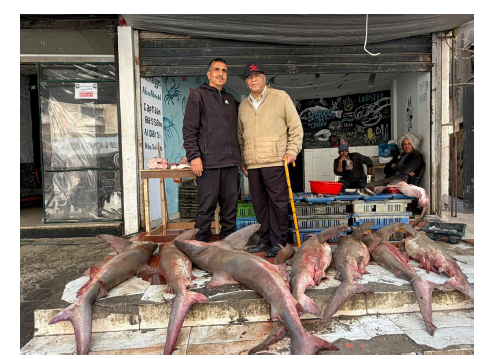
This descriptive study involved repeated field visits to fisheries landing sites in Gaza City and fish markets throughout the Gaza Strip, where cartilaginous, bony, and invertebrate species are openly sold (Figure 1). On occasion, field measurements were taken, including height and weight. Data and photographic records were collected to document the Marbled Electric Ray (Torpedo marmorata Risso, 1810) and the Common or Eyed Electric Ray (Torpedo torpedo Linnaeus, 1758), both of which are incidentally caught in the coastal waters of the Gaza Strip, Palestine. Additional information was gathered through consultations with the General Directorate of Fisheries at the Ministry of Agriculture, as well as with local fishermen. Relevant data were also obtained by reviewing local news outlets and social media sources. The Gaza Strip, situated along the southeastern Mediterranean coast, extends approximately 42km, covers around 365km2, and supports a population exceeding 2.4 million inhabitants. Fisheries are a critical sector for food security, employment, and socio-economic stability, involving over 4,500 fishermen operating more than 1,800 predominantly small-scale vessels. A variety of fishing gears-including trammel nets, gillnets, longlines, handlines, trawlers, and small purse seines-are employed to target small pelagic fishes, demersal teleosts, cephalopods, and crustaceans [26]. Cartilaginous fishes, including sharks and batoids, are also captured, primarily as bycatch but occasionally as targeted species.
Figure 1:Repeated field visits to fish markets were conducted to identify common sharks and rays targeted or incidentally caught in the Gaza Strip marine ecosystem.
Result
Electric ray species of the Gaza Strip
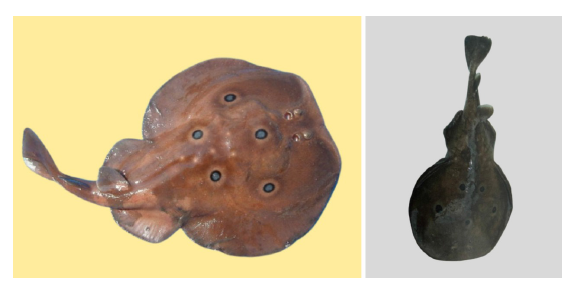
Electric rays recorded in the Gaza Strip are limited to two species: The Marbled Electric Ray (Torpedo marmorata Risso, 1810) (Figure 2) and the Common or Eyed electric ray (Torpedo torpedo Linnaeus, 1758) (Figure 3). Both species are non-target catches with little to no commercial value and are therefore typically discarded or, less frequently, used for low-value purposes. Despite their limited economic importance, these rays are regularly observed in local fish markets throughout the Gaza Strip. They are often displayed on the ground-as commonly seen in Gaza City’s main fish market “Al-Hisba Market” near the principal fishing portor placed in crates alongside other cartilaginous and bony fishes. On 27 January 2026, a Facebook activist from the Gaza Strip posted a short video documenting the retrieval of a Marbled Electric Ray specimen from fishing net (https://www.facebook.com/ watch/?v=1257819879550247) (Figure 3D & 3E). He humorously remarked that the electric ray could be used to generate electricity for the Gaza Strip.
Figure 2:Marbled Electric Ray (Torpedo marmorata Risso, 1810): (A-C) Bycaught specimens displayed in Gazan fish markets; (D,E) Screenshots from a short video showing retrieval of a bycaught specimen from fishing net
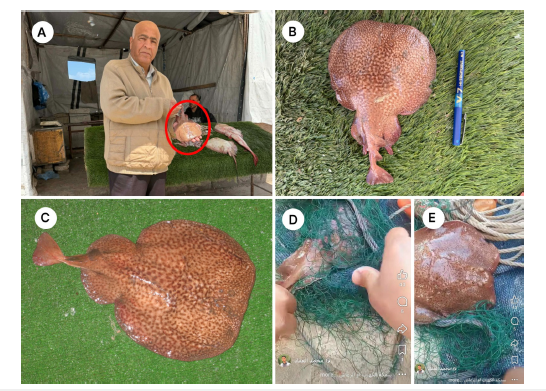
Figure 3:Specimens of the common or eyed electric ray (Torpedo torpedo Linnaeus, 1758).
Description of the bycaught electric rays
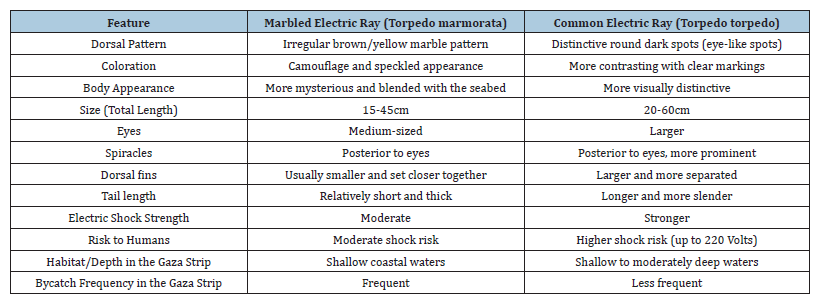
The marbled electric ray is frequently caught as bycatch in shallow coastal waters of the Gaza Strip, with individuals ranging from 15 to over 45cm in length. Its dorsal surface exhibits a marbled pattern of brown and yellow spots, while the ventral surface is paler. It has medium-sized eyes with posterior spiracles and a small ventral mouth adapted for benthic feeding. Most recorded specimens were juveniles, indicating frequent coastal capture. In contrast, the Common (Eyed) Electric Ray is less abundant but regularly recorded as bycatch, with individuals ranging from 12 to over 40cm in length. It is distinguished by its rounded disc and prominent dorsal eyes. Specimens of this species are readily identifiable by the presence of five distinctive blue eye-like spots (ocelli). Its dorsal coloration varies from brown to olive-brown, with a lighter ventral surface. The ventral mouth reflects benthic feeding habits. Most specimens were immature, suggesting that the Gaza Strip’s coastal waters may serve as nursery grounds. Marbled and Common (Eyed) Electric Rays lack a venomous tail spine but possess specialized electric organs in their pectoral discs, capable of generating shocks to stun prey or deter predators. These discharges can reach up to 220 volts and pose a hazard to fishermen, with the Common (Eyed) Electric Ray producing the stronger shock. Both species have a relatively short, thick tail, with a small caudal fin that is rounded or slightly triangular. Table 1 summarizes the main differences between the two species.
Table 1:The main differences between the Marbled Electric Ray (Torpedo marmorata) and the Common or Eyed Electric Ray (Torpedo torpedo).
Occurrence patterns and size distribution
Observations from landing sites and fish markets in the Gaza Strip show that both species (Torpedo marmorata and Torpedo torpedo) are consistently captured as bycatch in nearshore fisheries. Recorded individuals range from 12cm to over 45cm in total length, with juveniles predominating. The Marbled Electric Ray is encountered more frequently, although both species constitute only a small fraction of mixed catches. Their recurring presence in markets suggests opportunistic retention rather than targeted fishing. No reliable published statistics are available on electric ray catches in the Gaza Strip. These species are not commercially targeted and are typically taken incidentally, particularly in trawl fisheries. Nevertheless, fishermen report that several hundred individuals are caught as bycatch using various local gears, a pattern supported by repeated observations in fish markets and landing sites across the region. There is no evidence of the third species of electric fish, the Atlantic or Great Torpedo Ray (Tetronarce nobiliana Bonaparte, 1835), being accidentally caught off the coast of the Gaza Strip. It is unknown whether any will be caught in the future, despite the extreme rarity of this species in the eastern Mediterranean.
Bycatch methods of electric rays in the Gaza Strip
Electric rays (Torpedo marmorata and Torpedo torpedo)
are primarily captured incidentally within multispecies coastal
fisheries. Their benthic, slow-moving behavior and flattened body
shape, combined with the non-selective nature of fishing gear, make
them highly vulnerable to bycatch. Consequently, they are usually
discarded or only opportunistically consumed. Bycatch occurs
mainly through the following methods:
Bottom trawling: A major source of bycatch, as nets dragged
along the seabed collect benthic organisms. Electric rays, often
resting or partially buried in sandy substrates, are easily swept into
the net and retained in the codend.
Gillnets: These nets act as vertical barriers, entangling
rays rather than gilling them due to their broad bodies. Limited
swimming ability reduces escape once contact occurs.
Trammel nets: The three-layered structure traps rays in inner
mesh pockets during attempted passage, leading to immobilization.
This method frequently captures non-target species, including
electric rays.
Bottom longlines: They are less common, but may incidentally
capture rays when they bite baited hooks or are hooked during
foraging. Bycatch rates are generally lower than in net-based
fisheries.
Risks associated with electric rays for Gazan fishermen and fish sellers
Electric rays (Torpedo marmorata and Torpedo torpedo) in the
Gaza Strip present occupational hazards during capture, handling,
and marketing due to their ability to generate electric shocks.
Although not aggressive, they can be dangerous if improperly
handled. Injuries associated with these species are mainly caused
by electric discharges. No official statistics are available in the Gaza
Strip; however, local fishermen indicate that incidents are rare
and typically minor, with most cases not requiring hospitalization.
According to both the General Directorate of Fisheries and
fishermen, no fatalities have been documented from handling or
catching these fish. Injuries from electric rays are generally rare and
mild, a pattern often attributed by fishermen to the predominance
of small or juvenile individuals in catches, which produce weaker
discharges. In contrast, larger, mature specimens are capable
of delivering stronger shocks. Based on consultations with the
General Directorate of Fisheries at the Ministry of Agriculture and
experienced fishermen, the main risks include:
Electric shock hazard: Contact during net retrieval or handling
may result in painful shocks, muscle spasms, and temporary loss of
motor control.
Handling-related injuries: Sudden shocks can lead to
secondary injuries such as cuts, bruises, or falls, particularly on wet
or unstable surfaces.
Post-capture risk: Electric rays may continue to discharge
electricity after capture, posing a hazard even when they appear
inactive.
Utilization of electric rays in the Gaza Strip
Electric rays (Torpedo marmorata and Torpedo torpedo) are occasionally caught in shallow coastal waters, mainly as bycatch, and are usually discarded due to low market value, soft flesh, and handling challenges associated with their electric organs. In the Gaza Strip, other elasmobranchs are more commonly consumed. Following the October 7, 2023 war and the resulting humanitarian crisis, food shortages and restricted fishing areas led fishermen to retain previously discarded species. Consequently, electric rays began appearing more often in local markets and were consumed as an alternative protein source, sometimes alongside species of conservation concern. Despite this shift, their consumption remains limited due to their soft texture, electric organs, and lack of culinary tradition. Although their flesh is safe to eat, it is generally not preferred and is considered a secondary food source. Some fishermen and fishmongers also report that certain Gazan women consume it based on the belief that it enhances milk production during breastfeeding.
Preservation of electric ray in educational institutions
The preservation of electric ray specimens (Torpedo marmorata and Torpedo torpedo) in educational institutions is important for teaching, research, and biodiversity awareness. However, restrictions on the entry of preservation chemicals such as formalin-due to the ongoing blockade-have created significant challenges. As a result, taxidermy practices are largely limited to smaller organisms. Relatively small electric ray specimens (15- 30cm) are more feasible to preserve under such conditions and are typically stored in airtight glass containers to minimize evaporation and deterioration. Previously, numerous specimens were housed in university biology museums and in the Marine Biology Museum managed by the General Directorate of Fisheries at the Ministry of Agriculture. However, following the October 7, 2023 war, most of these facilities were destroyed, resulting in the loss of preserved collections
Ecological significance
Despite their low economic value, electric rays (Torpedo marmorata and Torpedo torpedo) play an important ecological role in coastal ecosystems. As benthic predators, they feed on small fishes and invertebrates, helping regulate prey populations and maintain trophic balance. They also contribute to energy transfer within the food web and, through resting and foraging, promote minor bioturbation that influences sediment structure and nutrient cycling.
Discussion
The present study provides one of the few localized assessments of Mediterranean electric rays in the southeastern Mediterranean, confirming that The Marbled Electric Ray (Torpedo marmorata Risso, 1810) and the Common or Eyed Electric Ray (Torpedo torpedo Linnaeus, 1758) are regular components of bycatch in the Gaza Strip’s coastal fisheries [27] and even other neighboring countries [28,29]. This finding aligns with broader Mediterranean patterns, where torpedinid rays are widely distributed but rarely targeted, being primarily recorded in demersal fisheries as incidental catch [5,6,9,30,31]. Similar observations have been reported from Tunisia, Turkey, and Morocco, where benthic elasmobranchs are frequently captured in trawl and net fisheries due to their close association with the seabed and limited escape capacity [32-36]. Several local studies have documented both targeted fishing and incidental bycatch of numerous cartilaginous fishes-including rays, sharks, and guitarfishes-captured using a variety of fishing gears [27,37-45].
The dominance of Marbled Electric Ray over the Common or Eyed Electric Ray in the current study is consistent with regional trends indicating higher relative abundance or detectability of the former species in nearshore habitats [7,31]. However, recent evidence suggests that the Common or Eyed Electric Ray populations may be declining or becoming less frequently encountered in parts of the Mediterranean, raising concerns about shifting species composition and local depletion [24]. The relatively low representation of the Common or Eyed Electric Ray in the Gaza Strip waters may therefore reflect broader basin-scale population dynamics rather than purely local ecological conditions. The predominance of juvenile individuals in both species is particularly noteworthy. Comparable size structures have been documented in other Mediterranean regions, where coastal and shallow habitats often function as nursery areas for elasmobranchs [46,47]. The repeated capture of immature specimens in the Gaza Strip suggests that these coastal waters may serve a similar ecological role. This pattern is ecologically significant, as fishing pressure on juvenile stages can disproportionately affect population sustainability, especially for species characterized by slow growth, late maturity, and low fecundity [3,19].
From a fisheries perspective, the consistent bycatch of electric rays reflects the non-selective nature of artisanal fishing gears used in the Gaza Strip. Bottom trawls, trammel nets, and gillnets are widely recognized as major drivers of elasmobranch bycatch across the Mediterranean [31,48]. The vulnerability of torpedinid rays is further exacerbated by their benthic behavior and tendency to remain partially buried in sediment, making them highly susceptible to capture [5]. Although longlines contribute less significantly, their role in occasional capture highlights the broad exposure of these species to multiple fishing methods.
Despite their regular occurrence, electric rays remain of low economic value, a trend consistently reported throughout the Mediterranean [5,10]. This is primarily due to their soft flesh, limited consumer preference, and the risks associated with handling electrically active individuals. Nevertheless, the findings of this study indicate a shift in utilization patterns under conditions of socio-economic stress. The increased retention and consumption of electric rays following the 2023-2025 war reflects an adaptive response to food insecurity, mirroring observations for other non-target or conservation-sensitive species in the Gaza Strip [41-45]. Such opportunistic exploitation underscores the complex interaction between ecological resources and humanitarian crises.
The occupational risks associated with electric rays documented in this study are consistent with earlier biological descriptions of their electric organs and discharge capabilities [1,2]. While generally non-lethal, these discharges can cause significant discomfort and secondary injuries, particularly in artisanal fisheries where protective equipment is limited. The persistence of electrical activity after capture increases handling risks, emphasizing the need for safe practices among fishermen and market workers. Reports from Gazan fishermen on electric ray injuries and the link between shock strength and ray size are supported by scientific evidence. Electric ray injuries are usually mild and rarely fatal, causing shortterm pain, numbness, or brief muscle paralysis, with recovery typically quick and treatment seldom needed [49,50]. Although discharges can reach up to 220V, serious effects are uncommon and mostly occur in rare or repeated exposures [51]. Shock strength varies by species and size, with larger rays producing stronger discharges than smaller or juvenile individuals [3]. Ecologically, electric rays play an important but often overlooked role in coastal ecosystems. As benthic predators, they contribute to regulating populations of small fishes and invertebrates, thereby maintaining trophic balance [8]. Their foraging behavior may also influence sediment structure and nutrient cycling through bioturbation. Recent studies have additionally highlighted emerging aspects of batoid biology, including potential acoustic behavior and complex ecological interactions, suggesting that these species may be more functionally diverse than previously assumed [52].
The study also highlights significant challenges in biodiversity documentation and specimen preservation in the Gaza Strip. The destruction of scientific collections and restricted access to preservation materials have resulted in the loss of valuable biological records, as previously noted for Palestinian fauna [27,38]. This loss not only limits taxonomic and ecological research but also hinders educational efforts and long-term monitoring of marine biodiversity. In a broader conservation context, the findings reinforce concerns regarding the status of Mediterranean elasmobranchs, many of which are experiencing population declines due to overfishing, habitat degradation, and inadequate management [53]. Although electric rays are not currently among the most threatened species, their life-history traits and exposure to persistent bycatch place them at potential risk. The situation in the Gaza Strip, characterized by intensive fishing pressure and environmental stressors, may further exacerbate these vulnerabilities. Overall, this study contributes to filling a regional knowledge gap by documenting the occurrence, bycatch patterns, and human interactions of electric rays in Palestinian waters. The results emphasize the need for targeted monitoring of non-commercial species, improved bycatch mitigation strategies, and greater integration of ecological considerations into fisheries management. In regions facing compounded environmental and socio-political challenges, such efforts are essential for balancing biodiversity conservation with human livelihoods.
Acknowledgment
The authors sincerely express their deep appreciation to the General Directorate of Fisheries at the Ministry of Agriculture for its support, facilitation, and valuable cooperation throughout all stages of this research. Special thanks are also extended to the Gazan fishermen, whose collaboration and willingness to share observations and traditional knowledge greatly contributed to the success of this work. Their combined efforts made possible the completion of this modest yet pioneering study-the first of its kind conducted in Palestine.
References
- Barone M, Mazzoldi C, Serena F (2022) Sharks, rays and chimaeras in Mediterranean and Black Seas: Key to identification. Food and Agriculture Organization of the United Nations (FAO), Italy, p. 96.
- Mellinger J, Belbenoit P, Ravaille M, Szabo T (1978) Electric organ development in Torpedo marmorata, Chondrichthyes. Developmental Biology 67(1): 167-188.
- Last PR, White WT, De Carvalho MR, Séret B, Stehmann MFW, et al. (2016) Rays of the world. Cornell University Press, Ithaca, New York, USA, p. 90.
- Capapé C, Seck AA, Diatta Y (2000) Reproductive biology of the Common Torpedo, Torpedo torpedo (Linnaeus, 1758) (Pisces, Torpedinidae) from the coast of Senegal (Eastern Tropical Atlantic). Miscellània Zoològica 23(1): 9-21.
- Serena F (2005) Field identification guide to the sharks and rays of the Mediterranean and Black Sea. Food and Agriculture Organization of the United Nations (FAO), Rome, Italy, p. 97.
- Melis R, Di Crescenzo S, Cariani A, Ferrari A, Crobe V, et al. (2023) I like this new me: Unravelling population structure of Mediterranean electric rays and taxonomic uncertainties within Torpediniformes. Animals 13(18): 2899.
- Şen Y, Daban İB, Yığın CÇ (2024) Some morphometric and biological characteristics of the marbled electric ray, Torpedo marmorata, in the Marmara Sea. Journal of the Black Sea/Mediterranean Environment 30(2): 97-113.
- Dulvy NK, Simpfendorfer CA, Davidson LN, Fordham SV, Bräutigam A, et al. (2017) Challenges and priorities in shark and ray conservation. Current Biology 27(11): R565-R572.
- Raut S, Prakash S, Kumar A (2023) Assessing artisanal fishers' attitude and perception towards electric rays conservation along Indian coast. Marine Policy 157: 105826.
- Compagno LJV, Dando M, Fowler S (2005) Sharks of the world. Princeton University Press, New Jersey, USA, p. 368.
- Abdel Aziz SH (1994) Observations on the biology of the Common Torpedo (Torpedo torpedo, Linnaeus, 1758) and marbled electric ray (Torpedo marmorata, Risso, 1810) from Egyptian Mediterranean waters. Australian Journal of Marine and Freshwater Research 45(4): 693-704.
- Mejri H, Soussi B (2004) On the recent occurrence of elasmobranch species in Tunis Southern Lagoon (Northern Tunisia, Central Mediterranean). Annales 14(2): 143-158.
- Consalvo I, Scacco U, Romanelli M, Vacchi M (2007) Comparative study on the reproductive biology of Torpedo torpedo (Linnaeus, 1758) and Torpedo marmorata (Risso, 1810) in the central Mediterranean Sea. Scientia Marina 71(2): 213-222.
- Olfa E, Mnasri N, Jamila BS, Boumaiza M, Mourad M, et al. (2009) Inventory of elasmobranch species caught in the Lagoon of Bizerte (North-eastern Tunisia, central Mediterranean). Pan-American Journal of Aquatic Sciences 4: 383-412.
- Storelli MM, Giuliana Perrone V, Barone G (2011) Organochlorine residues (PCBs and DDTs) in two Torpedinid species liver from the Southeastern Mediterranean Sea. Environmental Science and Pollution Research 18(7): 1160-1165.
- Duman ÖV, Başusta N (2013) Age and growth characteristics of Marbled Electric Ray Torpedo marmorata (Risso, 1810) inhabiting Iskenderun Bay, North-eastern Mediterranean Sea. Turkish Journal of Fisheries and Aquatic Sciences 13(3): 551-559.
- Tiralongo F, Messina G, Brundo MV, Lombardo BM (2019) Biological aspects of the common Torpedo, Torpedo torpedo (Linnaeus, 1758) (Elasmobranchii: Torpedinidae), in the central Mediterranean Sea (Sicily, Ionian Sea). European Zoological Journal 86: 488-496.
- Serena F, Abella AJ, Bargnesi F, Barone M, Colloca F, et al. (2020) Species diversity, taxonomy and distribution of Chondrichthyes in the Mediterranean and Black Sea. The European Zoological Journal 87(1): 497-536.
- Bellodi A, Mulas A, Carbonara P, Cau A, Cuccu D, et al. (2021) New insights into life-history traits of Mediterranean electric rays (Torpediniformes: Torpedinidae) as a contribution to their conservation. Zoology 146: 125922.
- Enajjar S, Saidi B, Bradai MN (2022) Elasmobranchs in Tunisia: Status, ecology, and biology. Sharks-Past, Present and Future, p. 108629.
- Balàka PF, Ugarković P, Türtscher J, Kriwet J, Niedermüller S, et al. (2023) Updated checklist of chondrichthyan species in Croatia (Central Mediterranean Sea). Biology 12(7): 952.
- Bajt O, Mavrič B, Milačič R, Ščančar J, Zuliani T, et al. (2024) Bioaccumulation of organotin compounds in the marbled electric ray (Torpedo marmorata) in the northern Adriatic Sea. Marine Pollution Bulletin 204: 116511.
- Karadurmuş U, Sarı M (2024) Distribution and diversity of elasmobranchs in the Sea of Marmara: A 2023 status report. Aquatic Conservation: Marine and Freshwater Ecosystems 34(3): e4121.
- Dalyan C, Kesici NB, Bakir EY, Gönül Y, Kabasakal H (2025) No longer as common as its name: A review of the occurrence of Torpedo torpedo (Linnaeus, 1758) (Chondrichthyes: Elasmobranchii) in Turkish waters, with photographic evidence. In Annales: Series Historia Naturalis 35(1): 65-72.
- Abdullah NA, Hdaifeh A, Babaadoune K, Jebreen A, Awad N, et al. (2025) Marine ecosystems in peril: The impact of the recent war on Gaza’s Coastal and marine life. In: Hassoun A (Ed.), War on Gaza Sustainable Development Goals Series, Springer, Berlin, Germany.
- Hussein DM, Lucchetti MC, Zaqoot HA, Penca J, Hussein MA (2022) Status of fisheries in Gaza Strip: Past trends and challenges. International Journal of Euro-Mediterranean Studies 15(2): 179-216.
- Abd Rabou AN, El-Kichaoui AY, El-Bashiti TA, Abdel Aziz II, Elnabris KJ, et al. (2025) On the mummified marine and terrestrial vertebrate fauna adorning the biology department museum at the Islamic university of Gaza, Gaza Strip, Palestine, before the Israeli war on October 7, 2023. Open Journal of Ecology (OJE) 15(9): 528-568.
- Lteif M (2015) Biology, distribution and diversity of cartilaginous fish species along the Lebanese coast, eastern Mediterranean. Doctoral dissertation, Université de Perpignan, Perpignan, France, p. 262.
- Farrag MM (2016) Deep-sea ichthyofauna from Eastern Mediterranean Sea, Egypt: Update and new records. Egyptian Journal of Aquatic Research 42(4): 479-489.
- Otero M, Serena F, Gerovasileiou V, Barone M, Bo M, et al. (2019) Identification guide of vulnerable species incidentally caught in Mediterranean fisheries. IUCN, Malaga, Spain, p. 203.
- Chatzispyrou A, Gubili C, Touloumis K, Karampetsis D, Kioulouris S, et al. (2021) Life-history traits of the marbled electric ray, Torpedo marmorata Risso, 1810, from the Greek Seas, north-eastern Mediterranean Sea. Environmental Biology of Fishes 104: 1575-1592.
- Yeldan H, Avşar D, Mavruk S, Manaşirli M (2013) Temporal changes in some Rajiformes species of cartilaginous fish (Chondrichthyes) from the west coast of İskenderun Bay (northeastern Mediterranean). Turkish Journal of Zoology 37(6): 693-698.
- Başusta N, Başusta A, Özbek EÖ (2016) Cartilaginous fishes and fisheries in the Mediterranean coast of Turkey. The Turkish part of the Mediterranean Sea, pp. 248-274.
- Saidi B, Enajjar S, Bradai MN (2016) Elasmobranch captures in shrimps trammel net fishery off the Gulf of Gabès (Southern Tunisia, Mediterranean Sea). Journal of Applied Ichthyology 32(3): 421-426.
- Keznine M, Giovos I, Mghili B, AL-Mabruk SA, Aksissou M (2024) Elasmobranch bycatch in a bottom trawl fishery at Al-Hoceima port in Morocco (Mediterranean Sea). Thalassas: An International Journal of Marine Sciences 40(1): 685-691.
- Marsaglia L, Enajjar S, Saïdi B, Sbrana A, Heenan A, et al. (2024) Mapping sharks and rays potential fisheries risk areas in Tunisia. SSRN Electronic Journal. Preprint, p. 5371412.
- Abd Rabou AN (2013) Priorities of scientific research in the fields of marine environment and fishery resources in the Gaza Strip-Palestine. Priorities of Scientific Research in Palestine: Towards a National Directory of Scientific Research, Scientific Research Affairs, Islamic University of Gaza, Gaza Strip, Palestine, pp. 481-522.
- Abd Rabou AN (2020) The Palestinian marine and terrestrial vertebrate fauna preserved at the Biology Exhibition, Islamic University of Gaza, bombarded by the Israeli Army in December, 2008. Israa University Journal of Applied Science (IUGAS) 4(1): 9-51.
- Abd Rabou AN, Elkahlout KE, Elnabris KJ, Attallah AJ, Salah JY, et al. (2023) An inventory of some relatively large marine mammals, reptiles and fishes sighted, caught, by-caught or stranded in the Mediterranean coast of the Gaza Strip-Palestine. Open Journal of Ecology (OJE) 13(2): 119-153.
- Abd Rabou AN, Gafar MF, Mohanna AM, Rafeea AA, Jadallah RI, et al. (2025) A look at the deadly shark attack on an Israeli diver off the Mediterranean coast of Hadera, Palestine. Uttar Pradesh Journal of Zoology 46(12): 124-142.
- Abd Rabou AN, Abualtayef MT, Qahman KA, Amodi EA, Al-Hamidi FA, et al. (2026) Rediscovery of a Single Specimen of the Critically Endangered Spiny Butterfly Ray (Gymnura Altavela Linnaeus, 1758) on the Mediterranean Coast of the Gaza Strip, Palestine, Following A 30-Year Absence. Examines in Marine Biology & Oceanography 8(1):
- Abd Rabou AN, Qaraman AA, Khalaf NA, Abuhajjaj GI, Jebril MA, et al. (2026) Status of two critically endangered guitarfish species (Glaucostegus cemiculus Geoffroy Saint-Hilaire, 1817 and Rhinobatos rhinobatos Linnaeus, 1758) in the coastal waters of the Gaza Strip, Palestine. Open Journal of Ecology (OJE) 16(3): 153-169.
- Abd Rabou AN, Al-Hamidi FA, Samara SA, Abu Aitah EI, Alajrami MS, et al. (2026) Rare records of the critically endangered angular rough shark (Oxynotus centrina Linnaeus, 1758) from the Marine Ecosystem of the Gaza Strip, Palestine. Journal of Entomology and Zoology Studies 14(1): 6-13.
- Abd Rabou AN, Abu Aitah EI, Samara SK, Alajrami MS, Jebril MA, et al. (2026) First record of the globally endangered Whale Shark (Rhincodon typus Smith, 1828) in the Mediterranean waters of the Gaza Strip, Palestine, and its consumption shortly after the ceasefire following the two-year Israeli war of genocide (2023-2025). Examines in Marine Biology & Oceanography 8(1):
- Abd Rabou AN, Salah JY, Abd Rabou OA, Abd Rabou AA, Abualtayef MT, et al. (2026) Occurrence and bycatch of the critically endangered scalloped hammerhead shark (Sphyrna lewini Griffith & Smith, 1834) in the coastal waters of the Gaza Strip, Palestine. Uttar Pradesh Journal of Zoology 47(6): 10-19.
- Geraci ML, Ragonese S, Scannella D, Falsone F, Gancitano V, et al. (2021) Batoid abundances, spatial distribution, and life history traits in the Strait of Sicily (Central Mediterranean Sea): Bridging a knowledge gap through three decades of survey. Animals 11(8): 2189.
- Mutlu E, Deval MC, De Meo I, Saygu İ, Miglietta C (2022) Spatiotemporal density and ecology of batoids (Elasmobranchii) along a Turkish shelf-upper slope of the Mediterranean Sea during years 2009-2015. Thalassas: An International Journal of Marine Sciences 38(1): 57-69.
- Falsone F, Vitale S (2017) A tale on the demersal and bottom dwelling Chondrichthyes in the south of Sicily through 20 years of scientific survey. In: S Vitale (Ed.), Chondrichthyes: Multidisciplinary Approach, Intech Open, p. 69333.
- Bove AA, Davis JC (2004) Diving medicine. (4th edn), Saunders, USA, p. 656.
- Edmonds C, Bennett MH, Lippmann J, Mitchell S (2004) Diving and subaquatic medicine. (4th edn), Hodder Arnold, London, UK, p. 719.
- Taimur Z, Hussaini S (2008) Atrial fibrillation in a commercial diver. Occupational Medicine 58(2): 144-146.
- Almagro Á, Barría C (2024) The end of silent predators: First cases of active sound production in batoids from the Mediterranean Sea and its potential implications. Marine Biology 171(11): 208.
- Milazzo M, Cattano C, Al Mabruk SA, Giovos I (2021) Mediterranean sharks and rays need action. Science 371(6527): 355-356.
© 2026 Abdel Fattah N Abd Rabou. This is an open access article distributed under the terms of the Creative Commons Attribution License , which permits unrestricted use, distribution, and build upon your work non-commercially.
Editor In Chief







.jpg)































Signup for Newsletter

Quick Links
 Editorial Board Registrations
 Submit your Article
 Best Paper of the Volume
 Reprints
 Refer a Friend
 Advertise With Us
Our Recent Edition

.jpg)



Top Editors




.jpg)

















.bmp)
.jpg)
.png)
.jpg)













.jpg)






.png)

.png)




.png)




Financial Support

Sponsors

Latest e-Books

Latest Video

 a Creative Commons Attribution 4.0 International License. Based on a work at www.crimsonpublishers.com.
Best viewed in
a Creative Commons Attribution 4.0 International License. Based on a work at www.crimsonpublishers.com.
Best viewed in 
 | Above IE 9.0 version