

- About Us
- Information
-

The Author ensures that the research has been conducted responsibly and ethically with adherence to all relevant regulations. read more..
- For Authors
- For Reviewer
- Manuscript Guidelines
- Membership
- Publication Ethics
-
- Journals
- Reprints
- e-Books
- Videos
- Policies
- Contact Us
 COVID-19
- Submissions



Full Text
Trends in Textile Engineering & Fashion Technology
Introduction of Pan as a New Natural Dye for Eco-Friendly Wool Dyeing
Vahid Hemmati Farsani1 and Zahra Ahmadi2*
1 Iran University of Art, Iran
2 Associate Professor of Iran University of Art, Iran
*Corresponding author:Zahra Ahmadi, Associate Professor of Iran University of Art, Iran
Submission: June 09, 2026; Published: July 29, 2026

ISSN 2578-0271 Volume12 Issue 1
Abstract
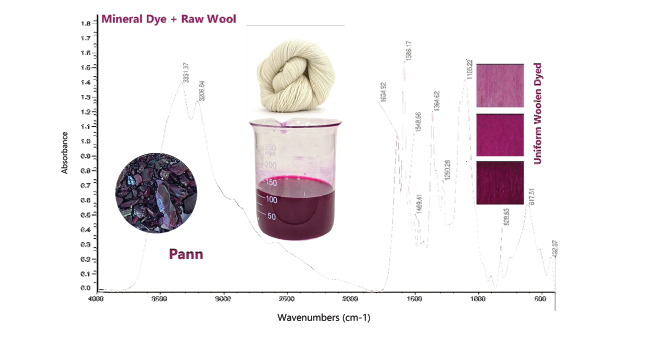
Natural dyes have been used in textile dyeing for centuries, and their importance has recently increased due to growing concerns about the environmental impact of synthetic dyes. Natural dyes are biodegradable and environmentally compatible, offering a sustainable alternative for the textile industry. Mineral dyes, a subgroup of natural dyes, play a crucial role in natural dyeing, as they often serve as mordants, particularly in wool dyeing. This study introduces Pan, a mineral dye, as a new natural source capable of producing purple hues. Initially, X-ray and infrared scattering spectra were used to identify the dye content. We also evaluated how mordant type, mordanting method, dyeing pH, and temperature influence color hue, color strength, fastness properties (washing, staining, and light), and mechanical properties of dyed wool yarns. The results show that Pan produces various purple tones even at low concentrations of dye. The dyed samples exhibited moderate light and washing fastness. Using bio-mordants significantly improved washing fastness, though enhancing light fastness requires further investigation. Overall, this research highlights the potential of Pan as a sustainable and high-value mineral dye that can provide eco-friendly coloration for wool textiles (Graphical Abstract).
Keywords: Natural Dyeing; Mineral Dye; Pan; Wool Dyeing; Eco-friendly
Introduction
In recent year’s textile dyeing process, especially woollen yarns with natural dyes, have been developed for various reasons such as environmental protection, non-toxicity, renewability, various color hues, antimicrobial and anti-allergy properties, and compatibility. Among these, the most common sources of natural dyes are plants. Many scientists in their research have introduced new natural resources for dyeing textiles. Shahid et al. [1], Guha [2], and Sohrabi et al. [3] have documented numerous plant sources used as natural dyes. Mineral dyes, derived from naturally occurring earth pigments, also exhibit good affinity for textiles and acceptable fastness. Their tinctorial properties arise from oxides or hydrated oxides of metals such as manganese. Common mineral dyes include chrome yellow, iron buff, Prussian blue, Nankin yellow, and manganese brown. Many minerals serve as mordants to fix or enhance vegetable dyes, while some minerals can directly impart color. Examples of such natural mordants include serum, cow urine, cow dung, and egg albumin. Extensive research has also explored the use of alternative sources of natural dyes, including residues from the food industry, for textile dyeing. Mortazavi et al. [4] and Adeel et al. [5] demonstrated that even plant residues from industrial processes can serve as viable sources for natural dyeing, with acceptable dyeing performance. Historically, red has been a prominent color in Iranian textiles, often combined with blue and yellow to create diverse hues. Traditional natural red dyes in Iran include cinnabar as a mineral mordant, madder, cochineal, and iron oxide, while more recent studies have introduced herbs such as red onion skin and beetroot. However, these alternatives often produce colors that deviate from pure red and exhibit poor fastness, limiting their economic viability. Some natural dyes containing anthocyanins are capable of producing shades within the purple color spectrum. Examples include dyes extracted from eggplant skin, onion skin, and beet. Abdul Daim [6], Pranta and Das [7], Ahmadi et al. [8], and Gumrukcu et al. [9] have successfully used dyes extracted from eggplant skin, sunflower seed skin, and red onion skin to dye wool and cotton products. These plant-derived dyes share an anthocyanin-based chemical structure. Dyes with the chemical structure of anthocyanin are sensitive to pH and their color changes with the pH of the dyeing bath, and their dyeing fastness was good to moderate. In both studies, the dyeing fastness of the dyed products was improved by using a mixture of tannic acid and metal mordant or other bio-mordant. Researchers have reported that the light fastness of dye yarn samples is not very satisfactory. Ahmad Khan et al. [10] used calico leaves to obtain red color on textile products. They used Copper mordant and tannic acid to increase the dyeing fastness, and gamma radiation was used on cotton products to increase dye absorption.
In another study, researchers used dyes extracted from bacterial culture to produce red color on textiles. In this study [11], a watersoluble dye obtained from a red pigment-producing microorganism (fungus) called Penicillium purpurogenum was used to obtain a red color. The results showed that the color of the dyed silk product was reddish-brown, and in dyeing cotton products, a pink color was observed. The extracted dye had a high affinity for silk and cotton and also showed more fastness to pH changes compared to natural dyes with anthocyanin structure. In another similar study [12] of 11 types of bacteria that were cultured with H-acid (1- naphthol- 8-amino-3, 6-disulfonic acid) as a precursor for dye production, which were cultured at different temperature conditions and in a neutral environment, a dye with a red to brown hue was obtained. The extracted dyes were used for dyeing woollen products. Washing fastness showed good results, but light fastness had poor values. Despite the great advantages of natural dyes, the use of natural dyes has problems such as the complexity of the dyeing process, the problems of reproducing a color and the non-reproducibility of the process, poor dyeing fastness, and occupying a large volume of the dye bath with pulp. Plants are unavailable in different seasons of the year and there are limitations in terms of color shade variation [13]. To solve the mentioned problems, scientists have done a lot of research to simplify the method of using natural dyes, including the use of various extraction methods and the use of extracted dye powder instead of whole plants [14]. Nevertheless, metal mordants remain essential for enhancing fastness, though they can increase processing time, costs, and environmental concerns [15,16]. Therefore, if a natural material with dyeing properties that minimizes the above problems and can dye textile products with acceptable general fastness, it will be a valuable event in the field of natural dyeing. This study investigates Pan, a mineral substance with medicinal and dyeing properties, as a natural dye for textiles, aiming to optimize dyeing parameters and achieve acceptable fastness while minimizing environmental impact.
Experimental Materials and Equipment Required
Materials
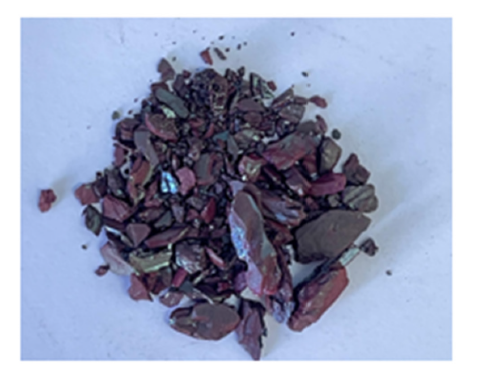
We collected a naturally colored soil from the Sistan and Baluchistan province in southeastern Iran, known locally as Pan, which has traditionally been used for medicinal purposes. Pan appears dark, multi-component, non-dense, and polished. When immersed in water, it separates into soluble and insoluble fractions: the soluble fraction produces a purple color, while the insoluble fraction remains suspended. Heating the water to 60 °C or adding acid accelerates dissolution Figure 1.
Figure 1: Physical appearance of Pan.
Merinos two-ply wool yarn with a fineness of 20 metric was used. Auxiliary chemicals included acetic acid (CH₃COOH), lactic acid (C₃H₆O₃), oxalic acid (C₂H₂O₄), alum (KAl (SO₄)2 ·12H2O), tin chloride (SnCl2·2H2O), zinc sulfate (ZnSO₄), copper sulfate pentahydrate (CuSO₄·5H₂O), iron sulfate heptahydrate (FeSO₄·7H₂O), nickel chloride (NiCl₂), and potassium dichromate (K₂Cr₂O₇), all of Merck laboratory grade.
Equipment
Samples were analyzed using a Nicolet IS50 FTIR spectrometer, a Neicus 670 light fastness tester, a Color-Eye 7000A spectrophotometer, an energy-dispersive X-ray (EDX, TTE SCAN) analyzer, and an X-ray fluorescence (XRF, IXF-W-504-01) spectrometer. Mechanical properties were evaluated with an Instron 5566 universal testing machine.
Infrared spectroscopy (FTIR), EDX, and XRF analyses were performed in accordance with ISO/IEC 17025:2005 standards to determine the elemental composition of the Pan material. Energydispersive X-ray microanalysis (EDX) is widely recognized for providing detailed information on the elemental composition of pigments. The Aquaria dissolution method was applied to further identify the constituent components of the Pan substance. Tensile strength measurements of both raw and dyed yarn samples (25cm in length, approximately 1mm in diameter) were conducted using the Instron 5566 device equipped with a 50N load cell.
Dyeing
Dyeing Procedure: We studied the effects of dyeing parametersincluding dyeing method, type and concentration of mordant, acid type, liquor ratio, temperature, and solvent-on color hue and fastness. Mordanting and dyeing diagrams are shown in Figure 2, and bath conditions are summarized in Tables 1-3.
Figure 2: (a) - mordanting diagram, (b) - Dyeing diagram.
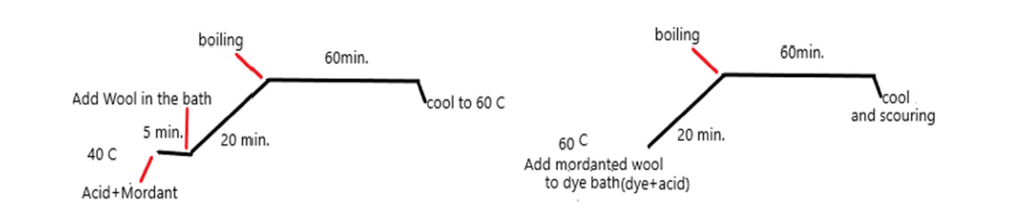
Table 1:Dyeing Parameters according to Dyeing method, dye, and mordant concentration.
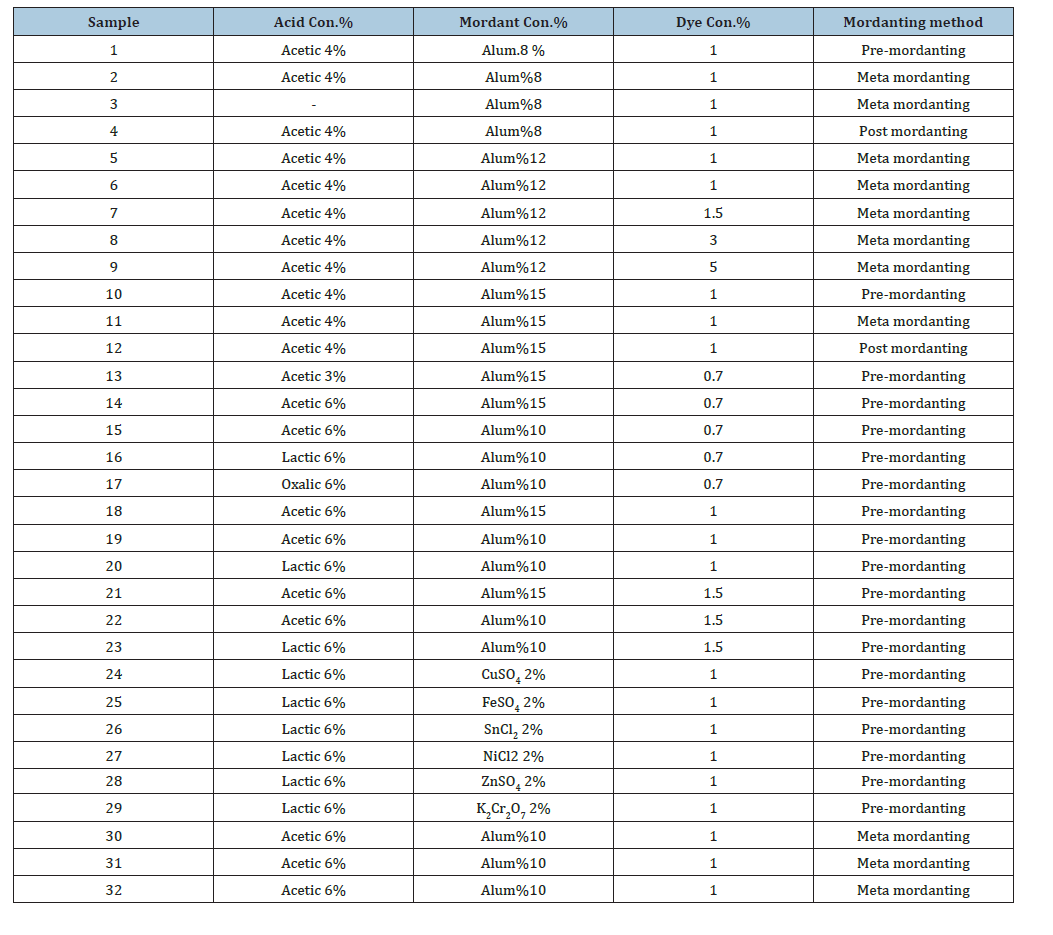
*: Dyeing temperature of all samples adjusted to boiling, sample No. 30 adjusted to room temp. Sample No. 31 adjusted to 60 °C. L/R of all samples adjusted to 40, except for No.5, which was adjusted to 20.
Table 2:Dyeing parameters according to dye extraction solvents.

Table 3:Dyeing Parameters according to mordants.
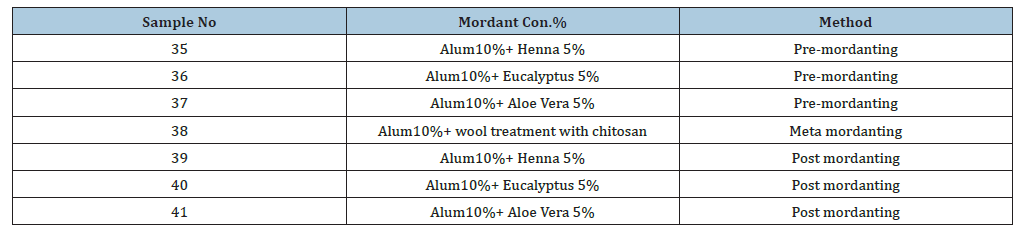
All dyeing has been done in the L/R=40, dye concentration of 1%and 6% of acid Lactic.
The fastness properties of the dyed yarns were assessed using the test methods ISO 105-A03:2019 for color fastness to washing and ISO 105-B02:1994 for color fastness to light. The reflectance and color quality of dyed samples were measured using a Color-Eye 7000A spectrophotometer (X-Rite, USA) under D50 illumination. Color values (L*, a*, b*, K/S, C*, h o, λmax) and Relative color strengths (K/S values) were determined by using the Kubelka- Munk equation (1).
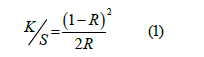
Where R is the decimal fraction of the reflectance of dyed woollen yarn, K is the absorption coefficient, and S is the scattering coefficient.
Results and discussion
Identification of pan dye
Experiments were performed on the Pan to identify the constituent elements. X-ray energy scattering spectroscopy is a suitable method that is typically used for semi-quantitative analysis of elements that are heavier or equivalent to sodium in weight and contain about half a percent or more of the total sample by weight. The EDX test has little applicability for some specimens that are flat, smooth, and uniform. The Pan sample was also polished and nonpowdered, which was easily tested. A comparison of the diagrams shown in Figure 3 with the reference diagrams shows that Fe+2, Fe+3 metal elements are present in the Pan material in lines with energies of about 1000 and between 6000 and 7000 electron volts. Na, Mg, Al, Si, S, Ca are present in the lines with energies about 1200,1400, 1600, 1800, 2100, 2500, 3400, respectively. These results are consistent with those reported by the researcher in their study and indicate the presence of metals with carbonyl compounds in the Pan structure [17,18]. The elements carbon, oxygen, and nitrogen are also present in power lines with less than 1000 electron volts. Some other elements, such as magnesium and silica, are found in power lines between 1000 and 2000 electron volts. Therefore, it seems that Pan dye can be used as a dye.
Figure 3: Spectra obtained from X-ray spectroscopy (EDX) of the dye used.
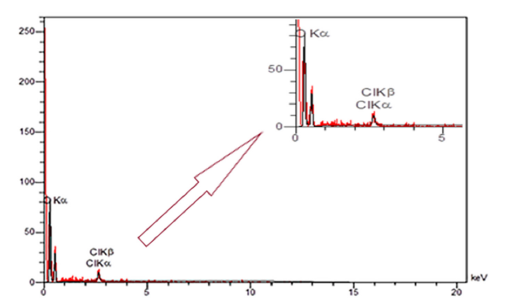
The quantitative results of the EDX test are shown in Table 4.
Table 4:Elements identified in Pan mineral dye by EDX method.

Table 5:Elements identified in the Pan mineral dye sample by the XRF method.

Based on the findings of the XRF test performed using the IXF-W-504-01 method and the data in Table 5, the constituents of the Pan material mainly include iron oxide (Fe+2, Fe+3), aluminum oxides, magnesium, and sodium. Silica, calcium, and zinc. Most of the Pan material is composed of sulphur oxides.
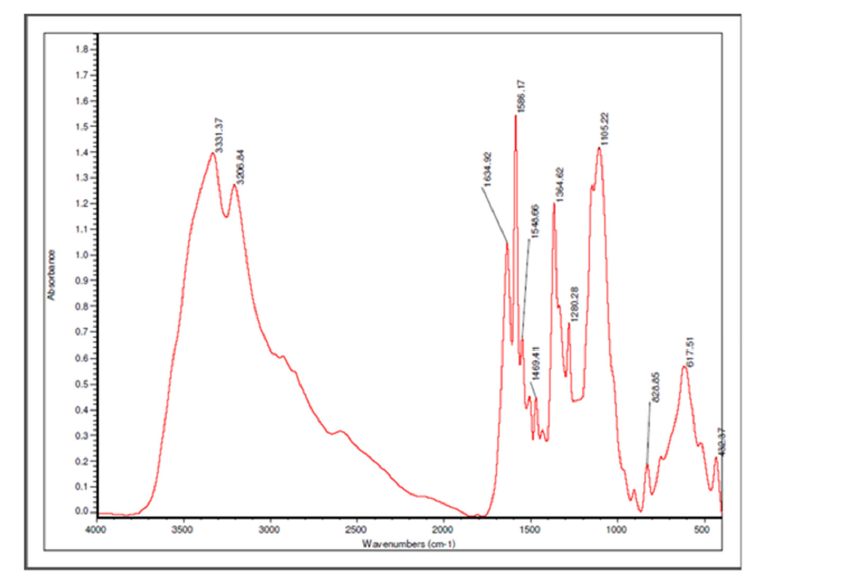
In the infrared spectrum of Pan dye, as shown in Figure 4, the maximum absorptions at wavelength 3330 correspond to the primary NH2 groups, 3205 at wavelengths belong to the C-OH groups, and absorption at 1106cm-1 corresponds to the absorption of the ether groups. The absorption bands observed at 1640cm-1 are due to >C=O conjugated with aromatic ring, at 1508 and 1468cm-1 corresponding to aromatic C=C, and at 1275cm-1 for phenol C-O. These FTIR peaks are most likely cyanidin [18].
Figure 4: Spectra of infrared spectroscopy (FTIR) of the dye powder.
Dissolution of the pan according to aqua regia
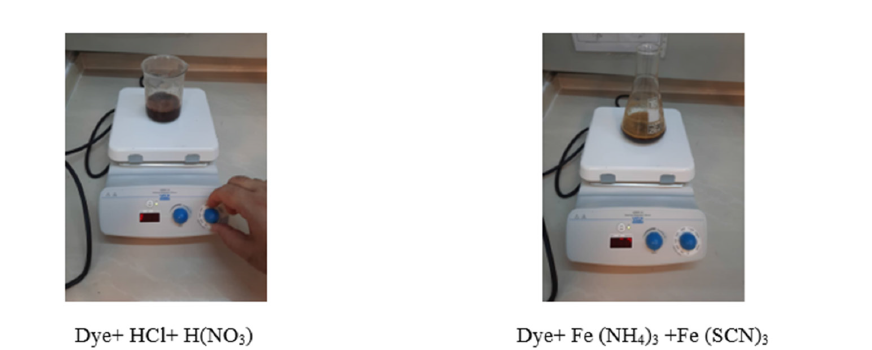
The mineral dye sample was dissolved by the aqua regia, which is the conventional method in non-silica rock samples, and an instrumental measurement. The second test was performed to confirm the type of possible ligands and complexometric of the dissolved samples by ammonia, the acidic solution, and colorimetry of the sample in solution, as shown in Figure 5. The dissolution test showed that the only substance that can hold Fe³⁺ in solution, whether in acidic, alkaline, or neutral states, and also has a specific purple color, is cyanate or thiocyanate, which forms a powerful complex with Fe³⁺. Aqua regia dissolution tests confirmed that cyanate or thiocyanate forms a stable purple complex with Fe³⁺, consistent with the acidic purple color observed in dyed yarns (Figure 5).
Figure 5: Acid dissolution test.
XRD patterns
Analysis of the X-ray diffraction patterns is a suitable method to identify the crystallinity of the samples. Furthermore, it is used to calculate the phase content and investigate the changes in the phase structure of the samples before and after the dyeing. The XRD Patterns of raw and treated wool are shown in Figures 6&7.
Figure 6: XRD pattern of wool samples: (a) raw, and (b) dyed wool.
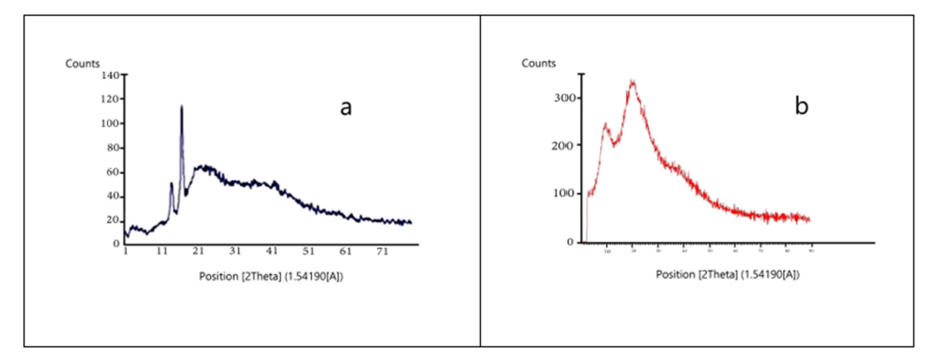
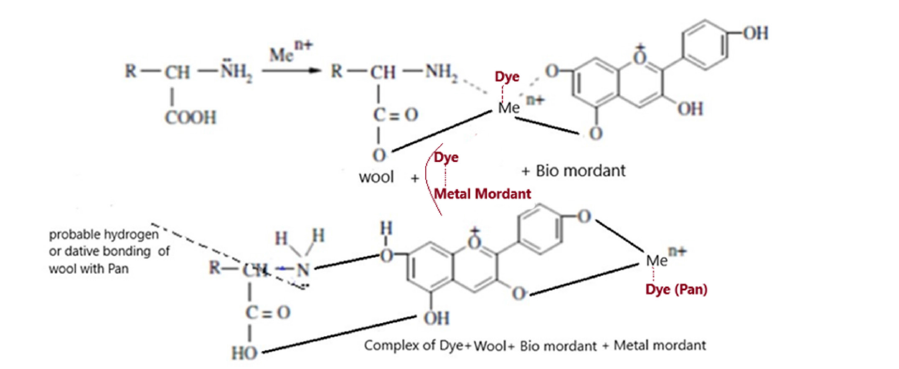
Figure 7: Possible interaction between bio-mordant, (metal mordant, dye) and wool.
Regarding raw wool, two major peaks are observed at 2θ=13.7° and 2θ=16.45°, corresponding to the hydrated crystalline structure of wool and α-keratin, respectively. In the XRD patterns of dyed woollen yarn, no specific additional peaks can be seen. In the dyed sample, the major peaks are observed at 2θ=20.7° and 2θ=1.0°. XRD analysis showed no significant changes in wool crystallinity after dyeing, with characteristic peaks at 2θ=13.7° and 16.45° for raw wool, and minor shifts for dyed samples. In the previous research, XRD analysis revealed that the crystal property of wool yarn did not change significantly when it was dyed with Monascus pigments in non-aqueous medium [19]. Compared with the undyed wool yarn, the crystalline structure of the peak at 13.95° and 2θ=16.45°, changed when the wool yarn was dyed. This might be because of the fact that amorphous regions of wool fiber are susceptible to degradation under high temperature and acid conditions owing to its protein nature, leading to the damage of wool yarn [19].
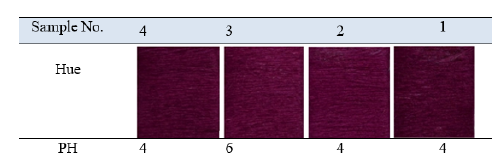
Table 6:Effect of dyeing- mordanting method on the color of samples.
Effect of Liquor ratio on the color of wool
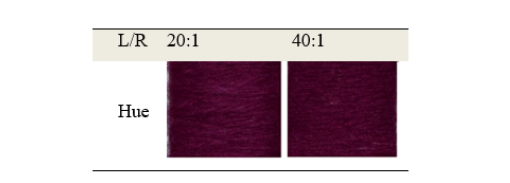
Table 7 demonstrated the effect of the Pan dye to liquor ratio (water). The liquor ratio affects the availability of dye. In the smaller volume of the dyeing bath, more dye is available directly to the yarn; the color of pan dyed wool yarns decreased with increasing the liquor ratio, and this may be due to a smaller number of dye molecules available with increased quantity of water for the same weight of wool. As visual results show, the change of liquor ratio does not have a significant effect on the color intensity; then, for more uniformity, the use of L/R = 40:1 is recommended.
Table 7:Effect of liquor ratio on the color of samples.
The color strength of the dye Pan
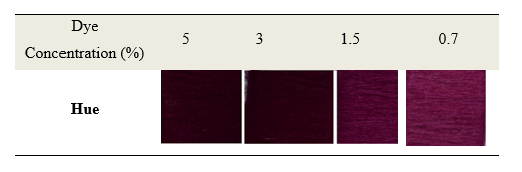
The results of different dye concentration hues are given in Table 8. The results show that Pan has a very high dyeing ability; in low concentrations of dye, a suitable and acceptable hue is obtained. The results of Table 8 show purple color for using 0.7% to 1.5% concentration of dye, and crimson shade with 3 and 5% of dye concentration. It means the use of Pan dye more than 3% has had very little change on the hue; therefore, the use of dye concentration greater than 3% is not recommended.
Table 8:Effect of dye concentration on the color of samples
Effect of dye bath pH
Table 9:Effect of dyeing bath pH on the color of samples and the washing and staining fastness.
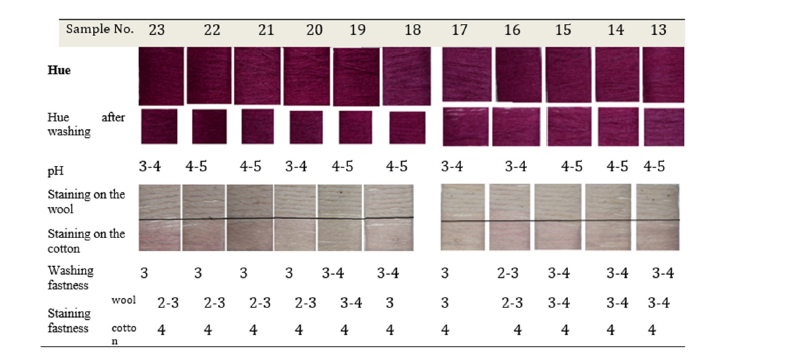
Color strength of different acids and concentrations of acid (pH) on the final shade obtained from Pan dye are shown in Table 9. The color of the samples shows that increasing the concentration of acetic acid (samples 13 and 14) improves the color intensity slightly. Also, the washing fastness results of these samples show that increasing the amount of acid did not have much effect on the washing and staining fastness of wool and cotton yarn.
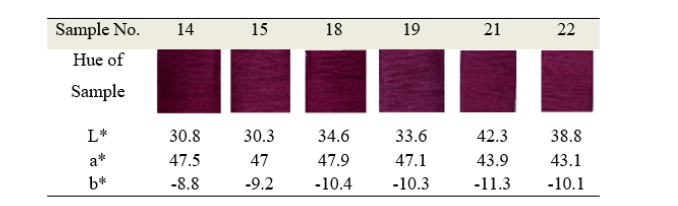
The results obtained using lactic acid indicate that increasing the acidity of the dye bath produces a darker shade; however, it decreases the washing and staining fastness of wool yarn, while the staining fastness of cotton yarn remains unchanged. A comparison between Samples 19, 20, and Samples 15, 16, reveals that an increase in pH slightly enhances the washing and staining fastness of wool yarn. The findings further demonstrate that the type of acid and the pH of the dye bath have minimal influence on the hue of the dye. Moreover, comparison among Samples 14, 18, and 21 shows that higher dye concentrations lead to a reduction in washing and staining fastness. Overall, the washing and staining fastness of this dye system is not satisfactory. The light fastness results are presented in Table 10. Between Samples 14 and 15, which differ in mordant concentration, Sample 14 appears darker, whereas Sample 15 exhibits stronger blue and red tones. The results also indicate that higher mordant concentrations (as seen in Samples 14, 18, and 21 compared to Samples 15, 19, and 22) enhance color intensity and that an increase in dye concentration leads to greater redness. Negative b* values reflect the tendency of the Pan dye to produce a purplish-bluish-red hue. Doubling the dye concentration, as in Samples 14 and 22, results in only a minor change in color strength. It can be concluded that increasing the mordant concentration from 10% to 15% has little effect on dye absorption. The corresponding colorimetric data are summarized in Table 11.
Table 10:The effect of type and acid concentration on the color of samples after exposure to the light.
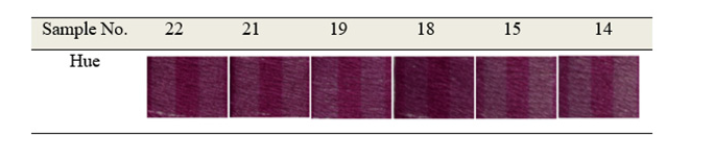
Table 11:Influence of dyeing parameters on color characteristics of wool yarn dyed with Pan.
Effect of mordant
Table 12:Effect of mordant concentration on the color of samples.
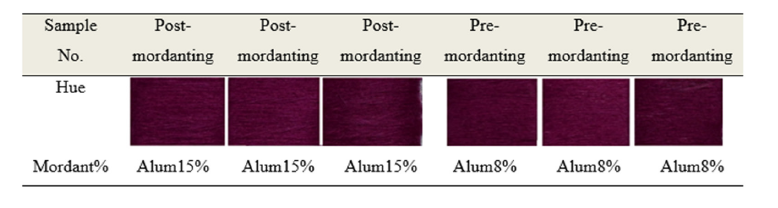
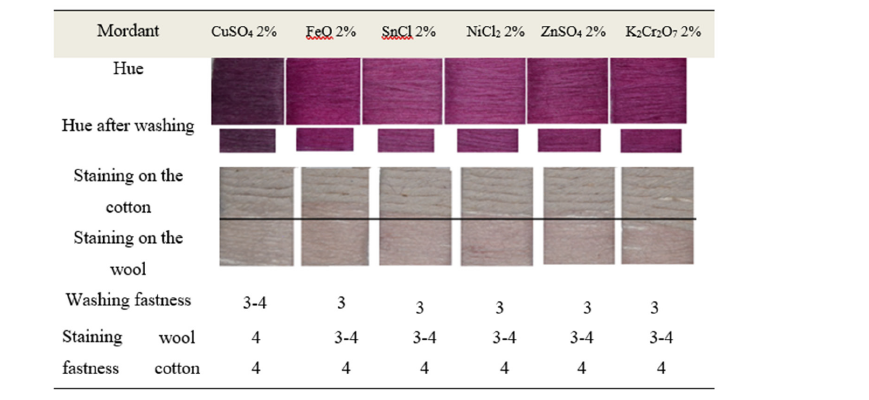
Preliminary results revealed that the application of 4% mordant in dyeing with Pan dye did not yield satisfactory washing fastness. Subsequently, the concentration of white alum mordant was increased to 8%, 12%, and 15%. However, increasing the mordant concentration from 8% to 12% and finally to 15% did not produce a significant improvement in the washing or staining fastness of the samples. The results concerning variations in mordant concentration and mordanting methods are summarized in Table 12. Comparison of the color shades presented in Table 13 indicates that the use of tin mordant resulted in a bright purple hue, whereas potassium dichromate produced a duller purple tone. A general review of the findings suggests that altering the type of mordant causes only slight variations in color intensity and shade. This behavior is consistent with that of many natural dyes, where the shade produced by Pan dye is similarly influenced by the mordant type. In general, tin mordant has been reported to enhance color luster in natural dyeing [12]. The results further indicate that using higher concentrations of mordant improved light fastness to some extent; however, the overall light fastness of Pan dye remained low. Increasing the concentration of aluminum mordant produced a moderate improvement in light fastness. The use of natural or synthetic light stabilizers could potentially enhance the light stability of Pan-dyed fabrics. Analysis of the washing fastness data shows that variations in mordant type had minimal influence on the washing fastness of the samples. As presented in Table 13, the dye sample treated with potassium dichromate displayed slightly better washing fastness compared with those treated with other mordants.
Table 13:Effect of mordant types on the color of samples and the fastness of washing and staining.
The efficacy of bio-mordant on fastness
The washing fastness results indicated that the use of metal mordants did not yield satisfactory outcomes for the dyed samples. Therefore, bio-mordants-including henna, aloe vera, eucalyptus, and chitosan-were evaluated to enhance washing fastness. As presented in Table 14, the shade produced by using tannin-rich plant mordants appeared duller, whereas chitosan and aloe vera did not significantly alter the primary hue of the Pan dye. In traditional natural dyeing processes, tannin-containing materials such as pomegranate peel and walnut husk are often employed to reduce color luster; therefore, the softening or dulling of the purple tone observed with henna or eucalyptus mordants may be desirable for certain handicraft applications. Analysis of the washing and staining fastness data in Table 14 shows that plantbased mordants markedly improved the fastness properties of the dyed samples. Similar findings have been reported by other researchers [16,20], who attributed the enhanced fastness to the formation of a more stable complex between the fiber, mordant, and dye molecules. Overall, plant-derived mordants such as henna, aloe vera, eucalyptus, and chitosan improved the washing and staining fastness of the samples, with chitosan and aloe vera maintaining the original shade, while tannin-based mordants slightly subdued the color intensity.
Table 14:Effect of bio-mordant on the dyeing fastness.
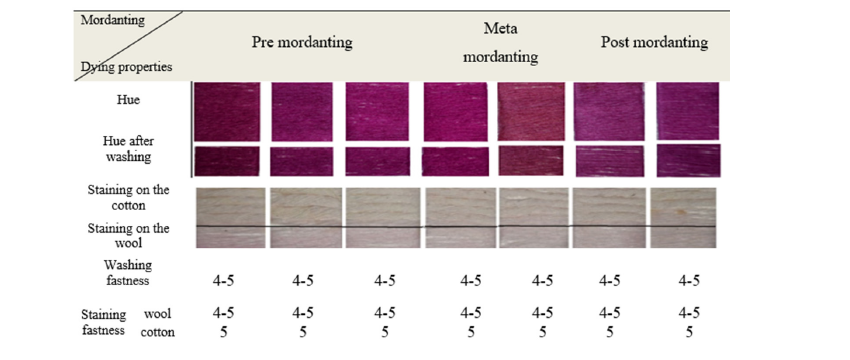
The observed improvement in washing fastness of samples dyed with bio-mordants indicates that bio-mordants have a more pronounced effect than mineral mordants. The stronger fastness can be attributed to the formation of a stable complex between the fiber, mineral and/or bio-mordant, and the dye. The numerous hydroxyl groups and cyclic structures present in eucalyptus, henna, chitosan, and aloe vera likely facilitate the formation of a stable fiber-plant-dye complex, even in the presence of a small amount of mineral mordant, as reported in previous studies [15]. The interaction of tannic acid in henna and eucalyptus with metal mordants (considering Pan dye itself may act as a metal mordant) is illustrated in Figure 7. Similarly, the polyhydroxy structure of aloe vera contributes to an increased number of bonds between the fiber, mordant, and dye, enhancing the overall fastness. Despite the significant improvement in washing and staining fastness, natural mordants exhibited limited impact on light fastness. However, a comparison of the results in Tables 9&14 indicates a slight enhancement in light fastness due to the use of bio-mordants. This observation aligns with previous suggestions that light stabilizers can improve light fastness, as aloe vera, which possesses lightprotective properties, was able to enhance light fastness to some extent (Table 15).
Table 15:Effect of light exposure on the Color of bio-mordanted dyed samples.

The effect of temperature on dyeing
Temperature is a key factor influencing the dyeing process, as it affects fiber swelling and dye uptake. The effect of dyeing temperature on the color shade of the samples is presented in Table 16. At low ambient temperatures (20 °C), Pan dye exhibits low absorption and produces a pale color with minimal depth. As the temperature increases, dye uptake improves, resulting in progressively more intense shades. At room temperature, the dyed samples display a pale pink hue, whereas higher temperatures yield richer, more vibrant colors, culminating in a deep magenta shade near the boiling point. Overall, the data indicate that increasing temperature enhances dye absorption, with the highest color intensity observed at elevated temperatures. Table 16, illustrating the effect of temperature on dyeing.
Table 16:Effect of temperature on the color of samples.

Effect of solvent on the dye extraction process
The effect of different extraction solvents on the color shade of Pan dye is presented in Table 17. The results indicate that extraction with water and methanol yields greater color depth than extraction with water and ethanol. However, both extraction methods produce significantly lower color intensity compared to the direct use of Pan dye powder. Therefore, for optimal dyeing results, the use of the dye powder is recommended. This behavior can be attributed to the higher solubility of metal compounds, such as sodium, magnesium, and aluminum, in polar solvents like water, compared to solvents of lower polarity, such as ethanol or methanol [21].
Table 17:Effect of dye extracted with different solvents on the color of samples.

Colorimetric results
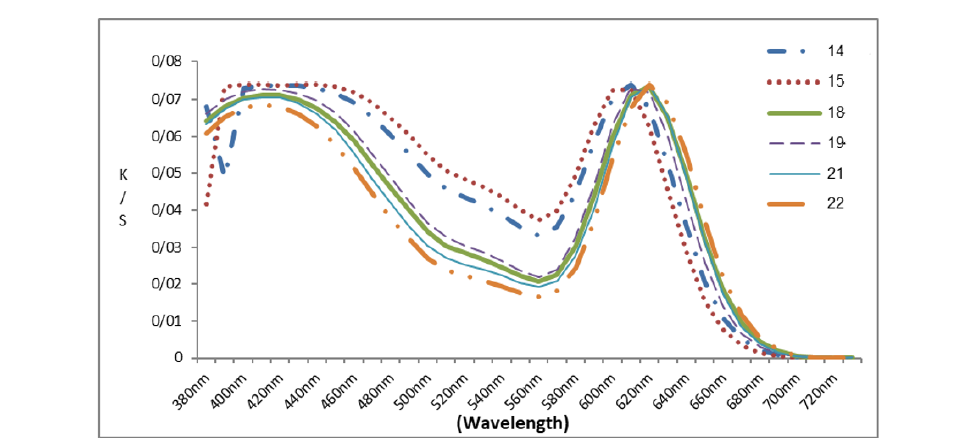
Reflection values were measured in the range of 380-720nm at 20nm intervals. The spectrum shown in Figure 8 exhibits two absorption maxima, corresponding to the red and blue components of the dye. Specifically, the maximum at 400nm corresponds to blue, while the maximum at 620nm corresponds to red. The presence of two distinct absorption maxima indicates that Pan dye is sensitive to hue changes, which are likely influenced by bathochromic, hypochromic, and solvatochromic effects. The observed variations in hue and color intensity of Pan dye, resulting from changes in acid type and dyeing temperature, can be attributed to these effects [22].
Figure 8: Color strength (K/S) of dyed wool yarns with Pan.
Mechanical measurement results
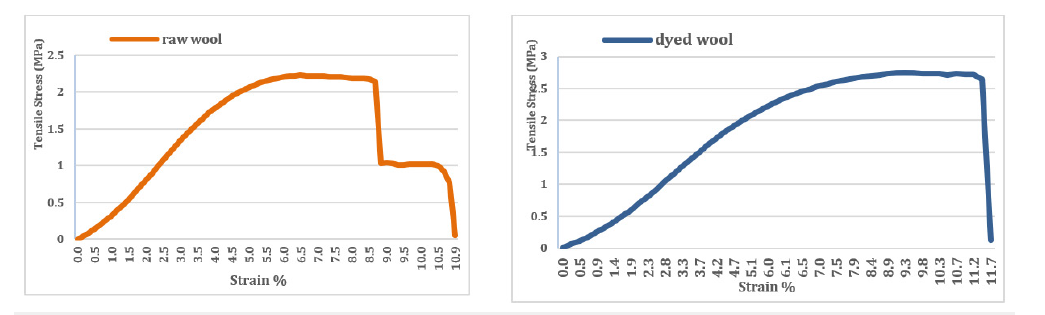
To study the role of Pan dye used in dyeing on the tensile strength of wool yarn samples, the tensile strength of dyed yarn samples with raw yarn samples was measured and compared. The average of the measurement results, which were repeated 5 times, is shown in Figure 9. As shown in the diagram, the use of a mordant has increased the strength and the amount of elongation. The formation of covalent bonds between the mordant, the dye, and the yarn may have increased the strength of the wool fiber molecular chains. The presence of a complex with a larger molecular size (dye-mordant) in the molecular chain has created a stronger structure that has increased elongation. The results showed that the elongation at break point was 12.66% for the dyed yarn sample and 11.15% for the raw wool yarn sample.
Figure 9: Stress -strain curve of dyed wool yarn and raw wool yarn.
Conclusion
The present study was conducted with the introduction of Pan mineral dye for dyeing textiles. The experimental results showed that, firstly, this dye can be used as a natural dye. In the study of dyeing variables, it was found that with very low dye concentrations, deep shades of purple can be achieved on woollen products. Pan exhibits dyeing performance comparable to cochineal, a traditional animal-based natural dye. Increasing the dyeing temperature to near boiling enhanced color intensity, and aqueous extraction is more efficient as compared to ethanol or methanol, indicating high solubility of Pan in water. Using Pan dye directly in dyeing also improved color uptake compared to solution-based extracts. Increasing mordant concentration from 10% to 15% did not significantly enhance dye absorption, but it improved tensile strength and elongation at break of wool yarns. The presence of two maximum wavelengths in the reflection spectrum demonstrated the dye’s color sensitivity and potential for producing diverse purple shades. The use of bio-mordants improved washing and staining fastness to acceptable levels, though light fastness remains limited, suggesting the need for further investigation. Overall, Pan dye, with its eco-friendly characteristics, represents a promising, sustainable, and cost-effective alternative for wool coloration in natural dyeing applications.
Acknowledgment
The Iran University of Art has supported this research work.
References
- Shahid M, Shahid-ul-Islam, Faqeer M (2013) Recent advancements in natural dye applications: A review. Journal of Cleaner Production 53: 310-331.
- Guha AK (2019) A review on sources and application of natural dyes in textiles. International Journal of Textile Science 8(2): 38-40.
- Sohrabi S, Ahmadi Z (2021) Quality of woolen yarn dyed with madder and weld in the presence of citrus fruit. Journal of Apparel and Textile Science and Technology 10(4): 1-22.
- Mortazavi SM, Kamali Moghaddam M, Safi S, Salehi R (2012) Saffron Petals A by-product for dyeing of wool fibers. Prog in Color Colorants Coat 5: 75- 84.
- Adeel S, Salman M, Bukhari SA, Karrem K, Rehman FU, et al. (2018) Eco-friendly food products as a source of natural colorant for wool yarn dyeing. J Nat Fibers 17(5): 635-649.
- Abdeldaiem MH (2013) Use of red pigment extracted from eggplant (Solanum melongena) peels as natural antioxidant and colorant. J Nuclear Technol Appl Sci 1(1): 7-20.
- Pranta AD, Rahaman T (2024) Extraction of eco-friendly natural dyes and bio-mordants for textile coloration: A critical review. Nano-Structures & Nano-Objects 39: 101243.
- Ahmadi Z, Gholami Houjeghan F (2017) Evaluation of color sensitivity to dyeing parameters in natural dyeing with anthocyanin. J of Textile and Polymer 5(2): 97-102.
- Gumrukcu G, Üstun Özgur M (2011) Effect of tannic acid and metal salts on dyeing of woolen fabrics with red onion (Allium cepa). Asian J of Chemistry 23(4): 1459-1466.
- Ahmad Khana A, Iqbala N, Adeel S, Azeem M, Batoo F, et al. (2014) Extraction of natural dye from red calico leaves: Gamma ray assisted improvements in color strength and fastness properties. Dyes and Pigments 103: 50-54.
- Dewa Ketut S, Maryam S, Nyoman S (2016) Natural dyeing of silk and cotton fabric with red pigment from Panicillium purpurogenum which is Isolated from Goat Milk Contaminated Soil. J of Natural Sciences Research 6(22): 32-37.
- Atalla MM, El-khrisy EAM, Youssef YA, Asem Mohamed A (2011) Production of textile reddish brown dyes by fungi. Malaysian Journal of Microbiology 7(1): 33-40.
- Rajendran R, Thamarai Selvi B (2014) Natural dyeing of cotton fabrics with pigment extracted from Roseomonas Fauria. Universal Journal of Environmental Research and Technology 4(1): 54-59.
- Samanta SP, Konar A, Muhopadhyay A (2024) Colorimetric characterisation and process standardisation for application of natural dyes on textiles: A research review. Advances in Colorimetry, IntechOpen, , London, pp: 1-39.
- Ahmadi Z (2020) Effect of biomordants in natural dyeing of wool with madder and weld. Colour Science and Technology 2: 41-58.
- Imani H, Gharanjig K, Ahmadi Z (2023) Eco-friendly single bath dyeing of wool yarns with extracted cochineal dye: Optimization and additives effect. Pigment & Resin Technology 52(3): 321-330.
- Mishra PK, Singh P, Gupta KK, Tiwari H, Srivastava P (2012) Extraction of natural dye from Dahlia variabilis using ultrasound. Indian J of Fiber & Textile Research 37: 83-86.
- Karadag R (2023) Cotton dyeing with cochineal by just in time extraction, mordanting, dyeing, and fixing method in the textile industry. J of Natural Fibers 20(1): 1-11.
- Feng L, Ren L, Zhao Y, Dong C, Zhang H (2023) Sustainable dyeing of wool yarn with Monascus pigments in non-aqueous medium. The J of the Textile Institute 114(10): 1550-1556.
- Adeel S, Zuber M, Rehman FU, Mahmood Zia K (2018) Microwave-assisted extraction and dyeing of chemical and bio-mordanted cotton fabric using harmala seeds as a source of natural dye. Env Sci Poll Res Int 25: 11100-11110.
- Vollhardt P, Schore N (1998) Organic Chemistry. In: Mir Mohamad Sadeghi M (Ed.), Noorpardazan Press.
- Ahmadi Z, Shayegh N (2013) Effectual parameters on the natural dyeing process. Journal of Textile & polymer 3: 65-69.
© 2026 Zahra Ahmadi. This is an open access article distributed under the terms of the Creative Commons Attribution License , which permits unrestricted use, distribution, and build upon your work non-commercially.
Editor In Chief







.jpg)































Signup for Newsletter

Quick Links
 Editorial Board Registrations
 Submit your Article
 Best Paper of the Volume
 Reprints
 Refer a Friend
 Advertise With Us
Our Recent Edition

.jpg)



Top Editors




.jpg)

















.bmp)
.jpg)
.png)
.jpg)













.jpg)






.png)

.png)




.png)




Financial Support

Sponsors

Latest e-Books

Latest Video

 a Creative Commons Attribution 4.0 International License. Based on a work at www.crimsonpublishers.com.
Best viewed in
a Creative Commons Attribution 4.0 International License. Based on a work at www.crimsonpublishers.com.
Best viewed in 
 | Above IE 9.0 version