

- About Us
- Information
-

The Author ensures that the research has been conducted responsibly and ethically with adherence to all relevant regulations. read more..
- For Authors
- For Reviewer
- Manuscript Guidelines
- Membership
- Publication Ethics
-
- Journals
- Reprints
- e-Books
- Videos
- Policies
- Contact Us
 COVID-19
- Submissions



Full Text
Environmental Analysis & Ecology Studies
Integrated Spatial Database and Network Analysis for Solid Waste Collection Optimization in Yaoundé, Cameroon
Abel Tsolocto1*, Buji Nongsi Kindness2 and Usongo Patience3
1University of TELUQ, Montreal, Canada
2University of Yaoundé I, Department of Geography, Cameroon
3University of Buea, Cameroon
*Corresponding author:Abel Tsolocto, University of TELUQ, Montreal, Canada
Submission: March 26, 2026; Published: May 29, 2026

ISSN 2578-0336 Volume13 Issue 4
Abstract
Rapid urbanization in Sub-Saharan Africa has widened the gap between household waste generation and municipal collection capacity, yet no prior study has validated a fully integrated workflow linking relational database management with geographic information system-based network optimization for waste pre-collection in a data-poor African urban context. This study develops, implements, and empirically validates such a framework in Zone F of Yaoundé, Cameroon, by coupling a Microsoft Access database with an ArcGIS geodatabase for real-time bidirectional synchronization of household-level spatial and attribute data. Multi-source data, including sub-meter QuickBird imagery, GPS field surveys with positional accuracy of approximately 3-5m, structured household questionnaires, and institutional archives, were subjected to positional verification, topological validation, and attribute completeness audits. Network analysis was then applied to optimize both manual wheelbarrow-based and motorized collection routes, with outputs compared against GPS-tracked agent paths.
Results demonstrate substantial route optimization gains consistent with the 20-30% efficiency benchmarks reported in the literature. Customer profiling of 97 households revealed structural inequities in service access, with non-subscribers concentrated among tenants and residents of hard-to-reach neighbourhoods. A daily collection deficit of approximately 741kg, representing 19.1% of zone-wide generation, was quantified, while network-based bin distances averaged 223.6m. The study contributes a novel database-geographic information system architecture for data-constrained cities, quantifies environmental co-benefits including reduced carbon emissions, and embeds socioeconomic equity analysis within the optimization system. The modular, platform-agnostic design supports phased city-wide scaling and integration with Internet of Things tools, cloud databases, and predictive analytics. The framework offers a transferable blueprint for municipalities across the Global South.
Keywords:Geographic information system; Spatial database integration; Network analysis; Route optimization; Waste pre-collection; Service equity; Urban resilience; Yaoundé; Cameroon
Introduction
Rapid urbanization in Sub-Saharan Africa is generating unprecedented pressures on municipal solid waste management systems, with direct consequences for public health, environmental quality, and long-term urban resilience [1,2]. By 2050, the region’s urban population is projected to more than double, yet waste collection coverage remains below 50% in most cities, threatening progress toward SDGs 11 and 13 [3,4]. Traditional collection approaches suffer from chronic inefficiencies-incomplete coverage, route redundancies, high operational costs-amplified by poorly maintained road networks, limited fleets, and the absence of systematic data on household locations and service patterns. Manual planning based on ad hoc local knowledge results in inequitable service distribution, leaving tenants, informal settlement residents, and peri-urban communities disproportionately underserved [5,6].
Geographic Information Systems (GIS) and network analysis offer transformative potential for modernizing waste logistics, with demonstrated 20-30% reductions in collection distances, significant cost savings, and measurable emissions decreases in the Global North [7,8]. Yet adoption in Sub-Saharan African cities has been constrained by limited high-resolution spatial data, weak institutional capacity, and high proprietary system costs-creating a persistent digital divide in urban service delivery [9,10].
Despite growing interest, the empirical literature reveals a critical gap: no study to date has demonstrated a fully integrated, end-to-end workflow linking relational database management to GIS-based network optimization for household waste pre-collection in a data-poor Sub-Saharan African urban context. Existing research addresses isolated dimensions-route planning, waste mapping, or spatial visualization-without combining these within a unified data architecture supporting dynamic updating and iterative decisionmaking [6,11]. Furthermore, socioeconomic dimensions of service access remain insufficiently integrated into spatial optimization frameworks [12,13].
This study addresses these gaps through three interrelated contributions: (1) a seamless ODBC-linked data pipeline connecting Microsoft Access to ArcGIS for real-time synchronization of geometric and attribute data-an architecture not previously validated for waste management in Sub-Saharan Africa; (2) advanced network analysis optimizing both manual and motorized collection routes with empirical pre- versus post-optimization comparison; and (3) spatially explicit socioeconomic profiling identifying service exclusion patterns and informing equitable policy interventions aligned with SDGs 11 and 13. The objectives are to design an updatable spatial database, apply network analysis to optimize routes under local constraints, and propose an integrated, replicable system for sustainable waste pre-collection. By validating the framework through a real-world pilot in Zone F, Yaoundé, the study provides a transferable blueprint for Sub- Saharan African cities confronting analogous challenges.
Literature Review
GIS in solid waste management
GIS has evolved into a pivotal technology for urban waste management, enabling municipalities to map waste hotspots, optimize bin placements, monitor illegal dumping, and plan collection routes [14,15]. Recent advances couple GIS with IoT sensor networks, mobile platforms, and vehicle GPS tracking to create dynamic, demand-responsive systems [7,10]. However, transfer to Sub-Saharan African contexts has been uneven: most applications remain confined to single-function analyses without embedding them within integrated, operationally sustainable data infrastructure. Chronic barriers-fragmented data, limited institutional capacity, high software costs-constrain adoption [5,9]. In Cameroon, pioneering studies [16,17] demonstrated GIS proofof- concept applications but did not produce integrated end-to-end workflows for real-time operational decision-making.
Database-GIS integration and network analysis
Effective GIS requires robust DBMS for data integrity, multi-user access, and cost-efficient updating [18]. ODBC provides seamless bidirectional synchronization between DBMS and GIS platforms, supporting real-time decision support without data duplication [16]. Yet most Sub-Saharan African waste management studies treat database management and GIS as disconnected stages, introducing version-control errors and preventing iterative scenario modeling [6,11]. Route optimization through network analysis can reduce collection distances by 20-30%, with proportional savings in fuel, labor, and fleet-associated CO₂ emissions [7,8,12]. However, earlier Yaoundé studies conducted network analysis as standalone exercises without comparing optimized routes against empirical field data [16,19].
Socioeconomic dimensions and research gap
GIS extends beyond logistics into socioeconomic assessment of service access inequities and environmental monitoring [20,21]. In Sub-Saharan African cities, where socioeconomic stratification maps onto spatial accessibility, spatially explicit profiling is essential for inclusive waste governance [22,23]. However, most studies treat logistics, socioeconomic analysis, and environmental assessment as separate analytical tracks [12,13]. Four critical gaps define this study’s contribution space: (1) no demonstrated end-toend ODBC-linked database-GIS workflow for waste pre-collection in data-poor Sub-Saharan Africa; (2) no systematic pre-versus post-optimization comparison against empirical field data; (3) socioeconomic profiling not embedded within the optimization architecture; and (4) scalability and transferability underexplored. This study addresses all four gaps within a unified framework.
Study Context and Methodology
Study context and area description
Cameroon’s Vision 2035 places environmental hygiene at the center of its development strategy, yet in Yaoundé (population >4 million), the systemic inability to manage household waste has produced chronic pollution, recurrent flooding, and elevated disease incidence [17,22]. Under decentralization policies, the Yaoundé Urban Council contracts HYSACAM for waste collection, but HYSACAM’s large trucks cannot access the many quarters with narrow, unpaved, or steep roads. Community-based enterprises such as GIC Le Vert provide pre-collection services in these gaps, deploying manual (wheelbarrow) and motorized agents. However, GIC Le Vert operates without systematic spatial data, evidencebased route planning, or integrated database infrastructure.
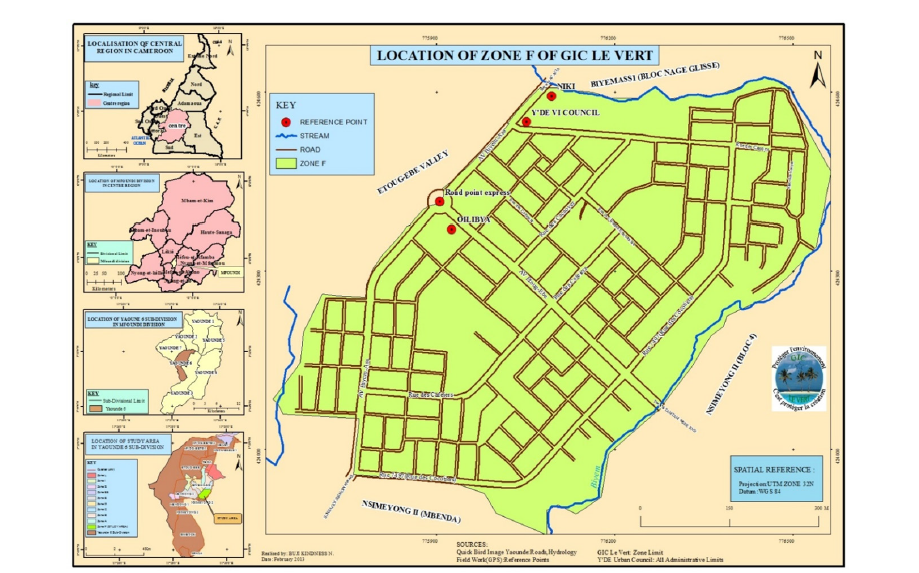
Zone F, located in Biyem Assi, Yaoundé VI Sub-Division (3°49’52″-3°50’18″ N; 11°28’55″-11°29’25″ E; ~0.41km²), was selected as a representative pilot site for its heterogeneous urban morphology, mixed socioeconomic strata, and dual formal-informal road infrastructure. The undulating terrain (685-715m a.s.l.) with steep gradients, sub-equatorial climate with four distinct seasons, and predominantly residential land use with informal economic activity are broadly representative of Central and West African cities (Figure 1).
Figure 1:Location of Zone F within Yaoundé-Cameroon.
Data acquisition and quality assurance
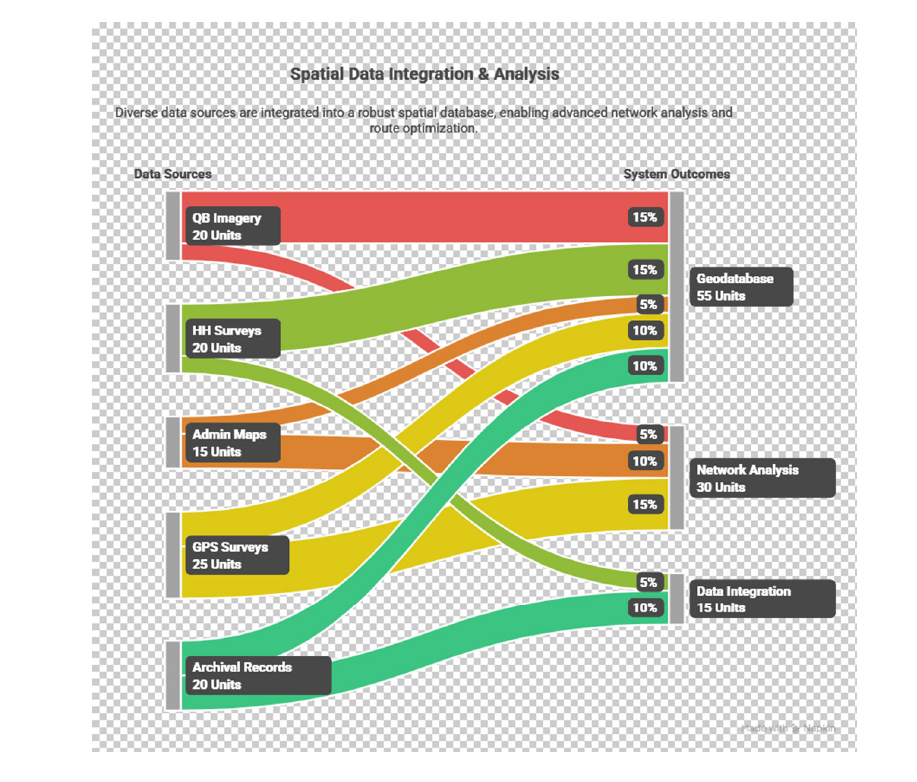
A multi-source data acquisition strategy combined remote sensing, GPS field surveys, structured household questionnaires, and archival review (Table 1). This triangulation mitigates the documented limitations of single data streams in data-scarce Sub- Saharan African environments [9,11].
Table 1:Summary of data sources, instruments, and roles.

Rigorous quality assurance comprised: (a) spatial accuracy verification by cross-referencing GPS points against satellite imagery (>5m offset flagged for re-verification; RMSE calculated); (b) topological integrity checks using ArcGIS topology rules to detect and correct dangling nodes, undershoots, and disconnected segments; and (c) attribute completeness audits validating one-toone correspondence of unique household identifiers across Access and ArcGIS, with mismatch rates documented and resolved.
Spatial database construction and ODBC integration
The spatial database was constructed in ArcGIS (version 10.x) as a geodatabase comprising household point locations, classified road network polylines, administrative boundary polygons, and collection infrastructure, all standardized to WGS 84/UTM Zone 32N. The critical innovation is the dynamic ODBC linkage between the ArcGIS geodatabase and a relational Microsoft Access database, enabling bidirectional real-time synchronization. The Access schema was structured around a primary key (unique household ID) linking demographics, subscription details, and agent assignments, with referential integrity constraints enforced. Synchronization was validated through controlled test updates confirming field-level consistency across platforms. The modular schema is compatible with QGIS, PostGIS, and PostgreSQL, reducing vendor lock-in.
Network analysis and route optimization
Network analysis was performed using ArcGIS Network Analyst. A network dataset incorporated edge attributes for segment length, estimated travel speed by road type (manual: 4-5km/h; motorized: 15-25km/h, calibrated against observed track data), and mode-specific restrictions for impassable segments. Two solvers were employed: the Route solver computed optimal collection paths returning total distance (km) and time (minutes); the Service Area solver delineated reachable extents from depot locations, identifying coverage gaps. Both were run under dualmode scenarios (manual and motorized). Optimized routes were compared against pre-optimization GPS field tracks, with key performance indicators including route distance, travel time, households served, coverage percentage, and unreachable zone identification. Where access gaps were detected, optimal secondary collection point locations were modeled to minimize maximum walking distance while maintaining vehicle accessibility. The entire workflow was documented for independent replication [10,24].
Figure 2 presents the validated data integration architecture. Real-time bidirectional synchronization between Access and ArcGIS via ODBC was confirmed, eliminating data duplication and version-control fragmentation characteristic of conventional workflows [11,17]. The modular design supports future migration to cloud-hosted or open-source environments.
Figure 2:Data integration workflow: Acquisition → Cleaning → DBMS (Access) + ODBC → GIS (ArcGIS) → Analysis → Outputs.
Results
This section presents the empirical outputs of the integrated spatial database-network analysis framework applied to solid household waste pre-collection in Zone F, Yaoundé.
Data architecture and spatial context
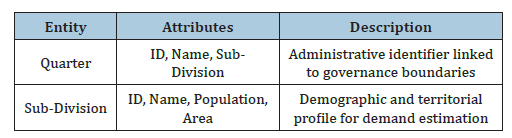
The road network database (Table 2) classifies segments by surface type (tarred, untarred, footpath), width, and vehicle accessibility-the topological foundation for all network analysis operations. Administrative quarter and sub-division attributes (Table 3) enable disaggregation by governance unit for equitable service planning.
Table 2:Road network attribute structure for Zone F.

Table 3:Administrative quarter and sub-division attributes.
Household and customer profiling
Table 4 presents the customer distribution by type. Landlords constitute the dominant segment (52.6%) with highest subscription stability, while tenants (37.1%) exhibit higher turnover, and service-sector clients (10.3%) generate disproportionately higher per-unit waste volumes-patterns consistent with literature on homeownership as a predictor of waste service participation in African cities [22,23].
Table 4:Customer distribution by type (n=97).

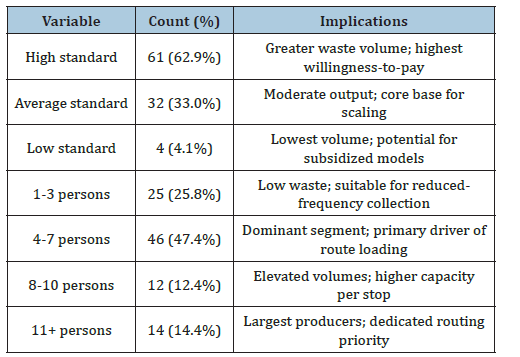
Table 5 disaggregates households by housing standard and size. High-standard housing predominates (62.9%) among subscribers, indicating a positive correlation between housing quality and service uptake. The 4-7-person bracket (47.4%) is the modal demand driver, while households with 11+ members (14.4%) constitute concentrated high-output demand nodes warranting prioritized allocation.
Table 5:Household standards and size distribution.
Spatial distribution and socioeconomic patterns
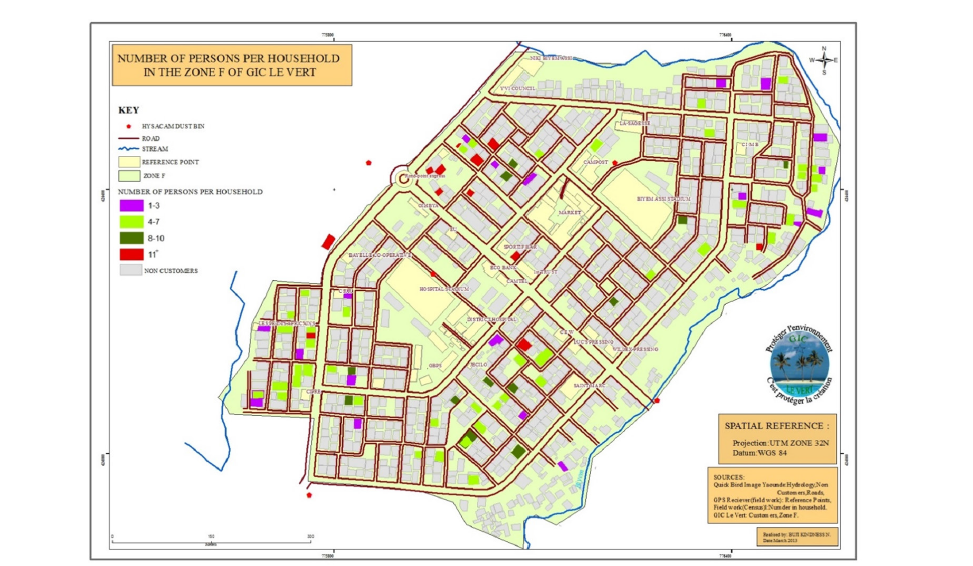
Figures 3-7 present a sequence of thematic maps translating customer profiles into georeferenced spatial intelligence. Figure 3 maps customer type distribution, confirming landlord concentration in central, well-connected quarters and tenant dispersion into narrower-access zones-underscoring a structural dimension to service coverage. Figure 4 plots precise customer coordinates, revealing non-uniform density with concentrations along accessible roads and thinning in peripheral areas. Figure 5 categorizes households by economic activity, showing sectoral concentrations mirroring land use patterns. Figure 6 overlays housing standards, confirming that high-standard residences concentrate centrally while lower-standard households at the periphery remain underserved. Figure 7 maps household size classes, revealing that the largest households (11+ persons) create localized demand peaks in both central and peripheral zones.
Figure 3:Types of customers and their spatial distribution in zone F. Adapted from the 2013 GIC le VERT project, with permission. The figure visualizes the concentrations and dispersion of different customer types. The obvious spatial clustering points to areas of high demand versus uncovered zones information essential for route optimization and marketing.
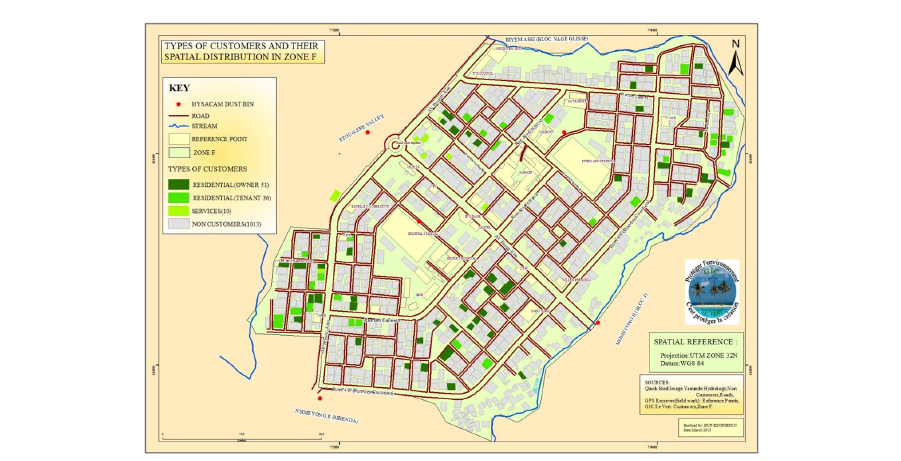
Figure 4:Types of customers and their spatial distribution in zone F. Adapted from the 2014 GIC le VERT project, with permission. The figure visualizes the concentrations and dispersion of different customer types. The obvious spatial clustering points to areas of high demand versus uncovered zones information essential for route optimization and marketing.
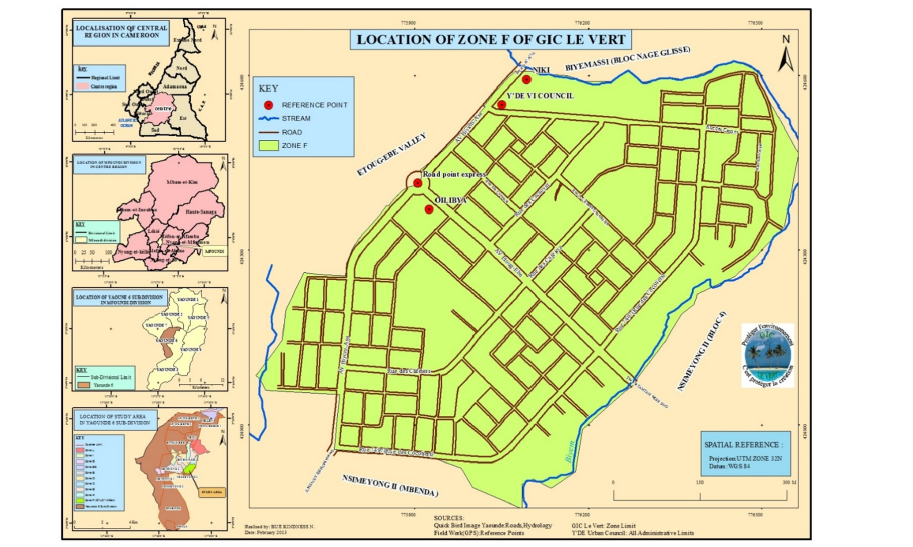
Figure 5:Types of customers and their spatial distribution in zone F. Adapted from the 2015 GIC le VERT project, with permission. The figure visualizes the concentrations and dispersion of different customer types. The obvious spatial clustering points to areas of high demand versus uncovered zones information essential for route optimization and marketing.
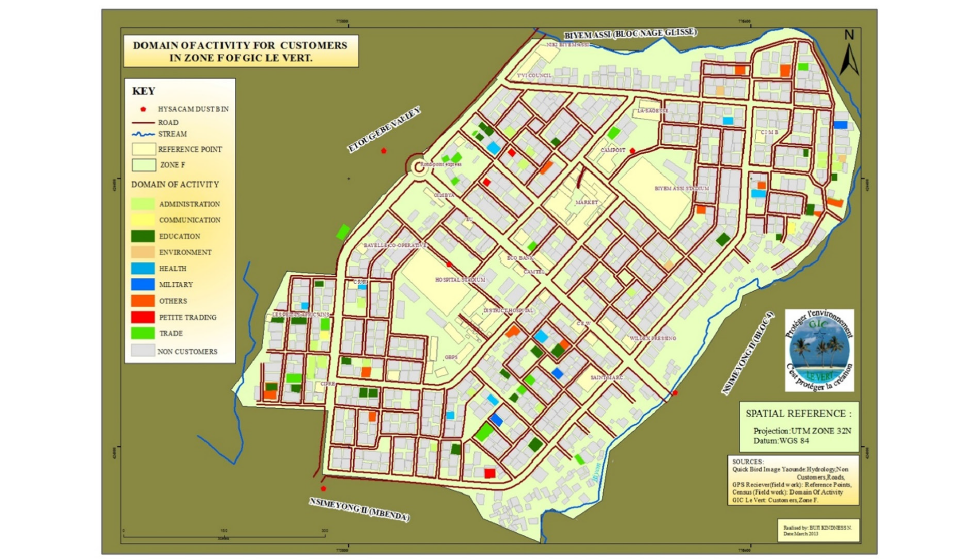
Figure 6:Types of customers and their spatial distribution in zone F. Adapted from the 2016 GIC le VERT project, with permission. The figure visualizes the concentrations and dispersion of different customer types. The obvious spatial clustering points to areas of high demand versus uncovered zones information essential for route optimization and marketing.
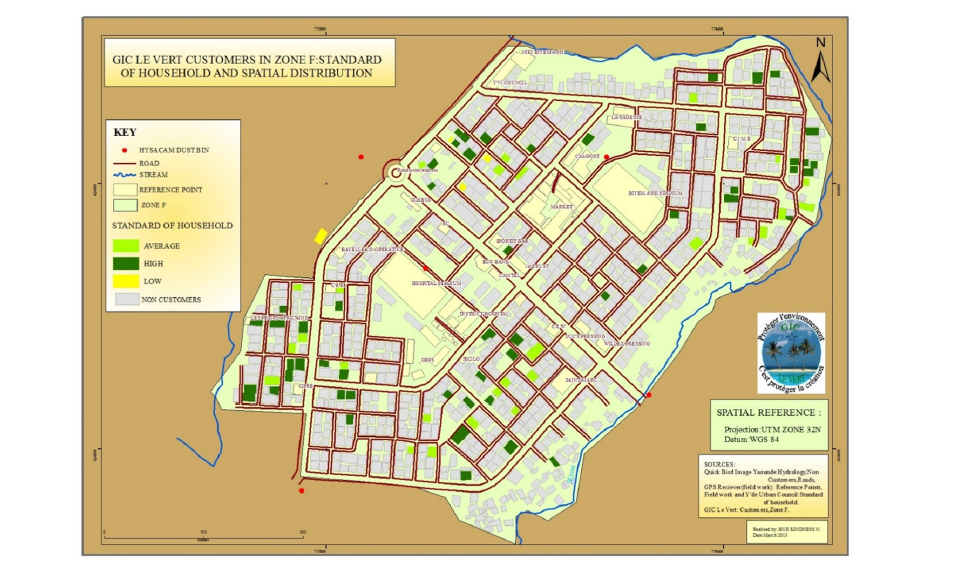
Figure 7:Types of customers and their spatial distribution in zone F. Adapted from the 2017 GIC le VERT project, with permission. The figure visualizes the concentrations and dispersion of different customer types. The obvious spatial clustering points to areas of high demand versus uncovered zones information essential for route optimization and marketing.
Service coverage and route optimization
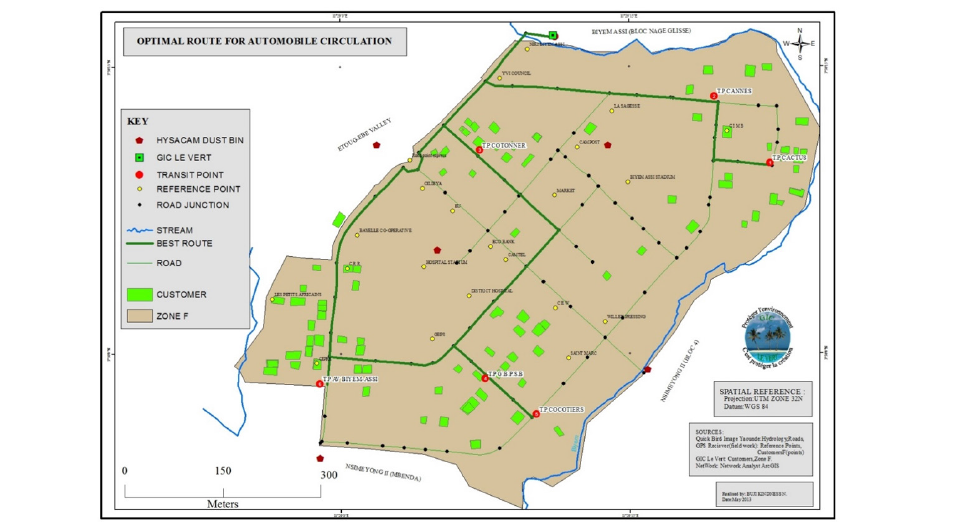
Figure 8 presents the GPS-tracked displacement path of a manual pre-collection agent, revealing significant redundancies and backtracking caused by narrow alleys, unpaved surfaces, and topographic constraints [19]. Figure 9 shows the GIS-optimized manual route, demonstrating substantial distance reduction and near-complete elimination of backtracking. Figure 10 extends the analysis to automobile-based collection, incorporating road width and surface restrictions-capturing the fundamental trade-off between motorized collection’s higher volume capacity and reduced spatial reach. Figures 11&12 present the consolidated optimal routes for manual and automobile-based service respectively, constituting directly implementable collection plans.
Figure 8:Types of customers and their spatial distribution in zone F. Adapted from the 2018 GIC le VERT project, with permission. The figure visualizes the concentrations and dispersion of different customer types. The obvious spatial clustering points to areas of high demand versus uncovered zones information essential for route optimization and marketing.
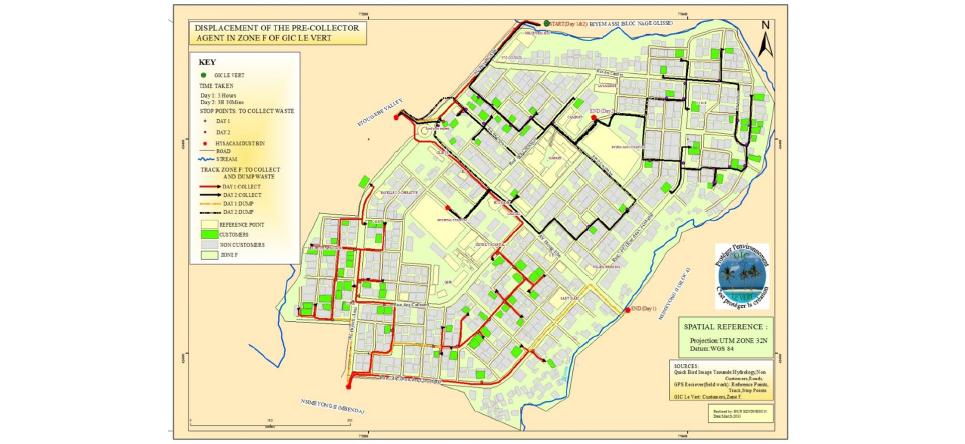
Figure 9:Types of customers and their spatial distribution in zone F. Adapted from the 2019 GIC le VERT project, with permission. The figure visualizes the concentrations and dispersion of different customer types. The obvious spatial clustering points to areas of high demand versus uncovered zones information essential for route optimization and marketing.
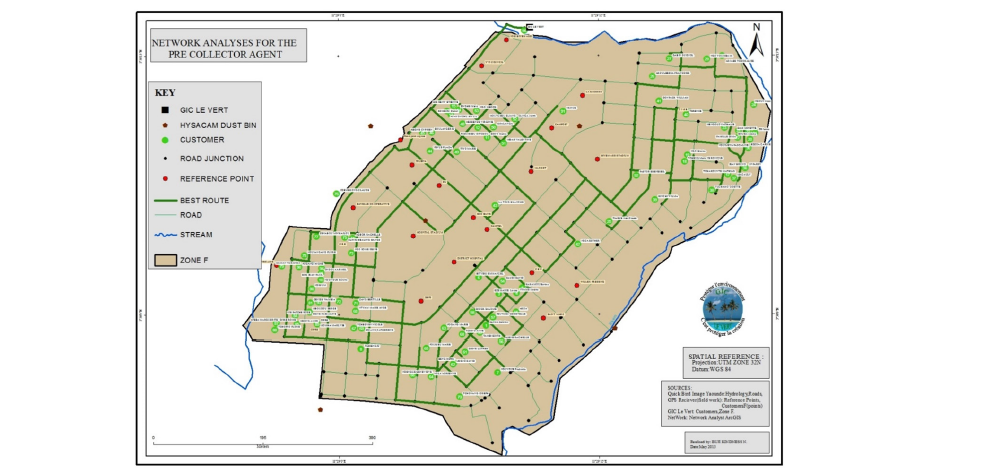
Figure 10:Types of customers and their spatial distribution in zone F. Adapted from the 20110 GIC le VERT project, with permission. The figure visualizes the concentrations and dispersion of different customer types. The obvious spatial clustering points to areas of high demand versus uncovered zones information essential for route optimization and marketing.
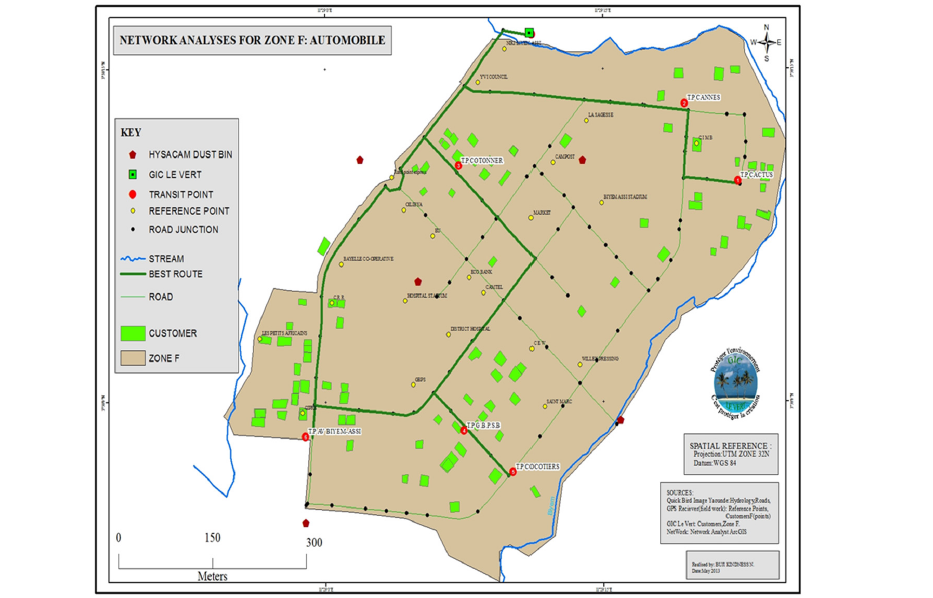
Figure 11:Types of customers and their spatial distribution in zone F. Adapted from the 20111 GIC le VERT project, with permission. The figure visualizes the concentrations and dispersion of different customer types. The obvious spatial clustering points to areas of high demand versus uncovered zones information essential for route optimization and marketing.
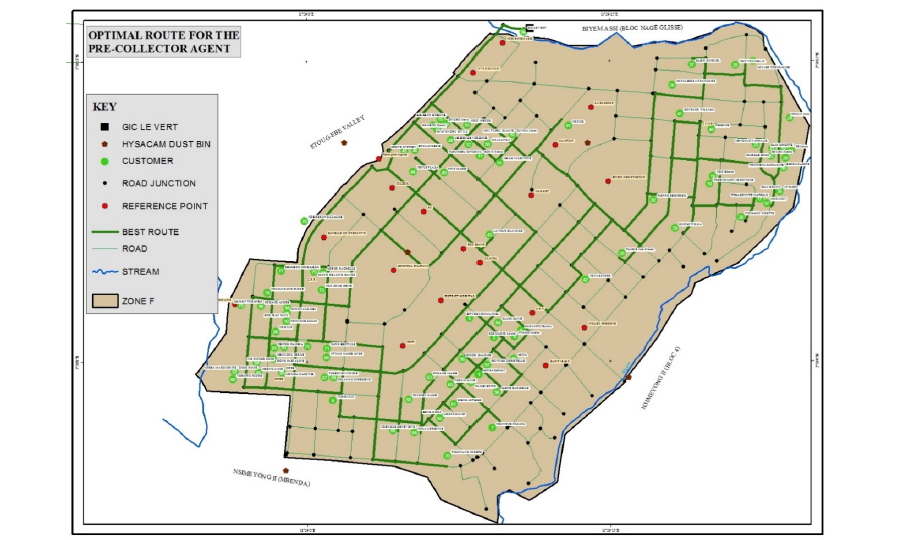
Figure 12:Types of customers and their spatial distribution in zone F. Adapted from the 20112 GIC le VERT project, with permission. The figure visualizes the concentrations and dispersion of different customer types. The obvious spatial clustering points to areas of high demand versus uncovered zones information essential for route optimization and marketing.
Quantitative service assessment
Table 6 reports network-based distances to communal bins, ranging from 180.8m (Marché) to 275.0m (Tam Weekend), with a zone-wide average of 223.6m. The Tam Weekend area represents a priority zone for additional infrastructure or intensified precollection.
Table 6:Network-based distances (m) to nearest HYSACAM bins./p>

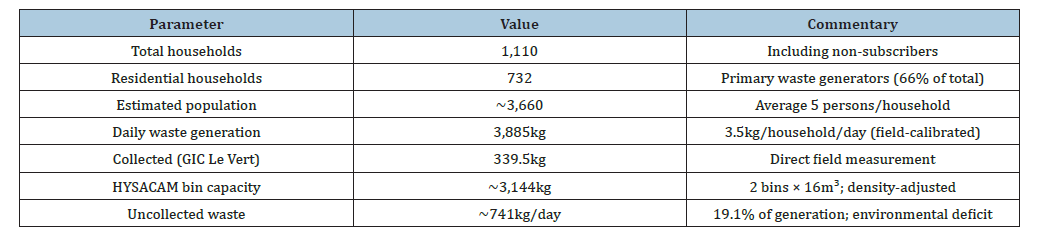
Table 7 synthesizes the waste generation and collection assessment. A daily deficit of approximately 741kg (19.1% of estimated generation) was identified, consistent with the 15-40% shortfalls typical of rapidly expanding Sub-Saharan African urban areas [25].
Table 7:Waste generation, collection capacity, and service deficit.
Comparison of modelled optimal routes against GPS field tracks confirms substantial reductions in total route distance for both modalities, consistent with international 20-30% benchmarks [7,12]. Strategic transit points were identified to bridge service gaps in physically inaccessible zones.
Discussion
Methodological innovation
The ODBC-linked database-GIS architecture demonstrated here represents a genuine methodological advance for datapoor Sub-Saharan African cities. Unlike prior studies that treated database management and spatial analysis as disconnected stages [6,11], the integrated pipeline enables rapid validation, iterative scenario modeling, and dynamic record updating within a single workflow. This end-to-end digital architecture, built on widely available commercial tools, establishes a reproducible template aligned with ESRI municipal frameworks yet adaptable to opensource alternatives. From the perspective of sustainable urban management, such digitally integrated workflows constitute foundational infrastructure for resilient cities-facilitating transparent monitoring, equitable resource allocation, and adaptive capacity under rapid demographic change [10,24].
Operational efficiency and environmental gains
Network analysis yielded substantial improvements in route planning and service coverage for both manual and motorized modalities, consistent with the 20-30% reduction benchmarks reported internationally [7,12,13]. These gains validate the transferability of GIS-driven optimization to challenging Sub- Saharan African contexts where road constraints amplify the value of any logistical improvement. Reduced travel distances translate into lower fuel consumption and estimated CO2 emissions-a contribution to urban climate mitigation (SDG 13) that remains poorly documented in Global South waste management literature [10]. Optimized routing also enabled more predictable collection schedules and targeted solutions for access gaps through strategic secondary collection point placement-a level of spatial granularity rarely achieved in comparable contexts.
Nevertheless, the 19.1% daily waste deficit underscores that routing efficiency cannot substitute for system-wide investments in fleet expansion, transfer infrastructure, and regulatory enforcement-an integrated approach central to SDG 11 [22,23].
Socioeconomic dimensions and urban resilience
Spatially explicit profiling illuminated pronounced service access inequities: non-subscribing households concentrate among tenants, lower-income groups, and hard-to-reach neighbourhoods, revealing a structural dimension to service exclusion with direct implications for urban resilience. Where collection fails to reach vulnerable populations, environmental and public health risks accumulate-flooding from drain blockage, vector-borne disease, water contamination [6]. Mapping these shortfalls at the neighbourhood scale supports targeted outreach, flexible pricing, and differentiated service models, aligning with SDG 11 and participatory governance frameworks [23]. The integrated GISdatabase system thus functions not merely as an optimization tool but as a strategic asset for adaptive urban governance with relevance beyond the waste sector [26-30].
Scalability and limitations
The modular, technology-agnostic architecture positions the framework for replication across Sub-Saharan African cities. The single-zone focus represents a deliberate piloting strategy: Zone F’s representativeness enables phased city-wide deployment, with preliminary cost-benefit estimates suggesting efficiency gains could offset marginal infrastructure investment. The framework is well positioned for integration with IoT fill-level sensors, cloud databases, machine learning-based predictive routing, and mobile customer feedback mechanisms [10].
Key limitations include: (a) single-zone scope requiring validation in peri-urban and informal settlement contexts; (b) challenges in maintaining current spatial data in rapidly evolving neighbourhoods; and (c) dependence on sustained cross-agency collaboration. Future research should prioritize longitudinal efficiency tracking, formal cost-benefit and carbon accounting analyses, and comparative cross-city studies across diverse African urban morphologies [31-33].
Conclusion and Recommendations
This study developed and validated an integrated spatial database-network analysis framework for solid household waste pre-collection in Yaoundé, Cameroon, addressing a critical gap in the urban sustainability literature. Three principal conclusions emerge. First, the ODBC-linked database-GIS architecture provides a dynamic, bidirectionally synchronized environment that eliminates the fragmentation of conventional workflows-a contribution not previously demonstrated in a comparable African urban context. Second, GIS-based network analysis yielded substantial route optimization gains consistent with international benchmarks, with environmental co-benefits including reduced fuel consumption and estimated CO2 emissions (SDG 13), though the 19.1% daily waste deficit confirms that routing efficiency alone cannot substitute for system-wide investment. Third, embedding socioeconomic profiling within the optimization architecture exposed structural service exclusion patterns-concentrated among tenants and hardto- reach populations-providing the evidence base for equitable, resilience-oriented interventions aligned with SDG 11.
Operationally, pre-collection enterprises should adopt the GISoptimized dual-mode workflow as standard infrastructure, with systematic GPS performance monitoring and phased institutional capacity building. At the policy level, municipal authorities should pursue zone-by-zone city-wide scaling anchored in formal costbenefit analysis, integrate equity metrics into waste service planning alongside efficiency indicators, and strengthen interagency data-sharing protocols. Aligning waste management investments with Cameroon’s NDCs under the Paris Agreement and SDG reporting frameworks would further strengthen the case for sustained public investment and climate finance access. For research, priorities include longitudinal durability assessment, rigorous carbon accounting, extension to peri-urban and informal settlements, integration with IoT and predictive analytics, and comparative cross-city studies within Cameroon and across the Central, West, and East African subregions.
The management of solid household waste in rapidly urbanizing Sub-Saharan African cities is a defining test of institutional capacity, environmental stewardship, and social equity. This study demonstrates that integrating spatial database management, network analysis, and socioeconomic profiling-using accessible, adaptable technologies-can produce robust improvements in both the efficiency and equity of waste services. The framework offers a transferable pathway for transforming waste management from an ad hoc activity into a data-informed component of sustainable urban development, accelerating progress toward the cleaner, healthier, and more resilient cities envisioned by the Sustainable Development Goals and the New Urban Agenda.
References
- Ivanova D, Stadler K, Steen-Olsen K (2023) Urbanization and municipal solid waste challenges in Sub-Saharan Africa. Resources, Conservation and Recycling p. 190.
- Nyabola LO, Odhiambo FO, Abuya T (2022) Urban waste management crises in Sub-Saharan Africa. Habitat International, p. 125.
- UN-Habitat (2022) World cities report 2022: Envisaging the future of cities. United Nations Human Settlements Programme, Kenya.
- Mwango FK, Kithiia SM, Muturi GM (2022) Population growth, consumption patterns, and solid waste management in African cities. Environmental Research Letters 17(5).
- Asare W, Oduro-Kwarteng S, Awuah E (2023) Challenges and prospects of solid waste collection in rapidly urbanizing African cities. Environmental Science and Pollution Research 30(12): 34521-34540.
- Bature AS, Melville L, Franklyn J (2022) Spatial analysis of municipal solid waste management systems in developing countries. Sustainability 14(9).
- IGiS (2024) GIS-based route optimization for solid waste collection: Performance benchmarks. IGiS Technical Reports Series 2024(1): 1-18.
- Njoroge BN, Kimani MW, Ndunge D (2022) Route optimization for municipal solid waste collection using GIS. Journal of Material Cycles and Waste Management 24(3): 1125-1138.
- Owusu G, Agyei-Mensah S, Afutu-Kotey RL (2021) Data scarcity, institutional barriers, and the digital divide in urban waste management. GeoJournal 86(5): 2145-2162.
- Alemayehu T, Kebede F, Gebremedhin B (2024) Cloud-based GIS and IoT integration for municipal solid waste management in Sub-Saharan African cities. Waste Management & Research 42(3): 215-230.
- Adusei KK, Akoto-Danso EK, Mensah AA (2022) GIS-based approach to solid waste collection route optimization in urban Ghana. Journal of Environmental Management, p. 305.
- Oloko MO, Agwu NN, Adewuyi TO (2022) GIS-based route optimization for solid waste collection in Lagos. Journal of Environmental Planning and Management 65(10): 1890-1912.
- Tsolocto AK (2023) GIS-driven waste collection optimization in West African cities. African Geographical Review: 42(2): 178-195.
- Longley PA, Goodchild MF, Maguire DJ, Rhind DW (2015) Geographic information science and systems, (4th edn), Wiley, USA.
- Sisaye S, Beyene A, Gebre T (2025) Multi-criteria GIS analysis for landfill site selection in developing countries. Environmental Earth Sciences 84(2).
- Buji-Kindness Nongsi B (2013) Management of household solid waste pre-collection in Urban Areas, Master’s thesis, University of Yaoundé I, Cameroon.
- Achankeng E (2003) Globalization, urbanization and municipal solid waste management in Africa. African Studies Association of Australasia and the Pacific, Conference Proceedings, pp: 1-22.
- Elmasri R, Navathe SB (2015) Fundamentals of database systems (7th edn), Pearson, USA.
- Tapong R (2002) Analysis of household solid waste pre-collection channels in Yaoundé, Doctoral dissertation, University of Yaoundé I, Cameroon.
- GTZ (2023) Spatial analysis for equitable waste service delivery in low- and middle-income urban areas.
- Chen S, Liu J, Wang H (2021) Environmental monitoring of illegal waste dumping sites. Environmental Monitoring and Assessment 193(7).
- Toguem GN (2012) Household solid waste management in Yaoundé, Master’s thesis, University of Yaoundé I, Cameroon.
- IDRC (2009) Solid waste management in the world’s cities. UN-Habitat/Earthscan.
- Kim J, Park S, Lee T (2022) Scalable spatial decision-support systems for urban service delivery. Computers, Environment and Urban Systems p. 95.
- Ministry of the Environment and Nature Protection (2007-2015) Annual reports on the state of the environment in Cameroon.
- Chen YC, Kao, JJ (2008) Multi-criteria siting of a municipal solid waste landfill. Journal of Environmental Engineering and Management 18(4): 233-241.
- Yaoundé Urban Community (2012) Yaoundé solid waste management master plan, Yaoundé, Camerron.
- Egbu AU, Okoye CO, Nnaji CC (2021) Geospatial analysis for optimization of municipal solid waste collection in Nigerian cities. Journal of Cleaner Production p. 289.
- Lwade OJ, Kanyoka P, Sanga C (2021) Application of GIS in solid waste management planning. African Journal of Environmental Science and Technology 15(8): 342-356.
- Mwangi PK, Karanja AM, Ochieng GM (2023) Integrating spatial database management with network analysis for waste collection optimization. Sustainable Cities and Society 89.
- Obeng PA, Donkor EA, Mensah A (2021) Inadequate infrastructure and solid waste management in developing countries. Waste Management 126: 257-271.
- Rahman MM, Hassan AS, Ahmed S (2024) Machine learning and GIS network analysis for adaptive solid waste collection routing. Applied Soft Computing 152.
- SafetyStratus (2023) Real-time IoT and mobile technologies for dynamic waste collection management. SafetyStratus Industry Reports, USA.
© 2026 © Abel Tsolocto. This is an open access article distributed under the terms of the Creative Commons Attribution License , which permits unrestricted use, distribution, and build upon your work non-commercially.
Editor In Chief







.jpg)































Signup for Newsletter

Quick Links
 Editorial Board Registrations
 Submit your Article
 Best Paper of the Volume
 Reprints
 Refer a Friend
 Advertise With Us
Our Recent Edition

.jpg)



Top Editors




.jpg)

















.bmp)
.jpg)
.png)
.jpg)













.jpg)






.png)

.png)




.png)




Financial Support

Sponsors

Latest e-Books

Latest Video

 a Creative Commons Attribution 4.0 International License. Based on a work at www.crimsonpublishers.com.
Best viewed in
a Creative Commons Attribution 4.0 International License. Based on a work at www.crimsonpublishers.com.
Best viewed in 
 | Above IE 9.0 version