

- About Us
- Information
-

The Author ensures that the research has been conducted responsibly and ethically with adherence to all relevant regulations. read more..
- For Authors
- For Reviewer
- Manuscript Guidelines
- Membership
- Publication Ethics
-
- Journals
- Reprints
- e-Books
- Videos
- Policies
- Contact Us
 COVID-19
- Submissions



Full Text
Researches in Arthritis & Bone Study
Dermatoporosis a Clue to Osteoporosis: With Collagen Fragility of Aging
John A Goldman1*, Glenn R Paris2 and Marilyn Johnson2
1Emory University School of Medicine, Atlanta, Professor of Medicine Emeritus, Rheumatology- Immunology, USA
2Northside Hospital, Gwinnett, USA
*Corresponding author:John A Goldman, Emory University School of Medicine, Atlanta, Professor of Medicine Emeritus, Rheumatology-Immunology, USA
Submission: April 16, 2026;Published: May 06, 2026
Volume2 Issue3May 06, 2026
Abstract
Introduction: Dermatoporosis is a classic clinical sign of collagen fragility of aging. This manuscript
reviews the relationship to osteoporosis when you meet and greet the patient and look at their hands.
This process is a common clinical finding and the clinician can see the implication when they first look at
their patients’ hands.
Methods: We first demonstrated a patient who has these findings and we looked and took photographs
of her hands and see the changes of Dermatoporosis. Clinicians see skin changes but are not aware of
the implication of this change as we show in the manuscript. It is a direct clue to the patient having
osteoporosis. Also seen is the collagen fragility causing bleeding after a blood draw. The research indicates
this is a major issue throughout the body - collagen fragility
Results: At the time of the patient presentation, she had just had blood drawn by the certified
phlebotomist who chose the back of her hands where the veins are prominent due to loss of tissues which
is common in Dermatoporosis. Despite having expertise in drawing blood there was rapid bleeding in the
dorsum of the left hand and also some bleeding in the dorsum of the right hand which we demonstrated
in the photographs. In the follow up Photographs we show what the hand looks like after bleeding is
resorbed. The literature Is reviewed regarding the clinical features of Dermatoporosis. Clinical research
and investigative studies were reviewed which explained how it could occur and its implications for
clinical care with some speculations as to how Dermatoporosis can and also should be treated.
Conclusion: This is common and seen right in front of one’s eyes but unrecognized clinical condition
called Dermatoporosis. It indicates collagen fragility of aging and should alert the physician as to what
steps should be taken in the care of the patient and also what risks patient have including osteoporosis,
skin fragility and its importance of the being alerted to the association with osteoporosis and also its risk
in the hospital because of the skin fragility especially in the care in the intensive care unit.
Keywords:Anti-aging gene sirtuin 1 (Sirt 1); Vitamin D; Dermatoporosis; Osteoporosis
Introduction
The patient is a 79 y/o lady with rheumatoid arthritis and osteoporosis who has had 3 fractures: left hip, left wrist and left ankle and multiple vertebral fractures. She has a rod in her left thigh. She has been on alendronate (Fosamax), teriparatide (Forteo), Romosozumab (Evenity) and Deosumab (Prolia) which she is on now. After an office visit she had venipunctures by certified phlebotomist on the dorsum of the hands; the left hand, was followed by rapid bleeding over the total dorsum of the left hand (Figure 1). Also, some bleeding from venipuncture on the dorsum of the right hand (Figure 2) with resolution of the bleeding one month later in photographs in figure 3 and 4. Osteoporosis and Dermatoporosis are expressions of the aging collagen fragility process at the skin and bone levels, respectively. Both conditions are associated with increased morbidity for elderly people, and this requires necessary interventions. Dermatoporosis is an example of chronic cutaneous fragility with loss of collagen in the skin of the hands, but also the bones with osteoporosis and of the local blood vessels and many internal processes.
Figure 1:Venipuncture on the dorsum of the left hand, showing dermatophorosis, followed by rapid bleeding over the most of the dorsum of the left hand.
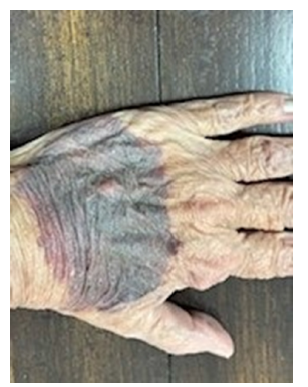
Figure 2:Mild bleeding from venipuncture on the dorsum of the right hand. There is underlying visible dermatophorosis.
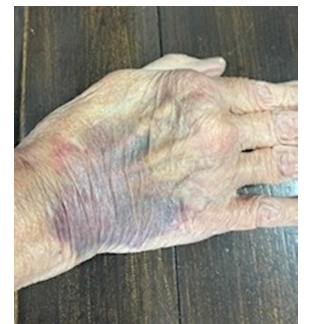
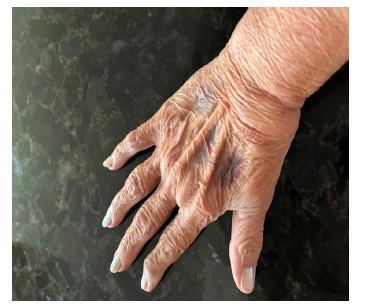
Figures 1&2 were March 11, 2026 And showed rapid bleeding of most of the surface of the dorsum of the left hand and some bleeding on the dorsum of the right hand. Figures 3&4 April 12, 2026, shows clearing of the bleeding and the classic images of Dermatoporosis. Figures 1&2 were March 11, 2026, and showed rapid bleeding of most of the surface of the dorsum of the left hand and some bleeding on the dorsum of the right hand. Figures 3&4 April 12, 2026, shows clearing of the bleeding and the classic images of Dermatoporosis. Figures 1-4 all show the collagen fragility of Dermatoporosis with thin skin due to skin atrophy, pigmentary changes, Bateman purpura which are ecchymoses on the dorsum of the hand and forearm. Bateman’s purpura (also known as Bateman’s disease or senile purpura) is a benign condition characterized by purple-red, fragile blotches, usually on the arms or hands, often caused by sunlight-induced weakening of the skin and blood vessels. Also seen are prominent blood vessels better seen with loss of subcutaneous tissue.
Figure 3:Left hand more than a month later. There is clinical evidence of dermatophorosis with no bleeding..
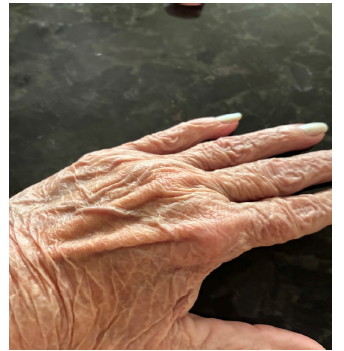
Figure 4:Image D shows the dorsum of the left Hand with a mild bleeding spot called a Bateman ecchymosis medial to the 2nd tendon. Classic Dermatoporosis is seen in the image.
Other diagnosis with their ICD codes
Osteoporosis M81.0on Denosumab (Prolia)
Chondrocalcinosis is due to calcium pyrophosphate crystal
depositions of many joints including the pelvic region and
thigh-M11.259
Rheumatoid Arthritis M06.9
Femur fracture, left-S72.92XA
Essential primaryhypertension-I10
Cigarette smoker-F17.210
Kyphoscoliosis- M41.9
Monoclonal gammopathy- D47.2
Sciatica, left side-M54.32
Back pain M54.59
Trochanteric bursitis, right hip- M70.61
Acute right lateral hip pain; injected with Marcaine and Kenalog
on March 26, 2025
Anserine bursitis-M70.50
Menopausal and female climacteric states- N95.1
She was on Romososumab (Evenity) once monthly for a year and the last injection was in December 2025, -was on teriparatide (Forteo) for 2 years, was on oral bisphosphonate alendronate which caused severe GI upset and was stopped at 6 months, and is now on Denosumab (Prolia).
There is no history of IV bisphosphonate therapy. She has had several fractures with many falls. She is on vitamin D /Calcium supplementation also.
DXA April 2025 showed osteoporosis. -Dx Severe osteoporosis- Hologic scanner see report
Risk factors for osteoporosis include previous fractures, rheumatoid arthritis and present smoker
Results
Tables 1 & 2 show her FRAX score and the 10-year probability of fracture.
Her pertinent laboratory studies include: (Table 3)
She has osteoporosis with a history of fractures of the Left Hip, left wrist, and left ankle and multiple vertebral fractures presently on Prolia.
Dermatoporosis can be classified into 4 major stages with increasing morbidity and mortality with the advanced stages. Dermatoporosis, or chronic cutaneous fragility syndrome, is classified into four major stages (I-IV) based on increasing severity, characterized by skin atrophy, tearing of the skin, hematomas, and necrosis. These stages represent a progression of skin fragility, often affecting the elderly or those with chronic steroid use, which can lead to significant morbidity and mortality [1-3]. Our patient has Stage 1 (Table 4) [4]. Dermatoporosis is a cause of mortality in the intensive care unit and should be known not only by a dermatologist but other medical specialties as well. Prevention is of major importance. Therapeutic options are limited but available. Prevention of skin injury is the best therapy and vitamin D>1000IU for both her osteoporosis and her skin manifestations [5]. She does have atrophy of hand skin as seen in the images and indicates a risk factor and is classified as stage 1 Dermatoporosis. She is not on corticosteroids. As Osler says, see the patient and then talk to them [6]. Seeing this patient’s hands are an indication clinically of collagen fragility and also introduces clearly the risk of possible Osteoporosis. Therapy also includes the strong recommendation of stopping smoking. Dermatoporosis and Osteoporosis: common risk factors [5] (Figure 5).
Table 1:FRAX score: Age: 79, BMI: 24.2 with BMD 0.54 g/ cm2, T-score: -2.78 right femoral neck per FRAX website.
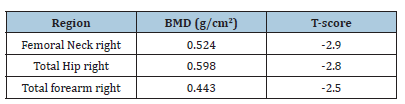
Table 2:10-year probability of fracture per FRAX score 33% for a major osteoporotic fracture and 17% for a hip fracture both of which are elevated.

Table 3:The laboratory studies were normal with only exception a positive rheumatoid factor. For her age the westergren sedimentation rate of is normal.
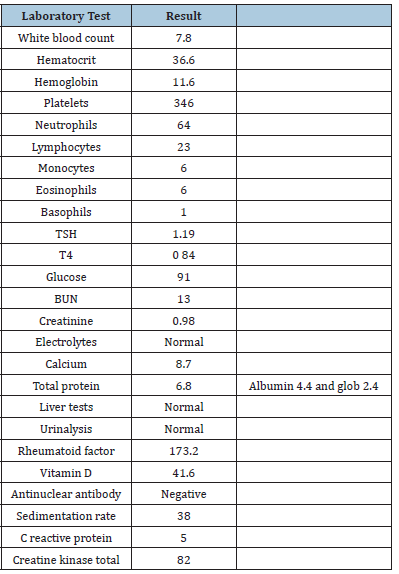
Table 4:Stages of dermatoporosis-4 with subsets [2].
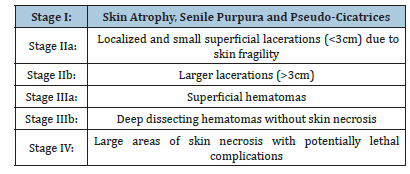
Figure 5 is a Venn diagram: Dermatroporosis risks including: age, smoke, systemic corticosteroids, chronic renal failure, anticoagulant loose, chronic obstructive pulmonary disease, lack of exercise and vitamin D deficiency, When seeing the patient there are other factors contributing to Dermatoporosis which would include dehydration, malnutrition, sensory changes, mobility impairment, pharmacologic therapies, and mechanical factors such as skin care practices and of course delayed skin wound healing have been a risk of soft tissue infections. Deep dissecting hematoma with chronic expansion is an emergency. This occurs in the legs frequently in older women about age 81.7 years. Further risk factors are factors such as ultraviolet radiation, pollution, smoking and topical issues from sun damage and long-term systemic corticosteroids. There are issues in the ICU because of skin failure. Osteoporosis and Dermatoporosis are expressions of the aging fragility process at the skin and bone levels, respectively. Both conditions are associated with increased morbidity for elderly people, and this requires necessary interventions. Romano and Associates have revealed the role of vitamin D for both osteoporosis and Dermatoporosis [5].
Figure 5:Risk Factors for osteoporosis and dermatoporosis [3]..
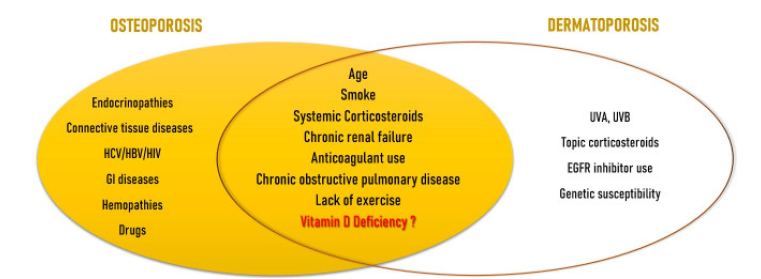
Dermatoporosis is an example of chronic cutaneous fragility with loss of collagen in the skin of the hands, but also the bones with osteoporosis and of the local blood vessels which is related to the causation of our patient’s bleeding. Vitamin D plays a role in therapy for all.
Therapy
Molecular mechanisms implicating hyalurosome in the filopodia: Several lines of evidence suggest that hyalurosome is located in keratinocyte filopodia, thin, actin-rich plasma membrane protrusions implicated in cell motility. They have recently shown that keratinocyte filopodia are downregulated by corticosteroids in vitro. Intermediate size HA fragments (HAFi) inhibited the downregulation of filopodia induced by corticosteroids. Topical HAFi prevented the skin atrophy induced by topical corticosteroids in mice without interfering with their anti-inflammatory effect. Topical treatment with HAFi HA production and pro-HB-EGF expression in mouse skin and in the correction of skin atrophy in Dermatoporosis patients. Uncovering the molecular mechanisms implicating hyalurosome seems to be crucial to better understand the pathogenesis of Dermatoporosis and to develop new therapeutic strategies [6]. Kaya In 2007 and 2012 articles has identified Intermediate size HA fragments HAFi as an anti-atrophic factor which acts on hyalurosome to correct its dysfunction by stimulating HASs, CD44, HB-EGF and filopodia alone or in synergy with RAL [6]. These are more theoretical for therapy.
Polymethylmethacrylate (PMMA) therapy
Subcutaneous application of Polymethylmethacrylate (PMMA) has been used. PMMA in the Bio Sculpt® technique emerges as a promising treatment option for upper limb dermatoporosis. Complete regression of disease signs and symptoms after nine months of treatment encourages this novel approach to disease management. Photographic evidence showed regression and the nodules were no longer visualized in the ultrasound images. New studies with a larger number of patients, the use of high-frequency ultrasound, and longer follow-up will elucidate the effectiveness and safety of the treatment [7].
The beneficial role of sirtuin
Sirtuins are a family of seven proteins in humans (SIRT1- SIRT7) that are involved in multiple cellular processes relevant to dermatology. Sirtuins gained international attention because of their role as “longevity proteins” that may extend and enhance human life therefore germane to dermatophoresis. Sirtuins function in the cell via histone deacetylase and/or adenosine diphosphate ribosyl transferase enzymatic activity that target histone and nonhistone substrates, including transcription regulators, tumour suppressors, structural proteins, DNA repair proteins, cell signaling proteins, transport proteins, and enzymes [8]. Sirtuin 1 (Sirt1) as a key diagnostic marker, where its decline indicates elevated risk for chronic diseases like diabetes, NAFLD (Non-alcoholic Fatty Liver Disease), and neurodegeneration. Reduced Sirt1 links directly to dysfunctional anti-aging mechanisms and poor drug metabolism. The research emphasizes that measuring plasma Sirt1 is crucial and a theoretical therapeutic approach for optimizing therapeutic drug interventions and managing disease progression [8]. Sirtuins are involved in cellular pathways related to skin structure and function, including aging, ultraviolet-induced photoaging, inflammation, epigenetics, cancer, and a variety of cellular functions including cell cycle, DNA repair and proliferation. Sirtuinrelated cellular pathways, therapeutics and pharmacological targets in atopic dermatitis, bullous dermatoses, collagen vascular disorders, psoriasis, systemic lupus erythematosus, hypertrophic and keloid scars, cutaneous infections, and non-melanoma and melanoma skin cancer. Sirtuins are involved in the following genodermatoses: ataxia telangiectasia, Cowden’s syndrome, dyskeratosis congenita, Rubenstein-Taybi, Werner syndrome, and xeroderma pigmentosum. The pathophysiology of these inherited diseases is not well understood, and sirtuin-related processes represent potential therapeutic targets for diseases lacking suitable alternative treatments [8]. This includes Dermatophorosis because collagen fragility involves sirtuins [9]. This is important relationship to Dermatophorosis which has not been fulfilled at present. Appetite regulation by nutritional intervention is required early in life that involves the anti-aging gene Sirtuin 1 (Sirt 1) with Sirt 1 maintenance of other cellular anti-aging genes involved in cell circadian rhythm, senescence and apoptosis. This is the association with Dermatophorosis [10]. Sirtuin1activators (vitamin D) versus Sirtuin 1 inhibitors are important in the treatment of Dermatoporosis. Plasma Sirtuin 1 Measured early in life can improve the treatment of osteoporosis and Dermatoporosis [10]. Sirtuin1activators (vitamin D) versus Sirtuin 1 inhibitors are important in the treatment of Dermatoporosis. Plasma Sirtuin 1 Measured early in life can improve the treatment of osteoporosis and Dermatoporosis [11].
Vitamin D therapy
Romano in their 2023 extensive review article has suggested that Vitamin D is therapeutic and vital in preventing age related issues [3]. Dermatoporosis is seen in elderly individuals particularly those with long term sun exposure and a history of chronic sun damage. Vitamin D deficiency can be linked to Dermatoporosis since its involvement in collagen production, epidural barrier function and inflammatory regulation wound healing and sun protection in their review. They summarized the most updated existing evidence on the role of vitamin D in development of fragility syndromes, not only Dermatoporosis but also osteoporosis (they did not mention the vascular system) and therefore the benefits possibly of vitamin D supplementation as an effective weapon against aging (Figure 6) [3].
Figure 6:Demonstrates important pathways in the treatment of dermatoporosis and osteoporosis [3].
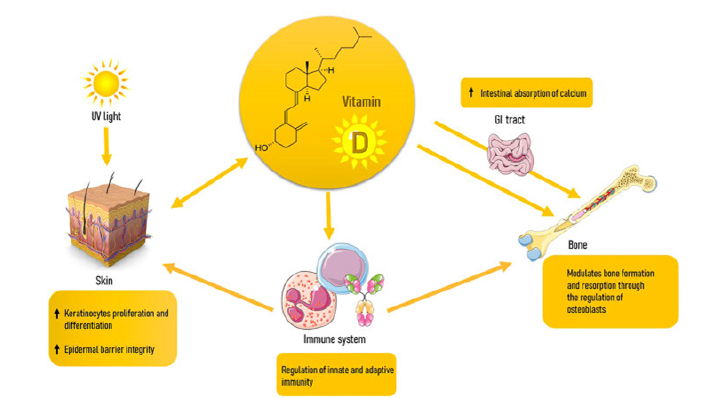
One of the best sources of vitamin D is through 15-30 minutes of direct sunlight exposure to your skin daily (taking care to avoid sunburn) [11]. For those unable to spend at least 15-30 minutes with direct sun exposure each day, the easiest way to acquire vitamin D is through food supplemented with vitamin D and/or vitamin D nutritional supplements. Although foods in the U.S.A and elsewhere recommend that most adults 19 years and older obtain between 400-1000 International Units (IUs) of vitamin D daily from food and/or with supplements (ideal intake depends on age and sex) but food supplements are usually too low in Vitamin D.
Research to date suggests vitamin D may play a role in enhancing the immune response and given prior work demonstrating a role for the activated form of vitamin D [1,25(OH)2D] in immune responses, further research into vitamin D supplementation in COVID-19 disease is warranted [11].
American Society for Bone and Mineral Research, American Association of Clinical Endocrinologists (AACE), Endocrine Society, European Calcified Tissue Society (ECTS), National Osteoporosis Foundation (NOF), International Osteoporosis Foundation (IOF) and ISCD (International Society for Clinical Densitometry) remind individuals of the importance of obtaining the daily recommended dosage of vitamin D [11]. But they remind us that vitamin D alone to treat osteoporosis is not enough and that’s why there are medications for osteoporosis to supplement vitamin D and calcium [12].
Vitamin D is very safe when taken at reasonable dosages and is important for musculoskeletal health. Levels are likely to decline as individuals reduce outside activity (such as sun exposure). Older and younger adults can safely take 400-1000 IU daily to keep vitamin D levels within the optimal range as recommended by Institute of Medicine guidelines [12].
As a clinician we recommend that you add it to your Diagnostic Problem List as ICD code L90.9 (Atrophic disorder of skin, unspecified) or L98.9 (Disorder of the skin, unspecified), and in the future ICD-11 code for age-related skin fragility is EE40.31 as it will grow in importance in the future. At present there is not a specific ICD 10 diagnosis but we feel with its importance it will be added [13,14].
References
- Wollina U, Lotti T, Vojvotic A, Nowak A (2019) Dermatoporosis-The chronic cutaneous fragility syndrome. Open Access Maced J Med Sci 7(18): 3046-3049.
- Kaya A, Vuagnat HB, Kaya G (2022) Dermatoporosis: Clinical features, molecular mechanisms and novel therapeutic targets-A literature review. Journal of Wound Management 23(3): 201-208.
- Kaya G (2012) New therapeutic targets in dermatoporosis. The Journal of Nutrition Health & Aging 16(4): 285-288.
- Romano F, Serpico D, Cantelli M, Di Sarno A, Dalia C, et al. (2023) Osteoporosis and dermatoporosis: A review on the role of vitamin D. Front Endocrinol(Lausanne) 14: 1231580.
- Silverman M, Murray TJ, Bryan CS (2008) The quotable Osler. In: Silverman M (Ed.), The American College of Physicians, Versa Press, Philadelphia, USA, p. 196.
- Kaya G, Saurat JH (2007) Dermatoporosis: A chronic cutaneous insufficiency/fragility syndrome. Clinicopathological features, mechanisms, prevention and potential treatments. Dermatology 215(4): 284-294.
- Bortolozo F, Rinaldi M, Souza P, Paschoal AS, Lemperle G, et al. (2023) Dermatoporosis in upper limbs treated with polymethylmethacrylate microspheres using the biosculpt® Cureus 15(8): e43789.
- Serravalto M, Jagdeo J, Glick SA, Siegel DM, Brody NI, et al. (2013) Sirtuins in dermatology: Applications for future research and therapeutics. Arch Dermatol Res 305(4):269-282.
- Ian J Martins (2018) Sirtuin 1, a diagnostic protein marker and its relevance to chronic disease and therapeutic drug interventions. EC Pharmacology and toxicology 6(4): 209-215.
- Ian J Martins (2016) Anti-aging genes improve appetite regulation and reverse cell senescence and apoptosis in global populations. Advances in Aging Research 5(1): 9-26.
- https://www.asbmr.org/about/statement-detail/joint-guidance-on-vitamin-d-in-the-era-of-covid-19
- Catharine RA, Taylor CL, Yaktine AL, Del Valle HB (2011) Dietary reference intakes for calcium and vitamin D. The National Academies Press, Washington DC, USA.
- https://www.findacode.com/icd-11/code-1184105500.html
- (2026) ICD-10-CM Diagnosis code L90.9.
© 2026 John A Goldman. This is an open access article distributed under the terms of the Creative Commons Attribution License , which permits unrestricted use, distribution, and build upon your work non-commercially.
Editor In Chief







.jpg)































Signup for Newsletter

Quick Links
 Editorial Board Registrations
 Submit your Article
 Best Paper of the Volume
 Reprints
 Refer a Friend
 Advertise With Us
Our Recent Edition

.jpg)



Top Editors




.jpg)

















.bmp)
.jpg)
.png)
.jpg)













.jpg)






.png)

.png)




.png)




Financial Support

Sponsors

Latest e-Books

Latest Video

 a Creative Commons Attribution 4.0 International License. Based on a work at www.crimsonpublishers.com.
Best viewed in
a Creative Commons Attribution 4.0 International License. Based on a work at www.crimsonpublishers.com.
Best viewed in 
 | Above IE 9.0 version