

- About Us
- Information
-

The Author ensures that the research has been conducted responsibly and ethically with adherence to all relevant regulations. read more..
- For Authors
- For Reviewer
- Manuscript Guidelines
- Membership
- Publication Ethics
-
- Journals
- Reprints
- e-Books
- Videos
- Policies
- Contact Us
 COVID-19
- Submissions



Full Text
Researches in Arthritis & Bone Study
Osteoarthritis- Multiple Medical Management Approaches-Choosing a Challenge?
Suresh Kishanrao*
Family Physician & Public Health Consultant, India
*Corresponding author:Suresh Kishanrao, Family Physician & Public Health Consultant, India
Submission: October 06, 2025;Published: October 29, 2025
Volume2 Issue1October 29, 2025
Abstract
Osteoarthritis (OA) is the most prevalent form of arthritis globally, primarily affecting the joints through progressive cartilage deterioration. In India, where aging demographics and lifestyle changes contribute to the increasing burden of non-communicable diseases, osteoarthritis has emerged as a significant public health concern. The condition predominantly affects the knees, hips, hands, and spine, with knee osteoarthritis being especially common among older adults and women. As mobility and daily functioning can be significantly impaired by OA, timely diagnosis and appropriate treatment are critical to improving quality of life.
Current clinical approaches for OA treatment in India rely on 1) pain management (Nonsteroidal Anti- Inflammatory Drugs (NSAIDs) administration like diclofenac or ibuprofen, and topical creams, & for patients with gastrointestinal sensitivities or CVDs risk, selective COX-2 inhibitors are recommended. 2) Restoration of joint function through hyaluronan injection to improve lubrication, and 3) Arthrocentesis for delaying the onset of permanent joint deformities.
Intra-Articular Injections are emerging Therapies, when pain relief from medications and physiotherapy is inadequate. Commonly used injectables in India include corticosteroids, Hyaluronic Acid (HA), a lubricating substance that may improve joint mobility, and Stem cells injections although the efficacy can vary between individuals. Radiofrequency Ablation (RFA) is another minimally invasive procedure designed to reduce pain by targeting specific nerve tissues, using an electrical current generated radio wave, which heats a small area of nerve tissue, effectively decreasing the pain signals sent from that area to the brain.
Materials & Methods: This article is based on the author’s wife trying multiple approaches for OA starting for standard allopathic treatment, switching over to Ayurvedic treatment and recently to Intraarticular hyaluronic acid in the last 10 years. Intra-articular Hussmate injection has given big relief within 2 weeks’ time, though the entire course is to be completed for long term outcomes. Her experiences are supported by literature reviewing all options available globally. Another male case and exit interviews of some more beneficiaries added value to first case’s experience
Outcome: First contact, intervention and follow-up for 4 weeks has been highly satisfying. The duration of initial course as of now appears to be around 2 years. Follow-up case is planned by the author
Keywords:Osteoarthritis; Nonsteroidal anti-inflammatory drugs; Intraarticular injections; Arthrocentesis; Hussmate injection; Herbal pain relief patch; Radio frequency ablation
Abbreviations: OA: Osteoarthritis; NSAIDs: Nonsteroidal Anti-Inflammatory Drugs; IAI: Intraarticular Injections; RFA: Radiofrequency Ablation
Introduction
Osteoarthritis (OA) is the most common rheumatic disease and 4th most common cause of disability worldwide. It affects women more than men and its prevalence increases with age. Worldwide about 10-15% of all adults aged over 60 have some degree of OA. While the global prevalence of knee & hip OA was 3.8%, the BJD India COPCORD study showed a prevalence of any form of OA of 4.39%. OA of knee & spine is highly prevalent in India, but OA hip is rare. Community survey data in rural & urban areas of India shows a wide range of prevalence (>65 yrs =17-60.6%) among elderly with higher point prevalence in rural than urban [1].
It is a degenerative joint disease characterized by the breakdown of cartilage, leading to pain, stiffness and decreased mobility. Osteoarthritis primarily affects weight-bearing joints, such as the knees, hips and spine, but it can also occur in the hands and other joints. The condition results from a complex interplay of biological, mechanical and environmental factors. As cartilage deteriorates, the underlying bone may become exposed, leading to inflammation and the formation of bone spurs. The likelihood of developing osteoarthritis increases with age, with symptoms often appearing in middle age and worsening over time. Excess body weight places additional stress on weight-bearing joints, accelerating cartilage breakdown. Family history also plays a role in developing OA. Previous injuries, such as fractures or ligament tears, can lead to early onset of osteoarthritis in the affected joint. Occupations or activities that place repetitive stress on specific joints can contribute to the development of OA [2].
Osteoarthritis predominantly affects the knees, hips, hands, and spine, with knee osteoarthritis being especially common among older adults and women. In the early and moderate stages of osteoarthritis, non-surgical treatments are typically the first line of management. Current clinical approaches for OA treatment rely on 1) pain management (Nonsteroidal Anti-Inflammatory Drugs (NSAIDs) administration like diclofenac or ibuprofen, and topical creams, & for patients with gastrointestinal sensitivities or CVDs risk, selective COX-2 inhibitors are recommended. 2) Restoration of joint function (hyaluronan injection to improve lubrication), and 3) Arthrocentesis (delaying the onset of permanent joint deformities) [3]. Oral NSAIDs are used to treat OA by inhibiting cyclooxygenase enzymes that produce inflammation-causing prostaglandins. However, NSAIDs provide palliative relief and cannot reverse the disease progression [4]. They also tend to accumulate in systemic tissues rather than the targeted cartilage, resulting in insufficient therapeutic efficacy. Therefore, Intra-Articular (IA) drug delivery is preferred as it allows direct delivery to the site of injury.
This article is based on the author’s wife trying multiple approaches for OA starting for standard allopathic treatment, switching over to Ayurvedic treatment and recently to Intraarticular hyaluronic acid in the last 10 years and recently benefitted from Intra-articular Hussmate injection 2ml of 1.5% solution of Hyaluronic acid, supported by literature search. Another male case and exit interviews of some more beneficiaries added value to first case’s experience.
Case Report
Case 1
Prabha, 72yrs. old this author’s wife is suffering from Bilateral Osteoarthritis of knees, right being more painful for 10 years. In the last 10 years graded management of allopathic treatments like NSAID which gave reasonable relief periodically but never did right knee was painless. She did diet and lost about 7kg weight 3 years ago, which also added some reduction in the pain for a while.
Starting 01 May 2024, she resorted to Ayurvedic treatment which consisted of i) Lepam Churna one tablespoon in egg white external application in the night ii) Orthopian tablets in the night after dinner for 30 days iii) AB Churna ½ TSP morning & evening in 50ml water Calcium iv) Tab Sandilu one tablet in the night. The regimen changed on 26 June to i) Tab Amulum DS half tablet in the night ii) Lepam Churna application iii) 1 TSP Horse gram +1/4-inch fresh ginger +a garlic boiled for 10 minutes, filtered and drink in the night iv) 20-23 fenugreek curry leaves +1 garlic clove grind in 25ml water and drink Before or after Breakfast. In September 2024 she was asked to follow Digestive powder ¼ TSP morning & night in 50ml water and Tab Ortho pain 1 after BF. In Mid November 2024 she was put on i) Vayu Churan ½ TSP in 50ml water in the night, Tab Laudanum in the morning after BF and Garlic Plum 2 TSP in 50ml water after BF. Initially there was some comfort for about 6 months, then stagnated. In December 2024 a bone density indicated Osteoporosis (Table 1).
Table 1: Bone Density Test of Ms. Prabhavathy.

A senior Orthopaedic in Bengaluru put her on Tab. Supracal 2000 (a combo of Calcium, Vitamin D3, Methylcobalamin, Magnesium and Zinc) supplements from 10 December 2025 and Injection Denu at 6 monthly intervals. The first injection was given on 24 December 2024, except for a day’s discomfort, there have been no adverse reactions. The second injection was given on 25 June 2025 and continued Supercal Tablets for another 30 tablets on alternate day to a total of 100 tablets over last 4 months. She did feel better but in August she had to climb up about 100 steps after which her knee pain aggravated.
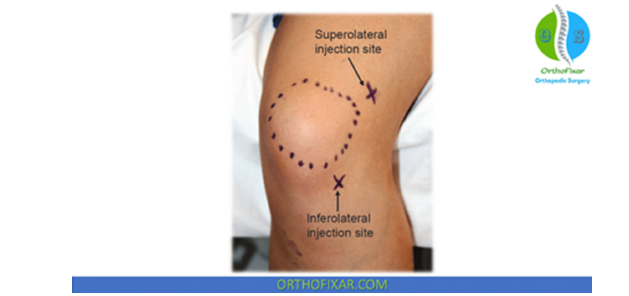
Integrated management: Learning from an advertisement she went to a Private Hospital in HSR Layout, Bengaluru. After a thorough physical examination, advanced package (All toxic heavy metals, insulin, HSCRP, Homocysteine, Uric Acid and other routine lab tests including ESR, D Dimer, Serum Ferritin, G6PD Blood test, Ozone Rectal, Ozone IM2, Ozone IA Knee, were done. Then she was given Inj. Hussmate 1.5% 2ml in each knee in Superolateral site on 8th September 2025 after giving local anesthesia as shown in the photograph (Figures 1A & 1B).
Figure 1A:Injection technique.
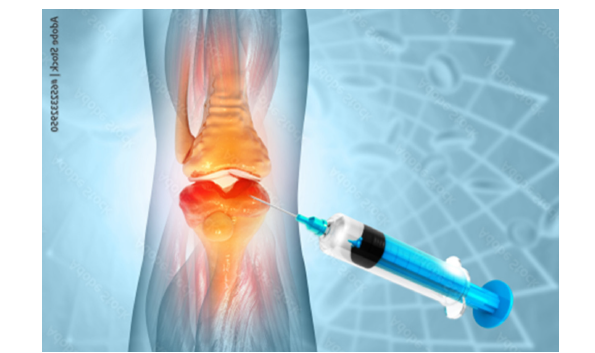
Figure 1B:Surface marking for injection sites.
All the treatment was in about 6hrs. She has been advised
to follow the treatment: Tab. Heal Knee joint (claimed as natural
Eggshell membrane, undenatured Type 1Collagen, Boswellia
Semata extract, vitamin CJ) One tablet in the afternoon for 20 days.
A. Tab, Bone Strong K27 Tab (Coral Calcium, Vitamin D2, Cissus
Quadrangularis) One Tablet after Breakfast
B. Container Heal MAG Tab 30S (Magnesium Caplet, Potassium,
Pyridoxine) 1 Tablet after dinner daily for 20 days
C. Ointment. Jiontace 50 GM L/A (light application) at night
D. Syrup. NILPAIN Shot (Bioactive Collagen Peptide, Rosship
Extract, Glucosamine Sulphate, Boswellia Serrata, Curcumin
Solution) 1 Shot/day for 20 days
E. Tab. Disprin 350mg SOS for 3 days
F. Tab Zeotone Plus 1 tablet TDS after BF, Lunch and Dinner for
20days
G. General Coconut Oil-1000ml, 2SSP early morning on empty
stomach
H. Ayurvedic Haritaki -200 GM, /powder. 1TSP= 1 Glass of butter
milk
I. Powder. Epson Salt (Foot immersion in a bucket of hot water
with handful of Epsom salt)
Course progress: On the day of injection after an hour she was able to walk few steps to cab without much pain, the night also was comfortable. Very next day she was doing her routine chores. She noticed good relief of pai and flexibility of both knees in about a week’s time. Now after 3 weeks she feels 50% relief from pain flexibility and better movements. Follow-up visit is due next week with a CT scan of Pelvis and abdomen. The entire process costs around INR 28,000.
Case 2
Mr. S Joshi a 66-year male patient entered for the first time the same facility the same day. Sales executive by profession was diagnosed clinically as Osteoarthritis in January 2020. It started first in his Right Knee (RK). His commuting for the job compelled him to walk a lot. He started to take rest 2-3 days a week and use some transport, but it didn’t help much. He then consulted a general practitioner who put him on Ibuprofen 400mg thrice day, that gave immediate relief with a Weeks’s time Relapsed after 4weeks.Same treatment was repeated and relief this time was for only about 3 weeks. In the third attempt the dosage was changed to 600 mg three times a day. Though knee pain was relieved for 8 weeks, he had gastritis problem, that needed antacid. In mid-2020 his Left Knee (LK) also started hurting. He was NSAIDs at least 30% of the days annually with interruptions when pain was bearable. Had not found complete remission anytime in the last 4 years. In early 2021 he consulted an orthopedic Ian who confirmed it as Osteoarthritis doing X ray (showed osteophytes and narrowing of subchondral space and RH factor (13000WBC/mm3) and elevated ESR (75mm/ hr.). He was advised a knee surgery. Fearing surgical complication and cost (INR 300000/knee), he had come to this facility. He was also given same treatment as in case 1. In the second visit he reported benefits in pain relief to the tune of 30%.
Exit Interviews
This author conducted an exit interview on 18 October 2025; there were about 56 patients while author was waiting for 3 hrs. for spouse’s treatment. Types of cases included Osteoarthritis of Knees (OAK) of 23, Frozen shoulder-8, Hip join pain-2, spinal cord pain with rigidity-3 Cervical spondylosis-7, Rheumatoid arthritis finger, toes etc.-16. Among OAK cases Six were first time visitors, from different districts of the state, influenced by words of mouth hearing this hospital’s approach for non-surgical treatment of joint pain. 2 cases had come for follow-up after 2 years of relief after an initial treatment of 3 months and recurrence of pain for 4-6 weeks. 5 cases were for 2nd session of treatment and 4 for third session, 4 cases after 4th month to enquire if more treatment is needed and two cases had come after a year with recurrence of mild pain. The author’s inference of exit interviews is that the intra-articular injection of Hussmate had benefited 80% of cases, relieving pain after the first session to a tune of 25-50% (median 35%), 50-60% after second session (median 50%) and near 90% pain free after 3. The chances of recurrence after 2 years appear to be there, though the percentage could not work out for want of denominator data. This outcome appears to be matching with what is available in literature, though more scientific study is needed for authentication.
Discussion
Osteoarthritis It is a degenerative joint disease in which the two ends of the joints come together due to the breakdown of a protective covering of cartilage [1,2]. Any interactions in the community one can hear that an active and purposeful approach toward the disease and its management as a deliberate decision on whether to engage in healthy lifestyle behaviors. There is a belief that performing exercise and keeping informed about weight reduction in young age could be helpful in delaying the onset of OA. Another driving force for exercising is to cope with the pain. Exercise was also used when other treatment options could not be afforded. However, for some individuals walking or performing basic movements are rather unfamiliar strategies for managing OA, while for others such activities increase the ability to move after knee locking following prolonged time in the same position. A belief that exercise might aggravate pain is also present, and assumptions that intense exercises would be harmful for the elderly were expressed. The reasons for not performing exercise were that pain relief was obtained by other management strategies, lack of time, laziness, and ambivalence to exercise. However, for some individuals’, physiotherapy exercises resulted in pain relief and inspired them to continue with general physical activity. Group exercises are seldom performed but are expressed as something positive and inspiring that could perhaps increase social activity. Awareness about healthy eating & drinking, avoidance of sweets & fatty foods, and drinking coconut oil are also present.
Pathophysiology of OA
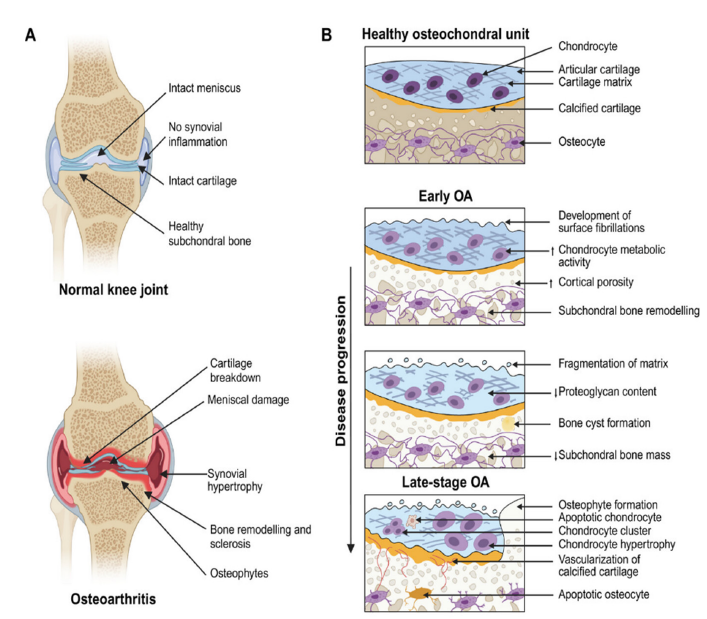
A) Schematic comparing a normal knee joint with Osteoarthritis (OA). B) Schematic comparing a healthy osteochondral unit with the changes in the osteochondral unit during OA progression. OA is characterized by chronic inflammation, cartilage damage due to mechanical and proteolytic degradation, and abnormal subchondral bone formation, leading to the formation of bony outgrowths into the joint capsule referred to as osteophytes (Figures 2 & 3).
Figure 2:Pathophysiology of OA.
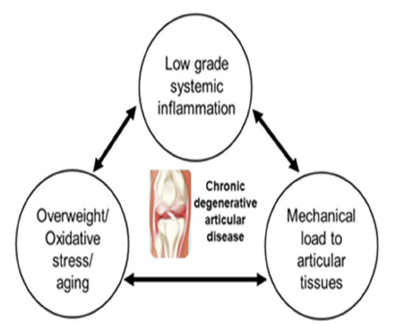
Figure 3:Comparison of normal knee & OA knee.
Global experience of managing OA
Reducing body weight through physical activities and diet is the first approach recommended, since it has been shown to alleviate joint stress and improve mobility. Physiotherapy (such as strength training, flexibility exercises, balance training, & aerobic conditioning) is the cornerstone of OA management in hospital settings & at homes. Other conservative therapies available in India include heat & cold therapy, Transcutaneous Electrical Nerve Stimulation (TENS), and occupational therapy. Use of assistive devices such as knee braces, walking sticks, or orthotic insoles to reduce strain on affected joints is common. Traditional Indian medicine systems-Ayurveda & Siddha, offer alternative treatments like herbal formulations, panchakarma therapies, and oil massages for osteoarthritis with mixed results. These approaches are practiced & culturally accepted, despite lack of scientific validation [1,2]. Community interactions in India indicate doubts on treatment and medication offered only temporary pain reduction. Ayurvedic treatment was also used for knee pain, and regular intake of calcium was perceived as important. To support the knees, bandages and limb elevation are used during sleep. The use of hot packs was mentioned as useful for all types of joints and muscle pain, but sometimes this increased knee pain and swelling. Doubts about cold packs being effective during the winter season were expressed, while pain relief and reduced swelling of joints after cold pack application is also expressed [5].
Low-dose radiation therapy
Patients having radiographically confirmed osteoarthritis with persistent symptoms of at least 4 out of 10-after having exhausted all these options that aren’t contraindicated for radiotherapy are benefitted with low dose radiotherapy. A radiation oncologist in Germany began offering low-dose radiation for osteoarthritis in the hands, feet, knees, shoulders, elbows, and hips with success. Literature review shows that it’s not actually “new”, the treatment’s first published use was in 1898, Austin Kirschner, associate professor of radiation oncology at Vanderbilt University in Nashville, Tennessee-Medscape Medical News [6].
Herbal pain relief patch
A non-invasive & drug free convenient alternative to oral pain killers with no side effects. Made with a powerful blend of natural ingredients claims to help ease stiffness, soreness and inflammation and provide relief up to 12hrs. of continuous comfort.
Radiofrequency ablation (RFA)
Radiofrequency Ablation (RFA) is a minimally invasive procedure designed to reduce pain by targeting specific nerve tissues. Using an electrical current generated by radio waves, RFA heats a small area of nerve tissue, effectively decreasing the pain signals sent from that area to the brain. This treatment offers significant relief by preventing pain signals from reaching the brain. RFA provides a non-surgical option for managing pain, potentially delaying or eliminating the need for more invasive procedures. This procedure effectively disrupts pain signals, offering significant relief for chronic pain conditions. By reducing pain, RFA can help restore function and improve your overall quality of life. Patients often experience a reduction in the need for pain medications following RFA, leading to fewer side effects and a better quality of life. It is Safe with minimal to no side effects. The effectiveness of RFA can vary based on the accuracy of the diagnosis, anatomical variations of the nerve, and the technique used. Some patients experience complete pain relief within 10 days of the procedure, while others may notice improvement after two to three weeks. If there is no relief even after three weeks, the procedure may need to be repeated [3].
Intra-articular injections and emerging therapies
When pain relief medications and physiotherapy are inadequate, intra-articular injections are considered. Commonly used injectables in India include corticosteroids, Hyaluronic Acid (HA), a lubricating substance that may improve joint mobility, although the efficacy can vary between individuals. Hussmate Injection is most used to treat knee pain caused by osteoarthritis. It helps restore the synovial fluid which helps in lubricating and cushioning the joint during movement and it restores mobility and reduces the pain. Platelet-Rich Plasma (PRP) injections, derived from a patient’s own blood, are gaining popularity in India as a form of regenerative therapy. PRP is believed to promote tissue healing & reduce inflammation, Stem cell therapies are also offered by select hospitals and research centers, particularly in larger cities. These measures help in maintaining independence & reduce the need for surgical intervention.
IA injections increase the bioavailability of the therapeutic agents at the target site, reducing systemic exposure, minimal systemic side effects, and overall cost [7]. However, rapid clearance by synovial fluid may lead to rapid drug depletion in the joint cavity, necessitating frequent administration and increasing the risk of systemic toxicity. The dynamic and tunable mechanical properties of some shear-thinning biomaterials and synthetic hydrogels hold promises for facilitating easier integration with surrounding cartilage tissue, thereby promoting tissue regeneration. While there are challenges in optimizing hydrogel-based approaches for OA treatment and cartilage repair, significant progress has been made in recent years. As research continues to unravel the complexities of OA and cartilage repair, these advanced materials hold immense potential for paving the way toward personalized and effective treatments.
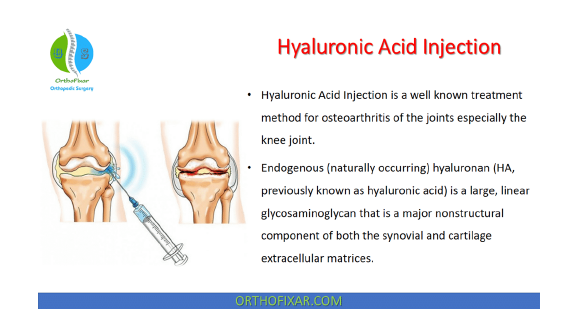
Hussmate Injection is commonly given when a patient does not respond to conventional treatments as was in our reported case with an initial satisfying outcome. Hussmate Injection 2ml is a Non- Steroidal Anti-Inflammatory Drug (NSAIDs) used in the treatment of knee pain due to osteoarthritis. It reduces the friction in the joints, decreases the pain and swelling. It contains 1.5% solution, which works by restoring synovial fluid in the knee that helps to lubricate and cushion the joint during movement. It is administered by intraarticular injection, by inserting a needle into the space in the knee joint that contains fluid used for lubrication and cushioning, to be administered by a qualified doctor only. While on treatment with this medicine, you should avoid activities such as strenuous sports and exercise or standing on your feet for a long time.
Some common side effects of this medicine include injection site reactions such as pain, swelling, and redness, muscle pain, and joint pain. If these side effects do not resolve with time or get worse, there are ways to reduce or prevent these symptoms by prescribing alternative medicine or adjusting the dose. An infected knee joint or skin disease, or infection around the area where the injection individuals allergic to sodium hyaluronate are some contraindications. Any systemic problems with the heart, kidneys, or liver also need to be considered. Pregnant or breastfeeding, women should be careful in taking this medicine.
Applying an ice pack gently to the injection site for 10 to 15 minutes if you notice mild swelling or discomfort. Wear a knee brace or compression sleeve post-joint injection if advised, to support the joint and reduce pressure. Avoid high-impact activities like jogging, squatting, or climbing stairs for 48 hours to let the joint settle. Schedule follow-up injections exactly as recommended as skipping or delaying can reduce treatment effectiveness. It stabilizes the natural tear film and maintains necessary lubrication, so your eyes don’t get dry and irritated.
A network meta-analysis that studies the mid- to long-term effectiveness of intra-articular knee injection of Platelet-Rich Plasma (PRP), Hyaluronic Acid (HA), Corticosteroids (CS), and their combinations for management of knee OA reported that the sustained efficacy of PRP, particularly when combined with HA, in providing superior long-term pain relief and functional improvement in knee OA compared to other intra-articular injectables, highlighting its potential as a preferred treatment modality [8].
Hyaluronic Acid Injection in Knee with Ultrasound Guidance offers a targeted and effective approach recently being practices in western world, not yet available in India. A local anesthetic is administered to numb the skin and underlying tissues ensures the patient comfort throughout the procedure. Incorporating Ultrasound Guidance into the Hyaluronic Acid Injection process elevates precision and ensures targeted delivery of this regenerative solution. Recent research has validated the precision of this method with fluoroscopic imaging, offering new insights. The study has found that the injectate accurately dispersed into the tibiofemoral joint following walking test [7]. Prior studies had demonstrated improved efficacy when Intra-Articular (IA) therapeutics are injected using Ultrasound (US) guidance. Clinical improvements were observed in the past 12 months using US needle guidance for IA HA, whereas only one SF protein biomarker protein was different in 3 months. Larger studies are needed to identify which SF biomarkers will predict which individual OA patients will receive the greatest benefit from IA therapeutics [4] (Figure 4).
Figure 4:Hussmate injection technique.
Integrated approach of OA management
In the integrated approach, Hussmate injections are accompanied by advice on Diet & Lifestyle which includes i) Physical activity helps strengthen muscles and relieves joint stiffness. Gentle activities like 20-30 minutes of walking or swimming would be helpful ii) Performing yoga may also help in improving joint flexibility and pain management iii) Maintain a healthy weight by performing regular low-strain exercises and eating healthy food iv) Getting adequate sleep, as resting the muscles can help in reducing inflammation and swelling v) Follow heat or cold therapy, and apply a cold or hot compress on the joints for 15-20 minutes regularly vi) Acupuncture, massage, and physical therapy may also be helpful vii) Eating foods rich in antioxidants such as berries, spinach, kidney beans, dark chocolate, etc. viii)Foods containing flavonoids, such as soy, berries, broccoli, grapes, and green tea, help reduce inflammation. ix)Avoid smoking and alcohol consumption.
Injectable hydrogels
Injectable hydrogels have emerged as a promising approach for controlled drug delivery in cartilage therapies in the last decade. Hydrogels offer a solution by sustainably delivering drugs, enabling long-term treatment for osteoarthritis. Hydrogels possess desirable characteristics such as bio functionality, biocompatibility, and tunable properties, including a porous framework, high water absorption, and mechanical stability. The properties of hydrogels can be adjusted based on their composition and synthesis process e.g., i) The porous structure of hydrogels allows for the entrapment of the therapeutic agents, and the release kinetics can be controlled by manipulating the pore architecture. ii) the physical properties of hydrogels can be tailored to mimic the extracellular matrix for the differentiation and proliferation of cells. Injectable hydrogels can be designed to crosslink rapidly, enabling in situ hydrogel formation upon injection, therefore, offer many advantages including convenient synthesis, good biocompatibility & tunable biodegradability, high drug loading capacity, encapsulation, and controlled release of therapeutics [3]. This minimally invasive technique has an advantage of targeting irregularly shaped sites of OA, providing precise treatment at the desired location.
Intra-articular injection of stem cells for the regeneration of knee joint cartilage
A study examined and reported that stem cell injections for knee joint cartilage damage represent a promising frontier in orthopedic care. They offer potential benefits such as pain and inflammation reduction, promotion of cartilage repair and regeneration, and the possibility of avoiding more invasive treatments. Ongoing collaboration among researchers, clinicians, and regulatory organizations is crucial for advancing this field and translating scientific discoveries into effective clinical applications [9].
Low-dose radiation therapy
Radiation falls somewhere between traditional therapies and Intraarticular injections, that can be tried when the patient has tried other conservative measures and is not ready for joint replacement. It’s also most effective for mild-to-moderate osteoarthritis, where patients still have some partially healthy joint architecture and have not yet progressed to bone-on-bone arthritis, by which point radiation is unlikely to be effective. It may help with decreasing inflammation, but it’s going to be much more effective if you catch it a little earlier stage.
The most appropriate candidates are older than 40 years or, more conservatively, older than 50 years, to reduce the risk for later malignancies, even though that risk remains extremely low. In a 70-year-old man who receives low-dose radiation treatment for his knee, the estimated lifetime risk for a radiation-induced cancer is around 0.03%, even that may be an overestimation because it’s derived from whole-body exposure. But risk is higher in younger patients hence the recommendation is only in older patients or not for joints near radiosensitive organs [10,11].
The pain relief can last from several months to years, with studies reporting that 30%-60% of patients maintain significant pain reduction 1-2 years after treatment. Patients do not experience acute side effects, though a few may have some slight redness, milder than a sunburn, on the skin of the area radiated. Although malignancy induced by osteoarthritis radiation treatment remains a small theoretical risk, no cases of secondary malignancy have been reported in research for patients older than 40 years. However, still, not all clinicians are convinced that the benefits are worth the risk given other available treatment options.
Conclusion
While standard approaches of 1) pain management using nonsteroidal anti-inflammatory administration 2) Restoration of joint function (hyaluronan injection to improve lubrication), and 3) Arthrocentesis continue, some newer options emerging in recent decade for OA.
In India, as of 2025 an integrated approach of intra articular Hussmate Injections monthly for 3 shots, complimented with Calcium & vit D supplementation and other Ayurvedic and traditional approaches like heat & Cold therapy, and low dose radiation are becoming popular.
The advantages of a combined approach of Hyaluronic Acid Injection in Knee with or without Ultrasound Guidance offers a targeted & effective game-changer in OA management.
Injectable hydrogels are also emerging as a promising approach for controlled drug delivery in cartilage therapies in the last decade. Stem cell injections for knee joint cartilage damage represent a promising frontier is an option to try in effective clinical applications.
References
- Vikram RJ (2020) Burden of osteoarthritis in India. Handbook of Rheumatic Diseases Osteoarthritis, Evangel Publishing, New Delhi, India.
- Sarah L (2024) Diagnosis and modern-management-strategies-of-osteoarthritis. Journal of Clinical and Medical Case Studies 9(3): 2.
- Radio Frequency Ablation (RFA).
- Richard TM, Mary TG, Eric DH, Claire MC, Manuel DG, et al. (2023) Ultrasound-guided injections of HYADD4 for knee osteoarthritis improves pain and functional outcomes at 3, 6, and 12 months without changes in measured synovial fluid, serum collagen biomarkers, or most synovial fluid biomarker proteins at 3 months. J Clin Med 12(17): 5541.
- Swärdh E, Jethliya G, Khatri S, Kindblom K, Opava CH (2022) Approaches to osteoarthritis-A qualitative study among patients in a rural setting in Central Western India. Physiother Theory Pract 38(11): 1683-1692.
- Tara H (2025) Low-dose-radiation-therapy-making-comeback-osteoarthritis. MedScape, New York, USA.
- Kamal KK (2024) Fluoroscopy confirms effective distribution of hyaluronic acid from ultrasound guided knee injection study. Medical Dialogues 2(1): 100174.
- Nikhil G, Kavin K, Amit L, Anshul D, Amandeep R, et al. (2025) Long-term effectiveness of intra-articular injectables in patients with knee osteoarthritis: A systematic review and Bayesian network meta-analysis. J Orthop Surg Res 20(1): 227.
- Hyun JL, Rajib H, Chang HB, Choong JL, Sun CH (2024) Intra-articular injection of stem cells for the regeneration of knee joint cartilage: a therapeutic option for knee osteoarthritis-a narrative review. Biomol Ther (Seoul) 33(1): 86-94.
- Hussmate-injection-887314.
- Manivannan SK, Ridhi P, Waqas S, Morgan MS, Akhilesh KG (2024) Intra-articular injectable biomaterials for cartilage repair & regeneration. Adv Healthc Mater 13(17): e2303794.
© 2025 Suresh Kishanrao. This is an open access article distributed under the terms of the Creative Commons Attribution License , which permits unrestricted use, distribution, and build upon your work non-commercially.
Editor In Chief







.jpg)































Signup for Newsletter

Quick Links
 Editorial Board Registrations
 Submit your Article
 Best Paper of the Volume
 Reprints
 Refer a Friend
 Advertise With Us
Our Recent Edition

.jpg)



Top Editors




.jpg)

















.bmp)
.jpg)
.png)
.jpg)













.jpg)






.png)

.png)




.png)




Financial Support

Sponsors

Latest e-Books

Latest Video

 a Creative Commons Attribution 4.0 International License. Based on a work at www.crimsonpublishers.com.
Best viewed in
a Creative Commons Attribution 4.0 International License. Based on a work at www.crimsonpublishers.com.
Best viewed in 
 | Above IE 9.0 version