

- About Us
- Information
-

The Author ensures that the research has been conducted responsibly and ethically with adherence to all relevant regulations. read more..
- For Authors
- For Reviewer
- Manuscript Guidelines
- Membership
- Publication Ethics
-
- Journals
- Reprints
- e-Books
- Videos
- Policies
- Contact Us
 COVID-19
- Submissions



Full Text
Novel Techniques in Nutrition and Food Science
Prevalence of Metabolic Syndrome and its Association with Obesity and Insulin Resistance: A study in Tripoli, Libya
Hanan Abushwereb*, Nour Assarraj, and Malak Almokhtar
Faculty of Pharmacy, Department of Pharmacology and Clinical Pharmacy, University of Tripoli, Libya
*Corresponding author:Hanan Abushwereb, Faculty of Pharmacy, Department of Pharmacology and Clinical Pharmacy, University of Tripoli, Libya
Submission: June 18, 2026;Published: July 01, 2026

ISSN:2640-9208Volume9 Issue 1
Summary
Metabolic Syndrome (MetS) is a cluster of interrelated conditions including obesity, insulin resistance, dyslipidaemia, and hypertension-that collectively increase the risk of cardiovascular disease and type 2 diabetes. This study aimed to determine the prevalence of MetS in a targeted population in Tripoli, Libya, and to assess its relationship with obesity and insulin resistance. Two representative samples of 61 individuals each (aged 12-87 years) were analysed. Anthropometric measurements, blood pressure, and biochemical parameters were collected, while insulin resistance was assessed using the HOMA-IR index. Results revealed that 75% of men and 94% of women had waist circumferences above standard thresholds. Obesity was more prevalent among women (69.70%) compared to men (42.86%). Insulin resistance was detected in 63.94% of the second sample. Using IDF criteria, MetS prevalence was higher in men (67.86%) than women (42.42%). These findings highlight obesity and insulin resistance as major contributors to MetS in this population, underscoring the need for national diagnostic standards and public health interventions in Libya.
Keywords:Metabolic syndrome; Waist circumference; Body mass index (BMI); HOMA-IR; Dyslipidaemia; Obesity; Insulin resistance; Type 2 diabetes mellitus; Cardiovascular risk; Public health
Introduction
Metabolic syndrome is a serious health condition characterized by a cluster of risk factors, most notably obesity, insulin resistance, high blood pressure, and dyslipidemia, which significantly increase the risk of cardiovascular disease and type 2 diabetes [1]. This syndrome often develops without symptoms, leaving many unaware they have it. The prevalence of metabolic syndrome is increasing globally due to sedentary lifestyles, unhealthy dietary choices, and rising obesity rates. Age and family history are uncontrollable risk factors; advancing age increases the likelihood of developing abdominal obesity and cardiovascular disease [2]. Genetic predisposition, particularly in individuals with a family history of type 2 diabetes or a history of gestational diabetes, also increases risk [3-6]. Medical conditions such as Polycystic Ovary Syndrome (PCOS) and sleep disorders, including sleep deprivation and sleep apnea, further increase this risk, especially in postmenopausal women, due to hormonal changes that affect metabolic markers [7,8]. Insulin resistance is a hallmark of metabolic syndrome, where cells become less responsive to insulin, leading to impaired glucose uptake and elevated blood sugar levels [9]. This condition is exacerbated by obesity and type 2 diabetes, which impair glucose metabolism in vital tissues. Assessing insulin resistance typically involves complex tests and blood analyses, such as fasting plasma glucose, glycated Hemoglobin (HbA1c), plasma insulin tests, and the Homeostatic Model Assessment Index (HOMA-IR), which provide essential information about glucose and insulin dynamics [10]. In Libya, there is a lack of sufficient data on the prevalence of metabolic syndrome and its relationship to obesity and insulin resistance, highlighting the need for local research to develop public health strategies. Many modifiable factors contribute to metabolic syndrome, including lifestyle choices such as physical inactivity, poor diet, inadequate sleep quality, smoking, and excessive alcohol consumption. Environmental factors, including low socioeconomic status, also play a crucial role, influencing nutrition, physical activity levels, and stress.
Therefore, this study was designed to obtain data on the prevalence of this syndrome and its associated symptoms among individuals by evaluating relevant blood tests and analyses conducted at a central laboratory in the capital city that serves a large number of patients.
Methods
Sample selection
A total of 61 individuals, aged between 12 and 87 years, were recruited for this study. Anthropometric measurements including height, weight, and waist circumference were recorded. Blood pressure was measured using a sphygmomanometer after participants had been seated for at least five minutes. Body Mass Index (BMI) was calculated and categorized according to standard definitions. Blood samples were collected in cooperation with Al- Shark Laboratories (Tripoli, Libya) for biochemical analysis. In addition, a separate dataset of 61 individuals was obtained from the same laboratory, which included fasting blood glucose, glycated Hemoglobin (HbA1c), and insulin levels. The Homeostasis Model Assessment of Insulin Resistance (HOMA-IR) index was calculated to estimate insulin resistance.
Laboratory procedures
Fasting blood samples were analyzed for glucose, HbA1c, triglycerides, HDL-cholesterol, and total cholesterol using standard laboratory techniques. Blood pressure was assessed with a sphygmomanometer after participants had rested in a seated position for at least five minutes to ensure accuracy and consistency. BMI was calculated and categorized according to WHO standards. According to the International Diabetes Federation (IDF), the distribution of Body Mass Index (BMI) categories varies among both genders. This categorization is essential for assessing obesity rates and related health risks in populations.
The following flowchart shows the demographic characteristics
of study participants and the stepwise inclusion of data collection
process. The Participants recruited (n=61, age 12-87 years).
a. Dataset 1: Anthropometric & clinical data
i. Height, Weight, Waist circumference.
ii. Blood pressure.
iii. Biochemical parameters (lipids, glucose).
b. Dataset 2: Metabolic data
i. Fasting glucose
ii. HbA1c
iii. Insulin levels.
c. Derived measures
i. HOMA-IR calculation.
Statistical analysis
a. Descriptive statistics (mean±SD)
b. IDF criteria for metabolic syndrome
Ethics
This study was conducted in accordance with the Declaration of Helsinki principles for research on human subjects. Ethical approval was obtained from the laboratory administration, and a collaboration agreement was signed between the university, hospitals, laboratories, and health centers to ensure the privacy and transparency of all data. All participants were informed of the study’s purpose, and their informed consent was obtained before data collection. Strict confidentiality and anonymity were maintained; no personal information was recorded or disclosed. Participation was voluntary, and individuals retained the right to withdraw at any stage without penalty. Data were analyzed and presented in aggregate form to ensure privacy. Given the lack of specific diagnostic criteria for obesity and waist circumference in Libya, the study adhered to the International Diabetes Federation guidelines to ensure methodological consistency and comparability with international research.
Result
Anthropometric findings
The study examined patients aged between 23 and 87 years, with a mean age of 50 years (Figure 1). Gender distribution of study participants, showing 46% Males and 56% Females (Figure 2). Obesity was more common among women, affecting 69.70% compared to 42.86% of men. Waist circumference measurements also revealed significant disparities, with 75% of men exceeding the International Diabetes Federation threshold of 94 cm, and 94% of women surpassing the threshold of 80cm (Figure 3). The metabolic syndrome was present in 56% of the population. Gender differences were notable: men showed a higher prevalence at 71% and had a mean age of 42 years, while women, despite lower prevalence (Figure 4), exhibited higher average body mass index values at 33kg/m² compared to 30kg/m² in men.
Figure 1:Age distribution of participants-Data set (1).
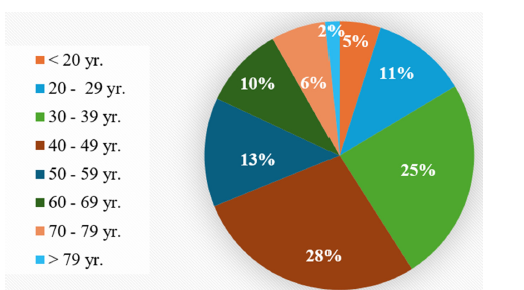
Figure 2:Gender distribution of study participants.

Figure 3:Shows waist circumference in both genders.
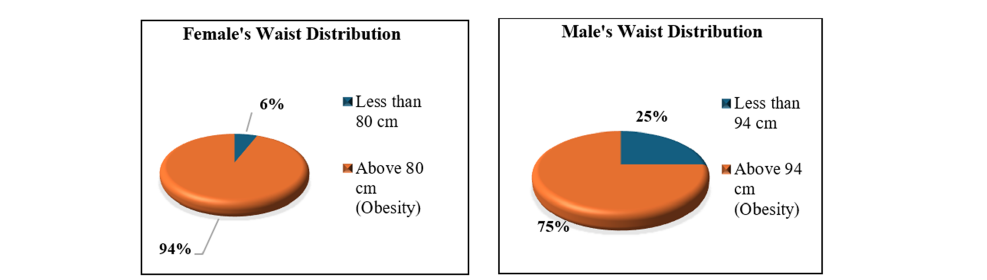
Figure 4:Distribution of BMI categories among both genders according to IDF.
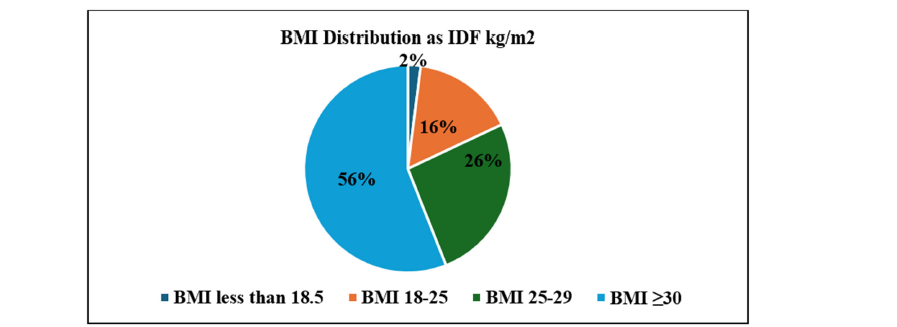
Table 1:Biochemical parameters compared to IDF criteria of metabolic syndrome.

Table 2:Comparison between normality and abnormality of metabolic syndrome components (Males) according to (IDF) criteria-data set (1).
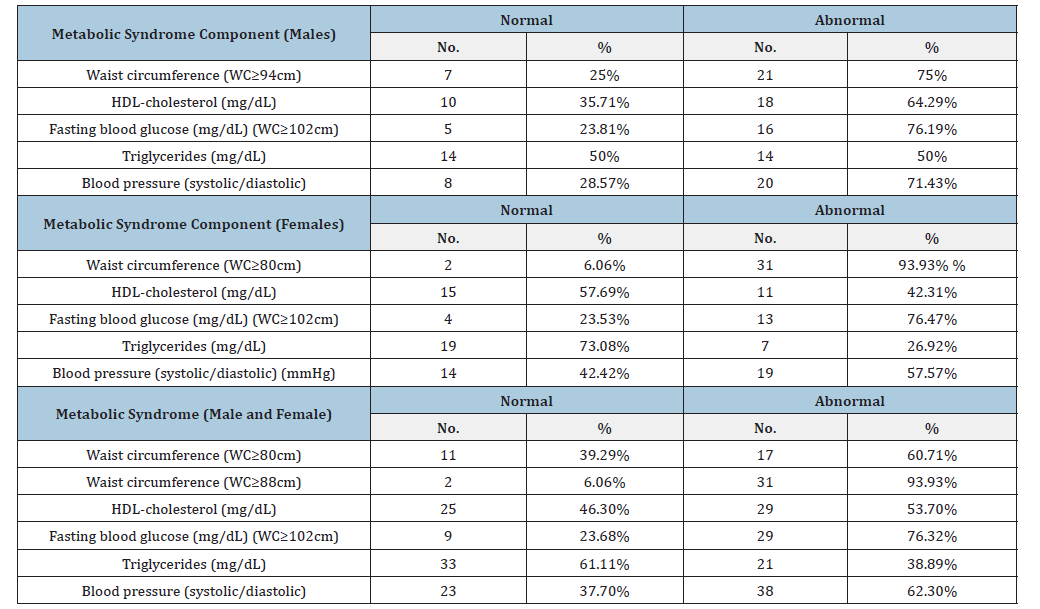
Table 3:Comparison of abnormality percentage (males vs. females) of metabolic syndrome components according to (IDF) criteria data set (1).

Estimating the prevalence of metabolic syndrome (MetS)
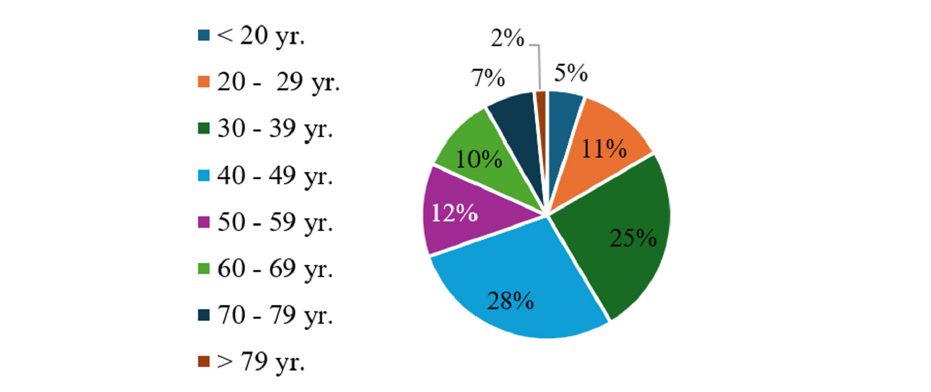
According to IDF criteria requires three of five criteria for diagnosis (Table 4 & 5). The analysis reveals a higher MetS prevalence in the age groups of 40-50 (28%) and 30-40 (25%) (Figure 5). In a sample of 34 individuals (males and females), the overall prevalence was 56%. (set1). Separated data showed MetS prevalence of 33% in men and 22% in women (Table 6 & 7). It is noted that these results are limited to individuals with complete necessary data due to unavailability of some measurements.
Table 4:Metabolic syndrome prevalence for males and females.

Table 5:Distribution of the 34 individuals with metabolic syndrome prevalence.
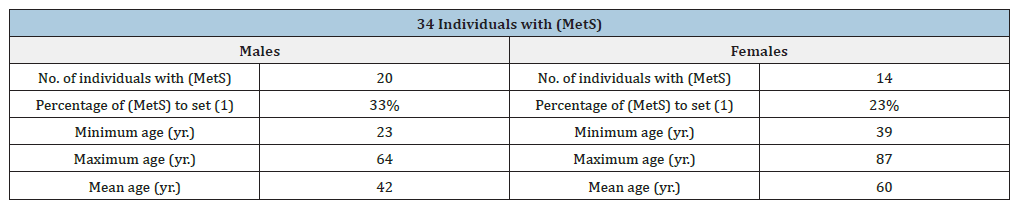
Table 6:Insulin resistance prevalence and distribution of HOMA-IR, HOMA IS stands for homeostatic model assessment of insulin sensitivity. [Data set (2)].

Table 7:Mean values (FPG), HbA1c, insulin and HOMA–IR, [Data set (2). Abbreviations: FPG: Fasting Plasma Glucose, HbA1c: Hemoglobin A1c Glycated Hemoglobin, Insulin: Pancreatic Hormone Insulin, HOMA IR: Homeostatic Model Assessment of Insulin Resistance.

Figure 5:Percentage Of (MetS) prevalance vs. age groups (n=34)/Data set (1).
Insulin resistance
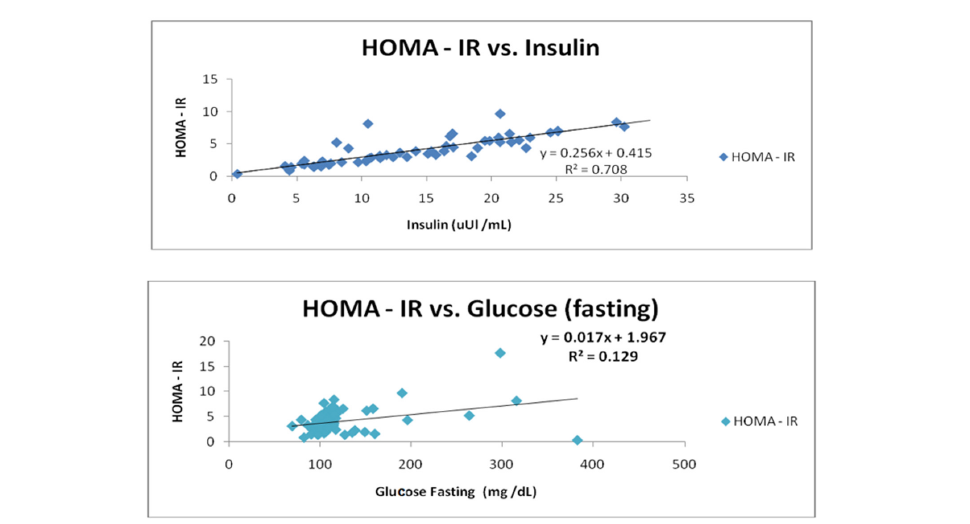
Estimating insulin resistance involved a sample of 61 individuals from Al-Shark Laboratories. The Homeostasis Model Assessment (HOMA-IR) index indicated that 63.94% were insulin resistant, while only 3.28% were insulin-sensitive. The mean HOMA-IR levels were 4.17 overall, with men showing higher levels (4.7) compared to women (3.6). This disparity is attributed to elevated fasting blood glucose levels (147mg/dL for men vs. 109mg/dL for women) and HbA1c percentages (6.81% for men vs. 5.46% for women), (Figure 6). Insulin levels were similar, averaging 14.4uUI/mL in men and 13.58uUI/mL in women, with a combined average of 14.02uUI/mL. Table 6, 7 and Figure 7 show the relationship between insulin and HOMA-IR, and Glucose vs. HOMA -IR, Set data (2). Both relationships showed a direct proportional linear relationship with a correlation of 0.71 and 0.129 respectively. This might be related to the equation that relate to the three components.
Figure 6:The prevalence of MetS components by gender.
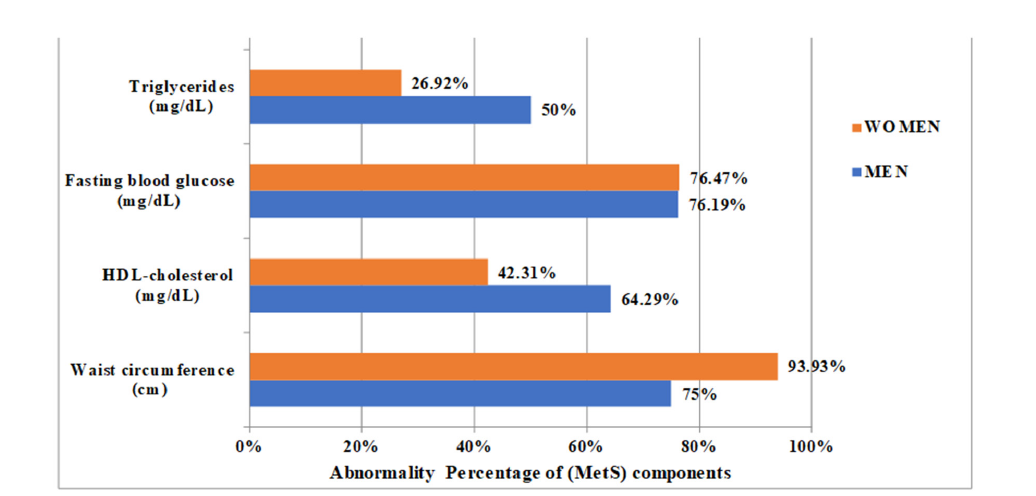
Figure 7:Insulin and glucose vs. HOMA -IR, Set data (2).
In order to summarise the result, the study utilized the International Diabetes Federation (IDF) criteria to assess the prevalence of MetS components, revealing that obesity is a major contributor, affecting 75% of men and 94% of women. Using BMI for categorization, 42.86% of men and 69.70% of women fell into the obesity category. Additionally, 64.29% of men and 42.31% of women exhibited HDL-cholesterol levels above the IDF criteria, with an overall combined statistic of 53.70%. Fasting blood glucose levels were almost identical between genders, with 76.32% of men and 76.47% of women exceeding the IDF criteria. The prevalence of MetS was higher in men (67.86%) compared to women (42.42%). In a separate sample of 61 individuals focused on insulin resistance, indicating that 63.94% were insulin resistant, while only 3.28% were insulin-sensitive.
Discussion
Metabolic syndrome is a silent widespread health crisis: it dramatically increases the risk of heart disease, stroke, and type 2 diabetes [11-13]. The shocking truth is that many people don’t realize they already meet the criteria, since the condition often develops without obvious symptoms [3,14,15]. Within this context, insulin resistance is crucial, reflecting cells’ inadequate insulin response, and is linked to impaired glucose metabolism and the eventual decline of insulin production by the pancreas. Low vitamin D levels exacerbate diabetes risk [16], while obesity, particularly involving abdominal fat, worsens insulin resistance through increased free fatty acids, disruption of glucose regulation, altered cholesterol levels, and inflammation, all of which contribute to cardiovascular disease [17]. Key proteins, such as PTP1B and LAR, regulate insulin signalling, with evidence suggesting that eliminating PTP1B enhances insulin sensitivity, and that GLUT4 transporter dysfunction in obesity impedes glucose uptake [18,19]. The present study employed the International Diabetes Federation (IDF) criteria [20,21] to evaluate the prevalence of metabolic syndrome components among adults in Tripoli, Libya. The findings underscore the significant burden of obesity and insulin resistance in this population as in previous studies [21,22]. Obesity emerged as a major contributing factor, affecting 75% of men and 94% of women. Based on Body Mass Index (BMI) classification, 42.86% of men and 69.70% of women were categorized as obese. Regarding lipid profiles, 64.29% of men and 42.31% of women exhibited High-Density Lipoprotein (HDL) cholesterol levels above the IDF threshold, with an overall prevalence of 53.70%. Fasting plasma glucose levels were elevated in both sexes at comparable rates exceeding the IDF criteria [19]. The overall prevalence of metabolic syndrome was significantly higher in men compared to women. Results also revealed that most of participants demonstrated insulin resistance, while a few exhibited insulin sensitivities.
These findings highlight the dual burden of obesity and insulin resistance as major determinants of metabolic syndrome in Tripoli. Notably, women demonstrated higher rates of obesity, whereas men exhibited a greater prevalence of metabolic syndrome overall. The absence of population specific standards for BMI and waist circumference in Libya underscores the urgent need for tailored diagnostic guidelines. Furthermore, the anti-aging role of the sirtuin 1 gene is crucial in preventing metabolic syndrome, particularly in relation to obesity and insulin resistance [22-24]. Therefore, sirtuin 1 activators and inhibitors should be assessed in MetS patients to determine the appropriateness of dietary interventions [25]. Lifestyle modifications, exercise, and dietary changes are also important for raising plasma sirtuin 1 level [26].
Conclusion
MetS is prevalent in Tripoli, driven by obesity and insulin resistance. It’s crucial to establish Libyan-specific BMI and waist circumference diagnostic criteria. Public health initiatives should focus on lifestyle interventions, dietary improvements, and awareness campaigns to reduce MetS-related risks.
Recommendations
Developing national diagnostic standards for Metabolic Syndrome (MetS) components in Libya is essential. Additionally, establishing a national database to monitor MetS prevalence, implementing public health programs aimed at obesity reduction and lifestyle modification, and encouraging collaboration between public and private health authorities are necessary steps for effective management of MetS.
Future Directions
Future research should expand beyond the limited sample size and geographic scope of this study by incorporating larger, multicenter cohorts across Libya. Establishing nationally representative data will allow for the development of populationspecific diagnostic cut-points for waist circumference and BMI. Moreover, longitudinal studies are needed to track the progression of metabolic syndrome and its components over time, as well as to evaluate the effectiveness of lifestyle interventions, dietary modifications, and public health strategies in reducing its prevalence. Genetic and sociocultural factors unique to the Libyan population should also be explored to provide a more comprehensive understanding of MetS risk determinants. Future research should compare dietary vs. pharmacological modulation of SIRT1 to optimize prevention and management of MetS.
Limitations
This study is limited by its relatively small sample size of 61 individuals, drawn from a single geographic area within Tripoli city, Libya. As such, the findings may not be generalizable to the wider Libyan population. Additionally, the absence of nationally established waist circumference and BMI cut-points restricted the analysis to international criteria, which may not fully capture population-specific risk factors.
References
- Grundy SM (2006) Metabolic syndrome: connecting and reconciling cardiovascular and diabetes worlds. Journal of the American College of Cardiology 47(6): 1093-1100.
- Landin K, Tengborn L, Smith U (1990) Elevated fibrinogen and plasminogen activator inhibitor (PAI‐1) in hypertension are related to metabolic risk factors for cardiovascular disease. Journal of Internal Medicine 227(4): 273-278.
- Alberti KG, Eckel RH, Grundy SM, Zimmet PZ, Cleeman JI, et al. (2009) Harmonizing the metabolic syndrome: A joint interim statement of the International Diabetes Federation Task Force on Epidemiology and Prevention; National Heart, Lung, and Blood Institute; American Heart Association; World Heart Federation; International Atherosclerosis Society; and International Association for the Study of Obesity. Circulation 120(16): 1640-1645.
- American Diabetes Association Professional Practice Committee (2024) 2. Diagnosis and classification of diabetes: Standards of care in diabetes-2024. Diabetes Care 47(Suppl 1): S20-S42.
- Reaven GM (1988) Banting lecture 1988. Role of insulin resistance in human disease. Diabetes 37(12): 1595-1607.
- Foster DW (1989) Insulin resistance-A secret killer? New England Journal of Medicine 320(11): 733-734.
- Li T, Zhao S, Zhou X, Kong M, Dai Z, et al. (2026) Exploring the comorbidity of type 2 diabetes mellitus and polycystic ovary syndrome: treatment with traditional Chinese medicine. Front Med 13: 1764278.
- Ajmal N, Khan SZ, Shaikh R (2019) Polycystic ovary syndrome (PCOS) and genetic predisposition: A review article. European Journal of Obstetrics & Gynecology and Reproductive Biology: X 3: 100060.
- Ballena-Caicedo J, Zuzunaga-Montoya FE, Loayza-Castro JA, Bustamante-Rodríguez JC, Vásquez Romero LEM, et al. (2025) Global prevalence of insulin resistance in the adult population: A systematic review and meta-analysis. Front Endocrinol 16: 1646258.
- Ferrannini E, Haffner SM, Mitchell BD, Stern MP (1991) Hyperinsulinaemia: The key feature of a cardiovascular and metabolic syndrome. Diabetologi 34(6): 416-422.
- Kaplan NM (1989) The deadly quartet: Upper-body obesity, glucose intolerance, hypertriglyceridemia, and hypertension. Archives of Internal Medicine 149(7): 1514-1520.
- Barakat HA, Carpenter JW, McLendon VD, Khazanie P, Leggett N, et al. (1990) Influence of obesity, impaired glucose tolerance, and NIDDM on LDL structure and composition: Possible link between hyperinsulinemia and atherosclerosis. Diabetes 39(12): 1527-1533.
- Després JP, Lemieux I (2006) Abdominal obesity and metabolic syndrome. Nature 444(7121): 881-887.
- Després JP, Lemieux I, Bergeron J, Pibarot P, Mathieu P, et al. (2008) Abdominal obesity and the metabolic syndrome: Contribution to global cardiometabolic risk. Arteriosclerosis, Thrombosis, and Vascular Biology 28(6): 1039-1049.
- Pittas AG, Lau J, Hu FB, Dawson-Hughes B (2007) The role of vitamin D and calcium in type 2 diabetes. A systematic review and meta-analysis. J Clin Endocrinol Metab 92(6): 2017-2029.
- Kahn SE, Hull RL, Utzschneider KM (2006) Mechanisms linking obesity to insulin resistance and type 2 diabetes. Nature 444(7121): 840-846.
- Goldstein BJ, Ahmad F, Ding W, Li PM, Zhang WR (2000) Regulation of insulin action by protein tyrosine phosphatases. Am J Physiol Endocrinol Metab 279(5): E825-E835.
- Shepherd PR, Kahn BB (1999) Glucose transporters and insulin action-implications for insulin resistance and diabetes mellitus. The New England Journal of Medicine 341(4): 248-257.
- Watson RT, Kanzaki M, Pessin JE (2004) Regulated membrane trafficking of the insulin-responsive glucose transporter 4 in adipocytes. Endocrine Reviews 25(2): 177-204.
- (2006) The IDF consensus worldwide definition of the metabolic syndrome. IDF: Brussels, Belgium.
- World Health Organization (1995) Physical status: The use of and interpretation of anthropometry, Report of a WHO Expert Committee. World Health Organization.
- Martins IJ (2016) Anti-aging genes improve appetite regulation and reverse cell senescence and apoptosis in global populations. Advances in Aging Research 5: 9-26.
- Martins IJ (2017) Single gene inactivation with implications to diabetes and multiple organ dysfunction syndrome. J Clin Epigenet 3(3): 24.
- Martins IJ (2018) Sirtuin 1, a diagnostic protein marker and its relevance to chronic disease and therapeutic drug interventions. EC Pharmacology and Toxicology 4: 209-215.
- Martins IJ (2017) Nutrition therapy regulates caffeine metabolism with relevance to NAFLD and induction of type 3 diabetes. J Diabetes Metab Disord 4: 019.
- Wasserfurth P, Nebl J, Ruhling MR, Shammas H, Bednarczyk J, et al. (2021) Impact of dietary modifications on plasma sirtuins 1, 3 and 5 in older overweight individuals undergoing 12-weeks of circuit training. Nutrients 13(11): 3824.
© 2026 Hanan Abushwereb. This is an open access article distributed under the terms of the Creative Commons Attribution License , which permits unrestricted use, distribution, and build upon your work non-commercially.
Editor In Chief







.jpg)































Signup for Newsletter

Quick Links
 Editorial Board Registrations
 Submit your Article
 Best Paper of the Volume
 Reprints
 Refer a Friend
 Advertise With Us
Our Recent Edition

.jpg)



Top Editors




.jpg)

















.bmp)
.jpg)
.png)
.jpg)













.jpg)






.png)

.png)




.png)




Financial Support

Sponsors

Latest e-Books

Latest Video

 a Creative Commons Attribution 4.0 International License. Based on a work at www.crimsonpublishers.com.
Best viewed in
a Creative Commons Attribution 4.0 International License. Based on a work at www.crimsonpublishers.com.
Best viewed in 
 | Above IE 9.0 version