

- About Us
- Information
-

The Author ensures that the research has been conducted responsibly and ethically with adherence to all relevant regulations. read more..
- For Authors
- For Reviewer
- Manuscript Guidelines
- Membership
- Publication Ethics
-
- Journals
- Reprints
- e-Books
- Videos
- Policies
- Contact Us
 COVID-19
- Submissions



Full Text
Novel Techniques in Nutrition and Food Science
A Traditional Ayurvedic Herb Revolutionizing Healthcare: A Review of Adhatoda Vasica (Vasaka) Nees
Ali Usman1*, Tahir Abbas2, Hafiz Nafees Ul Hassan3*, Muhammad Bilal3, Faiza Noor3, Kanza3, Wajeeha Sultan4, Mahnoor Alam5, Zeeshan Zafar5 and Muhammad Usman6
1Department of Human Nutrition and Dietetics, Riphah College of Rehabilitation & Allied Health Sciences, Pakistan
2Department of Human Nutrition and Dietetics, Government College University Faisalabad, Pakistan
3National Institute of Food Science and Technolovgy, University of Agriculture Faisalabad, Pakistan
4City Hospital, Pakistan
5Department of Allied Health Sciences, Chak Shahzad Campus Islamabad, Iqra University, Pakistan
6Main Campus, Government College University Faisalabad, Pakistan
*Corresponding author:Ali Usman, Department of Human Nutrition and Dietetics, Riphah College of Rehabilitation & Allied Health Sciences and Hafiz Nafees Ul Hassna, National Institute of Food Science and Technolovgy, University of Agriculture Faisalabad, Pakistan
Submission: March 23, 2026;Published: April 23, 2026
ISSN:2640-9208Volume8 Issue 5
Abstract
Adhatoda vasica is widely used as medicinal plant which is famous for therapeutic and herbal medicine in Unani and Siddha. This plant is rich with wide range of bioactive alkaloids, and this plant particularly gives vasicine, vasicinone and deoxy vasicine which provide strengthen in bronchodilator, expectorant, antiinflammatory, antimicrobial, antioxidant and antimicrobial properties. This review clears up the current scientific new research on pharmacognosy, phytochemistry, traditional uses and modern pharmacological activities. The leaves of vasaca are commonly used in respiratory issues including asthma, tuberculosis, cough, bronchitis and fever. It is not only used for respiratory problems but also helps in bleeding disorders. The modern technology can evidence the respiratory issues, stop the growth of harmful microbes, lowering the sugar level in blood and reduce the inflammation in the body.by combining traditional knowledge with current research studies, this review recognized the importance of a Vasaca and highlight the importance of clinical research of recommended dosage, safety and therapeutic applications.
Introduction
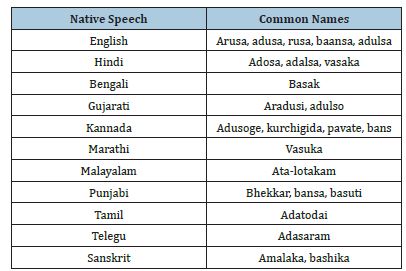
One of the keys aims of humankind has always been to create or develop ways to treat illnesses and improve health, and every culture throughout history has developed its own healing methods. Many traditional healers believe that pharmaceutical drugs are helpful in emergencies, such as during a heart stroke, but they often come with multiple harmful effects. However, herbal medicines are considered to produce fewer side effects. Moreover, plants naturally contain an effective combination of compounds that perform together to control diseases more effectively, making them a useful source of therapeutic agents [1]. Vasaka, commonly called as Malabar nut tree, is a well-known plant found across India. Vasaka (Malabar nut tree) have multiple branches and have long leaves. Vasaka that is asthma relieving herb found in India and its different areas. In past treatment of years, it has been used to prevent or to cure various diseases such as cough, asthma, bronchitis and tuberculosis. It also plays important role in treating blood infections, fever and its related circumstances, yellow fever and oral or retina (eye) related infections. Malabar nut tree is specially highlighted for lung functioning and breathing related circumstances [2]. Malabar nut tree (vasaka) has vast variety of alkaloids, mainly called quinazoline and its derivatives. Prominent alkaloids are vasicinone and vasicine that are key active ingredients of vasaka. Other active ingredients that are vasicol, adhatodine and anisotine, are also found in this tree (Table 1). Moreover, vasaka have rich variety of polyphenolics (flavonoids) that is kaempferol, quercetin, luteolin and apigenin [3].
Table 1:A List of common names of vasaka (adhatoda vasica).
The previous historic name used for vasaka is Vasa which means perfume that usually comes from the herb beauty and heart whelming fragrance. Vasaka in classical plant nomenclature, recalled as lion’s muzzle and stallion’s tooth which dominates its vast properties. A most popular Bangladeshi quotation describes its importance in this sense that is “A man can’t die of a disease that he/she is suffering with where Nirgundi, Malabar nut tree (vasaka) and Vacha present and he/she knows how to use these herbs.” Scientists also find out vast variety of active ingredients that are necessary oils and quinazoline alkaloids compounds which ultimately enhance the medical and healing properties of vasaka herb [4]. Vasaka (malabar nut tree) have been used for many years for treating multiple diseases. Vasaka found in multiple Asian countries that are Pakistan, Nepal, China, India, Malaysia, Indonesia and Sri Lanka. Scientists discovered that vasaka also have antistress activities which supports hormone and immune system. Vasaka also have vast variety of antioxidant water-soluble vitamin that is vitamin C. In addition, it is also used for lowering blood glucose levels, for the management of yellow fever and bleeding issues. It is also used as a sputum- expelling agent, which helps to clear mucus from the air-passage way or also helps in loosening of mucus in lungs. Vasaka flowers, roots and leaves are used to prevent or treat various cancers and related conditions [5].
Table 2:Taxonomical classification [7].
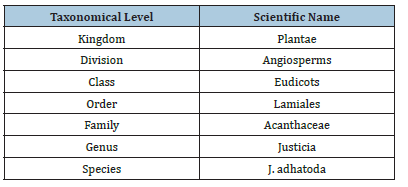
Vasaka (Malabar nut tree) have multiple roles in our ecological system also. As vasaka found in deep bunches, it helps to give protection or refuge to many animals and birds. Flowers of vasaka have rich content of floral-based syrup which attracts the nectarfeeding insects. The deep dense and strong rooting system of vasaka helps to fasten the soil and prevents destruction. In addition, this plant is unpalatable for livestock, but its leaves are often consumed by hilly regional inhabitants (Table 2). The species of this vasaka is reducing quickly due to human based activities [6].
Botanical features
Figure 1:Showing Adhatoda vasica Plant.
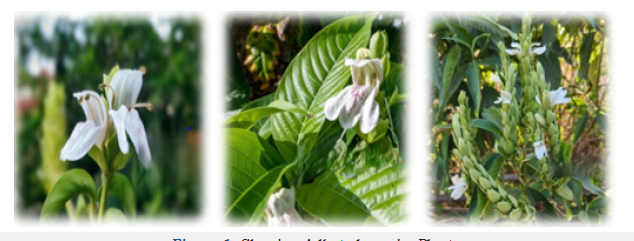
Adhatoda is a small tree that can flourish up to 2.5 meters in height, with its younger parts covered in fine, soft hairs. The plant has opposite leaves that are oval to lanceolate in shape, measuring up to 18 centimeters in dimension. The leaf base is either rounded or pointed, and the petiole ranges between 1.5 and 2.5 centimeters. Young leaves are characteristically hairy but become smooth as they mature. The plant bears compact clusters of flowers at the terminal part of branches, forming spikes that can reach up to 7.5 centimeters in size. These flowers are bisexual, unequal in form, and primarily white with a soft pinkish-violet pigment near the throat. The corolla is two lipped, with the upper lip notched in the middle and the lower lip divided into three rounded sections. The stamens are positioned near the throat of the corolla, and the ovary is covered with fine hairs and contains two cells, each holding two ovules (Figure 1). After flowering, the plant produces an ellipsoidal shaped fruit about 2 centimeters long that contains one or two round, smooth, and wrinkled seeds [7].
Phytochemical properties of vasaka
There are variety of chemical constituents found in leaves, flower, roots, seeds, stem and fruit of plant J. adhatoda. It includes essential oils, fats, sugars, gum, resins, amino acids, proteins, and vitamin C. Analytical studies revealed that Adhatoda vasica leaves contain flavonoids, phenols, alkaloids, anthraquinones, sponins and reducing sugars. From pharmacologically essential phytochemicals, the most deeply investigated is the bitter quinazoline alkaloid, Vasicine (1,2,3,9-tetrahyropyrrole [2,1- b] quinazoline-3ol, C11H12N2O) found in flowers, leaves and roots. Furthermore, triterpenoid 3-hydroxy-D-friedoolean-5-ene, together with two other compounds, epitaraxerol and peganidine, have been discovered in aerial parts of Adhatoda vasica Nees [8]. The manufacturing of Vasicine is done by combining 2-amino benzylamine to vicinyl vasicinone tricarbonyl regent35. The other triterpenoid 3-hydroxyl-D-friedoolean-5-ene with two more compounds named epitaraxerol and peganidine are additionally discovered in aerial parts of Adhatoda vasica Nees. The major minerals include K, Na, Ca, Mg and trace minerals such as Zn, Cu, Cr, Ni, Co, Cd, Pb, Mn and Fe are also discovered during elemental analysis by atomic absorption spectrometry [9].
Extraction method
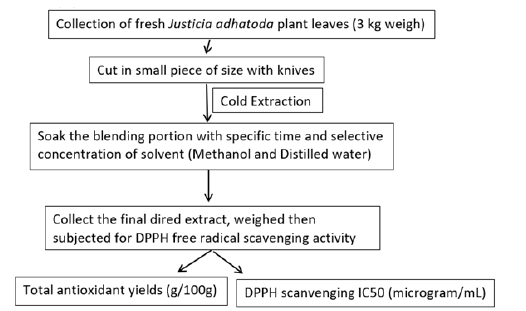
To enhance quality and to attain purity of extracted components from plant materials of Adhatoda vasica, the powdered samples underwent sequential extraction using a Soxhlet apparatus followed by column chromatography. The process used 4g of powder with 600ml of solvent, selected for a range of polarities (hexane, toluene, ethyl acetate, acetone and methanol). Extraction conducted at the solvent’s boiling point for 6-8 hours over six cycles (Figure 2). All analytical grade chemicals and solvents obtained from Sigma- Aldrich and used without further purification [10].
Figure 2:Schematic diagram for preparation of crude extract of justicia adhatoda by response surface method [10].
Leaves: The two main alkaloids found in this plant are Vasicine (0.85%) and Vasicinone (0.027%) that are located in leaves and roots. Other alkaloid constituents also present like Vascinol, Adhatodine, Adhatonine, Anisotine, Adhavasinone and Hydroxypeganine. Alongside this, it also hold a little amount of crucial oil and crystalline acid, betaine, steroids and alkanes.
Flower: It includes triterpenes (alpha-amyrin), flavonids (Astragalin, Quercetin, Apigenin, Kaempferol, Vitexin), 4-dihydrochalcone 4-glucoside and alkane.
Roots: The root part of this plant contains Vitamin C (5.2%), some fats (2.5%), daucosterol, carbohydrates, fiber, alkanes, alkaloids and other helpful chemicals.
Figure 3:Showing chemical structure of some phytochemical obtained from adhatoda vasica nees.
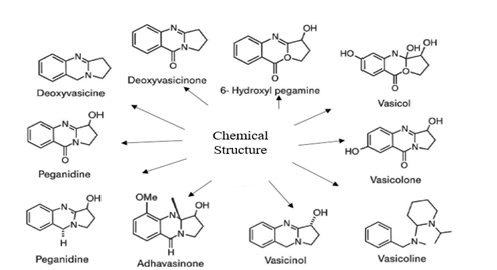
Seeds: The seeds have 25.8% deep yellow oil that’s made up of different types of acids and other compounds like lignoceric acid (10.7%), oleic acid (49.9%), linoleic acids (12.3%), glycerides of arachidic acid (3.1%), cerotic (5%), behenic (11.2%) and B-sitosterol (2.6%) [11] (Figure 3).
Alkaloids
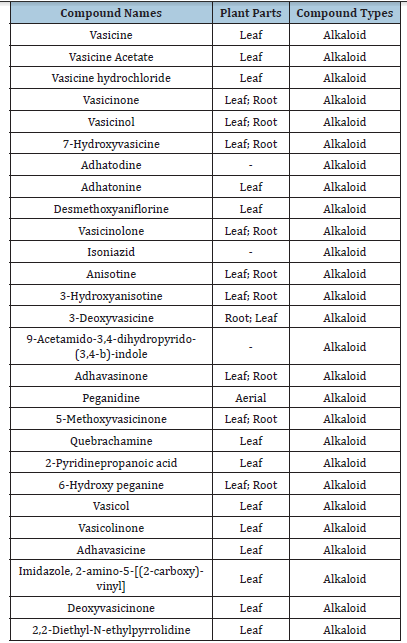
Alkaloids are the chief bioactive compounds in Adhatoda vasica, with vasicine and vasicinone being the most plentiful pyrroloquinazoline alkaloids present in its leaves and roots. These two crucial alkaloids are responsible for a broad range of therapeutic effects, incorporate antioxidant, anti-inflammatory, antimicrobial and bronchodilatory activities. Plant produces various arrangement of other alkaloids, like vasicinol, adhatodine and anisotine (Table 3). Moreover, new quinazoline alkaloid is characterized as 9-acetaamido-3,4-dihydropyrido-(3,4b)-indole isolated from roots and desmethoxyaniflorine from leaves [12].
Table 3:Chemical constituents (alkaloid) of adhatoda vasica [33].
Flavonoids
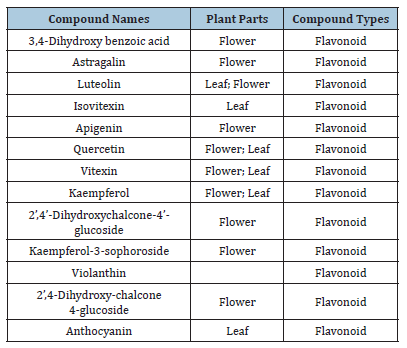
Most flavonoid compounds are isolated primarily from ether extracts that are present in both the leaves and flowers of Vasaka plant. These involve 3,4-dihydroxy benzoic acid, apigenin, quercetin, vitexin, astragalin, luteolin, isovitexin and kaempferol. Additional flavonoids include 2’,4’-dihydroxychalcone-4’-glucoside, kaempferol-3-sophoroside, violanthin, 2’,4-dihydroxy-chalcone 4-glucoside and anthocyanin similarly noted [13] (Table 4).
Table 4:Chemical constituents (flavonoid) of adhatoda vasica [33].
Essential oils
Table 5:Chemical constituents (essential oil) of adhatoda vasica [33].
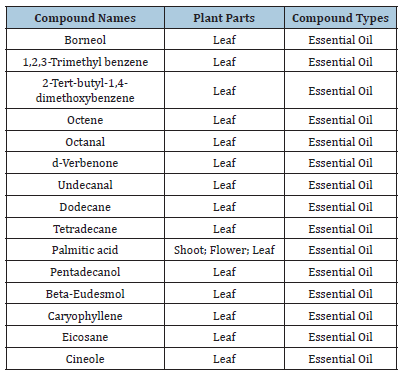
Phytochemical analysis has reported approximately 48 crucial oils from Adhatoda vasica. Among these, the compounds consistently identified as constituents are borneol, 1,2,3-trimethyl benzene and 2-tert-butyl-1,4-dimethoxybenzene. A comprehensive investigation employing GC-MS characterized 27 essential oils, revealing a profile rich in compounds such as octene, d-verbenone, palmitic acid, caryophyllene oxide and series of long-chain alkanes including heptacosane and pentacosane. Supplementary analysis has isolated additional array of important compounds, including the monoterpenes sabinene (Table 5), alpha-pinene and D-limonene; the sesquiterpenes alpha-caryophyllene and alphacurcumene; and other diverse molecules such as cineole, o-cymene and 9,12-octadecadienoic acid [14-16].
Terpenes and steroids
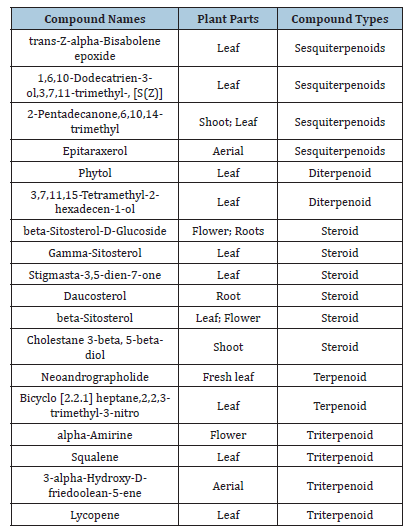
A wide selection of terpenes and steroids has been identified in Adhatoda vasica. These involve six sesquiterpenoids like trans- Z-alpha-bisabolene epoxide and epitaraxerol, in addition to two diterpenoids and eight steroids. Significant steroids involve betasitosterol and its glucoside, gamma-sitosterol, and daucosterol, which have been isolated from the leaves, flowers, roots and shoots of the plant (Table 6). Additionally, the plant consists of different other terpenoids, triterpenoids (e.g: alpha-amirine, squalene) and tetraterpenoids such as lycopene [17].
Table 6:Chemical constituents (terpenes and steroids) of adhatoda vasica [33].
Organic acids and derivatives
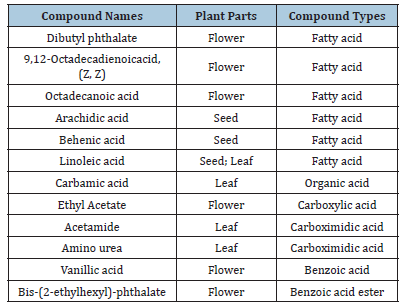
Organic acids are another significant class of organic compound characterized by their carboxylic acid group (COOH). Several compounds including various methyl esters of octadecatrienoic and octadecadienoic acid, along with dibutyl phthalate were shown in analyses of leaf, shoot and flower extracts. Seeds of Adhatoda vasica were marking fatty acids such as behenic, arachidic and linoleic acid (Table 7). A small number of benzoic acid derivatives like vanillic acid have been isolated [18].
Table 7:Chemical constituents of adhatoda vasica [33].
Phenols
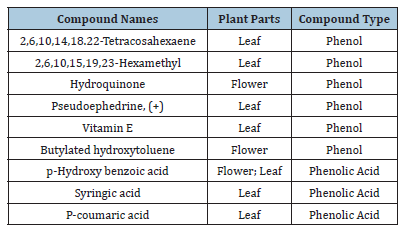
Phenolic compounds incorporate by a hydroxyl group attached to an aromatic ring that are another class o phytochemicals present in Adhatoda vasica. Few phenolic compounds were detected such as butylated hydroxytoluene, hydroquinone and vitamin E. Leaves contain different phenolic acids like syringic acid, p-hydroxybenzoic acid, p-coumaric acid and tannic acid [19] (Table 8).
Table 8:Chemical constituents (phenols) of adhatoda vasica [33].
Mechanism of Action
Vasaka, which is usually taken as a tea to alleviate respiratory aillments, may shield AECs, aka airway epithelial cells, from damage caused by smoke from wood particles and stop the generation of pathogenic mucus. Smoke from wood and biomass is a pneumotoxic air pollutant. Although excessive mucus production can impede airflow and result in respiratory discomfort, muscus generally protects the airways. ACEs exposed to wood particles induce mucin 5AC (MUC5AC) mRNA was dose-dependently reduced by pre- and co-treatment with vasaka tea. This was associated with AEC damage/death, an alleviation of stress in the Endoplasmic Reticulum (ER) and Transient Receptor Potential Ankyrin-1 (TRPA1) inhibition. Additionally, there was less induction of mRNA for TRP vanilloid-3 is a gene that inhibits Cell death caused by wood smoke particles and ER stress, as well as anterior gradient 2, an ER chaperone/disulfide isomerase necessary for MUC5AC synthesis. Selected compounds found in Vasaka tea, such as vasicine, vasicinone, apigenin, vitexin, isovitexin, isoorientin, 9oxoODE and 9,10-EpOME, showed variable suppression of TRPA1, ER stress, and MUC5AC mRNA activation. The most muco suppressive and cytoprotective substances were apigenin and 9,10-EpOME. Particles of wood smoke and Vasaka tea also activated cytochrome P450 1A1 (CYP1A1) mRNA. MUC5AC mRNA expression and ER stress were increased when CYP1A1 was inhibited, indicating a potential function in the production of defensive oxylipins in cells under stress. The findings raise the prospect provide mechanistic insights and evidence supporting the purported advantages of Vasaka tea in the treatment of lung inflammatory disorders and encourage its growth as a precautionary and/or regenerative therapy [20].
Pharmacological Activities
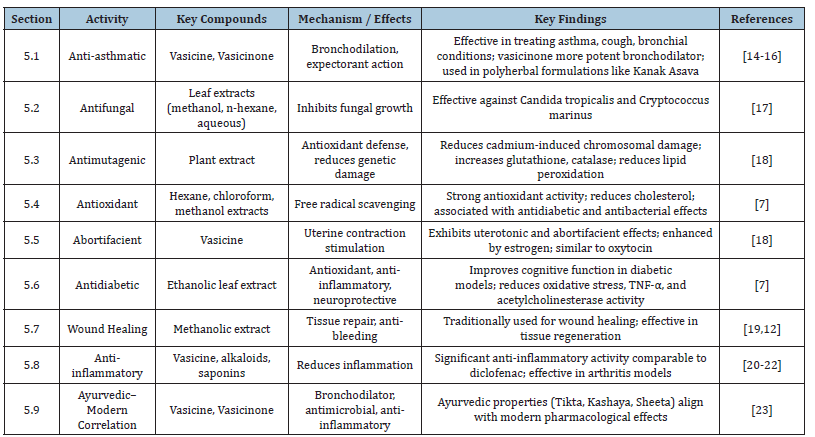
Anti-asthmatic
Vasicine and vasicinone, the two main alkaloids of adhatoda, are known medicinal respiratory substances [21]. Pneumonia can be treated with root and foliage extracts, colds, coughs, and other conditions affecting the lungs and bronchioles. The alkaloid vasicine and its derivatives are present in herbal tea made from fresh adhatoda leaves, which makes it an expectorant [22]. The origins of plant have been used for generations to treat respiratory problems as an airway dilator. This function is aided by the alkaloids vasicine and vasicinone, both of which are well-known for their therapeutic effects on the respiratory system. Of them, vasicinone, an oxidized derivative of vascinine, is a more effective bronchodilator. Vasicine’s synthetic equivalent, azepino (2, 1b) quinazolones, is well-known for its anti-asthmatic properties. Adhatoda vasica is a key component of many polyherbal remedies used to cure different illnesses [23].
Antifungal properties
The antifungal efficacy of Adhatoda vasica leaf extracts has been using methanolic, n-hexane, and aqueous solvent systems against clinically relevant fungal pathogens such as Candida tropicalis and Cryptococcus marinus [24].
Antimutagenic activity
Adhatoda vasica has established notable antimutagenic and antioxidant potential in experimental studies including heavy metal-induced toxicity. Research on Swiss albino mice has shown that exposure to cadmium chloride can cause severe renal oxidative stress and genetic damage, leading to chromosomal aberrations and micronuclei development. However, pre-administration of Adhatoda vasica extract was found to significantly reduce these mutagenic effects. Oral treatment with the plant extract at varying doses for an age of seven days markedly better antioxidant defense mechanisms. The extract helped reinstate glutathione levels and enhanced the activity of antioxidant enzymes such as catalase and those dependent on glutathione. It also added to a substantial decrease in lipid peroxidation and xanthine oxidase activity, representing its protective role against oxidative and genotoxic stress [25].
Antioxidant activity
Antioxidants play an important role in protecting the body by counteracting free radicals, which are unstable molecules that can damage proteins, lipids, and nucleic acids. Such oxidative damage is often related to the development of various progressive diseases. The plant has also verified antidiabetic and antibacterial properties in different studies. Among the different studies that tested solvent extracts from hexane, chloroform, and methanol exhibited the strongest antioxidant effect, along with a remarkable ability to reduce blood cholesterol level [26].
Abortifacient activity
Adhatoda vasica has been reported to possess both abortifacient and uterotonic properties in different species, including humans. These biological activities are mainly associated with the alkaloid vasicine, one of the major active residents of the plant. Studies indicate that vasicine can stimulate rhythmic contractions in uterine muscle tissues from both pregnant and non-pregnant individuals, showing effects comparable to standard uterotonic agents such as oxytocin and methylergometrine. Experimental findings on guinea pigs validated a stronger abortifacient effect when estrogen was administered prior to treatment, suggesting that the presence of estrogen enhances vasicine’s activity. This enhancement is likely related to increased prostaglandin synthesis and release, which plays a key role in promoting uterine contractions [27]..
Antidiabetic activity
Diabetes-associated cognitive impairment, often termed diabetic encephalopathy, is considered by memory dysfunction linked to oxidative and nitrosative stress, inflammation, and cholinergic instabilities. Research has examined the potential of Adhatoda vasica, a plant known for its antioxidant, antiinflammatory, anticholinesterase and antihyperglycaemic properties, in mitigating these complications. In streptozotocininduced diabetic rat models, ethanolic leaf extract of Adhatoda vasica has been administered for several weeks at varying doses to evaluate its neuroprotective effects. Cognitive performance has typically been assessed using behavioural tests such as the Y-maze and passive avoidance tasks. Findings from these studies show that untreated diabetic animals exhibit pronounced biochemical alterations, including elevated acetylcholinesterase activity, increased lipid peroxidation, reduced levels of non-protein thiols and diminished activity of antioxidant enzymes such as superoxide dismutase and catalase. Significant increases in nitrite levels and pro-inflammatory cytokines like TNF-α have also been described in diabetic brain tissue. Administration of AVEE has been shown to attenuate many of these abnormalities, suggesting that Adhatoda vasica may help counteract oxidative stress, inflammation and cholinergic dysfunction accompanying with diabetic encephalopathy [28].
Wound healing
Adhatoda vasica leaf extracts were found to have woundhealing properties [29]. The best traditional remedy for mending wounds is Adhatoda vasica. In folklore, its leaves and pastes have been prepared in a variety of ways to cure wounds and bleeding, particularly among Southeast Asian cultures [30,31]. A’s methanolic extract. Vasica has been discovered to be beneficial for wound care.
Anti-inflammatory activity
Vasicine, a quinazoline alkaloid, is what gives adhatoda its anti-inflammatory properties. In the anti-inflammatory activity of the methanol extract, the non-alkaloid fraction, the saponins, and the alkaloids were evaluated using the modified hen’s egg chorioallantois lining test [32]. MRQ, a polyherbal Ayurvedic remedy, has been used to treat arthritis [33]. Carrageenan-induced paw oedema was used to test the impact of this polyherbal mixture on Wistar rats [34]. Vasaka has several bioactive components, which contribute to its Anti-inflammatory properties. When compared to the common medication diclofenac, the plant’s water and alcoholic extract have a strong anti-inflammatory effect.
Correlation between ayurvedic and modern pharmacological perspectives
The Ayurvedic characterization of Vasa aligns nearly with its experimentally established pharmacological actions. The predominance of Tikta rasa and Kashaya rasa proposes detoxifying, antimicrobial, and anti-inflammatory properties which the tendancy to alleviate respiratory tract infections and inflammatory conditions. The Laghu guna reveals its ease of digestion and absorption, assistant its effectiveness in managing disorders involving excess mucus and congestion. The Sheeta veerya of Vasa corresponds well with its cooling and soothing effects on the respiratory system, particularly in conditions such as asthma, bronchitis, and fever. From a modern pharmacological standpoint, these traditional properties can be correlated with the plant’s active constituents such as vasicine, vasicinone, and other alkaloids which exhibit bronchodilatory, anti-asthmatic, anti-inflammatory, and antimicrobial effects (Table 9). This synergy between classical Ayurvedic knowledge and modern scientific findings reinforces the therapeutic significance of Vasa as a holistic remedy for respiratory and inflammatory disorders [35].
Table 9:Pharmacological activities of Vasaka.
Pharmacodynamics and Pharmacokinetics
Pharmacology can be classified into two primary and related branches, namely Pharmaco-Kinetics (PK) and Pharmaco-Dynamics (PD). Pharmacokinetics can be defined as the study of the action of the body on the drug, while pharmacodynamics can be defined as the study of the action of the drug on the body. In other words, the main focus of pharmacokinetics revolves around the action of the body on the drug, such as its absorption, distribution, metabolism, or excretion, while the main focus of pharmacodynamics revolves around the action of the drug on the body, such as the action of the drug or the interaction of the drug with its receptors, among others [36]. A comprehensive knowledge of both pharmacokinetics and pharmacodynamics, therefore, is important to pharmacists, physicians and researchers because the effect of the drug shall not only depend upon its action, but upon the action the body takes against the drug, the quantity of the drug reaching the site of action, the duration for which it stays at the site, among others. This article, therefore, shall shed light upon pharmacokinetics, PD or their roles.
Pharmacokinetics
It can be defined as the study of how the body affects a drug upon its administration through the mechanisms of absorption, distribution, metabolism and excretion. These are collectively referred to by the acronym “ADME” [37].
Steps of pharmacokinetics
Absorption: This process is measured by its rate and magnitude,
is affected by a number of factors such as the substance’s dosage
form, site of administration, solubility, and the gastrointestinal
motility [38]. A substance that is administered via the intravenous
route avoids the process, but an orally taken substance encounters
barriers such as the pH of the stomach, enzymatic breakdown, and
the first-pass effect [39].
Distribution: Once absorbed, the drug goes into the process of
distribution. This is the reversible movement of the drug between the
blood and the tissues. This process depends on the tissue perfusion
rate, the rate of plasma protein binding, the lipid solubility of the
drug, and the rate of permeability of the cell membranes. A drug
that is highly lipophilic and has lower protein binding properties is
likely to have an increased volume of distribution. This means the
drug is likely to be distributed throughout the tissues [36].
Metabolism and biotransformation: It is a process whereby
the drug is converted chemically in the body, most often by hepatic
enzymes [38]. The hepatic enzyme cytochrome P450 plays a
crucial role in changing lipophilic compounds to pharmacologically
hydrophilic compounds that are easily excreted from the body [34].
The metabolites may be pharmacologically active, become inactive,
and some may become toxic [40]. Genetic polymorphism, liver
disease and concomitant medications affect the rate of metabolism
[11].
Excretion: The final step includes the elimination of drugs
and their metabolites from the body. The kidneys are viewed
as the major route of elimination of drugs through glomerular
filtration and secretion Additionally, drugs are eliminated through
bile secretion, sweat, saliva and expired air [38]. When there is
impairment in renal and/or liver clearance, there may be delayed
elimination of drugs, resulting in toxicity [34].
Clinical considerations and variability
In clinical practice, pharmacokinetics is very important in establishing safe and effective doses for medication. Age (wherein older individuals may have reduced hepatic and renal function), disease (such as liver cirrhosis and kidney problems), genetics (such as polymorphisms in the CYP 450 system), body weight and composition, co-existing conditions, and other administered medications are some variables that affect pharmacokinetics [32]. Analogous examples may include reduced hepatic blood flow in conditions such as shock and hypovolemia, which could affect metabolism and elimination and increase the potential for toxicity [26]. Knowledge of PK variables such as half-life, clearance, bioavailability, and volume of distribution helps in creating effective drug dosage regimens that keep drug levels within therapeutic ranges and prevent possible side effects [11].
Pharmacodynamics
Pharmacodynamics, on the other hand, is described as the process that explains “what the drug does to the body [26]. It emphasizes the biochemical and physiological responses that result from a drug, as well as how these drugs work at a molecular level [33]. Pharmacodynamics refers to receptor binding, signal transduction, and their pharmacological responses [22]. The relationship that exists between drug concentration and response is a crucial concept for understanding therapeutic or toxic responses [33]. Drugs interact with specific biological targets such as receptors, enzymes, ion channels, and transporters (24). Upon binding of a drug to a receptor, it can either activate the receptor (as an agonist) or inhibit it (as an antagonist) in order to alter cellular activities [33]. The degree of response is also affected by the concentration of the drug, as well as the availability of receptors [31].
Parameters
The two main pharmacodynamical variables involved in pharmacokinetics are potency and efficacy. Potency can be defined as the amount of a drug needed to cause a certain effect, while efficacy can be regarded as the maximum achievable effect of a certain drug [33]. A drug with a high level of potency can cause a certain effect at a low dose, but it doesn’t necessarily mean it’s more efficacious [40].
Dose relationship
The dose and response relationship is a key concept under pharmacodynamics. As one increases the concentration of a drug, one also increases the response up to a point beyond which one stops making progress and reaches a plateau that may enhance toxicity but not necessarily efficacy. Factors that may influence pharmacodynamics include receptor sensitivity and distribution, signaling pathways, as well as the physiological status of a patient [33]. Another area that pharmacodynamics is significant in is the development of tolerance and drug resistance. With constant exposure to the drug, the body can become tolerant through desensitization or down-regulation of the receptors, scoring higher doses for the same response [40]. All these mechanisms are important for the prevention of adverse reactions and maximized outcomes.
Integration of pharmacokinetics & pharmacodynamics
Pharmacokinetics and pharmacodynamics integration, or PK/PD modelling, allows a complete representation of a drug concentration versus time profile and a pharmacologic effect relation comprehension [38]. PK/PD models are currently commonly used for clinical pharmacology, drug development, or prediction of optimal drug regimens and safety margins strategies [41]. These processes combine to allow precision medicines because treatment is personalized through individual variability resulting from genetics, target organs and comorbidities [26]. Consequently, both pharmacokinetics and pharmacodynamics must be well understood in order to provide safe and effective medication therapies that are fully utilized and devoid of toxifies [41].
Clinical and therapeutic implications
The comprehension of PK and PD concepts is essential for various applied reasons. Firstly, it helps to determine the dosage and dosage regimens: the application of a loading dose to quickly reach the desired blood level (manipulate VD), maintenance dose to equilibrate the rate of elimination and intake (through clearance), and the ability to adjust the dose in the event of an organ impairment (modifying excretion or metabolism). Secondly, TDM applies PK concepts (measuring blood concentrations) with the ability to understand PD (response/toxicity) to individually optimize therapy. Third, individual patient variability represents a considerable aspect, as it may be influenced by genetically determined mechanisms (pharmacogenomics), individual age, concomitant diseases, individual organs’ functions, drug interactions, as well as disease states, and all of the aforementioned can impact PK as well as PD. As examples, impaired kidney functions could decrease excretion (PK) and increase drug concentration, impaired hepatic functions could decrease metabolism (PK) and cause accumulation, and the sensitivities of the target site could vary in a disease (PD) state that decreases or increases the drug effect. Fourth, the general cause of the ADREs and toxicity could be PK/PD mismatch, where increased drug concentration (PK) causes an excessive effect (PD) that goes beyond the established ‘safe window.’ Finally, in pharmaceutical development, PK/PD modelling helps to bridge the transition from animal to human dose formulation, simulating human bioavailability and effect, and also helps in human clinical trial design. Early human PK/PD data enable researchers to estimate human equivalent doses, explore human dose-effect relationships, and also define human safety margins [24].
Traditional Uses of Adhatoda Vasica (Vasaka)
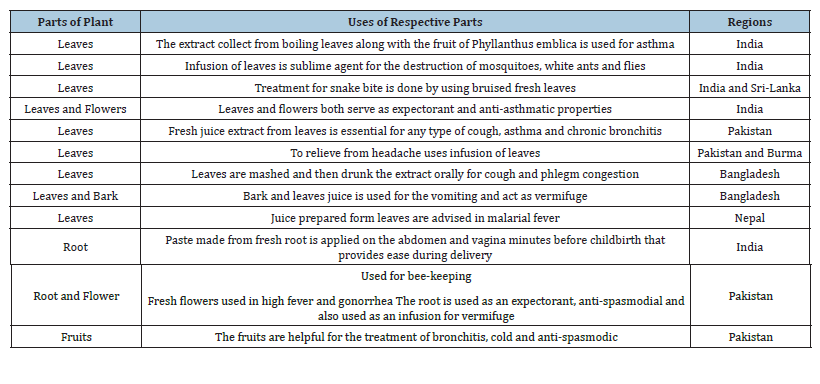
The long history and common use of Vasaka in traditional medicine as it is highly valued and used to treat many health problems such as asthma, joints problem, back pain, skin problems, malaria, rheumatism, cough, swelling and sexually transmitted diseases. In Sri Lanka Adhatoda Vasica is used to treat heavy menstrual bleeding. In Southeast Asia, the roots (such as pastes, powders or boiled extracts) help to treat diseases like tuberculosis, diphtheria, malaria, leukorrhea (white discharge) and eye infections. The boiled root extract is also used in the treatment of gonorrhea. Ayurveda mainly focuses on prevention and cure diseases. As the health problems continue to affect people many of us are now turning to Ayurveda for better health. Ayurvedic medicines are divided into three types: herbal, mineral and mixture of both (Herbo-mineral). Herbal medicines are especially popular in many countries because they have little or no side effects. Among these herbs Vasica is considered as very important [23]. The roots of Adhatoda vasica are helpful for treating bronchitis, colds, whooping cough and asthma. They are used in different forms i.e., powder, decoction, paste, infusion or electuary to relieve from other respiratory problems such as diphtheria and tuberculosis. In traditional medicine, the roots are also used to treat rheumatism, abdominal tumors, eye diseases, leukorrhea and act as a diuretic. The powdered form is believed to help in the cure of gonorrhea and have an antiseptic and anthelmintic properties. The root preparations are used for wound healing, and the root bark is helpful to treat coughing up blood, nasal catarrh and heart diseases [31]. J. adhatoda L. has been used in European medicine is known to treat flu, cough, cold and typhus fever. It is used for digestive issues, i.e., stomach inflammation, constipation, gout, kidney or urinary stones. Commercial medicines including J. adhatoda L. leaf powder such as Salus Tuss (in Germany) and Kan Jang or Spirote (in Sweden). Its extract is used in cough syrups and recognized as natural remedy in Sweden. In England doctor uses liquid extract and tincture to clear mucus (like expectorant), relax muscle spasms (like antispasmodic) and reduce fever (like febrifuge). The leaves are majorly used to relieve coughs and relax muscles (in Germany). Adhatoda vasica, commonly known as Vasaka or Vasa, is an important herb in Ayurveda which is widely used to treat problems and also prescribed by Ayurvedic practitioners for the treatment of respiratory problems, bleeding disorders, leprosy, skin diseases and piles because it has potential therapeutic properties. The leaf juice obtained from Vasaka (Vasa Swarasa) is a powerful ingredient used in more than 20 Ayurvedic remedies including Vasarishta, Vasavaleha, Vasakasava, Mahatikataghrita and Panchatikta ghritaguggulu. Other formulations include Vasa Avaleha (a sweet formulation), Vasa Ghrita (medicated clarified butter) and Vasa Asava or Arista (alcoholic preparations) (7) (Table 10).
Table 10:Uses of adhatoda vasica in different regions of Asian culture [34].
Remedies in Indian culture
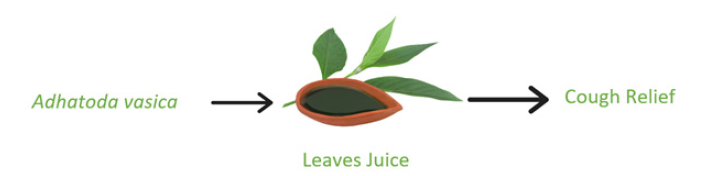
In Siddha medicine, Adhatoda vasica (also called Adathoda or Adathodai) is an important herb used to treat various problems. It is also combined with other herbs i.e., Thippili (long pepper), Chukku (dry ginger), pepper and Thoothuvalai (Solanum trilobatum) all of which are used to treat problems related to the lungs, throat and airways. Among these, Adhatoda is especially valued for treating asthma. Traditional Siddha medicines made from the plants are Adathodai Kudineer and Adathodai Manappagu both are used to relieve from asthma. Kudineer is a Tamil word which means herbal decoction (a drink that is made by boiling herbs into a water). Preparation of Adathodai Kudineer (decoction) is firstly taking Adathoda leaves, Chukku (dry ginger) and pepper. Secondly, crush them and put them in 1 liter of water. Then boil it for about 3–5 minutes after removing it from heat and let it cool. When it becomes lukewarm then drink it. Repeat it three times a day for 3-4 days that helps to clear cough, cold and chest phlegm. For cough treatment I prepare the same decoction using Adhatoda root and Kandankathiri root then add Piper longum (long pepper) powder and this three times a day after the meal. For chronic wheezing you can boil Adhatoda leaves, Terminalia chebula (Kadukkai) and grapes to make a decoction after adding honey and palm candy then drink it every day, three times after meal. Leaf juice is used to treat bloody or mucus filled stool and dried leaves rolled and smoked as herbal cigar to relieve from wheezing (Figure 4). Flowers are used for eye problems as they lightly heated over a flame then placed on the eyelids to reduce eye irritation and mild infections [2].
Figure 4:Showing leaves extract (juice) of adhatoda vasica.
Remedies in Pakistani culture
To relieve from whooping cough or asthma, you can use the juice made from the leaves that is taken orally. A decoction (boiled extract) of the leaves mixed with honey is taken thrice a day. People who are suffering from asthma or chronic bronchitis also inhale the smoke formed by burning the dried leaves for relief [2]. Fresh juice extract from leaves and mixed it with honey and ginger juice helps to get relief from all kinds of coughs [33]. Leaf powder of Adhatoda vasica. boiled in sesame oil is used to stop bleeding, ear pain or pus from ears and jaundice [36]. The leaf buds are helpful to clean the airways when you used Adhatoda vasica alone or may combined with little ginger root, make the body for breathing easily and beneficial for deep breathing exercises i.e., respiratory therapy and yoga [31].
Remedies in Burma culture
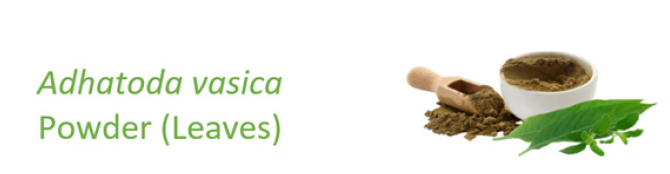
Uses the infusion of leaves to relieve headache by taking 25 grams of the coarsely ground herb for 500 ml of boiling water which is stronger than regular tea. Add the boiling water to the herb containing container and stir it well. Cover the container with airtight lid and let it in a warm place for about 10 to 20 minutes. Strain the mixture and extract the remaining pulp (Figure 5). Add some more hot water so that the total amount of infusion equals to 500 ml [2].
Figure 5:Showing leaves powder of adhatoda vasica.
Remedies in Sri Lankan culture
A decoction made from the roots and leaves of Adhatoda vasica, mixed with extracts of Alangium salvifolium and Coccinia grandis, is given by mouth as an antidote after snake bite [2]. Another remedy is to prepare a bitter juice from the leaves of Adhatoda vasica redirect in infusion to throw out worms in the body of a host [32].
Remedies in Bangladeshi culture
Bark and fresh leaves juice given to the person suffering from vermifuge to kill intestinal worms and also given as anti-nausea or anti-vomiting remedy [2]. Many of the studies shows that Adhatoda vasica may stimulate the digestive process by activating the enzyme (trypsin) as it is treated with the decoction of leaves [1]. To relieve from cough, boil 7 leaves of the plant in water then strain the liquid and mix it with 24g (about 2 tbsp) of honey before drinking. One more remedy is prepared from Adhatoda vasica flowers by mixing 60gm of the flowers with 180gm of jaggery to make a sweet mixture then eating this about 12gm, twice a day can also prevent from cough [2].
Remedies in Nepali culture
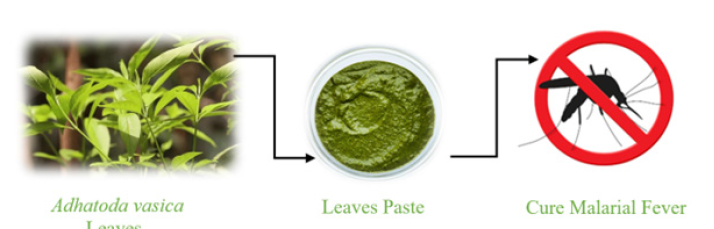
Make a paste from the fresh leaves of Adhatoda vasica. Apply the paste on the body evenly and left it for about 24hours that is helpful in the cure of chronic malarial fever [33] (Figure 6).
Figure 6:Showing adhatoda vasica leaves paste.
Past and present prospect of herbal drugs
Herbal medicines are becoming popular now a days because many researchers around the world are looking for new ways to treat infections caused by antibiotic-resistant germs. These natural remedies are generally safer, more affordable and have little or no side effects. Research also showed that some of these herbs may help to fight against cancer by showing their potential, useful plant-based treatments. Many parts of different plants can help to boost the immune system and by adding them in diets might be helpful to improve immunity and provide protection against different diseases [40]. The rising demand of many herbal products led to the quality issues as they are prepared from raw materials which is contaminated with toxic chemicals or metals, microbes or adulterants and the factors such as environment, use of pesticides and lack in proper standardization may also affect the stability of herbal products. There is a need to improve the growing formulations of medicinal herbs to secure the safety of active ingredients. From the plant Justicia adhatoda, several preparations have been developed, including Vasa candy (has stable and pleasanttasting form) Adusa cough syrup, Adusa tablets and Avaleha which holds on the basic medicinal properties of plants [9].
Toxicity
The abundance of vasicine causes the leaves to exhibit strong abortifacient activity. It is known that vasicine and vasicine hydrochloride may be harmful. It is said to not be toxic to mammals, nevertheless. Consequently, it may be said that Adhatoda is dosedependently nontoxic. It’s shown to be safe up to a maximum dose of 2000 miligram/kilogram body weight in acute toxicity tests. No alterations to the typical pattern of behavior were noted, nor were there any indications of toxicity or death [22]. Vasicine and vasicine hydrochloride were found to have certain potential toxicities in several toxicological tests that were carried out to evaluate the efficiency as well as security data profile of Adhatoda vasica. Additionally, it has been demonstrated that these plants may cause allergic reactions in people with asthma and other respiratory conditions [3].
Conclusion
Adhatoda vasica is the most important medicinal plant with modern traditional medicine and pharmacological research. The Adhatoda vasica is based on alkaloids, especially vasicine, vasicinone whish has specific properties like strong bronchodilator, expectorant, antimicrobial, anti-inflammatory and antioxidant. Adhatoda vasica helps for various disease treatments. Diseases like respiratory disorders include asthma, bronchitis, cough and congestion which is supported by traditional knowledge and contemporary scientific studies. It is also used as antidiabetics, lowering the sugar level in blood, anticancer and wound healing effects and has further medicinal potential. However, it is also well documented about bioactivity, standardized the clinical trials and established the optimal dosage, increased the shelf life, improved safety and pharmacokinetics. Future studies should focus on isolating the specific compounds, developing a new formula and validity for humans. Overall Adhatoda vasica is still considered or valuable medicine resource with significant properties for future drugs development and integrative healthcare applications.
References
- Khan R, Shamsi Y, Nikhat S (2020) Medicinal benefits of adhatoda vasica nees in unani and contemporary medicine. CellMed 10(2): 1-7.
- Kumar KP, Bhowmik D, Chiranjib, Tiwari P, Kharel R (2010) Indian traditional herbs adhatoda vasica and its medicinal application. Journal of Chemical and Pharmaceutical Research 2(1): 240-245.
- Peron G, Phuyal GP, Hosek J, Adhikari R, Dall’Acqua S (2024) Identification of hydroxyquinazoline alkaloids from Justicia adhatoda L. leaves, a traditional natural remedy with NF-kB and AP-1 mediated anti-inflammatory properties and antioxidant activity. J Ethnopharmacol 331: 118345.
- Singh R, Singh M (2018) Adhatoda vasica (vasaka): A medicinal Boon for mankind. G-Journal of Environmental Science and Technology 6(2): 5-7.
- Baral PK, Roy S, Sultana S (2018) A review article on adhatoda vasica Nees: A potential source of bioactive compounds. International Journal of Development Research 8(11): 23874-23882.
- Chaudhary D, Sharma V (2025) Evaluation of genetic diversity and population structure of the medicinal plant Justicia adhatoda L. from North India using ISSR markers. Ecological Genetics and Genomics 34: 1-12.
- Hussain M, Sidkar P, Nag M, Nath B, Kapil MJ, et al. (2025) Exploring the therapeutic spectrum of vasaka (Adhatoda vasica Nees): A review. International Journal of Environmental Sciences 11(18): 2598-2610.
- Varsha CV, Meghana BP, Balasubramanian T, Sinchana DM, Tejas SU (2025) An updated review on phytochemical constituents and pharmacological activities of Adhatoda vasica (L). NEES. International Journal of Pharmacognosy 12(2): 94-99.
- Choudhary S, Kaurav H, Chaudhary G (2021) Adhatoda vasica (Vasapatra): A review based upon its medicinal properties. International Journal of Research in Ayerveda and Pharmacy 12(3): 79-87.
- Rudrapal M, Vallinayagam S, Aldosari S, Khan J, Albadrani H, et al. (2023) Valorization of Adhatoda vasica leaves: Extraction, In Vitro analyses and in silico approaches. Front Nutr 10: 1161471.
- Hossain MA, Akhter S, Sohrab MH, Afroz F, Begum MN, et al. (2023) applying an optimization technique for the extraction of antioxidant components from justicia adhatoda leaves. Engineered Science 24: 913.
- Shamsuddin T, Alam MS, Junaid M, Akter R, Hosen SM, et al. (2021) Adhatoda vasica (Nees.): A review on its botany, traditional uses, phytochemistry, pharmacological activities and toxicity. Mini Rev Med Chem 21(14): 1925-1964.
- Memon TA, Sun L, Almestica-Roberts M, Deering-Rice CE, Moos PJ, et al. (2023) Inhibition of TRPA1, endoplasmic reticulum stress, human airway epithelial cell damage, and ectopic MUC5AC expression by Vasaka (Adhatoda vasica; Malabar Nut) Tea. Pharmaceuticals 16(6): 890.
- Karthikeyan A, Shanthi V, Nagasathaya A (2009) Preliminary phytochemical and antibacterial screening of crude extract of the leaf of Adhatoda vasica. International Journal of Green Pharmacy 3(1): 78-80.
- Sharma A, Bhardwaj G, Cannoo D (2018) Overview of phytochemistry and pharmacology of adhatoda vasica. International Journal of Advanced in Management, Technology and Engineering Sciences 7(8): 1286-1302.
- Shoaib A (2021) A systematic ethnobotanical review of Adhatoda vasica (L.), Nees. Cell Mol Biol 67(4): 248-263.
- Mishra T, Rai A (2021) Antimicrobial potential of Ocimum sanctum and adhatoda vasica: The medicinal herbs. International Journal of Pharmacy and Biological Sciences 11(1): 17-28.
- Hossain MT, Hoq MO (2016) Therapeutic use of Adhatoda vasica. Asian Journal of Medical and Biological Research 2(2): 156-163.
- Vinothapooshan G, Sundar K (2010) Hepatoprotective activity of adhatoda vasica leaves against carbo tetrachloride induced toxicity. Pharmacologyonline 2: 551-558.
- Chakraborty A, Brantner AH (2001) Study of alkaloids from Adhatoda vasica Nees on their Antiinflammatory activity. Phytother Res 15(6): 532-534.
- Thabrew MI, Dharmasiri MG, Senaratne L (2003) Anti-inflammatory and analgesic activity in the polyherbal formulation Maharasnadhi Quathar. Journal of Ethnopharmacology 85(2-3): 261-267.
- Jayaweera U, Shivashekaregowda NK, Herapathdeniya SK, Paranagama PA (2024) Ethnopharmacological uses, phytochemistry, pharmacological activities and toxicity of justicia adhatoda l.: A review. Discover Plants 1(41): 1-24.
- Anjum S, Varshney S (2024) A review of vasa (adhatoda vasica): Therapeutic benefits and formulations in ayurveda. International Journal of Ayurveda and Pharma Research 12(10): 50-65.
- Le J, Bradley JS (2018) Optimizing antibiotic drug therapy in pediatrics: Current state and future needs. J Clin Pharmacol 58: 108-122.
- Mangoni AA, Jackson SH (2004) Age‐related changes in pharmacokinetics and pharmacodynamics: Basic principles and practical applications. Br J Clin pharmacol 57(1): 6-14.
- Rajput YK, Sahu TK (2022) Pharmacokinetic considerations in drug development: A review. History of Medicine 8(2): 442- 460.
- Zakaraya Z, Assab MA, Tamimi LN, Karameh N, Hailat M, et al. (2024) pharmacokinetics and pharmacodynamics: A comprehensive analysis of the absorption, distribution, metabolism, and excretion of psychiatric drugs. PubMed 17(3): 280.
- Palmer ME, Andrews LJ, Abbey TC, Dahlquist AE, Wenzler E (2022) The importance of pharmacokinetics and pharmacodynamics in antimicrobial drug development and their influence on the success of agents developed to combat resistant gram negative pathogens: A review. Front Pharmacol 13: 888079.
- Marcus B (2023) Principles and mechanism of pharmacodynamics. Biochemistry and Pharmacology 12(3): 1-7.
- Jones S (2025) Pharmacodynamics: Exploring drug actions and biological responses. Journal of Clinical and Experimental Pharmacology 15(4): 1-2.
- William C (2024) Advances in pharmacodynamic evaluation for bioequivalence studies. Journal of Bioequivalence and Bioavailability 16(6): 1-2.
- Joshi M, Bhadauriya G, Shrivastav C (2024) Importance of Adhatoda vasica Nees in traditional system of medicines: A review. International Journal of Pharmaceutical Sciences and Research 8(15): 2273-2279.
- Khandelwal P, Wadhwani BD, Rao RS, Mali D, Vyas P, et al. (2024) Exploring the pharmacological and chemical aspects of pyrrolo-quinazoline derivatives in Adhatoda vasica. Heliyon 10(4): 1-20.
- Singh OM, Singh TP, Singh HB (2011) Adhatoda vasica Nees: A review on its phytochemical and pharmacological profile. The Natural Product Journal 1(29): 29-39.
- Chaudhari SD, Jamdade SS (2021) A complete overview on Adhatoda vasica a traditional medicinal plant. International Journal of Scientific Development and Research 6(6):150-156.
- Dora RK, Bhoi N, Tripathy A (2025) Adhatoda vasica: An overview of its traditional medicinal uses. International Journal of Science, Architecture, Technology, and Environment 2(8): 333-336.
- Sharma DK, Jain VK (2022) Enumeration on therapeutic and ethnopharmacological properties of adosa [adhatoda vasica (L.) Nees]. Central Asian Journal of Theoretical and Applied Sciences 3(8): 93-102.
- Chuhan N, Singh C, Singh R, Rani A, Upadhyay SK, et al. (2021) Adhatoda vasica: Pharmacological characterization for the development of herbal drug. Plant Archives 21(2): 873-880.
- Biharee A, Bhartiya S, Dubey D, Yadav RP, Sharma A, et al. (2023) Ethnobotanical notes and pharmacological overview of traditional plant: Adhatoda vasica. Dermatological Reviews 4(5): 211-222
- Isha PK, Singh AN (2025) An overview of Justicia Adhatoda: A medicinal plant but native invader in India. Conservation 5(1): 1-19.
- Khan I, Ahmad B, Azam S, Hassan F, Nazish, et al. (2018) Pharmacological activities of Justicia adhatoda. Pak J Pharm Sci 31(2): 371-377.
© 2026 Ali Usman and Hafiz Nafees Ul Hassna. This is an open access article distributed under the terms of the Creative Commons Attribution License , which permits unrestricted use, distribution, and build upon your work non-commercially.
Editor In Chief







.jpg)































Signup for Newsletter

Quick Links
 Editorial Board Registrations
 Submit your Article
 Best Paper of the Volume
 Reprints
 Refer a Friend
 Advertise With Us
Our Recent Edition

.jpg)



Top Editors




.jpg)

















.bmp)
.jpg)
.png)
.jpg)













.jpg)






.png)

.png)




.png)




Financial Support

Sponsors

Latest e-Books

Latest Video

 a Creative Commons Attribution 4.0 International License. Based on a work at www.crimsonpublishers.com.
Best viewed in
a Creative Commons Attribution 4.0 International License. Based on a work at www.crimsonpublishers.com.
Best viewed in 
 | Above IE 9.0 version