

- About Us
- Information
-

The Author ensures that the research has been conducted responsibly and ethically with adherence to all relevant regulations. read more..
- For Authors
- For Reviewer
- Manuscript Guidelines
- Membership
- Publication Ethics
-
- Journals
- Reprints
- e-Books
- Videos
- Policies
- Contact Us
 COVID-19
- Submissions



Full Text
Novel Research in Sciences
Computer Assisted Delivery of Discrete Trials to Teach Early Learning Skills to Students with Significant Intellectual Disabilities
Tammi D Waltjer Haverly1 and William J Sweeney2*
1LifeScape Specialty School, USA
2Division of Educational Leadership, Special Education Program, University of South Dakota, USA
*Corresponding author:William J Sweeney, Special Education Program, Division of Educational Leadership, School of Education, University of South Dakota, 414 E. Clark Street, Vermillion, SD 57069, USA
Submission: March 13, 2026;Published: April 28, 2026
.jpg)
Volume17 Issue 2April 28, 2026
Abstract
This study was designed to determine the effectiveness of a computer assisted instruction to deliver discrete trial training of academic skills to students with significant intellectual disabilities. Based upon the principles of Applied Behavioral Analysis, discrete trial training was identified as an evidence-based practice in teaching skills to students with disabilities. The criteria for single-subject case research within a multiple baseline design across behaviors and participants was implemented for this study. The individual subject and the repeated measures across skills served as the experimental control to verify results. The multiple baseline design evaluated the effect of the intervention computer assisted to deliver discrete trial training to teach early learning skills to students with significant disabilities. Results of the study indicated the use of computer assisted instruction in the delivery of discrete trial training was effective in teaching individuals with significant intellectual disabilities early learning skills. Possibilities for future research were also discussed..
Keywords:Computer assisted instruction; Discrete trial training; Significant cognitive disabilities
Introduction
Students with autism as well as intellectual disabilities require specialized teaching strategies to acquire skills and generalize their learning across multiple people, settings and events [1]. The process appears further complicated by the uniqueness of the characteristics of each of the diagnoses, the learning characteristics of the children, and the needed interventions addressing the child’s associated skill deficits.
Interventions for students with autism, severe intellectual disabilities and multiple disabilities focus on the deficits associated with the core symptoms of social skills, communication, challenging behaviors, school readiness, and pre-academic/academic skills [2,3]. The implementation of the research-based practices needs to match the student’s unique educational needs and areas for skill development [4]. The mandate from research to practice often appears problematic when examining the interventions for students with the most significant of disabilities [5]. While research evolved over the past 40 years, there remains a limited body of research that meets the rigors of strong evidence of empirically based supports for students with the most significant of disabilities [6].
The existing literature on the use of applied behavioral analysis appears extensive and focuses heavily on its use within the field of autism and developmental disabilities [7,8]. One of the instructional methods within the umbrella of applied behavioral analysis used to address outcomes for students with autism and developmental disabilities is discrete trial teaching [8,9]. Discrete trial teaching appeared as a direct instructional procedure that simplifies and promotes systematic skill development. Discrete trial training appeared as one of the most researched techniques backed with empirical evidence for teaching skills to children with autism and developmental disabilities [10,11]. The five-step discrete trial instructional procedure, based on the principles of operant conditioning, involves a discriminative stimulus, prompt, response, consequence, and inter-trial interval [9,10]. The intervention involves direct and intensive one-on-one instruction for effective implementation and skill acquisition, requiring substantial time and resources dedicated to staff training, preparation of materials, data collection and progress monitoring [12,13].
These factors also contribute to the intervention often appearing as prohibitive due to the costs associated with staff training, management of the intervention, and one-to-one intervention method [14,15]. The number of students exhibiting a need for this type of intensive instruction far exceeds the resources available to implement comprehensive evidence-based interventions with fidelity. Given the growing numbers of students with significant disabilities educators need to look at additional options to provide this method of instruction [16,17]. In recent years, technology was accepted as a recognized avenue for teaching skills, supplemental instruction, delivery of reinforcement, and the generalization of skills. Computer assisted instruction involves the use of computers to teach academic, communication and language development skills [12]. Computer assisted instruction provides instantaneous feedback, real time data collection, and provides continual adjustment of materials to promote generalization strategies. This process of implementation not only involves awareness but also requires an understanding of the body of evidence that supports the use of the various forms of technology and their contexts.
Browder et al. [6] identify the “use of technology to teach skills to students with severe disabilities as having a moderate to strong evidence base depending on the type of technology” (p.20). The researchers specifically studied video prompting, modeling and computer assisted instruction as primary modes of technology interventions. Video modeling was identified as a strong evidencebased practice for students with autism spectrum disorders [18]. The development of assistive technology allowed for an increased numbers of students with disabilities to access computer assisted instruction via touch technology, micro switches, scanning options, etc. While widely used, the evidence varies on the effectiveness of computer assisted instruction as an evidence-based practice for students with the most severe disabilities [19-22].
Relatively no studies clearly examined the effectiveness of skill acquisition and subsequent generalization of computer assisted delivery of the discrete trials with students with significant disabilities. Educators must ensure the evidence supports the utilization of different types of computer-assisted instructional techniques used in the classroom.
There appeared little research, outside of a few early studies Pennington et al. [14], on the use of computer assisted instruction related to the delivery of discrete trial training and the ability to learn and generalize skills. Students with significant disabilities also demonstrate a strong interest in technology [15,16]. Today’s advances in technology allow for greater accessibility for computers and customized computer software to meet the needs of students with disabilities [17].
Purpose of the Study
The purpose of this study was to determine if skills taught using discrete trial training delivered through computer assisted instruction with students with severe/significant developmental disabilities was effective in teaching early learning skills. This study addressed the gap in empirical research related to the use of computer assisted delivery of discrete trials with students with severe disabilities.
Method
Participants
Three elementary-aged students identified with autism or significant intellectual disabilities served as the primary subjects. The selected sample participated in a private school serving students with disabilities ages 3 to 21. The students were placed in the private school by their local school district to address their individualized intensive learning and behavioral needs. The highly unique needs of the students were at a severity level where the local school district did not possess the necessary resources to address their individualized educational needs. The participants included three male students who ranged from 5 to 10 years of age. Students qualified for eligibility for special education services based on the special education eligibility criteria within the respective state.
Subject selection was based upon population sample of convenience; students met the criteria for students with a significant intellectual disability and/or autism and exhibited additional disabilities, possessed a documented IQ or a documented estimated IQ of <50, and attended full-time services at the private school where the study was conducted. Students selected in the study demonstrated significant issues as it related to behavioral challenges, language and communication impairments, overall functioning level and academic performance deficits in comparison to their same age peers in public schools. The intensity, frequency and severity of behavior problems, communication deficits and severe cognitive disabilities precluded their participation in the general classroom environment and curriculum. The skill deficits required specialized and intensive interventions not typically available in public school settings through the continuum of services [23-31].
The students required intensive support to participate in their daily routine and remain on task for instruction. Selected students participate in a functional skills curriculum and were assessed on the National Common Core Connector skills at the entry level of access to the private school. The participating students scored well below grade level on these assessment measures.
Students in the study participated in individualized response modes that include pre-symbolic, symbolic, verbal approximations, low tech augmentative alternative communication, and/or high tech augmentative alternative communication. The student’s most efficient communication response mode was used during the study. Computer access skills were assessed for the most efficient mode of responding. Students in the study accessed the computer instruction using the assistance of Touch Window technology, single switch auditory/visual scanning, or mouse activation. The three participants selected for the study used Touch Window technology to assess the computer assisted instruction phase of the study.
Human subjects and informed consent
The primary researcher obtained human subject’s approval from the University and the School Research Review Committee. Parental consent and student assent were obtained prior to any data collection. Due to the student’s limitations in understanding and processing language, the explanation of the study and student assent was limited to presenting visual representation of the activities on the student’s daily activity schedule.
Setting
The study was conducted within a private school for students with disabilities located in a city within a Midwestern state. The private school educated 126 students. The demographic breakdown for the school was 39 females, 87 males. The disability breakdown for the school indicated that 87 students identified with multiple disabilities in any combination of intellectual disability, autism, other health impairment, orthopedic impairment, hearing impairment, vision loss, speech language impairment and/or traumatic brain injury; 24 students exhibited a disability related to an intellectual disability; 11 students possessed a disability related to autism; and 4 students displayed a disability related to traumatic brain injury.
The school offers comprehensive and intensive educational services individualized to the unique learning needs of the student. The school provided, year-round educational services, from birth to age 21, across the developmental areas of early childhood, elementary, middle school, high school, and transition to adulthood in specialized classrooms and at the specialty residential hospital. Students with a range of intellectual, physical, medical, communication, and behavioral needs receive special education and related services utilizing research and evidence-based strategies. Students received the related services of physical therapy, occupational therapy, speech therapy, and nursing services as per their Individualized Education Plan (IEP). The special education support staff included physical therapists, occupational therapists, speech therapists, a music therapist, a computer coordinator, an adapted physical education teacher, and a board-certified behavior analyst consistent with their individual IEP [31].
The study was conducted within one of the three self-contained early childhood/elementary classrooms at the school. The age of the students ranged from 3 years old to 10 years old. Students attend school for six and a half hours a day, five days a week. In each of the three early childhood elementary classrooms, 8-12 students participated in instructional activities. Students enrolled in the program attend as either a day student or received the support of the school’s residential intermediate care facility services or specialty hospital. Each student uses an individualized visual schedule in their designated work area and utilizes a personalized communication system specifically tailored to their individual communication needs.
Dependent variable
The student’s correct and incorrect responses during both a traditional instructional presentation mode compared to a computer assisted discrete trial instructional presentation mode served as the primary means of determining the effectiveness of the computer intervention related to early learning development. An independent correct response was defined as the student independently responding to the discriminative stimulus by indicating the correct answer. Upon the occurrence of an independent correct response a “+” (i.e., a plus sign) was circled on the data sheet. An incorrect response was recorded as a “-” (i.e., minus sign) by circling the symbol on the data sheet specific to a given discrete trial. An incorrect response included any prompted response, incorrect selection, problematic behavior and a no response. A prompted response was defined as the student needing a positional prompt, gestural prompt or physical prompt. A positional prompt involved the placement of the correct response closer to the learner in a manner that assisted in giving information about the answer. A gestural prompt involved the use of a gesture or action that the learner observed the instructor doing, such as pointing, reaching, nodding, or looking at the correct response to provide feedback related to the correct response.
A physical prompt involved the instructor physically guiding the learner’s hands to or towards the correct response. An incorrect response was defined as the student giving an incorrect response prior to the teacher prompting a correct response or engaging in problematic behavior. Upon the occurrence of an incorrect response an “INC” was circled on the data sheet. A no response occurred when the student refused to participate in the activity or respond to the discriminative stimulus after 15 seconds. Upon the occurrence of a no response, a “NR” was circled on the data sheet. A no response was calculated as an incorrect response on the daily data sheet. Additionally, sessions where collateral problem behavior was present were noted on the data sheet and scored as an incorrect response.
To establish a summative total of response opportunities to discrete trials within an instructional session, the correct responses were divided by the total number of delivered trials. Responses were coded on a specified data sheet by circling the type of response/ prompt that was needed to achieve the student response during a given discrete trial. The total correct response opportunities for all discrete trials during an instructional session were then graphed on a line graph measuring correct discrete response across the entire instructional session for visual analysis.
Inter-Observer Reliability
Interobserver reliability, also known as interobserver agreement, was completed using the primary researcher and an independent observer to evaluate the data from the individual responses of the participants. The primary observer was the researcher of this study. The independent observer in this study was the special education teacher in the classroom for the selected participants. An electronic digitized video recording of the instructional sessions was viewed by an independent observer (master’s level special education teacher) in 100% of the instructional sessions, which were then compared to the primary researcher’s scoring of the same sessions to determine the percentage of interobserver agreement. The primary researcher and independent observer documented recorded data on individual trials during the tabletop instruction as well as the computer-assisted teaching sessions.
The primary observer provided the training and feedback to the independent observer. The independent observer received training on the procedural and data collection procedures prior to implementation of the study. The primary researcher implemented the training by reviewing the steps of the discrete trial, explaining materials, response types, and data collection procedures defined in this study as related to specific selected skills. The primary researcher provided training on the definition of the dependent variables and presented instruction related to differentiating the nature of incorrect, independent, and correct responses, prompted responses and no responses. Verbal scenarios, demonstrations, and corrective feedback were provided as a means of allowing the independent observer(s) to practice and discuss scenarios and data collection procedures.
The primary researcher recorded response data on the data response sheet. Additionally, the primary researcher reviewed the video separately to verify the live recording of the data. The independent observer reviewed the video separately and scored the digitized response on the data response sheet following the research session. The scoring from the data response sheet of the primary researcher and independent observer were compared to determine agreement or disagreement for each recorded response trial during the baseline or intervention sessions. The primary researcher indicated agreement or disagreement of data collected when compared to the observations made by the independent observer. The primary researcher and independent observer conducted the same interobserver reliability checks for the computerized data collection system to ensure there was not mechanical error prior to implementing the data collection.
Session by session reliability was obtained through comparing the results of the primary researcher and independent observer. The percentage of interobserver agreement related to the measurement of the baseline and intervention procedures was obtained by comparing the number of agreements in scoring on a session-by-session basis between the primary researcher and the independent observer and dividing the total number of sessions compared (agreements plus disagreements) multiplied by 100. The percentage of interobserver agreement related to the evaluation of student performance during tabletop instruction and computer assisted instruction sessions were obtained by comparing the number of agreements in scoring on a session-by-session basis between the primary observer, independent observer, and the computer-generated data and dividing the total number of sessions compared (agreements plus disagreements) multiplied by 100.
Observations of interobserver agreement employed digitized video recording of the individual instructional session. Overall, the computerized data collection system within the Accelerations Discrete Trial Training© program demonstrated a median 100% agreement with a range of 92-100% interobserver agreement related to data collection system across all sessions and all participants.
Procedural integrity
The extent to which the tabletop instruction and computer assisted delivery of discrete trial procedures were implemented with integrity were verified by the review of electronic digitized video recordings of the sessions. Fidelity of computer assisted delivery of a discrete trial within the software program Acceleration Discrete Trial Trainer© was completed by comparing the independent observers scores on the Procedural Integrity Checklist to verify the correct delivery of the individual discrete trials within the computer assisted teaching session. Electronic digitized video recordings of the teaching sessions were viewed by the independent observer (master’s level special education teacher) during 100% of the digitized sessions.
Missed steps in the form of discriminative stimulus, missing prompt after an incorrect response, and omitting a response, were marked with an “X” through the listed step on the Procedural Integrity Form. The total number of correctly delivered trials were divided by the total number of trials per session, to provide a percentage score of implementation fidelity.
Procedural integrity of the delivery of the tabletop instruction and the computer assisted instruction of discrete trials was evaluated by the independent observer. Any discrepancy in the implementation of a specific step of the discrete trial instruction was addressed through an additional review of the electronic digitized video recording for the individual training session. Results of the overall procedural integrity evaluations by the independent observer indicated a median implementation fidelity of 100%, with a range of 88% to 100% for the of correct delivery of the baseline and intervention instructional sessions across all sessions and participants within the study.
Social validity measures
At the conclusion of the data collection, the special education teacher and paraprofessional staff in the classroom where the research was conducted completed a questionnaire. The questionnaire consisted of four questions related to the perception of the classroom staff on the use and effectiveness of computer assisted instruction as an intervention. The classroom staff completed the paper survey. The staff selected from a 5-point Likert Scale of (1) strongly disagree, (2) disagree, (3) neutral, (4) agree, or (5) strongly agree.
Results of the survey indicated agreement that computer assisted instruction of discrete trials was an effective use of time with an overall satisfaction rating of 4.4 among the five respondents. Scores ranged from four to five, with a median score of four, and overall mean level of satisfaction score of 4.4. Classroom staff indicated agreement computer assisted instruction delivered in this computer software package was easy to use by providing a mean score of 4.2 satisfaction rating. Scores ranged from four to five, with a median score of four, and overall mean satisfaction level of 4.2.
Classroom staff agreed computer assisted instruction of discrete trials was an effective use of time. The staff scores ranged from four to five, with a median score of 4, and overall mean satisfaction score of 4.4. Computer assisted instruction was viewed as an effective means to teach students new skills. The staff scores ranged from four to five, with a median score of 5, and overall mean satisfaction score of 4.6. The classroom staff further agreed computer assisted instruction enhanced motivation for students to participate in learning activities. The staff scores ranged from three to five, with a median score of 5, and overall mean satisfaction level of 4.6. Students were not surveyed due to their limitations in accurate responding. Even so, the primary researcher observed, upon encountering any of the three students in an area of their school program, that the students requested to work with the researcher on the computer.
The perception of classroom staff indicated agreement that the use of computer assisted instruction, as an intervention in the delivery of discrete trial training of early learning skills, was an effective use of time, was easy to use, was effective, and served to enhance motivation for students to participate in learning activities. To enhance social validity, selected skills for the study were based on items not currently in the student’s repertoire, deemed important skills to incorporate in their repertoire by the student’s teacher, and as not responsive to previous intervention.
For this study, a delayed single-subject, multiple-baseline experimental design across multiple behaviors/skills [18-21] was used with the participating students for the purpose of determining the effectiveness of computerized assisted presentation of discrete trials. The “multiple baseline design demonstrates the effect of an intervention by showing that behavior changes when and only when the intervention is applied”[21]. The delayed multiple baseline design was implemented to document the functional relationship between the independent and dependent variable [20]. This experimental design incorporated within and between subject and skill comparisons to control for major threats to internal validity.
Performance prior to intervention was compared to performance during and/or after intervention. After a functional skilledbased assessment of developmental skills, the delayed multiplebaseline design began with the baseline of skill through traditional presentation (Baseline), then proceeded with the implementation of the independent variable related to the intervention. Skills selected were not in the participants repertoire. Implementation of the baseline with traditional tabletop instructional procedure began with the primary subjects across a minimum of three skills during weeks two and three of the study. The multiple baseline design was conducted across a minimum of three separate behaviors/ skills. After a stable pattern of performance was established across one skill, the independent variable was introduced to the first skill, while the baseline conditions remain in effect for the other skills [21]. As performance stabilized across all behaviors, the intervention was applied to the second and then the third behavior. Each skill encompasses a baseline of performance and a response to the intervention phase.
The traditional tabletop procedure (baseline), to determine performance of targeted developmental skills, was implemented for a minimum of three sessions or until performance exhibited stability with little variation. At this point, the implementation of baseline with the traditional tabletop procedure for skill one ended, and the independent variable of the computer assisted instruction of discrete trial presentation was implemented for skill one while continuing the baseline procedure for skills two and three. Following a minimum of three computer assisted intervention sessions and the appearance of steady state responding related to skill one, the baseline implementation of the traditional tabletop procedure for skill two were withdrawn, and the introduction of the independent variable, the computer assisted instruction of discrete trial presentation, was implemented for skill two. The independent variable was introduced to skill two while continuing the intervention for skill one. If needed due to student frustration related to complexity skill, the intervention for skill two and three were started simultaneously.
Following a minimum of three computer assisted intervention sessions and a stable pattern of performance related to skill two, the baseline implementation of the traditional tabletop procedure for skill three was withdrawn, and the introduction of the independent variable, the computer assisted instruction of discrete trial presentation, was implemented for skill three. The independent variable of computer assisted instruction was continued with skills one and two while introducing the intervention to skill three.
Procedures
General Procedures. After an initial transition into the classroom, students moved to individual activities within a work session. A work session was comprised of independent work at an individual workstation, one-on-one instruction with the teacher or within a group of two students, computerized instructional activities, and play/leisure skill instruction with embedded communication skills training across all learning situations. Work session activities occurred for approximately 60 minutes. Snack, recess, and activities of daily living instruction occurred before the start of the next work session. The second work session was followed by lunch, recess, and activities related to instruction specific to daily living skills. A group learning activity occurs after the lunch session and was followed by a third work session. The day included special activities such as music, physical education, computer class and instructional group activities.
The activities for this study were embedded within the work session opportunities during the school day. Various work sessions were used during the data collection process. Students transition to the activities associated with the study used a picture card from their individual transition schedule. The picture card depicted work with a teacher for the baseline component of the study, a picture of a computer for the intervention of computer-based presentation of the skill, and a check schedule card when a session was completed.
The study was implemented over a 10-week period, with three to five sessions a week, depending on student availability and attendance. Sessions ranged from 15 minutes to 30 minutes based on the phase of the study. Overall, sessions involving only the intervention phase of the study were approximately 15 minutes in duration. The primary researcher worked collaboratively with the classroom teacher and determined what instructional times worked for the individual students.
Baseline. The two different phases of the study used traditional tabletop instruction to probe early learning skills compared to using computer assisted instruction to determine the effects of early learning development. The baseline probed the specific components of early instruction and learning skills using traditional teaching methodology of worksheets, manipulatives, clear and concise directives, and undefined reinforcement strategies. There were training sessions, in which both baseline for a skill(s) and computer assisted instruction for a skill(s), were implemented within the study.
The baseline tabletop presentation of the early learning skills was presented in the student’s classroom or small learning environment by the primary researcher. The student transitioned to the session with a picture card indicating that it was time to work with on the selected skill. The electronic video recorder was turned on upon the student’s arrival at the worktable. The student placed the card for the activity on the table at the work session on top of the corresponding picture. The second card, on the first/ then schedule, depicted a picture to check the sessions schedule. The skill procedure protocol, data collection sheet and associated materials were readily available during the tabletop instruction.
A series of a minimum of 10 clear and concise directives related to demonstration of the skill using worksheets, picture symbols, manipulatives, clear and concise directives, and undefined reinforcement strategies were presented to each student. The student was reinforced for completion of the activity at the end of the session. Upon completion of the baseline session, the student was directed to their check schedule card on the mini schedule and tabletop presentation indicating that the instructional session was completed.
Intervention. The intervention used a computer based instructional method to deliver discrete trial training instruction on components of early learning skills. A discrete trial served as a small unit of instruction traditionally implemented in a oneto- one situation and a low-distraction setting. The computerbased instruction selected for this study was the Accelerations Discrete Trial Trainer© software (Butler & Mulick, 2001). The Accelerations Discrete Trial Trainer© software incorporates the methods of (1) positional and prompt fading; (2) student-specific reinforcement and reinforcement training; (3) training of phases of introduction, randomization, and maintenance; and (4) discrete trials incorporating data collection on the student responses. The software attempts to simulate the student working across from the teacher.
According to Smith [22], a discrete trial was comprised of five distinct parts that included a cue (discriminative stimulus), prompt, response, consequence, and inter-trial interval/measurement. Discrete trial training involved breaking down complex skills and teaching each sub-skill through a series of massed teaching trials. Discrete trial training required a highly structured learning environment that was controlled by the teacher. The teacher selected materials, and the child was presented with a clear instruction to evoke the desired conditioned response, typically the imitation of a presented mode or compliance with a verbal instruction. Acquisition of the skill was facilitated using the explicit prompting and shaping techniques and systematic reinforcement contingent on the production of a target response. The methods incorporated in the Accelerations Discrete Trial Trainer© software [23] were based on research in applied behavior analysis.
Upon completion of the baseline for a specified behavior, the traditional tabletop procedure was withdrawn, and computer based discrete trial presentation of the selected developmental skill was implemented (intervention). The student transitioned to the session with a picture card identifying that it was time to work at the computer. The student placed the card for the activity at the computer on a first/then mini schedule. The second card on the first/then schedule depicted a picture to check the schedule. The computer assisted instruction procedure and data collection forms for procedural implementation of discrete trial and student responses were developed by the primary researcher.
Preprogrammed training time within the program was based on the individual student profile. Reinforcement strategies were also preprogrammed into the computer based on the learner profile and delivered systematically through the program. The teacher assisted the student to open the icon for the computer assisted instruction. The same skill addressed in the tabletop session was presented in the computerized version of instruction. The discriminative stimulus to initiate the program appeared as a visual cue on the computer screen stating “GO.” The students used their most efficient mode of access (touch window, auditory/visual scanning with a switch, or mouse activation) to access and initiate the program and subsequent trials. The students participated in the training trials using the computer assisted technology. At the end of the training session, the computer presented the visual cue “DONE.” Upon completion of the training session, the student was directed to check the schedule card on the mini schedule and the session ended. This procedure was implemented until a steady state of responding was established across the three targeted skills for each student.
Result
Similar results related to skill acquisition, on presented early learning skills were obtained when examining the data in Table 1 and in the individual graphical form on Figure 1-3. For all participants, the median score for skill acquisition across all three skills during baseline was 20% and ranged from 0-50%. The median score across all three participants for skill acquisition across all three skills during implementation of the intervention was 79% and ranged from 25-100% (Table 1).
Figure 1:Aidan data on specific skill acquisition during Baseline and Computer Assisted Instruction.
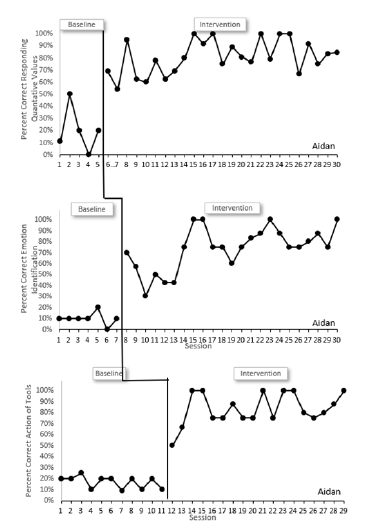
Figure 2:Bailor data on specific skill acquisition during Baseline and Computer Assisted Instruction.
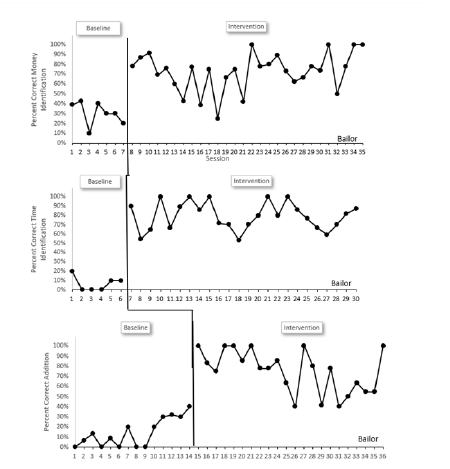
Figure 3:Charley data on specific skill acquisition during Baseline and Computer Assisted Instruction.
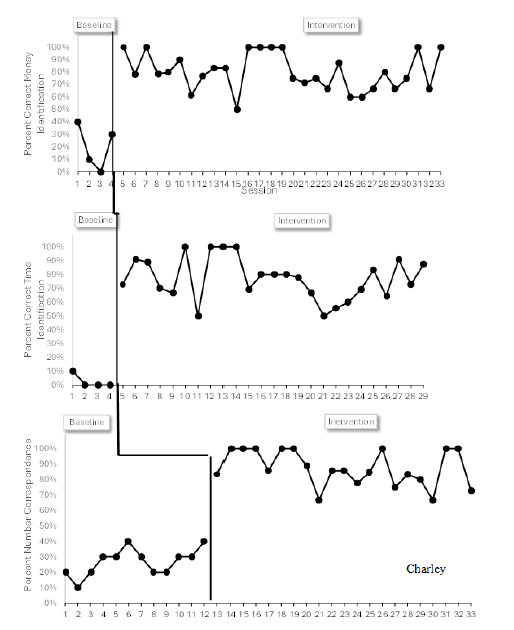
Table 1:Individual and Overall Median and Range of Skill Performance Data during Baseline and Intervention Procedures.

Aidan’s results related to correct responding across skills
Table 1 & Figure 1 displayed Aidan’s percentage of correct responses in baseline related to the tabletop intervention in comparison to implementation of the intervention computer assisted delivery of discrete trial instruction across the targeted skills of quantitative values of numbers, receptive emotion identification, and receptive action of tools. Aidan’s median score for baseline across the three skills was 25%, with a range of 0-50%. Comparatively, Aidan’s median score for intervention during the implementation of the computer assisted delivery of discrete trials resulted in 80% correct responses and ranged from 31-100%.
Figure 1 indicated improvement in Aidan’s skills acquisition when comparing results between baseline and intervention across the three skills. Aidan exhibited important level changes when comparing his baseline pattern of sores to the implementation of the computer assisted instructional approach that employed discrete trial training. These level changes suggested the potential existence of a functional relationship. He did not appear to demonstrate a consistent response pattern, understanding or mastery of any component of the three skill areas during baseline with the traditional tabletop procedure (i.e., Baseline). Following the intervention, Aidan demonstrated mastery of three of the 10 component skills within the skills of quantitative values skill program; mastery of two of the 18 component skills within the action of tools program; and two of 10 component skills within the emotion’s skill program (Figure 1).
Bailor’s results related to correct responding across
Table 1 & Figure 2 displayed Bailor’s percentage of correct responding within baseline (i.e., tabletop intervention), and the implementation of the intervention related to computer assisted delivery of discrete trial instruction across the targeted skills of receptive money identification, receptive time identification, and single digit addition sums less than ten. Bailor’s median score for baseline across the three skills was 13% correct responding with a range of 5-30%. Comparatively, Bailor’s median score for intervention, during the implementation of the computer assisted delivery of discrete trials, resulted in 78% correct responses and ranged from 25-100%.
Figure 3 indicated improvement in Bailor’s skills acquisition when comparing results between baseline and intervention. Bailor exhibited important level changes when comparing his baseline pattern of scores to the implementation of the computer assisted instructional approach that employed discrete trial training. These level changes suggested the potential existence of a functional relationship. Bailor did not demonstrate a consistent response, understanding, or mastery of any component of the three skill areas during baseline using the traditional tabletop procedure. Following the intervention, Bailor demonstrated mastery of four of the 10 component skills within the receptive money identification skill program; mastery of four of the 12 component skills within the receptive time identification program; and one of 10 component skills within the single digit addition program (Figure 2).
Charley’s results related to correct responding across
Table 1 & Figure 3 displayed Charley’s percentage of correct responses during the baseline scores specific to the skills evaluated with tabletop intervention and the implementation of the intervention related to the computer assisted delivery of discrete trial instruction across the targeted skills of receptive money identification, receptive time identification, and number correspondence. Charley’s median score for baseline related to skills taught via traditional tabletop procedure across skills was 20% correct responses, with a range of 0-40%. Comparatively, Charley’s median score during the implementation of the intervention computer assisted delivery of discrete trials resulted in 79% correct responses and ranged from 50-100%.
Figure 3 indicated improvement in Charley’s skills acquisition when comparing results between baseline and intervention conditions across the three skills. Charley exhibited important level changes when comparing his baseline pattern of scores to the implementation of the computer assisted instructional approach that employed discrete trial training. These level changes suggested the potential existence of a functional relationship. Charley did not demonstrate a consistent response, understanding, or mastery of any component of the three skill areas during baseline using the traditional tabletop procedure. Following the intervention, Charley demonstrated mastery of four of the 10 component skills within the receptive money identification skill program; mastery of two of the 12 component skills within the receptive time identification program; and three of 10 component skills within the number correspondence program (Figure 3).
Discussion
Results of the study supported the following conclusions: (1) computer assisted implementation of discrete trials was effective in teaching early learning skills to students with significant disabilities, (2) the measurement procedures within the computer assisted data collection were a reliable measurement procedure, (3) evaluation of the implementation of the intervention procedures ensured high fidelity of procedural integrity related to the application of discrete trial procedures, and (4) the introduction of the computer assisted instruction demonstrated high consumer satisfaction amongst special education classroom staff. The current study exhibited both similarities and differences from previous research and expanded upon the literature base regarding the use of discrete trial training to teach students with significant disabilities. Previous research [24-28,40] indicated that discrete trial training was an effective training method to teach compliance, attending, and rote knowledge [29,30]. Additionally, previous research supported delivery of early intensive discrete trial training to teach expressive and receptive language [31,32], generalized imitation [33], and play skills [34].
Researchers also demonstrated that discrete trial training was effective in teaching a variety of skills, including but not limited to receptive labels [35], expressive labels [36], question asking [37], play skills [38], and social skills [39]. Research indicated that the intentional use of applied behavior analysis offers the hope for children with autism and their families [40,41]. The current study was consistent with the research in the field of applied behavior analysis supporting the implementation of discrete trials to teach early learning skills.
Several factors were discussed in the literature involving the use of technology to address skill acquisition in students with severe developmental disabilities [42,13]. However, today’s educator needs to appear “well versed in the use of systematic instruction (behavioral instructional procedures such as time delay, leastto- most prompting, graduated guidance) and the identification of the advantages technology may display on learning in a given instructional situation, followed by teaching the student to use the technology” [43]. Relatively few studies were conducted evaluating the effectiveness of computer assisted delivery of discrete trial training to teach early academic literacy skills for individuals with the most severe disabilities [44]. The current study expanded the limited field of research for students with significant disabilities with the use of discrete trial training delivered through computer assisted instruction to teach early literacy skills.
The current study focused on the effectiveness of discrete trial training as delivered through the computer assisted instruction as a standalone intervention. Everhart et al. [45] evaluated the effect of computer-based instruction on the acquisition and maintenance of skills with moderate to intensive disabilities through electronic games. O’Brian et al. [46] researched the computer assisted delivery of a fluency-based instructional approach to teach letter sound correspondences associated with phonics to four students with autism. The current study appeared similar in the reporting of successful results with the implementation of discrete trial training instruction delivered through computer assisted instruction as an effective strategy to teach skills in students with autism.
Smith et al. [47] conducted a similar study evaluating the effects of computer assisted explicit instruction to teach science terminology and applications to middle school students with autism and mild to moderate intellectual disabilities. The results of Smith et al. [47] and the current study support a relationship between the use of computer assisted delivery of discrete trials and the acquisition of new skills. Ozkan et al. [48] examined the effectiveness of computer assisted instruction to teach emergency telephone number information. In addition, a comparison of teacher-led instruction and computer assisted instruction to teach emergent literacy skills in preschool children was studied by Travers et al. [49]. The study indicated both interventions as effective in teaching skills with one not significantly better than the other. Further, Lee & Vail [50] studied the effectiveness of computer assisted instruction with an iPad® in comparison to teacher-led instruction in teaching sight word recognition, while Coleman et al. [51,52] compared the efficiency and effectiveness in teaching sight words paired with pictures to students with multiple disabilities using teacher-directed and computer assisted instruction.
The development of assistive technology allows for flexible adoption and application of instructional technology, via touch technology, micro switches, scanning options, etc., enabled the use of computers to become used in schools with students with disabilities [53-55]. The varied software utilized a variety of instructional methods, some based on components of traditional evidence-based strategies used for instruction of people with disabilities. While widely used, the evidence varied on the effectiveness of computer assisted instruction as an evidence-based practice for students with the most severe disabilities.
The potential limitations/delimitations of the current study were as follows: (a) education placement of participants, (b) oneto- one ratio, (c) other intervention services, (d) diagnosis, (d) setting and emergency conditions as result of the SARS-COVID-19 pandemic, (e) lother issues. For example, participants in this study received special education services within a specialty school for students with disabilities. The education placement does not provide for opportunities to participate in learning experiences with typically developing peers their own age.
Students with significant disabilities demonstrated a variety of skill profiles. The students selected for this study demonstrated intellectual disabilities in the severe and profound range that appeared comorbid with other disabilities such as autism, other health impairment, or ADHD. The students in the study demonstrated a range of verbal abilities in the form of verbal language, echolalic language, and total reliance on alternative communication systems.
The setting for this study was impacted by the ongoing issues related to the COVID-19 pandemic. Attendance and access to students was impacted during the study due ongoing issues of health mandates related to student exposure and/or contracting COVID-19.
Suggestions for Future Research
Future research appears needed to determine the efficacy of teaching strategies delivered in formats different than the traditional classroom mode of instruction, especially within the population of students with multiple and significant disabilities, especially given the mitigating factors of the COVID-19 pandemic. Future research needs to examine the long-term effects of using computer assisted instruction. Specifically, how long the gains are maintained and if gains transfer to new environments, classrooms, or teachers after acquiring skills through the computer assisted delivery of discrete trial instruction occurs. Research should expand the current study across other academic learning skills with students with significant disabilities. Further examination within this specific population will provide educators information to make evidence-based decisions on implementation of computer assisted instruction.
Summary and Final Conclusion
The current study examined the effectiveness of computer assisted instruction in the delivery of discrete trial training for children with a significant disability. The perception of classroom staff indicated agreement that the use of computer assisted instruction as an intervention in the delivery of discrete trial training of early learning skills was an effective use of time, was easy to use, was effective, and served to enhance motivation for students to participate in learning activities. Educators in the field of special education should consider methods, such as computer assisted delivery of discrete trial training, as an emerging evidencebased procedure to support the comprehensive learning package of instruction for students with significant disabilities.
References
- Stokes TF, Baer DM (1977) An implicit technology of generalization. Journal of Applied Behavioral Analysis 10(2): 349-367.
- Shapiro BK, Batshaw ML (2011) Intellectual disability. In: Kliegman RM, Stanton MD, St. Geme JW, Schor NF, Behrman RF (Eds.), Nelson's textbook of Pediatrics 19th (edn), Saunders Elsevier, pp. 122-129.
- Wong C, Odom SL, Hume K, Cox AW, Kucharczyk S, et al. (2014) Evidence-based practices for children, youth, and young adults with autism spectrum disorder. The University of North Carolina, Frank Porter Graham Child Development Institute, Autism Evidence-Based Practice Group, Chapel Hill, North Carolina, USA.
- Cook BG, Tankersley M, Landrum TJ (2009) Determining evidence-based practices in special education. Council for Exceptional Children 75(3): 365-383.
- Every Student Succeeds Act (2015) Pub. L. No. 114-95 Public Law No. 114-95 § 117
- Baer DM, Wolf MM, Risley TR (1968) Some current dimensions of applied behavioral analysis. Journal of Applied Behavioral Analysis 1(1): 91-97.
- Lovaas OI (2003) Teaching individuals with developmental delays: Basic intervention techniques. PRO-ED.
- Downs A, Downs RC, Fossum M, Rau K (2008) Effectiveness of discrete trial teaching with preschool students with developmental disabilities. Education and Training in Developmental Disabilities 43(4): 443-453.
- Bellini S, Akullian J (2007) A meta-analysis of video modeling and video self-modeling interventions for children and adolescents with autism spectrum disorders. Exceptional Children 73(3): 264-287.
- Handleman JS (1986) Severe developmental disabilities: Defining the term. Education and Treatment of Children 9(2): 153-167.
- Shaw PA, Shaw A (2021) COVID-19 and remote learning: Experiences of parents supporting children with special needs and disability during the pandemic. Education, pp. 3-13.
- US Department of Education (2002) Twenty-fourth annual report to congress on the implementation of the Individuals with Disabilities Education Act.
- Wong C, Odom S, Hume K, Cox A, Fettig A, et al. (2015) Evidence-based practices for children, youth, and young adults with autism spectrum disorder: A Comprehensive Review. J Autism Dev Disord 45(7): 1951-1966.
- Pennington RC (2010) Computer assisted instruction for teaching academic skills to students with autism spectrum disorders: A review of the literature. Focus on Autism and Other Developmental Disabilities 25(4): 239-248.
- LeBlanc BA, Kodak T, Cariveau T, Campbell V (2017) A comparison of computer-assisted and therapist-led instruction for children with autism spectrum disorder. Behavioral Interventions 32(2): 133-143.
- Root JR, Stevenson BS, Davis LL, Geddes-Hall J, West DW (2017) Establishing computer-assisted instruction to teach academics to students with autism as an evidence-based practice. J Autism Dev Disord 47(2): 275-284.
- Ploog BO, Scharf A, DeShawn N, Brooks PJ (2013) Use of computer-assisted technologies (CAT) to enhance social, communicative, and language development in children with autism spectrum disorders. J Autism Dev Disord 43(2): 301-322.
- Cooper JO, Heron TE, Heward WL (2020) Applied behavioral analysis 3rd (edn), Pearson.
- Johnston JM, Pennypacker HS (2009) Strategies and tactics of behavioral research 3rd (edn), Routledge.
- Horner RH, Carr EG, Halle JW, McGee GG, Odom SL, Wolery MR (2005) The use of single-subject research to identify evidence-based practice in education. Focus on Autism and Other Developmental Disabilities 71(2): 165-179.
- Kazdin AE (2011) Single case research designs 2nd (edn), Oxford University Press, UK.
- Smith T (2001) Discrete trial training in the treatment of autism. Focus on Autism and Other Developmental Disabilities 16(2): 86-92.
- Butler EM, Mulick JA (2001) ABA and the computer: A review of the Discrete Trial Trainer. Behavioral Interventions 16(4): 287-291.
- Lovaas OI (1977) The autistic child. Irvington Publications.
- Lovaas OI (1987) Behavioral treatment and normal educational and intellectual functioning of young autistic children. J Consult Clin Psychol 55(1): 3-9.
- Lovaas OI, Berberich JP, Perloff BF, Schaeffer B (1966) Acquisition of imitative speech by schizophrenic children. Science 15(3711): 705-707.
- Lovaas OI, Freitas L, Nelson K, Whalen C (1967) The establishment of imitation and its use for the development of complex behavior in schizophrenic children. Behav Res Ther 5(3): 171-181.
- Smith T, Lovass IO (1998) Intensive and early behavioral intervention with autism: The UCLA Young autism project. Seminar on Applied Behavior Analysis Treatment for Autism 10(3): 67-78.
- Downs A, Smith T (2004) Emotional understanding, cooperation, and social behavior in high functioning children with autism. J Autism Dev Disord 34(6): 625-635.
- Olley JG (1999) Curriculum for students with autism. School Psychology Review 28(4): 595-608.
- Heward WL, Alber Morgan SR, Konrad M (2022) Exceptional children: An introduction to special education 12th (edn), Pearson.
- Koegel RL, O'Dell MC, Koegel LK (1987) A natural language teaching paradigm for nonverbal autistic children. J Autism Dev Disord 17(2): 391-400.
- Young JM, Krantz PJ, McClannahan LE, Poulson CL (1994) Generalized imitation and response class formation in children with autism. J Appl Behav Anal 27(4): 685-697.
- Leaf JB, Cihon JH, Leaf R, McEachin J, Taubman M (2016) A progressive approach to discrete trial teaching: Some current guidelines. International Electronic Journal of Elementary Education 9(2): 361-372.
- DiGennaro Reed FD, Reed D, Baez CN, Maguire H (2011) A parametric analysis of errors of commission during discrete trial training. Journal of Applied Behavioral Analysis 44(3): 611-615.
- Connallen K, Reed P (2016) A teaching procedure to help children with autistic spectrum disorder to label emotions. Research in Autism Spectrum Disorders 23: 63-72.
- Ingvarsson ET, Hollobaugh T (2010) Acquisition of intraverbal behavior: Teaching children with autism to mand for answers to questions. Journal of Applied Behavioral Analysis 43(1): 1-17.
- Nuzzolo GR, Leonard MA, Ortiz E, Rivera CM, Greer RD (2002) Teaching children with autism to prefer books or toys over stereotypy of passivity. Journal of Positive Behavioral Interventions 4(2): 80-87.
- Shillingsburg MA, Bowen CN (2014) Increasing social approach and decreasing social avoidance in children with autism spectrum disorder during discrete trial training. Research in Autism Spectrum Disorders 8(11): 1443-1453.
- Maurice C (1996) Behavioral intervention for young children with autism. Pro-Ed.
- Simpson R, Myles B (1998) Educating Children and Youth with Autism. Pro-Ed.
- Browder DM, Wood L, Thompson J, Ribuffo C (2014) Evidence-based practices for students with severe disabilities. University of Florida, Florida, USA.
- Ayres KM, Mechling L, Sansosti F (2013) The use of mobile technologies to assist with life skills/independence of students with moderate/severe intellectual disability and/or autism spectrum disorders: Considerations for the future of school psychology. Psychology in the Schools 50(3): 259-271.
- Knight MG, Ross DE, Taylor RL, Ramasamy R (2003) Constant time delay and interspersal of known items to teach sight words to students with mental retardation and learning disabilities. Education and Training in Developmental Disabilities 38: 179-191.
- Everhart JM, Alber-Morgan SR, Hee Park J (2011) Effects of computer-based practice on the acquisition and maintenance of basic academic skills for children with moderate to intensive educational needs. Education and Training in Autism and Developmental Disabilities 46(4): 556-564.
- O'Brian M, McTiernan A, Holloway J (2018) Teaching phonics to preschool children with autism using frequency-building and computer-assisted instruction. Journal of Developmental and Physical Disabilities 30(2): 215-237.
- Smith BR, Spooner F, Wood CL (2013) Using embedded computer-assisted explicit instruction to teach science to students with autism spectrum disorder. Research in Autism Spectrum Disorders 7(3): 433-443.
- Ozkan SY, Oncul N, Kaya O (2013) Effects of computer-based instruction on teaching emergency telephone numbers to students with intellectual disability. Education and Training in Autism and Developmental Disabilities 48(2): 200-217.
- Travers JC, Higgins K, Pierce T, Miller S, Tandy R, et al. (2011) Emergent literacy skills of preschool students with autism: A comparison of Teacher-led and computer-assisted instruction. Education and Training in Autism and Developmental Disabilities 46(3): 326-338.
- Lee Y, Vail CO (2005) Computer-based reading instruction for young children with disabilities. Journal of Special Education Technology 20(1): 2-18.
- Coleman M, Hurley KJ, Cihak DF (2012) Comparing teacher-directed and computer-assisted constant time delay for teaching functional sight words to students with moderate intellectual disabilities. Education and Training in Autism and Developmental Disabilities 47(3): 280-292.
- Coleman M, Cherry RA, Moore TC, Park Y, Cihak DF (2015) Teaching sight words to elementary students with intellectual disability and autism: A comparison of teacher-directed versus computer-assisted simultaneous prompting. Intellect Dev Disabil 53(3): 196-210.
- Pellecchia M, Marcus SC, Spaulding C, Seidman M, Xie M, et al. (2019) Randomized trial of a computer assisted intervention for children with autism in school. J Am Acad Child Adolesc Psychiatry 59(3): 373-380.
- Whalen C, Liden L, Ingersoll B, Dallaire E, Liden S (2006) Behavioral improvements associated with computer assisted instruction for children with developmental disabilities. The Journal of Speech and Language Pathology Applied Behavior Analysis 1(1): 11-26.
- Whalen C, Moss D, Ilan AB, Vaupel M, Fielding P, et al. (2010) Efficacy of Teach Town: Basics computer assisted intervention for the intensive comprehensive autism program in Los Angeles unified school district. Autism: The International Journal of Research and Practice 14(3): 179-197.
© 2026 William J Sweeney. This is an open access article distributed under the terms of the Creative Commons Attribution License , which permits unrestricted use, distribution, and build upon your work non-commercially.
Editor In Chief







.jpg)































Signup for Newsletter

Quick Links
 Editorial Board Registrations
 Submit your Article
 Best Paper of the Volume
 Reprints
 Refer a Friend
 Advertise With Us
Our Recent Edition

.jpg)



Top Editors




.jpg)

















.bmp)
.jpg)
.png)
.jpg)













.jpg)






.png)

.png)




.png)




Financial Support

Sponsors

Latest e-Books

Latest Video

 a Creative Commons Attribution 4.0 International License. Based on a work at www.crimsonpublishers.com.
Best viewed in
a Creative Commons Attribution 4.0 International License. Based on a work at www.crimsonpublishers.com.
Best viewed in 
 | Above IE 9.0 version