

- About Us
- Information
-

The Author ensures that the research has been conducted responsibly and ethically with adherence to all relevant regulations. read more..
- For Authors
- For Reviewer
- Manuscript Guidelines
- Membership
- Publication Ethics
-
- Journals
- Reprints
- e-Books
- Videos
- Policies
- Contact Us
 COVID-19
- Submissions



Full Text
Novel Approaches in Cancer Study
Clinicopathological Profile and Management of Prostate Cancer at a Specialized Cancer Center in Sudan: A Retrospective Cross-Sectional Study
Zohair Mohammed Salah Korena1, Ismail Ihsan Ahmed Alburai2, Ahmed Iyad Mahmmoud Alzatma2, Nada Mahdi Ahmed Osman2 and Ghanem Mohammed Mahjaf2*
1 Department of Medicine and Surgery, Faculty of Medicine, Shendi University, Sudan
2 Department of Medical Microbiology, Faculty of Medical Laboratory Sciences, Shendi University, Sudan
*Corresponding author:Ghanem Mohammed Mahjaf, Department of Medical Microbiology, Faculty of Medical Laboratory Sciences, Shendi University, Shendi, Sudan
Submission: August 03, 2026;Published: September 25, 2026

ISSN:2637-773XVolume8 Issue 5
Abstract
Background: Prostate cancer is the most common malignancy among Sudanese men and frequently presents at an advanced stage. However, data on its clinicopathological characteristics and management in Sudan remain limited.
Objective: To evaluate the demographic and clinical characteristics, histopathological findings, disease stage, metastatic patterns, and treatment modalities among patients with prostate cancer managed at the Tumor Therapy and Cancer Research Center (TTCRC), Shendi, Sudan.
Methods: A retrospective cross-sectional study was conducted among patients with histo-pathologically confirmed prostate cancer managed at TTCRC between January 2016 and December 2021. Of 111 identified patients, 88 with sufficiently complete records were included in the final analysis. Data were extracted from medical records using a standardized form and analyzed using SPSS.
Results: The mean age at diagnosis was 71.7 years. Illiteracy (51.1%) and farming (40.9%) were common. Lower urinary tract symptoms were the most frequent presenting complaint (73.9%), followed by urinary retention (63.6%) and burning micturition (59.1%). Most patients presented with advanced disease, with distant metastases in 84.1%. Gleason scores of 8–10 were reported in 67.0%, while 62.5% had PSA levels >100ng/mL. Bone was the predominant metastatic site (81.1%). Hormonal therapy combined with chemotherapy was the most frequently used treatment modality (31.8%).
Conclusion: Prostate cancer patients at this specialized center commonly presented with advanced disease, high PSA levels, high Gleason scores, and extensive bone metastases. These findings highlight the need for earlier diagnosis, strengthened referral pathways, and improved access to specialized cancer care in Sudan.
Keywords:Prostate cancer; Metastatic prostate cancer; Prostate-specific antigen; Gleason score; Bone metastasis; Sudan
Introduction
Prostate cancer (PCa) is one of the leading causes of cancer-related morbidity and mortality among men worldwide. It is the second most commonly diagnosed cancer and a major cause of cancer-related mortality in males, representing a significant global public health challenge. The burden of prostate cancer continues to increase with population aging, increased life expectancy, and the widespread use of prostate-specific antigen (PSA) testing in many countries [1,2]. The incidence of prostate cancer varies considerably across geographical regions, with the highest rates reported in Australia, New Zealand, North America and Northern and Western Europe while lower rates are observed in many Asian countries. African populations, however, experience a substantial disease burden, with patients often presenting at advanced stages and experiencing poorer clinical outcomes. These geographical variations may reflect differences in genetic susceptibility, environmental exposures, healthcare access and the availability of early detection programs [3,4]. In Sudan, prostate cancer is the most commonly diagnosed cancer among men. Previous studies have reported that many Sudanese patients present with stage III or IV disease, often at an advanced age. Advanced age, low educational level, family history, smoking, obesity and occupational exposures have been reported as potential risk factors for prostate cancer in the Sudanese population [5]. The diagnosis of prostate cancer is based on a combination of clinical assessment, digital rectal examination (DRE), serum PSA measurement, imaging and histopathological confirmation through prostate biopsy. Tumor aggressiveness is commonly assessed using the Gleason grading system, while imaging studies are important for disease staging and the detection of metastatic spread. In advanced disease, the bones and regional lymph nodes are among the most common sites of metastasis [6,7]. Despite advances in prostate cancer diagnosis and treatment, patients in many lowand middle-income countries continue to present with advanced or metastatic disease, partly due to delayed diagnosis, limited awareness and restricted access to specialized oncology services. These challenges may be particularly relevant in Sudan, where access to specialized healthcare is uneven and the healthcare system has been affected by socioeconomic and humanitarian pressures. Recent multicenter evidence from Sudan has also reported a high proportion of patients presenting with advanced prostate cancer, highlighting the importance of investigating local patterns of disease presentation and severity. Despite the increasing burden of prostate cancer in Sudan, data from specialized oncology centers outside major metropolitan areas remain limited. In particular, information on the demographic and clinical characteristics, PSA levels, Gleason scores, radiological staging, metastatic patterns and treatment modalities of patients managed at specialized cancer centers in River Nile State is scarce. Therefore, this study aimed to evaluate the demographic characteristics, clinical presentation, histopathological findings, disease stage, metastatic patterns and treatment modalities among patients with histopathologically confirmed prostate cancer managed at the Tumor Therapy and Cancer Research Center (TTCRC), Shendi, Sudan, between January 2016 and December 2021.
Materials and Methods
Study design
A retrospective cross-sectional hospital-based study was conducted to evaluate the clinicopathological characteristics, staging, and management of patients diagnosed with prostate cancer.
Study Setting
The study was carried out at the Tumor Therapy and Cancer Research Center (TTCRC), Shendi, River Nile State, Sudan. The center was established in 2010 and became an independent specialized oncology center in 2016. It provides comprehensive oncology services, including external beam radiotherapy, brachytherapy, radioactive iodine (I-131) therapy, diagnostic nuclear medicine, breast cancer screening, chemotherapy, and cancer research.
Study population
The study included all patients with histopathologically confirmed prostate cancer who received diagnosis and treatment at the Tumor Therapy and Cancer Research Center (TTCRC), Shendi, Sudan, between January 2016 and December 2021.
Patient Selection and Eligibility
During the study period, 111 patients with histopathologically confirmed prostate cancer were identified from the records of the TTCRC. Medical records were screened for eligibility according to the predefined inclusion and exclusion criteria. Twenty-three patients were excluded because their records lacked sufficient demographic, clinical, pathological, radiological, or treatment information required for the planned analysis. The remaining 88 patients with sufficiently complete records were included in the final analysis. No data were imputed for missing variables.
Inclusion criteria
A. Patients with histopathologically confirmed prostate
cancer.
B. Patients managed at TTCRC between January 2016 and
December 2021.
C. Medical records containing complete demographic,
clinical, pathological, radiological and treatment information.
Exclusion criteria
a) Incomplete or missing medical records.
b) Patients with insufficient pathological or clinical
information for analysis.
Sample Size
A total of 111 patients with histopathologically confirmed prostate cancer were identified during the study period. After medical-record screening, 23 patients were excluded because of incomplete or insufficient information. Therefore, 88 patients with sufficiently complete records were included in the final analysis. Because the study included eligible records available at the study center during the predefined study period, a non-probability consecutive record-based sampling approach was used.
Data collection
Data were retrospectively extracted from available patient medical records using a standardized data collection form. The variables included age, educational level, occupation, smoking/ snuff history, presenting clinical manifestations, serum PSA level, Gleason score, radiological stage, metastatic sites and treatment modalities. Variables such as family history of prostate cancer, detailed comorbidity status, and duration or intensity of smoking/ snuff exposure were not consistently documented in the available records and therefore were not included in the statistical analysis.
Study Variables
The study evaluated the following variables:
A. Sociodemographic variables: age, educational level,
occupation, and smoking history.
B. Clinical variables: lower urinary tract symptoms (LUTS),
urinary retention, dysuria, hematuria, urinary incontinence,
bone pain, weight loss, and symptoms of spinal cord
compression.
C. Pathological variables: Gleason score.
D. Laboratory variables: serum PSA level.
E. Radiological variables: disease stage and metastatic sites.
F. Treatment variables: hormonal therapy, surgery,
chemotherapy, and radiotherapy.
Statistical Analysis
Data were entered, cleaned and analyzed using the Statistical Package for the Social Sciences (SPSS). Categorical variables were summarized as frequencies and percentages, while continuous variables were summarized using means and standard deviations where appropriate. Because of incomplete documentation, formal association testing was not performed; analyses were descriptive.
Results
A total of 111 patients diagnosed with prostate cancer were identified during the study period. However, only 88 patients had complete medical records and were therefore included in the final analysis. The mean age at diagnosis was 71.7 years. Patients aged 61–70 years represented the largest age group (40.9%), followed by those aged 71–80 years (35.2%). More than half of the participants (51.1%) were illiterate, while farmers constituted the largest occupational group (40.9%). In addition, 51.1% of the patients had a history of smoking or snuff use (Table 1). The age distribution of the study participants is illustrated in Figure 1. Lower urinary tract symptoms (LUTS) were the most frequent presenting complaint, affecting 73.9% of patients, followed by urinary retention (63.6%) and burning micturition (59.1%). A history of bladder outlet obstruction was reported in 36.4% of patients, whereas hematuria and urinary incontinence were observed in 17.0% and 14.8% of cases, respectively. Ureteric obstruction detected by ultrasonography was identified in 13.6% of patients. Among patients with metastatic disease, bone pain was the most common symptom (44.3%), followed by symptoms of spinal cord compression (19.3%) and weight loss (15.9%) (Table 2). The distribution of lower urinary tract symptoms is presented in Figure 2. Serum PSA levels were markedly elevated in most patients, with 62.5% having PSA concentrations exceeding 100ng/mL. Furthermore, 67.0% of patients had Gleason scores ranging from 8 to 10, indicating poorly differentiated tumors. Radiological assessment demonstrated that 84.1% of patients had distant metastatic disease, while 11.4% had locally advanced tumors and only 4.5% had organ-confined disease. Bone was the predominant site of metastasis (81.1%), followed by distant lymph nodes (8.1%), whereas metastases to the lung, rectum, bladder, liver and brain were relatively uncommon (Table 3). Hormonal therapy combined with chemotherapy was the most frequently administered treatment modality (31.8%), followed by hormonal therapy combined with surgery (22.7%). Hormonal therapy alone and combined hormonal, surgical and chemotherapy treatment each accounted for approximately one-fifth of patients (21.5% and 21.0%, respectively). Radiotherapy was administered to 19.3% of patients, while surgery combined with chemotherapy alone was the least common treatment approach (2.3%) (Table 4). Higher PSA levels and Gleason scores were commonly observed among patients with distant metastatic disease.
Figure 1 :Age distribution of the study participants.

Figure 2 :Distribution of lower urinary tract symptoms (LUTS).

Table 1:Sociodemographic characteristics of the study participants (n=88).
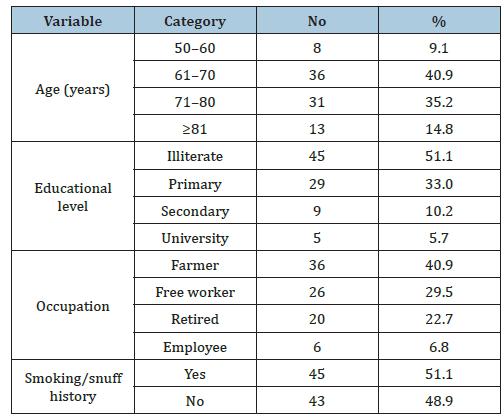
Table 2:Clinical presentation of patients with prostate cancer (n=88).
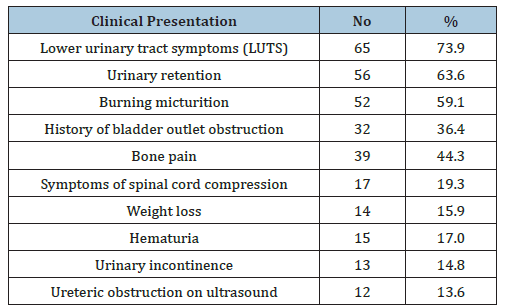
Table 3:Clinicopathological characteristics of prostate cancer patients.
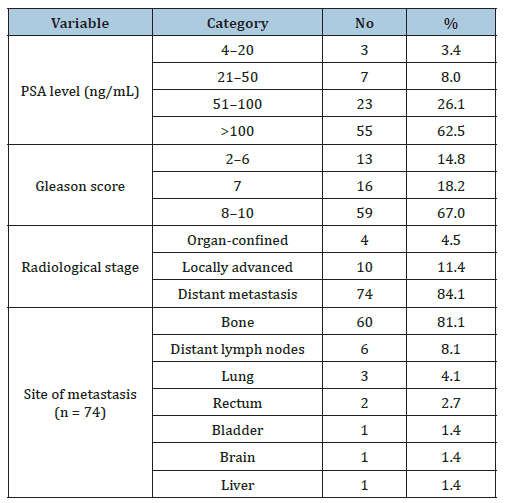
Table 4:Treatment modalities administered to patients with prostate cancer.
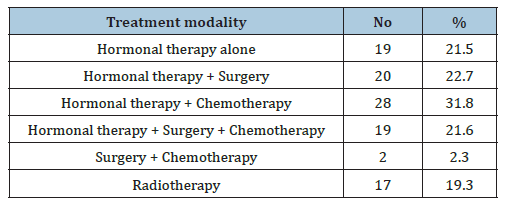
Discussion
This study evaluated the demographic characteristics, clinical presentation, clinicopathological features, and treatment patterns of patients with metastatic prostate cancer managed at the Tumor Therapy and Cancer Research Center (TTCRC), Shendi, Sudan. The findings demonstrate that most patients were diagnosed at an advanced stage of disease, characterized by markedly elevated PSA levels, high Gleason scores, and a high prevalence of bone metastasis, highlighting the persistent challenge of delayed diagnosis in Sudan. In our cohort, 84.1% of patients had distant metastatic disease, while 62.5% had PSA concentrations exceeding 100ng/mL and 67.0% had Gleason scores of 8–10. These findings are consistent with recent multicenter evidence from Sudan, in which 84.2% of 532 biopsy-confirmed patients were reported to have advanced disease. The similarity between these findings suggests that advanced presentation may represent a broader challenge in Sudan rather than a phenomenon restricted to a single oncology center. Several contextual factors may contribute to delayed diagnosis, including limited awareness of prostate cancer symptoms, delayed healthcare seeking, restricted access to diagnostic investigations, geographic barriers and limitations in referral pathways. The concentration of specialized oncology services in selected urban centers may further increase the delay for patients living in rural or underserved areas. These factors should, however, be considered as plausible explanations rather than established causal determinants because the present retrospective study did not directly measure healthcare-seeking behavior, distance to healthcare facilities, socioeconomic status, or time from symptom onset to diagnosis. The mean age at diagnosis was 71.7 years, with the majority of patients aged between 61 and 80 years. This finding is consistent with previous studies conducted in Uganda and Sudan, which reported similar ages at diagnosis, confirming that prostate cancer predominantly affects older men [5,7]. The relatively older age at presentation may reflect the absence of organized screening programs and limited public awareness regarding early symptoms of prostate cancer. More than half of the study participants were illiterate and farmers represented the largest occupational group. These findings may reflect the demographic characteristics of the population served by the center and may also indicate potential barriers to health literacy and timely healthcare utilization. However, the present study did not collect sufficiently detailed individual-level information to determine whether low educational attainment or farming occupation was independently associated with advanced disease. Therefore, these characteristics should not be interpreted as established risk factors for advanced prostate cancer. Instead, they highlight population groups that may benefit from improved awareness, symptom recognition and accessible referral pathways. Future prospective studies should specifically evaluate the relationship between educational level, occupation, socioeconomic status, healthcare accessibility and stage at diagnosis. Lower educational attainment may contribute to delayed healthcare seeking and reduced participation in cancer screening programs, resulting in diagnosis at advanced stages. Similar observations have been reported previously, demonstrating an association between limited health literacy and advanced prostate cancer at presentation [8,9]. The interpretation of prostate cancer risk in Sudan also requires consideration of factors that could not be adequately evaluated in the present dataset. Family history, detailed comorbidity profiles, duration and intensity of smoking or snuff use, dietary factors, socioeconomic status and healthcare accessibility may influence prostate cancer risk, diagnosis, or stage at presentation. However, because these variables were incompletely documented in the retrospective records, their contribution could not be quantified in this study. Future multicenter prospective studies should therefore incorporate standardized collection of these variables to allow assessment of potential confounding and effect modification. Lower urinary tract symptoms were the predominant clinical presentation, followed by urinary retention and burning micturition. Bone pain was the most frequent symptom among patients with metastatic disease. These findings are comparable to reports from Nigeria and Egypt, where urinary symptoms and skeletal manifestations were the most common presenting complaints among patients with advanced prostate cancer [10,11]. The majority of patients had PSA concentrations exceeding 100ng/mL and Gleason scores of 8–10, indicating biologically aggressive tumors. Furthermore, more than four-fifths of patients presented with radiologically confirmed metastatic disease. The markedly elevated PSA levels observed in this cohort should be interpreted as a marker of substantial disease burden rather than as an independent causal determinant of metastasis.
These observations support previous evidence demonstrating that elevated PSA levels and higher Gleason scores are strongly associated with advanced tumor stage and poor prognosis [12]. Bone was the predominant site of distant metastasis, followed by lymph node involvement. The high proportion of patients presenting with metastatic disease and markedly elevated PSA levels may largely reflect delayed diagnosis, limited public awareness, and inadequate access to early screening and specialized oncology services. Similar challenges have been reported across several low- and middle-income countries, where healthcare inequalities frequently contribute to advanced disease at presentation and poorer clinical outcomes. This metastatic pattern is consistent with previous studies from Japan and other international cohorts, confirming that the skeleton remains the principal site of metastatic spread in advanced prostate cancer [13,14]. Regarding treatment, androgen deprivation therapy, either alone or in combination with chemotherapy or surgery, represented the most frequently used treatment strategy. Combination hormonal therapy and chemotherapy was the most common treatment modality, reflecting the high proportion of patients presenting with metastatic disease. These management patterns generally agree with contemporary European Association of Urology (EAU) recommendations for advanced prostate cancer, which advocate systemic therapy as the cornerstone of treatment for metastatic disease. Overall, the present findings emphasize that prostate cancer in Sudan continues to be diagnosed predominantly at advanced stages, limiting curative treatment options and increasing dependence on systemic and palliative therapies. These findings are consistent with recent cancer research conducted in Sudan, which emphasizes the importance of expanding molecular and clinicopathological investigations to better understand cancer characteristics in the Sudanese population and to support evidence-based strategies for early diagnosis and improved patient management [15]. In the context of Sudan, treatment selection may also be influenced by disease stage at presentation, availability of oncology services, access to medications and radiotherapy, treatment affordability, and referral pathways. Therefore, the observed treatment patterns should be interpreted not only as reflections of clinical decisionmaking but also within the constraints of available healthcare resources. Contemporary international recommendations support risk- and stage-adapted management, but implementation in resource-constrained settings requires consideration of local infrastructure and treatment availability. Strengthening early detection strategies, improving public awareness, and expanding access to specialized oncology services are essential to improve patient outcomes.
Limitations
This study has several limitations. First, its retrospective cross-sectional design relied on medical records, which may have contained missing or incomplete information. Second, 23 of 111 records were excluded due to insufficient data, potentially introducing selection bias. Third, the single-center setting limits the generalizability of the findings to the wider Sudanese population. Fourth, important confounders, including family history, comorbidities, socioeconomic factors, and smoking or snuff exposure, were not consistently available. Finally, the absence of long-term follow-up prevented assessment of survival and treatment outcomes, and the observational design does not allow causal inferences.
Conclusion
This study shows that prostate cancer patients in Sudan frequently present with advanced disease, characterized by high PSA levels, high Gleason scores, and bone metastases. Lower urinary tract symptoms were the most common presenting complaints, while androgen deprivation therapy was the main treatment approach. These findings highlight the need for earlier diagnosis, greater public awareness, and improved access to specialized cancer care.
Recommendations
Health education should be strengthened to promote awareness and earlier healthcare seeking among older men. Primary healthcare facilities should improve recognition of warning symptoms and establish clear referral pathways for PSA testing, imaging, biopsy, and specialist assessment. Risk-adapted early detection should be considered for appropriately selected men based on age, risk factors, life expectancy, and patient preferences. Referral networks and access to essential diagnostic and treatment services should also be expanded. Future multicenter prospective studies should use standardized data collection and include risk factors, diagnostic delays, treatment response and survival outcomes.
Consent
Not applicable.
Ethical Considerations
Ethical approval for the study was obtained from the Department of Community Medicine, Faculty of Medicine, Shendi University, before commencement of the study. Permission to access the relevant patient medical records was obtained from the Tumor Therapy and Cancer Research Center (TTCRC), Shendi, Sudan. The study involved retrospective review of existing medical records, and patient confidentiality and anonymity were maintained throughout the study. All personal identifiers were removed from the dataset prior to analysis. The study was conducted in accordance with the ethical principles of the Declaration of Helsinki.
Competing Interests
The authors have declared that no competing interests exist.
Data Availability Statement
The datasets used and/or analyzed during the current study are available from the corresponding author upon reasonable request.
References
- Khazaei S, Rezaeian S, Ayubi E, Gholamaliee B, Pishkuhi MA, et al. (2016) Global prostate cancer incidence and mortality rates according to the human development index. Asian Pacific Journal of Cancer Prevention 17(8): 3793-3796.
- Adeloye D, David RA, Aderemi AV, Iseolorunkanmi A, Oyedokun A, et al. (2016) An estimate of the incidence of prostate cancer in Africa: A systematic review and meta-analysis. PloS One 11(4): e0153496.
- Banerjee S (2016) Worldwide prostate cancer epidemiology: differences between regions, races, and awareness programs. International Journal of Clinical and Experimental Medical Sciences 2(1): 1.
- Odedina FT, Akinremi TO, Chinegwundoh F, Roberts R, Yu D, et al. (2009) Prostate cancer disparities in Black men of African descent: a comparative literature review of prostate cancer burden among Black men in the United States, Caribbean, United Kingdom, and West Africa. Infectious Agents Cancer 4(Suppl 1): S2.
- Taha SM, Weng HY, Mohammed ME, Osman YM, N’dri NS, et al. (2020) Prostate cancer clinical characteristics and outcomes in Central Sudan. Ecancermedicalscience 14: 1116.
- Berry SJ, Coffey DS, Walsh PC, Ewing LL (1984) The development of human benign prostatic hyperplasia with age. The Journal of Urology 132(3): 474-479.
- Tindall EA, Monare LR, Petersen DC, Van Zyl S, Hardie RA, et al. (2014) Clinical presentation of prostate cancer in black South Africans. The Prostate 74(8): 880-891.
- Wolf MS, Knight SJ, Lyons EA, Durazo-Arvizu R, Pickard SA, et al. (2006) Literacy, race, and PSA level among low-income men newly diagnosed with prostate cancer. Urology 68(1): 89-93.
- Scott TL, Gazmararian JA, Williams MV, Baker DW (2002) Health literacy and preventive health care use among Medicare enrollees in a managed care organization. Medical Care 40(5): 395-404.
- Ajape AA, Ibrahim KO, Fakeye JA, Abiola OO (2010) An overview of cancer of the prostate diagnosis and management in Nigeria: The experience in a Nigerian tertiary hospital. Annals of African Medicine 9(3):113-117.
- Ali M (2011) Clinical presentation, pathological pattern and treatment options of prostate cancer at Al-Azhar University Hospitals over the last 30 years. African Journal of Urology 17(4): 135-140.
- Lojanapiwat B, Anutrakulchai W, Chongruksut W, Udomphot C (2014) Correlation and diagnostic performance of the prostate-specific antigen level with the diagnosis, aggressiveness, and bone metastasis of prostate cancer in clinical practice. Prostate International 2(3): 133-139.
- Drudge-Coates L, Oh WK, Tombal B, Delacruz A, Tomlinson B, et al. (2018) Recognizing symptom burden in advanced prostate cancer: a global patient and caregiver survey. Clinical genitourinary Cancer 16(2): e411-e419.
- Tanaka N, Fujimoto K, Shinkai T, Nakai Y, Kuwada M, et al. (2011) Bone scan can be spared in asymptomatic prostate cancer patients with PSA of ≤ 20ng/ml and Gleason score of ≤ 6 at the initial stage of diagnosis. Japanese Journal of Clinical Oncology 41(10): 1209-1213.
- Abass Eltaib Ahmed, Gorish H, Mahjaf BMT, Abdelmula GM, Elimam WIY, et al. (2026) Low Frequency of Pathogenic Variants in BRCA1 Exons 11/20 and BRCA2 Exon 11 Suggests Divergent Mutational Hotspots in Sudanese Breast Cancer Patients: A Case-Control Study. Breast Cancer: Basic and Clinical Research 20: 11782234261455512.
© 2026. Ghanem Mohammed Mahjaf. This is an open access article distributed under the terms of the Creative Commons Attribution License , which permits unrestricted use, distribution, and build upon your work non-commercially.
Editor In Chief







.jpg)































Signup for Newsletter

Quick Links
 Editorial Board Registrations
 Submit your Article
 Best Paper of the Volume
 Reprints
 Refer a Friend
 Advertise With Us
Our Recent Edition




Top Editors




.jpg)

















.bmp)
.jpg)
.png)
.jpg)













.jpg)






.png)

.png)




.png)




Financial Support

Sponsors

Latest e-Books

Latest Video

 a Creative Commons Attribution 4.0 International License. Based on a work at www.crimsonpublishers.com.
Best viewed in

 | Above IE 9.0 version