

- About Us
- Information
-

The Author ensures that the research has been conducted responsibly and ethically with adherence to all relevant regulations. read more..
- For Authors
- For Reviewer
- Manuscript Guidelines
- Membership
- Publication Ethics
-
- Journals
- Reprints
- e-Books
- Videos
- Policies
- Contact Us
 COVID-19
- Submissions



Full Text
Modern Concepts & Developments in Agronomy
Pre-extension Demonstration of Selected Sesbania Species for Forage Production in Crop-Livestock Mixed Farming System of South-Eastern Ethiopia
Diribi Mijena* and Aman Getiso
Ethiopian Institute of Agricultural Research, Wondogenet Agricultural Research Center, Ethiopia
*Corresponding author:Diribi Mijena, Ethiopian Institute of Agricultural Research, Wondogenet Agricultural Research Center, Shashemene, Oromia, Ethiopia
Submission: March 27, 2024;Published: May 29, 2024

ISSN 2637-7659Volume14 Issue 2
Abstract
A pre-extension demonstration of selected sesbania species was conducted in two districts (one from Sidama region and one from West Arsi zone of Oromia region) to evaluate, demonstrate, promote and popularize the best performing varieties of the selected forage crops, awareness creation, improving farmers knowledge and skill on forage crop establishment, management, forage production, conservation and utilization in the farming season of 2021/22. A total of sixty farmers having willingness to accept and disseminate the technology were purposively selected and grouped into farmers research groups comprising ten farmers. In each farmer’s research group, two trial farmers were selected with the rest being participant farmers in each kebele. Hosting farmers were selected based on ownership of suitable and sufficient land to accommodate trials, proximity to roads so as to facilitate the chance of being visited by many stakeholders, ability to manage planted crops and willingness to share their knowledge and experience to others. One potential farmers training center from each district was used as a demonstration site and source of planting material for the future. In each kebele, one hosting farmer and farmers research group comprising ten farmers was established one forage crop based on their interest. Two sesbania species, namely, Sesbania macrantha and Sesbania dummeri were evaluated and demonstrated on farmers training centers to visiting farmers at each district. Field results indicate that both varieties had the ability to produce significant amount of total edible biomass yield in addition to their additional benefits producing high non-edible dry matter that can be used as firewood. Therefore, further scaling up/out of the two sesbania species should be conducted in the study areas and to other places with similar agro-ecologies.
Keywords:Demonstration, Dry matter yield, Sebania dummeri, Sebania macrantha
Abbreviations: CP: Crude Protein; CV: Coefficient of Variation; DESY: Dry Edible Stem Yield; DLY: Dry Leaf Stem Ratio; DLY: Dry Leaf Yield; DMTR: Diameter; FESY: Fresh Edible Stem Yield; FLY: Fresh Leaf Yield; FRGs: Farmer Research Groups; FTC: Farmer Training Center; gm: Gram; IVDMD: Invitro Dry Matter Digestibility; Km: Kilometer; m: meter; mm: millimeter; MPTs: Multi-Purpose Tress; NBPP: Number of branches per plant; PHH: Plant height at harvest; SR: Survival Rate; TEDMY: Total Edible Dry Matter Yield; TEFY: Total Edible Fresh Yield; TNEDMY: Total Non-Edible Dry Matter Yield
Introduction
Despite the substantial population of livestock in Ethiopia [1], and key economic activity for the smallholder farmers of the country, production and productivity is minimal [2]. In addition to the high cost of feed, lackluster feed supplies both in quantity and quality for all animal classes contribute to the low animal output ([3,4]), which in turn causes the industry to operate below performance. Natural pasture (the main livestock feed resource in mixed crop-livestock production system) quality is extremely low during the dry seasons, with a crude protein level of less than 5% and a digestibility of around 40% to 45% ([5,6]).
Additionally, the crop residues supplemented with them are noted for their poor feeding value in terms of protein contents, energy value and digestibility [7]. Also, these feed sources are deficient in minerals. Low quality of feed resources and insufficient availability of biomass results in low livestock productivity. In addition, such low quality, fibre-rich and imbalanced diets result in high release of greenhouse gases [8]. Though many efforts have been made to address the livestock feed shortage problem, it has remained unsolved so far for various reasons.
Utilization of improved forage species that are adapted to the local agro-ecological conditions and used as feed resources is advised both internationally and locally as a way of reducing feed constraints, as they are adaptable with the smallholder farmers grown with low inputs [9]. From different improved forage crops recommended for cultivation, using multipurpose trees (MPTs) can be a good option to solve biomass scarcity and nutritional deficiency of livestock in the dry season. Available literatures show that MPTs can provide 8 to 12 t/ha dry biomass with a Crude Protein (CP) content of up to 25% [10] and it can be planted as live fence around homestead or on farm boundaries and margins where land for pure planting is a limitation [11]. Among the improved and available multipurpose and potential feed resource in the country, Sesbania is the most appropriate one. Sesbania is one of the available multipurpose, potential feed resource and drought tolerant trees uses for forage production, efficient nitrogen fixation [12], fuelwood, and soil and water conservation [13] indicated the greater contribution of sesbania in improving the yield of maize even without applying mineral fertilizers. It is cultivated as a deeprooted, short-lived perennial green manure shrub that produces high-quality leaf and serves as a supplement for protein constraints and opportunities for enhancing the system [14].
Sesbania macrantha is one of the sesbania species which is described as fast to emerge with rapid growth rate [12] and higher biomass yield than other species of sesbania with relatively higher nutritional value and digestibility ([15]; [12]). In addition, this species is suitable for improving fallows because of its higher branch and leaf it produces [15]. Sesbania macrantha has shown fast growth as observed in several mid-altitude warm regions of Ethiopia and its fodder yield is generally superior to any of the short-term fodder legumes [16]. With a CP content of 28.19% and an IVDMD of more than 70%, the nutritional composition of the species was found to be within an acceptable range for livestock requirements [16]. According to Yirgu T [17] report, Sesbania dummeri yield better in dry matter leaf-to-stem ratio under supplementary irrigation at Wondogenet, southern Ethiopia. The species is suitable for hay making due to its leafy characteristics and can be used for dry season supplementation to small ruminants or cattle. Even if Susbania macrantha and Susbania dummeri tree species were released by Ethiopian Institute of Agricultural Research for forage use and are found to be adaptable under on-station research condition, the tree species haven’t been demonstrated under onfarm condition to verify possibility of their adoption by smallholder farmers in the mixed crop-livestock production systems of the country. This suggests that in order to fully understand the benefits of MPTs in feed production, nitrogen fixation, firewood supply, soil and water conservation and protection as a fence and wind barrier, these feed resources must be demonstrated. Therefore, pre-scaling up of Susbania macrantha and Susbania dummeri production and utilization technologies was carried out to popularize, demonstrate, and encourage field production and use of specific MPTs crops due to its potential to disseminate the technology at large scale.
Materials and Methods
Study area description
The study was conducted in Wondogenet district of Sidama region and Wondo district, West Arsi zone of Oromia region in South-Eastern Ethiopia. Wondogenet is located at about 270km South of Addis Ababa (capital city of the country), 34km East of Hawassa city, the capital of Sidama Regional State, and 14km South-East of Shashemene, the capital of West Arsi zone of Oromia regional state. The geographical coordinate of the district is 70 19’N and 38 0 38’E with a wide altitudinal range of 1600 to 1950 meter above sea level. The mean annual minimum and maximum rainfall are 709mm and 2062mm, respectively. The district has a mean maximum and minimum temperature of 26 °C and 12 °C, respectively. Wondogenet has a bimodal rainfall distribution with short rains occur during March to May and the long rains in July to October [18]. Livestock rearing, both rainfed and irrigation-based crop production and small-scale trade were the major economic activities accounting for 13%, 85% and 2%, respectively [19].
Wondo district is located in the southeastern escarpment of the Ethiopian Great Rift Valley 7°06-07′N, 38°37′ - 42′E, approximately 260 km south of Addis Ababa. The altitude ranges from 1,700 to 2,300 meter above sea level [20]. According to the Wondo district agricultural office, 90% of the district lies in the midland agroecological zone, while 10% lies in the highland agro-ecology. The area has a bimodal rainfall pattern and receives 1,210mm annual rainfall, with a rainy season during March to September and a relatively dry period from December to February. The average annual temperature is 20 °C. Fertile soil, water, forest and wildlife are some of the natural resources Wondo district bestowed with it [21]. The valley plain of Wondo has fertile soil. The loamy sand textured soils, which contain the most important nutrients, cover the area [22]. The farmland of the study area is both rain-fed and irrigated. The major plants cultivated in the area are Catha edulis (Vahl) Forssk. ex Endl.), Coffea arabica L., Saccharum officinarum L., Musa paradisiaca L., Persea americana, Solanum lycopersicum L., Solanum tuberosum, L. Ensete ventricosum (Welw.) Cheesman, and Carica papaya L. [23]. These plants are used as a source of income and food. Cattle, sheep, goats, horses, and donkeys are some of the livestock animals commonly reared in the area [24].
Site and farmers’ selection
Based on the livestock potential, a total of six kebeles (three kebeles from each district) were selected with the help of development agents and livestock experts. Then ten farmers (7 male and 3 female) having willingness to accept and disseminate the technology were purposively selected from each kebele and grouped into Farmers Research Groups (FRGs). In each FRGs, two hosting farmers were selected with the rest being participant farmers in each kebele. Hosting farmers were selected based on ownership of suitable and sufficient land to accommodate trials, proximity to roads so as to facilitate the chance of being visited by many stakeholders, ability to manage planted crops and willingness to share their knowledge and experience to others. One potential Farmers Training Center (FTCs) from each district was used as a demonstration site and source of planting material for the future.
Planting material preparation, distribution and management
Sesbania macrantha was sown on FTCs and selected farmer fields. The tree seeds were sown in two rows, 50cm apart within rows and 1.5m apart between rows, along farm boundaries as a hedge row or strip between croplands. Three seeds per hole were sowed in each row. After a month the seedlings were thinned to one tree per hole. At FTCs, seeds of Sesbania macrantha sowed in 10m x 10m plot of land, in 7 rows at 0.5m spacing within rows and 1.5m between rows leaving 0.5m border at both sides. Sesbania dummeri seedling was raised at Wondogenet Agricultural Research center nursery site and at eight-weeks old, the nursery-raised Sesbania dummeri seedlings were transplanted to farmer fields and FTCs. In farmers’ fields, depending on the farmer’s situation, the tree seedlings were planted in farm boundaries, as a hedge row or strip between crop lands. The planting was done in two rows (8 plants per row) at 0.5m spacing within rows and 1.5m between rows. In FTCs, the planting was done in 10m x 10m plot of land, in 7 rows at 0.5m spacing within rows and 1.5m between rows leaving 0.5m border at both sides. No fertilizer applied for both crops and other management practice applied as required.
Data collection
At 6 months after transplanted data on number of plants survived (%), plant height at harvest (m), stem thickness (diameter) at 0.75m above ground level (mm), number of primary branches per plant and biomass yield estimation (leafy, edible stem and fuelwood) was recorded from five randomly selected trees per row at both farmer field and FTCs. The survival rate was calculated as the ratio of the number of surviving plants per unit area to the total number of plants planted per unit area and then multiplied by one hundred. Stem diameters were measured at 0.75m above ground using a veneer sliding digital caliper. Randomly selected plants were measured using steel tape from the ground level to the highest leaf before harvesting and the average value was taken as plant height at harvest. Similarly, the number of branches per plant was calculated by counting all main branches from randomly selected trees and the average of sampled branches was considered [25]. The plants were harvested at 0.5m above ground level as recommended by Fabunmi TO [26], and the whole plant was weighed to calculate total fresh biomass yield, and the rest of the harvested material was sorted into edible (leaf and edible stem) and non-edible stem (woody) components to calculate leaf and edible stem yield. Stems that are less than 6mm were considered as edible stem based on the recommendation of Mekonen T [27]. A 300gm representative sample from each leaf and edible stem was taken for dry matter determination and allotted into oven dried which set at 105 °C temperature for 24 hours according to Mutegi JK [28] procedures. Quantitative data was summarized using SAS software. T-test was employed for the comparison.
Result and Discussions
The general analysis of variance for the measured parameters across district and varieties is presented in Table 1. Nearly all parameters related to agronomic, and yield showed substantial differences between the two study locations under demonstration, with the exception of the survival rate, plant height at harvest, number of branches per plant, and dry leaf to stem ratio. Similarly, the measured agronomic and yield data of tested crops showed significant differences except for plant height at harvest and dry edible stem yield. With the exception of dry edible stem yield (t/ ha) and plant height at harvest (m), the measured agronomic and yield parameters of the investigated crops also revealed significant variances.
Table 1:General analysis of variance for measured agronomic and yield data of tested crops.

Note: *=significant, CV=Coefficient of variation, m=meter, mm=millimeter, ns=non-significant, t/ha=ton per hector
In terms of the plant height characteristic, there were no significant differences (p>0.05) between the means of the S. macrantha and S. dummeri types based on their overall mean performance at one year (Table 2). The current study revealed that the average plant heights measured for Sesbania dummeri (3.70m) and Sesbania macrantha (4.0m) are, however, consistent with the 3.7m average for Sesbania sesban reported by [29] and the 3.7m grand mean plant heights measured for one year by (Negasu G [30]. Hidosa D [25] also reported that while the plant height of the tested varieties of Sesbania sesban did not substantially differ from one another (p>0.05) at the irrigated lowland of Dassench District of South Omo, Southwestern, Ethiopia, the average plant height (2.63m) was lower than the findings of the current study. The current experiment growth rate exceeded the 3.3m height reached in 10 months and was comparable to average final height of 4.0m in 18 months reported by Endebu M [31]. Gebremedhin AT [32] suggests that the height of cutting plants above ground and the number of branches per plant provide useful information for assessing crop growth and adaptation. Variations in these metrics may result from differences in ecological conditions or management practices.
Table 2:Survival rate and agronomic performance of the tested crops.

Note: Means with different superscripts in a column are significantly different from each other (p<0.05). SR=Survival rate, PPH=Plant height at harvest, DMRT=Diameter,NBPP=Number of branches per plant, CV=Coefficient of variation.
Regarding the number of branches per plant, the tested Sesbania varieties exhibit distinct trends in comparison to plant height at harvest. Average number of branches per plant of Sesbania macrantha (15.5) was lower than that of Sesbania dummeri (37.6) at the study site (Table 2). The value of the current study for Sesbania macrantha (15.5) was lower that the value of Sesbania varieties (26) at south Omo as reported by Gebremedhin AT [32], while the value for Sesbania dummeri (37.6) was greater than the value reported by the above author. However, the branches per plant for both types in this study were less than the values (40-52) for pigeon pea varieties that were adapted to the South Omo under rain-fed [33].
The total edible dry matter yield of the current study showed significant differences (p<0.05) between the means of Sesbania macrantha (4.6t/ha) and Sesbania dummeri (3.4t/ha) (Table 3). The total edible dry biomass yield (4.0t/ha) obtained from this study for Sesbania varieties were comparable with the value ranged from 4.64 - 7.91t/ha reported by Tesfaye W [29] for the Sesbania varieties at the highland of eastern Hararge of Ethiopia, but, lower than 8.95-17.66t/ha reported by Hidosa D [25] for sesbania varieties at irrigated lowland of Dassench District of South Omo, Southwestern, Ethiopia. Similarly, the current edible dry matter yield was lower than the 18.91ton/ha and 27.64ton/ha that was reported by Negasu G [30] DZ-89 and DZ-96 Sesbania accessions, respectively.
Leaf to stem ration has a significant impact on the quality of forage, diet choice, intake, and nutritional degradability [34]. According to the current finding, there is a significant difference (p<0.05) in the dry leaf to stem ratio between Sesbania macrantha (1.73) and Sesbania dummeri (1.12) (Table 3). The variation might be linked to genetic heterogeneity among the variations [25]. The dry leaf to stem ratio result obtained from this study is greater than the value reported by) Tesfaye W [29] that varied from 0.23 to 0.31 for Sesbania sesban at highland of eastern Hararge of Ethiopia. But, comparable with those (0.98-1.27) reported by Hidosa D [25] for Sesbania sesban cultivated at the irrigated lowland of Dassench District of South Omo, Southwestern Ethiopia (Figure 1).
Table 3:Fresh and dry matter yield performance of the tested crops.

Means with different superscripts in a column are significantly different from each other (p<0.05). FLY=Fresh leaf yield, FESY=Fresh edible stem yield, TEFBMY=Total edible fresh biomass yield, DLY=Dry leaf yield, DESY=Dry edible stem yield, DLSR=Dry leaf to stem ratio, TEDMY=Total edible dry matter yield, TNEDMY=Total non-edible dry matter yield
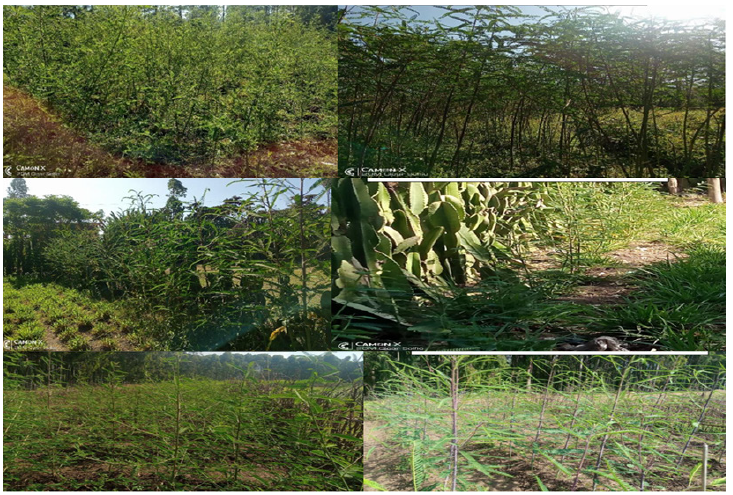
Figure 1:Showed performance of the demonstrated sesbania species on field.
Conclusion
Pre-extension demonstration of multipurpose tree shrubs,
namely, Sebania macrantha and Sesbania dummeri was conducted in
Wondogenet district of Sidama regional state and Wondo district in
West Arsi zone of Oromia regional state in the crop-livestock mixed
farming system of southeastern Ethiopia to evaluate, demonstrate,
promote and popularize the best performing varieties of the
selected sesbania species. The demonstration result revealed that
both Sesbania macrantha and Sesbania dummeri had a good herbage
yield at both locations. Moreover, both varieties were preferred
by visiting farmers in all the selection criteria including firewood
production that had a great role in environmental protection by
reducing deforestation for firewood. Based this evidence, of the
pre-extension demonstration, the following recommendations are
forwarded:
1. Further research: Conduct additional studies to assess
the performance of Sesbania species under different agroecological
conditions and management practices. This will
provide more comprehensive insights into their adaptability
and potential benefits for livestock production.
2. Farmer training and extension: Implement training programs
and extension activities to educate farmers about the benefits
of incorporating Sesbania species into their farming systems.
Provide guidance on planting techniques, management
practices, conservation, and utilization strategies to maximize
the benefits of these forage crops.
3. Seedling distribution: Facilitate the distribution of highquality
seedlings of Sesbania species to interested farmers,
ensuring access to planting materials for widespread adoption.
Collaborate with agricultural extension services and local
nurseries to increase availability and affordability of seedlings.
4. Demonstration plots: Establish demonstration plots in various
districts and communities to showcase the performance of
Sesbania species under local conditions. Encourage farmer
participation and engagement through field days, workshops,
and knowledge sharing events.
5. Policy support: Advocate for policy initiatives that promote
the integration of forage production into livestock farming
systems. This may include incentives for forage crop cultivation,
support for research and development, and integration of
forage-related practices into agricultural extension programs.
By implementing these recommendations, stakeholders can contribute to improving livestock productivity, enhancing resilience to feed shortages, and promoting sustainable agricultural development in the study area and areas with similar agro-ecology. Collaboration between researchers, extension agents, policymakers, and farmers will be essential for successful adoption and scaling-up of Sesbania forage production in the study area particularly, and in the country in general.
Acknowledgement
We express our gratitude to the Ethiopian Institute of Agricultural Research for providing funds for this research. We are grateful of Ethiopian Institute of Agricultural Research for funding the research work. We also appreciate Wondogenet Agricultural Research Center, Wondogenet and Wondo district Agricultural Office and all participant farmers for their cooperation throughout the research period.
References
- Central Statistical Agency (CSA) (2022) Federal Democratic Republic of Ethiopia, Statistics Service. Agricultural sample survey, Livestock and livestock characteristics (Private Peasant Holdings), Volume II, Statistical Bulletin 594, Addis Ababa, Ethiopia.
- Gebremariam S, Amare S, Baker D, Solomon A (2010) Diagnostic study of live cattle and beef production and marketing. Constraints and opportunities for enhancing the system. Addis Ababa: Report for Agricultural Transformation Agency (ATA).
- Gelayenew B, Nurfeta A, Assefa G, Asebe G (2016) Assessment of livestock feed resources in the farming systems of mixed and shifting cultivation, Gambella Regional State, Southwestern Ethiopia. Glob J Sci Front Res 16(5): 11-20.
- Ethiopian Institute of Agricultural Research (EIAR) (2017) Livestock research strategies. Feeds and nutrition, rangelands and animals’ health. Addis Ababa, Ethiopia.
- Gemiyo D, Hassen A, Kocho T, Birhanu T, Bassa Z, et al. (2013) Chemical composition and digestibility of major feed resources in mixed farming system of southern Ethiopia. World Applied Sciences Journal 26(2): 267-275.
- Keba HT, Madakadze IC, Angassa A, Hassen A (2013) Nutritive value of grasses in semi-arid rangelands of Ethiopia: Local experience-based herbage preference evaluation versus laboratory analysis. Asian-Australasian Journal of Animal Sciences 26(3): 366-377.
- Yayneshet T (2010) Feed resources availability in Tigray region, northern Ethiopia, for production of export quality meat and livestock. Ethiopia Sanitary & Phytosanitary Standards and Livestock & Meat Marketing Program (SPS-LMM) Report, p. 77.
- Gerber PJ, Henderson B, Makkar HP (2013) Mitigation of greenhouse gas emissions in livestock production: a review of technical options for non-CO2 emissions (No. 177). Food and Agriculture Organization of the United Nations (FAO), Rome, Italy.
- Kassa AM (2008) Multipurpose fodder trees in Ethiopia: Farmers' perception, Constraints to Adoption and Effect of Long-Term Supplementation on Sheep Performance. Wageningen University and Research, Netherlands.
- Mandal L (1997) Nutritive values of tree leaves of some tropical species for goats. Small Ruminant Research 24(2): 95-105.
- Mekonnen K, Gebreyes M, Abdulkadir B, Seifu H, Thorne P (2021) Training Module on Livestock Feed and Forage Innovations. Accelerating Impacts of CGIAR Climate Research for Africa and Africa Research in Sustainable Intensification for the Next Generation in the Ethiopian highlands.
- Mengistu S, Keftasa D, Yami A (2002) Productivity of four Sesbania species on two soil types in Ethiopia. Agroforestry Systems 54: 235-244.
- Kwesiga FR, Franzel S, Place F, Phiri D, Simwanza CP (1999) Sesbania sesban improved fallows in eastern Zambia: Their inception, development and farmer enthusiasm. Agroforestry Systems 47: 49-66.
- Shelton HM, Franzel S, Peters M (2005) Adoption of tropical legume technology around the world: analysis of success. In Grassland: a global resource. Wageningen Academic, Netherlands, pp. 149-166.
- Mgangamundo MA, Mugasha AG, Chamshama SAO (1999) Performance of provenances of Sesbania macrantha at Gairo, Morogoro, Tanzania. Tanzania Journal of Agricultural Sciences 2(1): 27-36.
- Ekule M, Wamatu J, Mengistu S (2022) Indigenous forage species evaluation and variety development in Ethiopia: A historical perspective. Nairobi, Kenya, ILRI.
- Yirgu T, Mengistu S, Geleti D, Mashrur MN (2023) Herbage yield evaluation of sesbania tree legume lines (Sesbania scopoli) under supplemental irrigation. Int J Agric Vet Sci 5(3): 36-43.
- Duro ES, Tadesse Y (2022) Assessment of cattle breeding practice of the community in Wondo genet district, Sidama regional state Southern Ethiopia. Int J Adv Res Biol Sci 9(6): 39-50.
- Somano W, Tefera T (2015) Financial analysis of small-scale irrigation-based vegetable production in Wondo Genet district of Sidama zone, Southern Ethiopia. Ethiopian Journal of Applied Science and Technology 6(2): 35-52.
- Kebede M, Yirdaw E, Luukkanen O, Lemenih M (2013) Plant community analysis and effect of environmental factors on the diversity of woody species in the moist Afromontane Forest of Wondo Genet, South Central Ethiopia. Biodiversity Research and Conservation 29(2013): 63-80.
- Fantahun S (2017) Determinants of agricultural information need and access of smallholder farmers. The Case of Wondo Intaye district West Arsi zone, Ethiopia. Proceedings of the 9th Multi-Disciplinary Seminar Research and Knowledge Management Office, St. Mary’s University. Addis Ababa, Ethiopia.
- Ango TG (2005) Prospects of sustainable natural resource management and livelihood development in Wondogenet area, southern Ethiopia (Master’s Thesis, Addis Ababa University), Ehiopia.
- IUSS Working Group WRB (2022) World Reference Base for Soil Resources. International soil classification system for naming soils and creating legends for soil maps. (4th edn), International Union of Soil Sciences (IUSS), Vienna, Austria.
- Wondo District Office of Agriculture (2015) Intaye, Wondo, Ehtiopia.
- Hidosa D (2022) Evaluation of biomass yield and quality parameters of Sesban (Sesbania sesban) varieties in irrigated lowland of Dassench district of South Omo, South-Western, Ethiopia. OAJBS 4(1): 1438-1442.
- Fabunmi TO, Adigbo SO, Odedina JN (2010) Effect of severity of pruning on growth, yield and survivability of pigeon pea (Cajanus cajan) in pigeon pea/pepper alley cropping. Journal of Agricultural Science and Environment 10(1): 18-26.
- Mekonen T, Tolera A, Nurfeta A, Bradford B, Mekasha A (2022) Location and plant spacing affect biomass yield and nutritional value of pigeon pea forage. Agronomy Journal 114(1): 228-247.
- Mutegi JK, Mugendi DN, Verchot LV, Kung’u JB (2008) Combining napier grass with leguminous shrubs in contour hedgerows controls soil erosion without competing with crops. Agroforestry systems 74: 37-49.
- Tesfaye W, Fikadu T, Bekuma W, Furgasa M (2021) Performance evaluation of improved forage trees (Sesbania sesban) cultivars for animal feed and nutritional quality in highlands of East Hararghe Zone, Oromia, Ethiopia. Food Science and Quality Management (106): 7-11.
- Negasu G, Gizahu W (2019) Adaptation study of improved fodder tree (Sesbania sesban (L.) Merril) at Haro Sabu, Kelem Wollega, Oromia, Ethiopia. International Journal of Research -Granthaalayah 7(8): 212-219.
- Endebu M, Girma F (2016) Sesbania sesban, a fodder species potential to rehabilitate wetland vegetation in Lake Ziway, Ethiopia. International Journal of Fisheries and Aquatic Studies 4(3): 298-301.
- Gebremedhin AT, Gedo AH, Edo GY, Haile ST (2020) Evaluation of multi-functional fodder tree and shrub species in mid-altitudes of South Omo Zone, Southern Ethiopia. Journal of Horticulture and Forestry 12(1): 27-34.
- Hidosa D, Kibret S, Belachew B (2020) Evaluation of Pigeon pea (Cajanus cajan) for dry matter yield and chemical composition on station of Jinka Agricultural Research Center, South Omo, South-Western Ethiopia. American-Eurasian Journal of Agriculture and Environment 20(3): 129-136.
- Moore KJ, Lenssen AW, Fales SL (2020) Factors affecting forage quality. Forages: The Science of Grassland Agriculture 2: 701-717.
© 2024 Diribi Mijena. This is an open access article distributed under the terms of the Creative Commons Attribution License , which permits unrestricted use, distribution, and build upon your work non-commercially.
Editor In Chief







.jpg)































Signup for Newsletter

Quick Links
 Editorial Board Registrations
 Submit your Article
 Best Paper of the Volume
 Reprints
 Refer a Friend
 Advertise With Us
Our Recent Edition

.jpg)



Top Editors




.jpg)

















.bmp)
.jpg)
.png)
.jpg)













.jpg)






.png)

.png)




.png)




Financial Support

Sponsors

Latest e-Books

Latest Video

 a Creative Commons Attribution 4.0 International License. Based on a work at www.crimsonpublishers.com.
Best viewed in
a Creative Commons Attribution 4.0 International License. Based on a work at www.crimsonpublishers.com.
Best viewed in 
 | Above IE 9.0 version