

- About Us
- Information
-

The Author ensures that the research has been conducted responsibly and ethically with adherence to all relevant regulations. read more..
- For Authors
- For Reviewer
- Manuscript Guidelines
- Membership
- Publication Ethics
-
- Journals
- Reprints
- e-Books
- Videos
- Policies
- Contact Us
 COVID-19
- Submissions



Full Text
Investigations in Gynecology Research & Womens Health
Women’s Midlife Health Policy- Beyond Good Intention Statement!
Suresh K*
Family Physician & Public Health Consultant, India
*Corresponding author:Suresh Kishanrao, Family Physician & Public Health Consultant, Bengaluru, India
Submission:August 18, 2026;Published: September 24, 2026
ISSN: 2577-2015 Volume6 Issue2
Abstract
“Ageing is a pause,” Sometimes with a cause, but often seems like a loss, and her life could go on a toss, if we didn’t pause, to understand woman’s menopause. Menopause remains a taboo topic in India, leaving many women without proper support and vulnerable to chronic conditions linked to this transition and therefore women are often left to navigate this transition without medical guidance, emotional support, or reliable information. Raising awareness is crucial to breaking stigma and supporting wellbeing. India has approximately 103 to 140 million menopausal and post-menopausal women. Roughly 15% of Indian women aged 30 to 49 experience menopause or premature/early menopause, with higher occurrences in rural areas (about 16%) than urban areas (about 12%). Indian women have started talking about periods and what adolescent girls go through. We have come a long way in terms of menstruation and are even talking about period leave. Menstrual leave in India is being heavily debated. Supporters call it a vital health and dignity right, while critics and the Supreme Court of India warn it may hurt women’s hiring chances, reinforce gender stereotypes, and lead to legal or executive overreach. Only a few states like Bihar, Odisha, and Kerala have sector-specific rules, leaving national policy fragmented.
Karnataka state is boasting to become India’s first dedicated women’s health policy state by featuring the “Ruthuthaare” an initiative, focused heavily on perimenopause, menopause and post-menopause issues. Most Country’s health systems across the globe, women’s health programs target maternal & reproductive health, without adequately addressing Menopause, leaving a significant gap in care and awareness. The policy is still being developed in Karnataka, its eventual impact will depend on the final guidelines, funding, workforce training, screening protocols, referral pathways and access & availability of specialist services to rural women in Karnataka. If implemented effectively, and outcomes demonstrated, the initiative could provide a model for integrating menopause care into public-health system elsewhere in India.
Materials and methods: This article is a critical review of the policy in development, claiming to be first of its sort and author discusses implementation hurdles.
Outcome: As of now it appears more of verbal assurances as reaching rural and urban poor women is heavily dependent on ASHAs and not putting the responsibility on departmental field staff of ANMs community health officers, and medical officers who are much better qualified & experienced. Biggest challenge is to take the envisaged specially trained manpower to Remote Rural and Urban poor in Karnataka.
Introduction
Health and Family Welfare Minister Government of Karnataka announced a project called “Ruthu Thare” with a special focus on menstrual health, perimenopause and menopause, at a meeting in Bengaluru on Tuesday, 4 August 2026. The program integrates midlife women’s health into the public health system with grassroots ASHA outreach, specialized clinical care, and a landmark one-year medical fellowship [1].
Key goals and structure
Outreach by grassroot functionaries: ASHA workers will conduct door-to-door visits using structured questionnaires to spot early menopausal and perimenopausal symptoms among women.
Integrated screening: Menopause, breast health, and bone density checks are being tied into existing state drives like the Gruha Arogya scheme for women aged 30 and above.
Specialized training: The state is introducing a first-of-itskind one-year menopause fellowship to train medical officers and build a dedicated specialist workforce.
Public campaign: An Actress and former serves as the official brand ambassador to break social taboos and encourage open dialogue.
Expert backing: An expert committee chaired by a consultant gynaecologist specializing in menopause and midlife women’s health and comprising gynaecologists, nutritionists, and mental health professionals is designing the clinical framework [1].
Components around menopause
The issue of Menopause has three components namely
A. Perimenopause is the transitional period during which
ovarian hormone levels begin to fluctuate, and menstrual cycles
also co-fluctuate. It can begin several years before a woman’s
final menstrual period.
B. Menopause is reached after a woman has gone 12
consecutive months without menstruation when no other
medical or physiological cause explains the absence of periods.
It usually occurs between the ages of 45 and 55, buy it can
happen earlier because of natural ovarian changes, surgery or
certain medical treatments.
C. post-menopause refers to the years following menopause.
Women may continue to experience symptoms during this
stage, while declining oestrogen levels can influence their
bones, cardiovascular system and genitourinary health [2].
Challenges of supporting menopausal issues
Supporting menopausal health is difficult globally and in India because public health systems focus mostly on reproductive years. Cultural taboos cause silence, and many regions lack trained medical professionals or affordable treatments like hormone therapy [3,4]. This article is a critical review of the policy in development, claiming to be first of its sort and author’s analysis of implementation challenges
Case Report
Case Report 1
Rama Patil was 45, a graduate started to notice changes in her behaviour. She had always been a calm person, but this resident of Kalburgi in India’s Karnataka state found herself losing her temper with her family, which comprised her husband, two children, and mother-in-law, over minor matters. She also fell into episodes of depression. She would say “I do not know what was going on, have a lot of anxiety & felt disconnected with the world.” Things came to a head when one day she was overwhelmed by an urge to end it all. She went to the top floor of her house, all ready to jump, until a thought of her children that they might never recover from the trauma stopped her. Then She consulted a Gynaecologist, also went online and discovered that the changes in her mental health and behaviour were correlated with menopause. Though she knew that her periods would become irregular and eventually stop altogether, but she was taken by surprise when some very fundamental changes occurred to her physical and mental health.
Case Report 2
Bhavani a 44-yr old, consulted me with C/o Irregular periods
for 6 months, 3-4/25 -40 days
a) LMP: 2 months ago
b) Using condoms
c) No visits to Gynaecologist since last delivery 15 years ago
d) BMI: 26, BP: 120/80
e) TSH 2mIU/L; FSH 8mIU/mL
Case Report 3
Mrs. Rozy Fernandes, Age 48-Yrs. Reported Reaching menopause 2 years ago Beautician reported with Concerns of: a) Growing more coarse hair on the upper lip and chin since, the time of cessation of her periods. b) Gaining more weight especially around the waist & hips. She was advised Lifestyle, diet, exercise, Ca and Vit D. c) Periodical Screening tests for hormone levels. At menopause transition there is a redistribution of weight from a gynecoid to an android form. d) No increase in weight with HT –unless Progestogen sensitive.
Case Report 4
Mrs Nussart Bee aged - 50 yr, Para 1 presents with c/o recurrent
urinary infections
a) Amenorrhoea since 1O months
b) Cycles 2-3/60-90days since preceding year
c) H/O having gained 5 Kgs in the last 6 months
d) c/o lethargy and fatigue all the time.
On examination Gen & systemic exam: NAD
A. P/V: Inspection-curdy white discharge seen
B. P/V: NAD Investigations
C. Results: Hb: 10gm %WBC: 7,000
D. BSL(F) 165 mg%, (PP) 270 mg%
E. Urine Routine: NAD; TSH 16uIU/ml; FSH 48 IU/L
F. USG: Uterus normal size, endometrium 4mm, ovaries
2.1x3x2cm and 2x3x2.4cm.
G. Treatment: Therapeutic Lifestyle Management.
H. Endocrine reference.
I. Treated Hypothyroidism, Diabetes Mellitus.
Case Report 5
Mrs Harman Kaur 44 yr old woman visited for a health
check for complaints of hot flushes History revealed that she had
Hypothyroid and was on Thyroxine since 12yrs Hr Sister had a Hip
fracture at age 54
a) BMI 18
b) Investigations: T score -2 Osteopenia
c) The result of DXA: T Score – 2 Interpretation of Results
d) Osteopenia – 2-fold increase in fracture compared with
normal.
As the patient has significant hot flushes and has no contraindication, was put on Hormone Therapy.
Discussion
Menopause is a natural biological transition for women, but in India, it poses unique challenges, especially for those in rural areas. Women not only experience physical changes but also shifts in the social behaviours of those around them. However, gaps in healthcare services, awareness & support systems continue to persist. Announcing health care policies is easy, but fostering emotional support from family is crucial but challenging [3]. The average age of natural menopause in India is 46 to 48 years, which is notably younger than in many Western populations. Premature menopause (before age 40) affects roughly 2% to 5% of women, while early menopause (ages 40–44) impacts an estimated 12% to 15%. Common cause for early or premature menopause include:
A. Socio-Economic & Nutritional Status -lower educational
levels, poor wealth index, and rural residency strongly correlate
with a higher risk of early and premature menopause, often
reflecting a lifelong poverty-nutrition or anaemia link.
B. High rates of surgical procedures namely hysterectomies
often performed for fibroids or menorrhagia due to severe
iron-deficiency anaemia or other causes like Polycystic Ovary
Syndrome (PCOS), thyroid disorders, and structural uterine
conditions like fibroids or adenomyosis and female sterilization
significantly drive up the statistics for early ovarian function
cessation. Even Tobacco consumption, passive or active
smoking, alcohol use, high stress, and unhealthy dietary
patterns accelerate ovarian aging. A family history of early
menopause, genetic abnormalities, autoimmune disorders, and
chronic thyroid imbalances are major biological triggers [3,4].
Burden of menopause
Though the Indian government does not publish a specific official count of total yearly hysterectomies, Industry and health market models estimate that roughly 1.5 million uterus-removal procedures occur across India annually, driven largely by private clinics where nearly 70% of these surgeries take place. Large population-based studies like the National Family Health Survey (NFHS V & VI)) show that roughly 3.2% to 3.3% of women aged 15– 49 had undergone a hysterectomy, with rates climbing past 10% for women in their late 40s. The median age for the procedure in India is between 34 to 37 years, notably younger and a full decade before natural menopause. The leading self-reported medical reasons behind the surgeries are heavy or abnormal menstrual bleeding and benign fibroids or cysts. Higher frequencies are documented in states like Andhra Pradesh, Telangana, & Bihar [5,6].
Key demographic projections
Projected figures in mid-2026 have estimated the population in India will be 1.476 billion, people over 60 years 175 million, and the menopausal population 103 million. Average age of menopause is 47.5 years in Indian women with an average life expectancy of 71 years. The Indian Menopause Society estimate the total count of menopausal and post-menopausal women to be approaching 140 million in 2026. Projections looking at women aged 45 and above place the broader demographic pool at upwards of 400 million aging women as life expectancy rises. Indian women typically experience natural menopause at an average age of 46.5 to 47.5 years, which is slightly earlier than women in many western nations. National Proportion (Ages 30–49): ~14.7% of reproductive-age tracking cohorts are already in a menopausal or post-menopausal phase. While Rural prevalence sits around 15.9%, urban prevalence is around 12.2%. Roughly 2% to 5% of Indian women experience premature menopause (before age 40), with higher frequencies reported among rural or lower socioeconomic groups [7].
In India, more women are experiencing menopause due to increased life expectancy. The average age of natural and induced menopause is decreasing in urban and rural areas, respectively. The National Family Health Survey (NFHS- 5 & 6) indicate that hysterectomies performed for fibroids or heavy bleeding can lead to early menopause [8]. Factors such as surgical menopause, low education, low income, rural living, female sterilisation, insomnia, depression and lack of insurance coverage, contribute to premature menopause [5,6]. Many studies overlook women who have had surgical menopause, potentially underestimating its prevalence. Early menopause can elevate risks for cardiovascular disease, urinary incontinence and sexual health issues. The transition to menopause begins years prior and includes stages, such as perimenopause, where women often experience symptoms like hot flushes, sweating and sadness. In contrast, postmenopausal women typically face joint and muscular soreness. Special attention is needed for perimenopausal women due to their heightened risk of physical and psychological disorders.
Millions of women experiences:
a) Physical Symptoms like Fatigue and exhaustion often
reported as the most frequent and overwhelming daily
complaint.
b) High rates of joint, back, and muscle discomfort linked to
nutritional or calcium gaps.
c) Hot flashes and night sweats occur, a few vasomotor signs,
though they are much less prominent than in Western cohorts.
d) Trouble falling asleep or staying asleep due to physical
discomfort or anxiety.
e) Vaginal dryness and painful intimacy.
f) Psychological and Emotional Variations like mood shifts,
Irritability, anxiety, and mild depression tied to hormonal drops
and family stress [9,10].
Surprisingly many women view all the above symptoms as a routine, minor biological phase and absorb by busy family life. Some women experience a welcome relief from monthly periods, menstrual hygiene challenges, and traditional ritual restrictions. This trend or culture is mostly due to Socioeconomic and Cultural Influences. These Cultural taboos around reproductive health delay or even prevent Indian women seeking medical help for years and suffer in silence.
Hormonal changes during menopause
The root of menopause symptoms lies in hormonal shifts, primarily the decrease in oestrogen and progesterone. These changes affect multiple systems:
a. Metabolism and weight: Lower oestrogen can slow
metabolism, leading to weight gain.
b. Mood & cognition: Hormonal fluctuations contribute to
mood swings, anxiety, and brain fog.
c. Reproductive system: Periods become irregular before
stopping completely. Vaginal dryness and changes in libido do
occur.
d. Bone health: Reduced oestrogen increases the risk of
Osteoporosis (Table 1).
Table 1:Hormonal changes and effects on human female body.
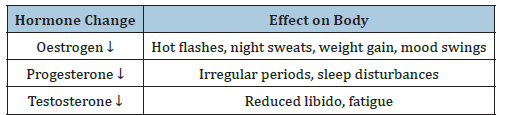
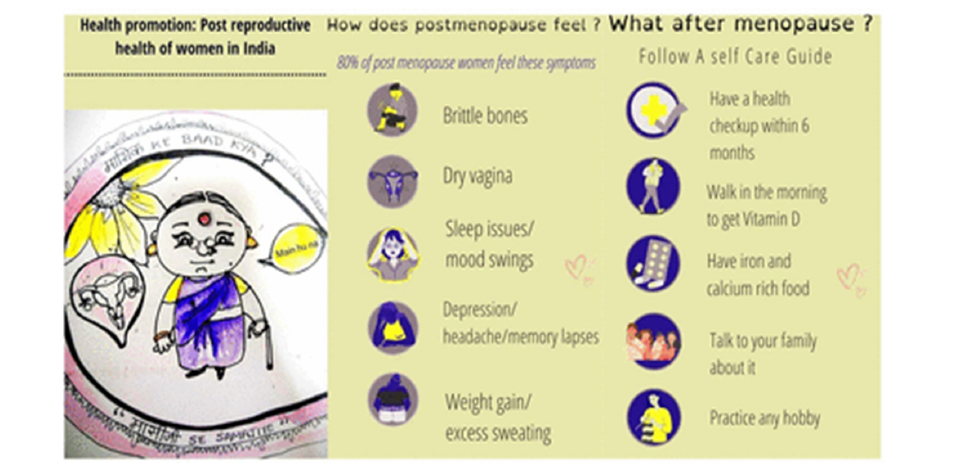
Understanding these changes helps the primary health care provider and women choose the right treatment and lifestyle strategies to maintain well-being (Figure 1).
Figure 1:Post reproductive health of women in India- health promotion poster.
Sub-components of menopause
Perimenopause, Menopause and Post-menopause are the continuum of a woman’s life stages for women and marks the end of their reproductive years. After menopause, a woman cannot become pregnant, except in rare cases when specialized fertility treatments are used, due to hormonal changes as the reproductive periods terminates. Perimenopause is the transitional period during which ovarian hormone levels begin to fluctuate, and menstrual cycles also co-fluctuate. It can begin several years before a woman’s final menstrual period. Menopause is reached after a woman has gone 12 consecutive months without menstruation when no other medical or physiological cause explains the absence of periods. It usually occurs between the ages of 45 and 55, occurring earlier than in Western countries averaging around 46 years of age. It can happen even earlier because of natural ovarian changes, surgery or certain medical treatments. Post-menopause refers to the years following menopause [1,2]. “Though stigma around menstruation persists in many societies, menopause has another layer of stigmatisation. It’s not talked about since it marks the end of a woman’s reproductive period.” National Reproductive Health Program has been concentrating on antenatal, natal & postnatal care for Decades. The estimated prevalence of premature menopause is 2.2% and early menopause is 16.2%. Lower educational level, poor economic condition, smoking, fried food consumption, early age at menarche is some of the significant explanatory factors. In India, both the proportion and the absolute number of post-menopausal women are growing, therefore it is critical to revamp public reproductive healthcare facilities to include menopausal health segment in women’s health as well [6].
Menopause symptoms vary widely
Menopause is a natural biological transition, but symptoms can significantly affect daily life. Common experiences include irregular periods, hot flushes, night sweats, sleep problems, mood changes, poor concentration, joint pain, vaginal dryness and urinary difficulties. Symptoms vary widely. In India, menopause is a natural transition It is heavily shaped by a culture of silence, where symptoms are rarely discussed openly, and perceptions vacillate between social stigma, medical neglect, and a sense of newfound liberation from religious or societal purity taboos tied to menstruation. Women whose health or quality of life is affected should seek medical advice rather than dismissing them as an unavoidable part of ageing. Public understanding is particularly important because symptoms are sometimes misinterpreted, concealed or accepted without seeking appropriate care.
Long-term menopause affects [4]
Osteopenia and osteoporosis risks
The decline in oestrogen is associated with menopause can accelerate bone-density loss, increasing the likelihood of osteoporosis and fractures. Osteopenia and osteoporosis are significant in Indian women, as 35–40% of women between 40 and 65 years have been detected to suffer from osteopenia whereas 8–30% suffer from osteoporosis. All women over 65 years have been found to have either osteopenia or osteoporosis. This is attributable to low calcium intake in youth and later, lack of exercise in all ages and paradoxically, to lack of exposure to sunlight in women living in urban areas. This makes nutrition, physical activity, risk assessment and appropriate bone screening especially important during midlife. Women experiencing menopause before age 45 may require additional medical assessment because earlier loss of ovarian hormones is associated with greater long-term risks to bone and cardiovascular health. “Cancers, diabetes, heart attacks, and arthritis are considered bigger problems. However, the truth is that if management of menopause is promoted, then the root cause of many of these conditions will also be treated.”
Risks of cardiovascular disease
Body composition, cholesterol, blood pressure and cardiovascular risk also change after menopause, as women’s relative cardiovascular advantage over men gradually diminishes following the decline in oestrogen. The incidence of Cardiovascular Disease (CVD) in Indian women has been rising in the last decade. The projected deaths from cardiovascular diseases by 2026 are estimated to be around 50% of the total deaths. There is an increased prevalence of metabolic syndrome which comprises of insulin resistance, altered glucose tolerance or diabetes, dyslipidaemia (low HDL, high LDL, and high triglycerides), hypertension, and central obesity.
Risk of stroke
There is an increasing burden of stroke in India. The prevalence rate of stroke is 545.1/100,000 persons. The annual incidence rate of stroke is 145.3/100,000 persons with a 30-day case fatality of 41%. The incidence of stroke was found to be similar among slum and non-slum dwellers. There is a higher incidence and case fatality of stroke in women because of fast changing lifestyles, hypertension, and diabetes.
Cancer
Most cancers occur in women between 35 and 64 years. The common cancers in women in India are those of breast (12.1– 27.5%), cervix (13.1–35%), ovary (3.5–7.8%), and endometrium (0.7–2.2%) followed by oral cancer. Postmenopausal vaginal spotting, staining, or bleeding occurring after a full year of no menstrual periods bleeding remains a critical warning sign requiring immediate gynaecological evaluation as postmenopausal cancers include breast, endometrial, cervical, and ovarian cancers. Rising urban obesity, metabolic shifts, and late menopause are driving an increase in hormone-sensitive tumours. While Indian women tend to be diagnosed a decade younger than Western counterparts, postmenopausal cases are strongly linked to central abdominal obesity, where fat tissue serves as a primary source of post-menopause estrogenic production. Endometrial Cancer is showing a noticeable upward trend across urban centres in India, with roughly 40,000 new cases reported annually despite older women when presenting with unexpected symptoms, benign condition like atrophic vaginitis is more common cause of postmenopausal bleeding.
Psycho-social problems of menopause
In India, women frequently face profound psychosocial
challenges driven by hormonal shifts, cultural stigmas, and
shifting family roles. These issues manifest as high rates of anxiety,
depression, irritability, and social withdrawal, often endured
silently.
A. Psychological symptoms of depression and anxiety
take toll due to high prevalence rates of depressive moods &
nervousness during perimenopausal transition.
B. Mood swings and irritability: Unpredictable hormonal
fluctuations trigger sudden anger, emotional lability, and
mental exhaustion.
C. Complaints of “brain fog,” memory lapses, and poor
concentration disrupt daily functioning.
D. Sleep disturbances: Insomnia linked to night sweats and
underlying stress intensifies psychological vulnerability
E. The cessation of reproductive capability can trigger a
sense of loss of societal value or diminished femininity in
traditional contexts affecting self- esteem.
F. In joint families, menopause increase domestic caregiving
stress during a woman’s own midlife transition
G. Early or surgical menopause stigma: Hysterectomies
precipitate abrupt surgical menopause, worsening
psychological distress due to a lack of targeted counselling [11].
Associated chronic problems
Other relevant chronic problems increasing morbidity are Sarcopenia from lack of exercise, Ophthalmic diseases like glaucoma and trachomatis, conjunctivitis, Oro-dental issues with the national habit of tobacco & areca nut chewing add to the problems of periodontitis and receding gums on osteoporotic jaws after menopause.
Menopause care must be personalized
Treatment depends on a woman’s symptoms, medical history, age, risk factors and preferences. Hormone replacement therapy can relieve symptoms such as hot flushes, night sweats, sleep problems, mood changes and vaginal dryness. It can also help prevent osteoporosis in appropriate patients. However, its benefits and risks should be assessed individually with a qualified healthcare professional. Non-hormonal medicines and symptom-specific treatments may be suitable for women who cannot or do not wish to use hormonal therapy. Regular exercise, balanced nutrition, adequate calcium and vitamin D, smoking cessation, sleep support and limiting known hot-flush triggers also help. Any vaginal bleeding occurring after menopause should be medically evaluated rather than assumed to be a normal menopausal symptom (Table 2).
Table 2:Hormonal changes and effects on human female body.

Lessons from menstrual leave policy
Menstrual leave policies in India—highlighted by state actions in Bihar, Odisha, Kerala, and Karnataka’s 12-day annual paid leave policy—reveal a complex tension between promoting bodily dignity & risking workplace discrimination. It is heavily debated. Supporters call it a vital health and dignity right, while critics and the Supreme Court of India warn it may hurt women’s hiring chances, reinforce gender stereotypes, and lead to legal or executive overreach.
Key arguments against mandatory leave include:
a) Employers may avoid hiring women to dodge extra paid
leave costs.
b) It can frame women as less productive or weaker than
men.
c) The Supreme Court rejected a nationwide mandatory
leave petition, stating it harms female career growth, a judicial
pushback.
Karnataka introduced 12 days of paid annual period leave, but the Karnataka High Court stayed the notification after industry challenges over missing legislative backing. Only a few states like Bihar, Odisha, and Kerala have historical or sector-specific rules, leaving national policy fragmented. Workers worry asking for period leave forces them to share private medical details with bosses. Critics argue vague guidelines risk policy abuse, hurting trust.
Public health challenges related to menopause
Perimenopausal women need access to quality health services and communities and systems that can support them. Unfortunately, both awareness and access to menopause-related information & services remain a significant challenge in most countries. Menopause is often not discussed within families, communities, workplaces, or health-care settings. Some women may not know that symptoms they experience are related to menopause, or that there are counselling and treatment options that can help alleviate discomfort. Those experiencing menopausal symptoms may feel embarrassed or ashamed to draw attention to their experiences and ask for support. Current general practitioners or Primary Health professionals are not being trained to recognize perimenopausal and post-menopausal symptoms and counsel patients on treatment options and staying healthy after the menopausal transition. Menopause currently receives limited attention in the training curricula for many health-care workers. The sexual well-being of menopausal women is overlooked in many countries. This means that common gynaecological effects of menopause, including vaginal dryness and pain during intercourse, are not addressed. Similarly, older women may not consider themselves at risk of sexually transmitted infections, including HIV, or are not counselled by their providers to practice safer sex or get tested [12,13]. Many governments do not have health polices and financing for the inclusion of menopause-related diagnosis, counselling, and treatment services as part of their routinely available services. Menopause-related services are a particular challenge in settings where there are often other urgent and competing priorities for health funding.
Implementing alternative therapies
The earlier onset of menopause poses significant challenges for India’s healthcare system. While the government supports pregnant women and malnourished children, policies for menopausal women are lacking. Lifestyle modifications can help regulate hormonal levels and support the body’s natural progression towards menopause at the expected age [13]. Although health initiatives like menstrual hygiene campaigns exist, alternative therapies for conditions, such as uterine fibroids and heavy bleeding, which could reduce the need for hysterectomies, are underused. Many doctors lack training in menopause and are unaware of effective alternative remedies. India has rich traditions of alternative therapies, such as Ayurveda and Yoga that should be implemented.
The anti-aging gene Sirtuin 1
Sirtuin 1 (SIRT1) is an anti-aging protein and enzyme that protects cells from stress, repairs DNA damage, and regulates metabolism. SIRT1 is an energy Sensor, requires a molecule called NAD+ to function, acting as an internal sensor for cellular energy. It reduces Inflammation: by turning off specific inflammatory genes and lowers oxidative stress that causes rapid aging. It helps create new mitochondria—the power plants of cells—to boost energy production and cellular health. It triggers autophagy, a process where the body cleans out damaged cells and builds healthier ones. Reducing daily food intake or practicing intermittent fasting activates this survival gene. Regular workouts increase SIRT1 levels and activity in organs and muscles. Consuming Resveratrol found in grapes, berries, and peanuts can stimulate SIRT1 [14].
National initiative
Recently, a letter to the Indian parliament (Lok Sabha) called for policies addressing menopause in both government and private sectors, prompting the Ministry of Women and Child Development to consider formulating such policies. However, the needs of rural women differ from those in urban women and may require greater awareness and medical support instead of leave policies. Karnataka the home state of this author is to be India’s first dedicated women’s health policy featuring the “Ruthuthaare” an initiative, focused heavily on perimenopause & menopause.
Karnatak’s policy & project: Ruthuthare to bring menopause into public healthcare:
The proposed policy aims to improve awareness, encourage
early identification of health concerns and make appropriate care
more accessible to women before, during and after menopause. Its
proposed measures include:
a) Public education about menstruation, perimenopause
and menopause.
b) A dedicated menopause screening program.
c) District-level breast and bone health screening.
d) Nutrition and lifestyle counselling.
e) Midlife women’s health clinics across Karnataka.
f) Community data collection and referrals for medical care.
g) The government has constituted a committee to prepare
scientific guidelines for the policy. It is headed by a consultant
gynaecologist specializing in menopause and midlife women’s
health.
ASHA workers to lead community outreach
Accredited Social Health Activists, commonly known as ASHA workers, will be trained to educate women about perimenopause, menopause, post-menopausal health, nutrition, lifestyle changes and self-care. Over the next six months, they are expected to conduct door-to-door visits, collect information about women’s health and identify those who may require medical attention. This approach is expected to help reach women who lack information about menopause or face financial, geographical and social barriers to seeking care. Actor & former Member of Parliament Ramya has been appointed the campaign’s brand ambassador, who called for menopause to be recognized as a public-health concern rather than an issue woman are expected to manage privately. Her involvement is intended to increase awareness, reduce stigma and encourage women and families to discuss menopause more openly.
Proposed Policy Could Address a Long-Neglected Gap, as women may spend several decades of their lives after menopause, yet public-health programs have traditionally concentrated more heavily on reproductive and maternal health. Ruthu-Thare could broaden this focus by treating midlife health as an important stage requiring preventive care, screening, counselling and timely treatment. Though the policy is still being developed, its eventual impact will depend on the final guidelines, funding, workforce training, screening protocols, referral pathways and availability of specialist services across urban and rural Karnataka. If implemented effectively, the initiative could provide a model for integrating menopause care into public-health systems elsewhere in India [1].
Challenges of supporting menopausal health
National/State efforts to Supporting menopausal health are difficult globally and in India too, because public health systems focus mostly on reproductive years. Cultural taboos cause silence, and many regions lack trained medical professionals or affordable treatments like hormone therapy.
Key global challenges include:
a) Cultural taboos: Societies often treat aging and sexual
health as shameful topics, which prevents open talks.
b) Medical training gaps: Doctors often receive little
training in managing midlife hormonal changes.
c) Misinformation: False fears about hormone therapy
risks stop patients and doctors from using effective care.
d) Lack of flexible policies forces many women to suffer in
silence or leave their jobs.
Additional Challenges in India:
A. Earlier onset: Indian women face menopause earlier
than Western women, with high rates of premature menopause
under age 40.
B. Rural vs. urban divide: Rural women face severe
healthcare shortages, illiteracy, and low awareness, leading to
untreated symptoms.
C. Policy neglect: Public health insurance programs rarely
cover menopausal treatments or preventive midlife screenings.
D. Government programs heavily prioritize maternal and
child health, leaving older women neglected.
E. Menopause-related services are a particular challenge
in settings where there are often other urgent and competing
priorities for!
F. Barriers to Offering Treatment with HRT- In India,
fewer than 10% women who could benefit from Menopausal
Hormone Therapy (MHT) receive it.
Key obstacles include widespread physician hesitancy tied to outdated safety fears, high out-of-pocket medication costs, cultural normalization of menopausal discomfort, and a general lack of specialized public health infrastructure. Therefore, Karnataka now and India soon would have to explore workplace initiatives, holistic/ Ayurvedic care integration, as it uses plant-based herbs to nourish tissues, reduce stress, and balance internal energies without adding literal hormones. Key Ayurvedic Herbs
a) Shatavari (Asparagus Racemosus) helps soothe hot
flashes, dryness, and mood swings
b) Ashwagandha (Withania somnifera) calms the nervous
system, supports healthy sleep, and lowers stress
c) Shankhpushpi and Brahmi support mental clarity and
ease anxiety or irritability
d) Ashokarishta for pelvic and hormonal imbalance with
recent policy shifts regarding menopause support.
Challenges Karnataka must have to surmount: Despite a wellarticulated policy that states that it aims to improve awareness, encourage early identification of health concerns and make appropriate care more accessible to women before, during and after menopause.
Funding
The first and foremost challenge it being state specific policy and intervention effort funding such intervention through state budget, as RCH program funding will fall short, though there is a provision under flexi-funding.
Committee to prepare scientific guidelines for the policy
Committee formed under the chairmanship of a gynaecologists, lack regional and rural gynaecologists representation. Given the bigger challenge for rural and urban poor women one would desire a formal representation of Sub-district hospitals/CHC or PHC and Urban CHC’s Gynaecologist or female doctors in the committee. Involving Community Medicine Department faculty would ass value for community base research. More important would district level such committees to monitor implementation hurdles and find local solutions through participatory learning for action approach.
Community outreach lead
Entrusting the responsibility and accountability to ASHA’s appears to be skewed as better qualified and adequately paid Primary Health Care Officer / PHCO (CHOs and ANMS) in each Ayushman Bharat as Health and Wellness Centres/Ayushman Arogya Mandir (AAMs). In an average 3000-5000 population of each this AAM there would be about 300-500 women and additional 5% 150-300 in menopause making a workload of 450- 800 women. Assisted by 5 ASHAs and 5 AWWs Anganwadi workers of ISCDS scheme gets the workload of tracking 45-80 women. For the best know reason to the Health and Family Welfare department involvement of ICDS scheme workers is missing.
Cultural taboos
As of 2026 most of the intended ASHA workers know their Societies along with support for AAM team and PHC team (Medical Officers, LHV and BHE) need to explore how the society treats aging and sexual health which prevents open talks and develop local participatory learning for action approach.
Medical training gaps
Doctors often receive little training in managing midlife hormonal changes, The proposed Fellowship in a University with no faculty to practice or develop the skill becomes more of an academic exercise. Instead, the state should entrust the responsibility of capacity building the Medical Colleges (Gynaecology & community Medicine department) as the state has enough medical colleges in each district. Biggest challenge is to take the envisaged specially trained manpower to Remote Rural and Urban poor in Karnataka.
Misinformation
False fears about hormone therapy risks stop patients and doctors from using effective care that need to be clarified with community level research in each district by the medical colleges and alleviate such fears or doubts.
Flexibility in policy
Lack of flexible policies forces many women to suffer in silence or leave their jobs. To effectively support employees dealing with menopausal transitions, flexibilities must include adjusted work schedules, remote work options, physical environment modifications like temperature control, relaxed dress codes, and non-punitive sick leave for medical appointments or severe symptoms.
Earlier onset
Indian women face menopause earlier than Western women, with high rates of premature menopause under age 40, Access to a gynaecologist for Hormone Replacement Therapy (HRT) to protect bone and heart health, adopt calcium-rich diets, manage stress through yoga, and seek emotional counselling need to be established at workplaces.
Rural vs. Urban divide
Rural women face severe healthcare shortages, illiteracy, and low awareness, leading to untreated symptoms. Karnataka must evolve making service available at all Taluka and district Hospitals with trained or Fellowship holding doctors, starting from the most remote Talukas. This will be challenge as posting of doctors in more of political exercise and not community need based effort.
Policy neglect
Public health insurance programs rarely cover menopausal treatments or preventive midlife screenings. Therefore, these interventions must be included in National Health Assurance scheme in government, ESIC scheme hospitals or even private hospitals with applicable compensation.
Focus on reproduction
Currently Government RCH programs heavily prioritize maternal and child health. A Policy shift needs to include midlife care of women as mandatory service at all levels of health system.
Menopause-related services vs Other competing priorities
Menopause-related services are a particular challenge in current settings with other urgent and competing priorities. District specific strategic analysis of implementation of Menopausal project interventions needs to be taken using medical college faculty so that local integration challenges are met in each district.
Address barriers to offering treatment with HRT
Offering Menopausal Hormone Therapy (MHT) is constrained by a mix of sociocultural stigma, economic constraints, healthcare provider hesitancy, and systemic gaps in public health prioritization.
i. Sociocultural & educational barriers: Menopausal
symptoms are widely perceived as an inevitable, natural aging
phase rather than a medical condition requiring care, leading
to under-reporting. This issue needs to be addresses with
participatory learning for action approach involving peripheral
workers, Mahila mandals and women representative in
Panchayat and Municipal bodies.
ii. Low health literacy: Over 50% of women in communitybased
Indian studies possess limited awareness regarding
menopausal health and the specific role of HRT. Cultural
inclinations heavily favour alternative care paths, such as
Ayurveda, yoga, and herbal supplements, as primary or first-line
choices, Therefore, the project needs to involve Indian System of
Medicine (ISM) and take an integrated approach based on local
preference and evidence of utility of any approach available in
each system. Advocacy for a family support or embarrassment
around discussing genitourinary and vasomotor changes
restricts care-seeking behaviour is needed.
iii. Healthcare provider & clinical barriers: Lingering
fears from the 2002 Women’s Health Initiative (WHI) trial
heavily influence clinical hesitancy, causing many physicians
to overestimate breast cancer risks relative to quality-oflife
benefits. Many general practitioners and primary care
physicians lack confidence or up-to-date training in prescribing
systemic /transdermal HRT regimens tailored to each woman.
iv. Time constraints: Short consultation windows in highpatient-
volume government and private setups prevent indepth
counselling on the long-term benefits and safety of
hormone therapy.
v. Economic & systemic barriers: The average cost of
menopausal hormone therapy (MHRT / HRT) in Karnataka
ranges from ₹300 to ₹2,500 per month for standard oral or patch
medications. Considering only use of basic pills, Government of
Karnatak must make provision of INE 4000 per Menopausal
women at least for those under Below Poverty level (BPL). Use
of skin patches, or specialized gels may be advised only to those
who can afford to pay. Government must provide for blood tests
or make the test available in district laboratories.
vi. Breakdown of monthly expenses:
a) Oral tablets: ₹300 to ₹800 (average INR 550) per month
for standard Oestrogen and progestin combination pills.
b) Transdermal patches: ₹1,000 to ₹2,500 per month for
skin patch systems. Gels and Topical Creams: ₹500 to ₹1,500
per cycle for localized application.
c) Doctor consultations & tests: ₹1,000 to ₹3,000 per
visit for initial & follow-up checks with a gynaecologist /
endocrinologist.
vii. Scarcity in public facilities: Comprehensive menopausal
management and HRT supplies are largely absent or
deprioritized in primary public health centres, restricting
access primarily to urban, private healthcare infrastructure
(Table 3).
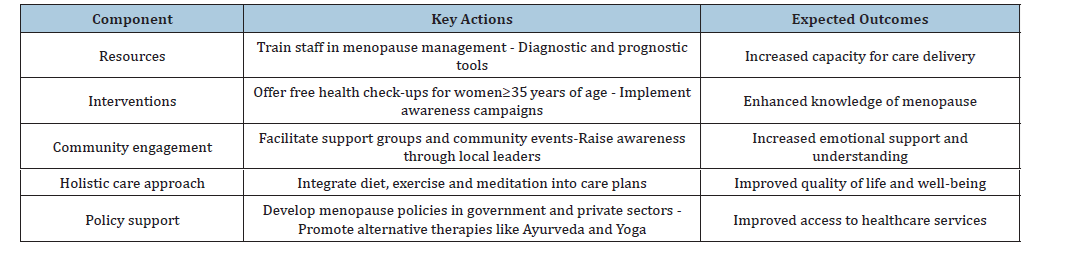
Table 3:Action plan for improving menopausal women’s health in Karnataka.
Conclusion
Addressing the challenges of menopause in Karnataka, India requires a multifaceted approach that considers the unique needs of both rural and urban women. By implementing comprehensive policies and expanding healthcare services, we can create a supportive environment for all women navigating this critical life stage. Adopting self-care strategies, such as regular health checkups, morning walks for vitamin D synthesis and a balanced diet rich in calcium and iron along with engaging in hobbies and maintaining open family communication, can significantly alleviate symptoms and enhance emotional well-being. More importantly, equipping primary healthcare providers with the necessary training to offer holistic care, including lifestyle interventions like yoga and meditation, will greatly improve the quality of life for menopausal women. With dedicated effort and collaboration, we can foster a healthcare system that respects and addresses the diverse experiences of women, ultimately contributing to their overall wellbeing and empowerment.
References
- Rututare- Karnataka to launch India's first menopause-focused women's health policy.
- (2024) Menopause. World Health Organization.
- Menopause-average-age-in-India Understanding, Symptoms, and Natural Support with Ayurveda.
- Thirumal RP, Menopause & hormonal health: A practical guide for Indian women.
- (2022) National Family Health Survey (NFHS-5), 2019-21 India Report.
- (2023-24) National family health survey (NFHS-6).
- Jyothi Unni (2008) Third consensus meeting of Indian Menopause Society. J Midlife Health 1(1): 43-47.
- Shri Kant Singh, Kirti Chauhan, Vrijesh Tripathi (2024) Key drivers of hysterectomy among women of reproductive age in three states in India: Comparative evidence from NFHS-4 and NFHS-5. BMC Women’s Health 24(1): 107.
- Babbar K, Singh V, Sivakami M (2024) Rising premature menopause and variations by education level in India. Sci Rep 14: 18238.
- Kundu S, Acharya SS (2024) Exploring the triggers of premature & early menopause in India: A comprehensive analysis based on National Family Health Survey, 2019-2021. Sci Rep 14(1): 3040.
- Kundu S, Acharya SS (2023) Linkage of premature & early menopause with psychosocial well-being: a moderated multiple mediation approach. BMC Psychol 11(1): 228.
- Breaking India’s Silence-on-menopause.
- Nikita HR (2025) Menopause: a midlife crisis for women in India. BMJ Glob Health 10(6): e017863.
- Martins IJ (2018) Sirtuin 1, a diagnostic protein marker and its relevance to chronic disease and therapeutic drug Interventions. EC Pharmacology and Toxicology 6(4): 209-215.
© 2026 Suresh K. This is an open access article distributed under the terms of the Creative Commons Attribution License , which permits unrestricted use, distribution, and build upon your work non-commercially.
Editor In Chief





.jpg)






























Signup for Newsletter

Quick Links
 Editorial Board Registrations
 Submit your Article
 Best Paper of the Volume
 Reprints
 Refer a Friend
 Advertise With Us
Our Recent Edition
.jpg)


Top Editors



.jpg)















.bmp)
.jpg)
.png)
.jpg)












.jpg)





.png)

.png)




.png)




Financial Support

Sponsors

Latest e-Books

Latest Video

 a Creative Commons Attribution 4.0 International License. Based on a work at www.crimsonpublishers.com.
Best viewed in
a Creative Commons Attribution 4.0 International License. Based on a work at www.crimsonpublishers.com.
Best viewed in 
 | Above IE 9.0 version