

- About Us
- Information
-

The Author ensures that the research has been conducted responsibly and ethically with adherence to all relevant regulations. read more..
- For Authors
- For Reviewer
- Manuscript Guidelines
- Membership
- Publication Ethics
-
- Journals
- Reprints
- e-Books
- Videos
- Policies
- Contact Us
 COVID-19
- Submissions



Full Text
Investigations in Gynecology Research & Womens Health
Hidradenitis Suppurativa- Its BURDEN on Woman’s Sexual Health
Suresh Kishanrao*
MD, DIH, DF, FIPHA, FIAP, FISCD Family Physician & Public Health Consultant, India
*Corresponding author:Suresh Kishanrao, MD, DIH, DF, FIPHA, FIAP, FISCD Family Physician & Public Health Consultant, Bengaluru, India
Submission:June 10, 2026;Published: July 02, 2026

ISSN: 2577-2015 Volume6 Issue2
Abstract
Hidradenitis Suppurativa (HS) is an inflammatory disorder of pilosebaceous apocrine unit of terminal hair bearing skin, most commonly in the axillae and groin, or inguinal area, perineum, buttocks and mons pubis, sometimes scalp, other sites may be affected. It is a complex, chronic condition that requires a multidisciplinary care team. Most of the patients report hindered sexuality, and poor sexual functioning, while showing good levels of dyadic and solitary sexual desire, despite no associations between clinical severity and sexuality. The presence of negative psychological factors (i.e., multiple personality disorder, anxiety, pain, depression) increase the risk of sexual impairment, which underline the important role of psychological and sexual aspects in HS patients. While a General Practitioner (GP) may help with initial diagnosis and basic symptom management, dermatologists and surgeons are the primary specialists equipped to treat the disease effectively across its different stages. Recent clinical data highlights unique, association with metabolic syndrome leading to region-specific high comorbidity rate, and higher mortality than the general population demanding better care of HS. General Practitioner (GP) / Primary Care Provider are the initial Point of Contact as most often the first health person a patient sees for painful lumps or abscesses. GP Can diagnose early-stage HS, prescribe initial treatments like medicated creams or antibiotics, and provide necessary referrals to dermatologists. Dermatologists &STD specialist who specialize in inflammatory skin conditions, the key specialists to confirm diagnoses, design individualized treatment plans, and prescribe advanced therapies like immunosuppressants and targeted biologic medications and considering the effect of disease burden on patients’ sexual health must also address them. Surgeons are required for Hurley Stages II and III or when abscesses need drainage surgical excision of affected tissue & reconstructive skin flaps. In India multipolarity hospitals in cities may have such team but public sector facilities lack in sub-district or even some district headquarters.
Materials and Methods
This article based 3 cases the author has followed and documented to alert general practitioners, about the need and urgency for early clinical diagnosis and appropriate referral and follow-up especially after surgical intervention.
Keywords:Folliculitis; Acne; Pyoderma gangrenosum; Skin abscesses
Abbreviations: HS= Hidradenitis Suppurativa; MS= Metabolic Syndromes; TBT= Targeted Biologic Therapies
Introduction
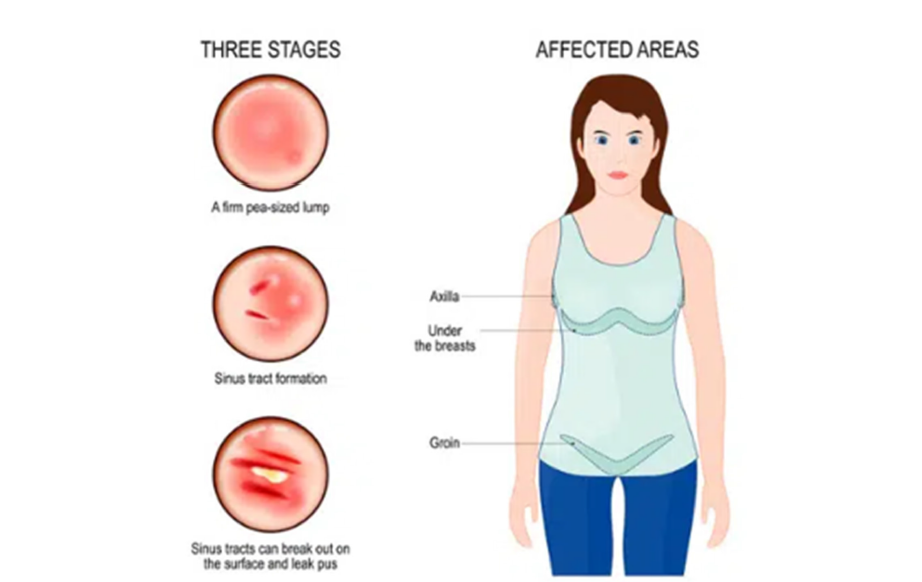
Hidradenitis Suppurativa, also known as Acne-in-versa, Verneuil disease is a chronic inflammatory disorder of pilosebaceous apocrine unit of terminal hair bearing skin, characterized by nodules, abscesses, fistulae and sinus tracts, with scarring most commonly in the axillae, groin, or inguinal area, perineum, buttocks and mons pubis, but scalp, may be affected as well [1]. It manifests as nodules, open comedowns and draining sinuses with prominent scarring. Characteristic lesions are deep seated painful nodules that expand to form abscesses, which subsequently rupture and drain. Draining sinuses, sinus tracts and open comedowns eventually lead to scarring. Heat, sweating, physical activity, shaving and friction exacerbate symptoms. Alternating exacerbations and quiescence are typical [1,2]. Numerous associations with metabolic syndrome, including obesity, hypertension, thyroid disease, dyslipidaemia, psychiatric disease and type VI pityriasis rubra pilaris and follicular occlusion disease is common leading to significant adverse impact on quality of life. Increased risk of major adverse cardiovascular events, including myocardial infarction and stroke, as well as allcause mortality is reported [3-5]. Recent clinical data highlights unique, region-specific trends among Indian patients as multiple studies indicate a high comorbidity rate, with up to 42% of HS patients fulfilling the criteria for metabolic syndrome significantly higher than the general population. Patients frequently present with increased waist circumference, higher Body Mass Index (BMI), and elevated fasting blood sugar [4]. Unlike global metrics which sometimes skew heavily female, Indian data often reveals a slight male predominance. However, female patients in India are more prone to severe systemic impacts and premenstrual flares [6-9]. Most Indian patients present with multiple affected sites (the axilla & groin), with nodules and draining abscesses as primary lesions, resulting in hindered sexuality, & poor sexual functioning, while showing good levels of dyadic and solitary sexual desire, despite no associations between clinical severity and sexuality [10]. Nearly half of patients report moderate-to-severe impairment in their quality of life, particularly sexual health, career choices, & lifestyle decisions [3].
Management of HS in India has evolved from the past basic topical or broad-spectrum systemic antibiotics to use of corticosteroids, hormone therapies, and surgical procedures as short-term or adjunctive bridge therapies before patients can initiate a biologic drug. Modern therapeutic approaches in the country include utilizing high-resolution ultrasound and colour doppler to accurately stage the disease. Biologic agents (such as adalimumab and infliximab) are increasingly utilized as primary systemic therapies for moderate-to-severe HS to target specific inflammatory pathways. While surgery (excision) remains vital for refractory and severe cases, clinical trials targeting alternate inflammatory mediators (like secukinumab) are shaping the future of long-term HS management globally and in India. Targeted biologic therapies, including tumour necrosis factor α (TNF-α) and interleukin 17 (IL-17) inhibitors, are the only US Food and Drug Administrations (FDA)-approved therapies for HS and provide sustained symptom relief [9]. This article based 3 cases the author has followed and documented to alert general practitioners, about the need and urgency for early clinical diagnosis and appropriate referral and follow-up especially after surgical intervention.
Case reports
Case1. Recurring hidradenitis suppurativa case in a young woman
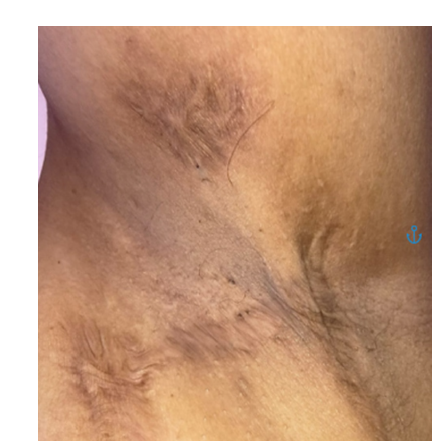
28 years old newly married young lady complained of pimples in the arm pits. Initially diagnosed as acne was treated with antibiotics both local and systemic for almost 3 episodes in the first year in 2018. The lesions used to be as shown in Figure 1 before and after healing Figure 2. Subsequent year the lady put on weight especially around the waist. After the first child a boy the problem exacerbated. Surgical debridement was done in 2020, which gave relief for about 2 years but recurred in 2022. Then she was given laser therapy and till now the problem is subdued, but it recurred in 2024. As laser therapy had failed, surgeon subjected her to another Debridement surgery in early 2025 and has been doing well so far.
Figure 1:Axilla before second debridement in mid-2025.
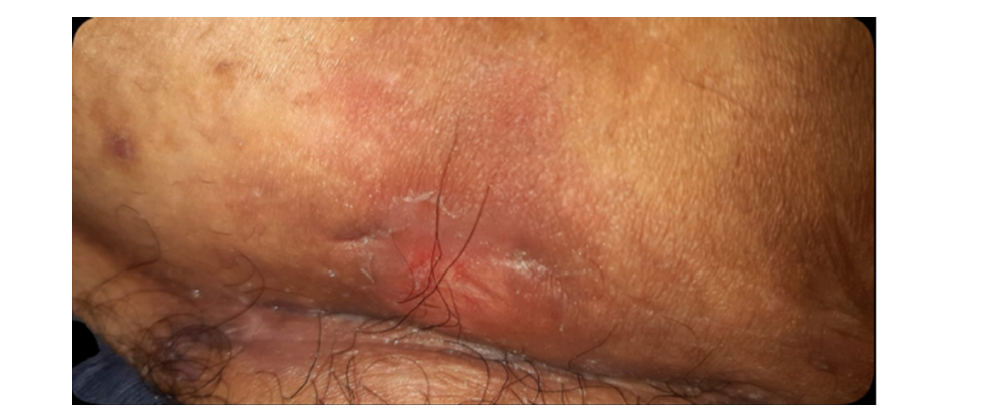
Figure 2:After debridement in march 2026.
Case2. Stage III vulvar hidradenitis suppurativa
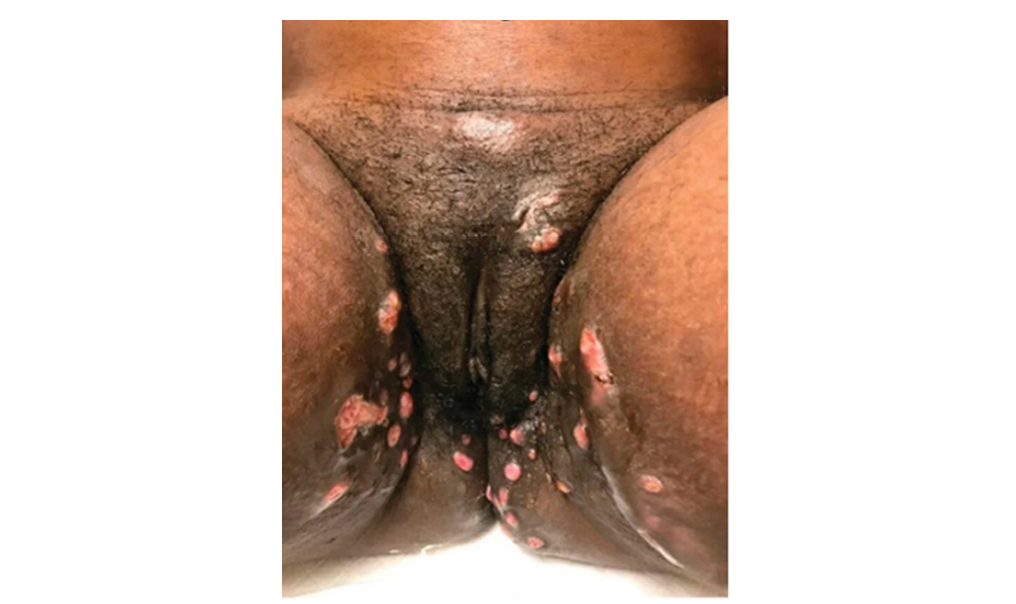
A 40-year-old pregnant woman suffered from severe pain, large, draining abscesses, & inguinal cellulitis, necessitating urgent Figure 3 intravenous ciprofloxacin and surgical intervention. The infection ascended from the severe vulvar lesions into the reproductive tract, leading to a miscarriage within 24 hours of presentation. This rare but severe complication highlights that while HS is a non-contagious skin disorder, its secondary infections (e.g., Staphylococcus, E. coli) in the genital area can trigger serious obstetric complications. With severe, stage III vulvar Hidradenitis Suppurativa (HS) she experienced a late miscarriage, attributed to an ascending bacterial infection (Pepto streptococcus anaerobes & Group B Streptococcus) stemming from active, chronic lesions The case, reported in the International Journal of Women’s Health (2020), highlights how severe perineal HS can cause severe inflammation and infection leading to pregnancy loss. A multidisciplinary approach (obstetrics and dermatology) is crucial for managing severe HS during pregnancy.
Figure 3:Woman with hidradenitis suppurativa on the vulva, groin, and upper inner thighs, whose hidradenitis suppurativa flared during pregnancy & resulted in late miscarriage.
Case 3. Cutaneous squamous cell carcinoma arising in hidradenitis suppurativa
64-year-old man was first diagnosed with HS 28 years ago, following a 3-year history of painful furuncles in the axillary and gluteal regions that were unsuccessfully managed with oral antibiotics and multiple incision and drainage procedures. Comorbidities included diabetes managed with twice daily metformin, dyslipidaemia, and hypertension. Adalimumab (a human monoclonal antibody against TNF-α) in 40mg per week subcutaneous injections effectively improved symptoms and reduced the size of the nodules. After 2 years of therapy, the patient presented with a 14cm × 10cm ulcerated exophytic tumour in a HS affected area involving the left buttock and intergluteal cleft. The biopsy specimen revealed a low-grade well-differentiated SCC, and surgical excision of the lesion was performed at the community hospital. As surgical margins were incomplete, the patient was referred to a tertiary care surgical oncology service for re-excision. The tumour proved to be highly aggressive as within 2 months a new violaceous necrotic mass had rapidly emerged within the surgical wound. Second time, an extensive surgical resection extending to the deep fascia was performed. She recovered & survived for 4 years with targeted chemotherapy.
Figure 4:Varieties of lesions.
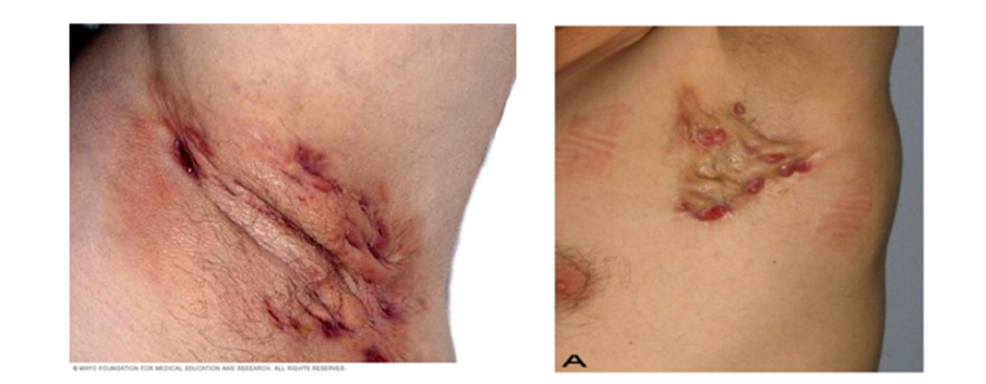
Figure 5:Hidradenitis suppurativa.
Epidemiology
Estimated global prevalence is between 3-400 cases in a million population 0.00033% and 4.10% (Exp Dermatol 2019;28:769), Prevalence in U.S. population recently estimated to be 0.10% [5]. It is affecting an estimated 1% to 4% of the Indian population, with prevalence higher in females. It is characterized by painful, recurring abscesses, often in the axilla and inguinal areas, frequently mistaken for simple skin infections. Key risk factors among Indian patients include obesity, diabetes, and smoking, often presenting in the third decade of life. More than twice as common in women, Highest among patients aged 30-39 years. Prevalence is more than 3 times greater in African patients. Axillae, inguinal area, inframammary folds, perineum, buttocks, mons pubis, scalp, postauricular area, back are the Predilection for apocrine gland bearing areas [1-3].
Pathophysiology
Follicular occlusion is the first step in pathogenesis, followed by epithelial rupture with ensuing inflammation, foreign body reaction, rarely apocrine involvement and bacterial colonization. Historically, the inflammation was thought to originate in the apocrine gland, but recent evidence suggests that follicular occlusion is the primary inciting event. Occlusion of the follicle is caused by infundibular hyperkeratosis and hyperplasia of the follicular epithelium, Subsequent accumulation of cellular debris, leading to cyst formation and eventual follicular rupture is met with local immune response and subsequent sinus tract formation. Sebaceous gland volume is reduced but unclear if this has a primary or secondary role in pathogenesis [1,2]. Upregulation of Toll-like receptors, NOD-like receptor protein 3 (NLRP3) inflammasome activity and matrix metalloproteinases is observed and Androgens have deleterious role. Disturbances in cutaneous microbiome and biofilm production also play a role. Microbiome profiles of lesional skin may have greater proportions of Corynebacterium, Porphyromonas and Peptoniphilus species, as compared with healthy controls [1,2].
Presentation (Signs & Symptoms)
Patients usually present with complaints of
a) Red inflamed bumps on the skin in axilla groin, under breasts
etc.
b) Painful firm papules or nodules
c) Lesions may contain pus as was in our reported first case
d) Open double headed comedowns or black heads
e) Abscesses
f) Hypertrophic or Atrophic scars
g) Similar lesion, on back, buttocks, perineal areas.
Complications
Persistent Hidradenitis Suppurativa (HS) can lead to severe local and systemic complications, including secondary bacterial infections, deep fistulas, and permanent rope like scarring that restricts movement. Over time, chronic inflammation can cause lymphatic obstruction, anaemia, and an increased risk of squamous cell carcinoma. The profound impact of this chronic condition extends well beyond the skin, resulting in debilitating physical and psychological consequences like
A. Severe Scarring & Pitted Skin: Deep lumps heal and leave thick,
rope like scars or pitted skin known as acneiform scars.
B. Sinus Tracts & Fistulas formation as tunnels can form under
the skin connecting different outbreak areas, or fistulas can
connect to the bowel or bladder
C. While the presence of pus is common, open wounds can easily
develop cellulitis, abscesses, or systemic infections
D. Long-standing, severe HS, particularly in the perianal area,
significantly increases the risk of a rare but aggressive form
of skin cancer
E. Recurrent inflammation and scarring damage the lymphatic
drainage system, causing chronic, painful swelling in the arms,
legs, & genitals
F. Chronic inflammation depletes red blood cells, leads to
persistent fatigue & weakness
G. Deep lesions and scar tissue can make basic movements (like
walking or sitting) incredibly painful, particularly in the groin
and armpit areas.
H. A rare complication called Amyloidosis where an abnormal
protein builds up in organs, primarily caused by long-term
inflammatory disease
I. Psychological Distress: The visible and painful nature of flares
often leads to severe depression, anxiety, social isolation, and a
significantly reduced quality of life
J. Very rarely secondary infections with Staphylococcus, E. coli
etc. known as stage III vulvar hidradenitis suppurativa in the
genital area can trigger a late miscarriage as reported in our
third case, attributed to an ascending bacterial infection (Pepto
streptococcus anaerobes & Group B Streptococcus)
An Indian study reported among 100 HS patients with mean age of 29.47 years, with a male predominance of 57%. It predominantly affected a combination of two or more sites (60%), with nodules as primary lesions (95%). Quality of life was significantly impaired, with 49% experiencing moderate impact of Dermatology Life Quality Index. Metabolic derangements, represented by an increased body mass index, waist circumference, blood pressure, fasting blood sugar, and fasting insulin, were significantly more frequent in HS cases compared to controls (P < 0.001). The frequency of metabolic syndrome in HS patients was 42%, significantly higher than controls (8%, P < 0.001) with a relative risk of 5.25 (95% CI 2.68–10.58). Dental and ophthalmological abnormalities were observed in 35% and 21.7% of screened patients, respectively [3].
Diagnosis
Basically, it is a clinical diagnosis using 3 criteria for diagnosis:
a) Characteristic lesions, predilection for flexural sites and lesion
recurrence
b) Frequent delay in diagnosis as general doctors treat them as
normal skin infections with antibiotics & local dressings
c) Ultrasound may aid in assessment of disease severity as
specimens exhibit in laboratory, Thickened dermis, Widened
hair follicles, Tracts, Hypoechoic fluid pockets, decreased
surrounding tissue echogenicity, Abscess, Decreased ferritin,
transferrin saturation & hepcidin. Screening for glucose
intolerance, hypertension & dyslipidaemia is advocated [2].
Management
Hidradenitis Suppurativa (HS) management is a chronic, phased process requiring a tailored approach based on disease severity. The foundational goal of treatment is to halt lesion formation, relieve pain, and prevent scarring. Successful care requires addressing lifestyle, medical treatments, and surgical options [2,3,7,8].
Lifestyle modifications: Managing obesity is vital, as it reduces mechanical friction and inflammation. Anti-inflammatory diets limiting dairy, red meat, and high-glycaemic foods are recommended. Quitting smoking is crucial. For daily skin care, using a gentle, soap-free, cleansers - benzoyl peroxide or chlorhexidine to reduce surface bacteria are better.
Medical therapies: For mild HS, topical antibiotics clindamycin reduces local inflammation. Systemic Antibiotics like tetracyclines, or Clindamycin-rifampicin are useful for flares or as a bridge to surgery.
Hormonal & immunomodulatory: Spironolactone or oral contraceptives are utilized for female patients. For moderate-tosevere cases, biologic drugs like Adalimumab, Secukinumab, or Bimekizumab are approved therapies in USA & recently in India too. Oestrogen/ progesterone combination pills, Finasteride, Spironolactone, Systemic retinoids, Metformin, Liraglutide, Zinc gluconate, Low dose systemic corticosteroids and Intralesional corticosteroids have been used with success in some cases.
Surgical & procedural options procedures: Incision and drainage provide temporary pain relief for acute abscesses. However, to manage recurring tunnels and scars, dermatologists employ deroofing, CO2 laser therapy, or wide surgical excision.
Laser hair removal: Laser therapy reduces hair follicles, decreases bacteria, and is widely recommended for long-term symptom reduction.
Sirtuin 1 (SIRT1) treatment: SIRT1 is an anti-aging gene and enzyme that regulates cellular inflammation and oxidative stress. While researched for its potential in treating Hidradenitis Suppurativa (HS), no patient in India or globally receives direct SIRT1 gene therapy for HS. The treatments target downstream immune pathways like TNF alpha & IL-17. Currently the research indicates that SIRT1 expression is notably reduced in HS skin lesions. SIRT1 naturally suppresses inflammatory transcription factors (such as NF-kappa B). Restoring or activating SIRT1 pathways could theoretically help calm the hyperactive inflammation typical of HS. While SIRT1 activators (e.g., resveratrol) are studied in laboratories for their anti-inflammatory and metabolic benefits, remain in the experimental and phototherapeutic realms and are not established clinical treatments for HS [10].
Key challenges in HS
a) Patients often face a diagnosis delay of 7 to 10 years due to
initial misdiagnoses as simple boils.
b) Biologics are highly effective for moderate-to-severe disease,
but their high cost and the need for prior authorization create
major barriers to access.
c) Because the disease severely impacts patients’ mental and
social well-being, the lack of a standardized definition of a
“flare” makes evaluating treatment success across patients
highly challenging.
HS and metabolic syndrome: A study of 30 patients with 1:1 male to female ratio. Five (16.67%) cases fulfilled NCEP ATP III criteria for the diagnosis of metabolic syndrome. Statistically significant association was observed between severity of HS, in younger age group (<20 years), moderate to severe BMI, fasting serum insulin, fasting total cholesterol and raised ESR. Despite being a retrospective, hospital record-based study with small sample size. Holistic management of HS should be individualized according to need of patient, and it should be combined approach including dermatologist, plastic surgeon, psychiatrist and dietician. The study recommends an initial screening for derangements in metabolic profile in these patients for more effective management and preventing long term cardiovascular complications [4].
Conclusion
Hidradenitis suppurativa, is a chronic inflammatory disorder of pilosebaceous apocrine unit of terminal hair bearing skin, characterized by nodules, abscesses, fistulae and sinus tracts, with scarring, commonly in the axillae and groin, or inguinal area, perineum, buttocks and mons pubis.
Diagnosis is mainly by clinical examination using 3 criteria
a) Characteristic lesions, predilection for flexural sites and lesion
recurrence
b) Frequent delay in diagnosis as general doctors treat them as
normal skin infections with antibiotics & local dressings
c) Ultrasound may aid in assessment of disease severity. Screening
for glucose intolerance, hypertension and dyslipidaemia is
advocated as metabolic disruptions are commonly associated
with it.
The treatment aims to halt lesion formation, relieve pain, and prevent scarring. Successful care may require multipronged approach of addressing lifestyle, medical treatments, and surgical options.
References
- Marina J, George K, Robert AS, William DJ (2026) Hidradenitis Suppurativa Differential Diagnoses.
- Hidradenitis Suppurativa - Causes, Symptoms, Diagnosis, Treatment, and Prevention.
- Dipankar D, Baskaran N, Thakur V, Hanumanthu VH, Bakshi S, et.al. (2024) A clinicodemographic study of Indian patients with hidradenitis suppurativa and its association with metabolic syndrome. Indian Dermatol Online J 15(6): 963-970.
- Mendiratta V, Vidya Y, Bhardwaj AV, Rashi P (2023) Clinical and metabolic characteristics in hidradenitis suppurativa-An Indian perspective. Indian J Dermatol 68(1): 121.
- Catherine FR, Simon FR, Ghazawi FM, Patocskai E, Bélisle A, et al. (2019) Cutaneous squamous cell carcinoma arising in hidradenitis suppurativa: A case report 7:2050313X19847359.
- Ghamdi DS (2020) Miscarriage as a complication of hidradenitis suppurativa of the vulva. Int J Women’s Health12: 939-942.
- Vita VD, McGonagle D (2018) Hidradenitis suppurativa as an autoinflammatory keratinization disease. J Allergy Clin Immunol 141(5): 1953.
- Garg A, Hsiao J, Porter ML, Vivian S (2025) Current treatments and future directions for hidradenitis suppurativa: A narrative review of completed and ongoing phase 3 clinical trials of biologic therapies. Dermatol Ther (Heidelb) 15(9): 2361-2377.
- Quinto RM, Mastroeni S, Sampogna F, Fania L, Fusari R, et al. (2021) Sexuality in persons with hidradenitis suppurativa: Factors associated with sexual desire and functioning impairment. Front Psychiatry 12: 729104.
- Razick DI, Akhtar M, Wen J, Alam M, Dean N, et al. (2023) The role of sirtuin 1 (SIRT1) in Neurodegeneration. Cureus 15(6): e40463.
© 2026 Suresh Kishanrao. This is an open access article distributed under the terms of the Creative Commons Attribution License , which permits unrestricted use, distribution, and build upon your work non-commercially.
Editor In Chief






.jpg)































Signup for Newsletter

Quick Links
 Editorial Board Registrations
 Submit your Article
 Best Paper of the Volume
 Reprints
 Refer a Friend
 Advertise With Us
Our Recent Edition
.jpg)



Top Editors




.jpg)

















.bmp)
.jpg)
.png)
.jpg)













.jpg)






.png)

.png)




.png)




Financial Support

Sponsors

Latest e-Books

Latest Video

 a Creative Commons Attribution 4.0 International License. Based on a work at www.crimsonpublishers.com.
Best viewed in
a Creative Commons Attribution 4.0 International License. Based on a work at www.crimsonpublishers.com.
Best viewed in 
 | Above IE 9.0 version