

- About Us
- Information
-

The Author ensures that the research has been conducted responsibly and ethically with adherence to all relevant regulations. read more..
- For Authors
- For Reviewer
- Manuscript Guidelines
- Membership
- Publication Ethics
-
- Journals
- Reprints
- e-Books
- Videos
- Policies
- Contact Us
 COVID-19
- Submissions



Full Text
Gerontology & Geriatrics Studies
Successful Aging and Quality of Life Among Filipino LGBT Older Adults: The Moderating Role of Resilience
John Angelo B Gaddi1* and Ma Agatha Anne D Guintu2
1College of Social Sciences and Philosophy, Angeles University Foundation, Philippines
2Educational Management, Angeles University Foundation, Philippines
*Corresponding author:John Angelo B Gaddi, College of Social Sciences and Philosophy, Angeles University Foundation, Philippines
Submission: November 05, 2025; Published: November 25, 2025
ISSN 2578-0093Volume10 Issue 1
Abstract
Successful aging has gained significant attention in recent decades, with research emphasizing its critical role in enabling individuals to live meaningful, fulfilling lives despite challenges and setbacks. However, there is a notable gap in the literature concerning the factors that influence successful aging among LGBT older adults, especially within the context of the Philippines. This study aims to investigate the relationship between successful aging and quality of life, focusing on how resilience may moderate this relationship among Filipino LGBT older adults. The findings are crucial for enhancing the understanding of aging within this often-marginalized demographic and for informing interventions designed to improve both the health and quality of life of Filipino LGBT older adults. A total of 164 participants aged 55 and above were recruited through convenience sampling. Data were collected using open-access instruments, including the Successful Aging Scale, the WHO Quality of Life-BREF (Filipino version) and the Brief Resilience Scale. Correlation and regression analyses were conducted to assess associations and interaction effects. Results revealed a significant positive correlation between successful aging and quality of life (r=0.55, p<0.0001). Furthermore, moderation analysis indicated that resilience strengthened this relationship (b=0.14, SE= 0.04, p=0.0005). These findings highlight resilience as a crucial psychological resource that enhances the positive impact of successful aging on life satisfaction among Filipino LGBT older adults.
Keywords: Successful aging; Quality of life; Resilience; Filipino; LGBT older adults; Gerontology
Introduction
Aging is a critical and inevitable part of life that introduces various physical, mental and social changes. As individuals progress into their later years, the concept of successful aging takes on greater significance. Successful Aging (SA) transcends merely growing older; it embodies the pursuit of thriving in the later stages of life all while preserving a high quality of life and overall well-being (Rowe & Kahn, 1997). In this context, Quality of Life (QoL) encompasses a person’s complete life experience, factoring in their physical and mental health, social relationships and environment, to name a few [1]. These concepts are intricately connected to social support, life circumstances and health status, particularly within the broader older adult demographic. Both SA and QoL are central concepts in gerontology, highlighting the importance of achieving a sense of fulfillment as individuals navigate the challenges of later life. These factors are essential in understanding how older adults maintain a sense of purpose and resilience despite age-related adversities. Particularly, for older Lesbian, Gay, Bisexual and Transgender (LGBT) individuals, the concepts of successful aging and quality of life take on a profound new significance. This demographic is often marginalized, confronting unique challenges stemming from both ageism and the societal stigma surrounding sexual and gender diversity. Many older LGBT adults endure discrimination, isolation and a lack of social acceptance, affecting their aging experience and overall quality of life [2]. They also experience a lack of visibility and acknowledgment within both the LGBT and older adult communities, discrimination within healthcare systems and limited access to supportive resources. Furthermore, their past
experiences of rejection, stigma and lack of visibility contribute to psychological stressors that can negatively impact their mental and emotional health. Yet, in spite of these obstacles, numerous older LGBT individuals display remarkable resilience, enabling them to flourish even amidst adversity and setbacks (Jurček et al. 2022). The American Psychological Association (2024) defines resilience as the ability to overcome adversity and maintain wellbeing despite challenges. This trait has emerged as a crucial coping strategy, helping older LGBT adults mitigate the adverse effects of marginalization and discrimination, thereby enabling them to adeptly manage the challenges they face in later life. Resilience is not solely an inherent trait; it can also be cultivated through personal coping strategies, social connections and community support [3]. Understanding the role of resilience in enhancing the quality of life and promoting effective aging among older LGBT individuals is essential for developing interventions and policies that cater to their specific needs. While some research examined SA and QoL among older adults [4,5] studies addressing the specific experiences of older LGBT populations remain scarce. Previous research has focused on heterosexual and cisgender individuals, frequently overlooking the distinct experiences encountered by sexual and gender minorities as they age. Unfortunately, existing research on aging often falls short of adequately addressing the specific barriers to quality of life and successful aging that arise from the intersection of aging and LGBT identity.
This study aims to address a significant gap in the literature by investigating the role of resilience as a moderating factor in the relationship between Successful Aging (SA) and Quality of Life (QoL) among older LGBT Filipino adults. Resilience, in this context, refers to the ability to adapt positively to adversity and challenges, which may play a crucial role in shaping the aging experiences of this marginalized group. While previous studies have explored the relationship between resilience, successful aging and quality of life in various populations, there is limited research on how these factors interact specifically within the Filipino LGBT community. The unique cultural, social and historical context of the Philippines, combined with the distinct challenges faced by LGBT individuals in this country, suggests that the aging experiences of Filipino LGBT older adults may differ from those in other populations. The Filipino LGBT community often faces unique stressors, such as discrimination, marginalization and the struggle for acceptance both within their families and society at large [6,7]. These challenges can significantly impact their aging process. Given the importance of family and community in Filipino culture, it is essential to explore how resilience may buffer or amplify these stressors and how it might influence the quality of life and successful aging in this specific group.
Research on the relationship between Quality of Life (QoL) and Successful Aging (SA) has produced mixed and sometimes contradictory results, reflecting the complexity of aging experiences across different populations. For example, Barrera et al. [8] found that individuals classified as experiencing SA reported significantly better QoL than their peers. Similarly, a community-based survey in Taiwan revealed that older adults with better physical and mental health, along with active social participation, were more likely to be categorized as aging successfully [9]. Supporting this, Marzo et al. [10] reported a positive association between active aging and QoL, with active aging linked to multiple QoL domains, including the physical environment, health services, social factors, economic resources and personal behaviors. Choi et al. [11] also reported a positive relationship between quality of life and successful aging among older adults in South Korea. This finding is further supported by a more recent studies which confirmed a significant and positive association between successful aging and quality of life among older adults in Indonesia [12]. In contrast, other studies provide a markedly different picture. For instance, Yu [13] found that socio-economic variables often considered core components of QoL-such as age, gender and economic status, did not significantly predict SA. Similarly, Carver et al. [14], studying older adults with chronic illnesses, reported no significant effects of gender, income adequacy, education level, or living arrangements on SA outcomes. Furthermore, according to Chi et al., (2022) revealed that there was no meaningful statistical relationship between overall quality of life and the physical health component of successful aging, which involves factors such as mobility, the capacity to perform daily tasks and the use of medical aids. These findings challenge the assumption that demographic and economic indicators are universally reliable predictors of successful aging. Moreover, Ding et al., (2020) showed that environmental factors related to the physical domain of quality of life, including pollution, noise, traffic and climate, were not significantly correlated with SA.
These inconsistencies suggest that the relationship between SA and QoL may not be uniform across individuals and may be influenced by additional, unaccounted-for variables. Specifically, psychological factors such as resilience may help explain why some individuals experience high QoL despite lacking the typical markers of SA, such as robust health or strong social networks. Conversely, others who appear to meet the conventional criteria for SA may still report low QoL if they lack the capacity to adapt to adversity.
Resilience, commonly defined as the ability to maintain or regain psychological well-being in the face of stress or adversity, may serve as a moderator in the SA-QoL relationship. That is, resilience could affect the strength or direction of the association between these two variables. By considering resilience as a moderating variable, we can better understand for whom and under what conditions SA contributes to improved QoL. Therefore, examining resilience as a moderator is not only conceptually justified but also empirically necessary. It addresses the variability in existing research findings and aligns with theoretical models that emphasize adaptive capacity in later life. Including resilience in this research framework may help clarify inconsistent patterns in the literature and inform more targeted interventions aimed at enhancing QoL among older adults, especially those facing adversity. Thus, this study not only addresses a critical gap in existing research but also underscores the importance of examining resilience in a population that has been largely overlooked in the context of aging and LGBT studies. By focusing on the Filipino LGBT older adult population, this research has the potential to inform culturally sensitive interventions and policies that promote resilience and improve the quality of life for this marginalized group. The results of this study hope to add meaningful literature to the study of aging and resilience, emphasizing the essential role of social and emotional resources in successfully navigating later life. This research could also potentially benefit Filipino LGBT older adults by giving interventions and support tailored to the needs of the community. Moreover, the study anticipates to be a good resource for helping professionals working with LGBT older adults in their pursuit to find effective ways in addressing their specific needs to ensure and enhance their overall quality of life as they age.
Study Objectives
A. To explore the relationships between Successful Aging,
Quality of Life and Resilience among Filipino LGBT older adults.
B. To investigate the moderating role of Resilience in the
relationship between Successful Aging and Quality of Life
among Filipino LGBT older adults.
Review of Related Literature
Older adults
Older adults are the fastest growing segment of the population. The term older adults do not have a universally fixed age threshold and its definition often varies depending on cultural, institutional, or research contexts. While many global organizations and researchers, such as the World Health Organization, define older adults as individuals aged 60 or 65 years and above [15], other studies adopt lower age benchmarks, particularly in clinical, educational and public health research. These studies often begin categorizing individuals as older adults from age 55 or even 50, recognizing that transitions in health status, employment and social roles may begin earlier in some populations [16]. In addition to shifting definitions, the profile of older adults is evolving. The current generation is generally more educated, physically active and engaged in meaningful or productive activities compared to previous generations [17]. Further, as noted by Fassi and Rickenbach [18], older adults actively challenge and reject agerelated stereotypes by engaging in a wide range of meaningful activities such as teaching, participating in walking clubs, enrolling in academic courses, volunteering and taking on leadership roles in local governance. As the older adult population continues to grow and diversify, so too do the concerns they face, one of which is the pursuit of successful aging.
Successful aging
Although there is a lack of agreement on the exact definition of successful aging, this concept is commonly referenced in the field of gerontology. Hence, several researchers and scholars defined successful aging. According to Rowe and Kahn (1997) successful aging is characterized by strong physical, mental and social well-being in older individuals, free from significant illnesses or diseases. That being said, the definition of successful aging has transitioned from a focus on biomedical factors to a more comprehensive perspective, emphasizing subjective aspects of the aging process [19]. Health-related behaviors, such as physical activity and dietary choices, are widely recognized as crucial for promoting successful aging, particularly when these behaviors are adopted early and maintained over time. Increased physical activity, smoking cessation and adequate nutrition, particularly protein intake, are highlighted as essential for Indonesian older adults [20]. Similarly, studies in other contexts, like Korea, have found a strong connection between physical activity, quality of life and successful aging. Though, successful aging is not solely determined by individual health behaviors. Socio-demographic factors also play a significant role. For instance, older adults in the 75-84 and ≥85 age groups face reduced odds of aging successfully compared to those in the 60-74 age range [21]. Ethnic background, education level and socio-economic status further influence successful aging. Malay and Indian ethnicities, for example, show lower associations with successful aging than Chinese ethnicity and lower educational attainment correlate with diminished successful aging prospects [21]. In the Philippines, socio-economic factors like health priorities, independence and social engagement, including religious participation, contribute to successful aging [22]. Interestingly, successful aging is possible even in the presence of chronic diseases or disabilities. Tzioumis et al. (2019) noted that many older adults still perceive themselves as aging successfully despite chronic conditions. Research also highlights regional disparities: Older adults in developed Western nations tend to experience more research attention on successful aging, while populations in developing nations, such as the Philippines, face unique challenges [23]. This underscores the need to consider local contexts when examining the factors influencing successful aging.
Successful aging among LGBT older adults: Successful aging within the LGBT community requires addressing unique challenges faced by older sexual and gender minorities. In the United States, over 2.4 million individuals aged 65 and older identify as LGBT [24]. For these individuals, successful aging is influenced by factors like family support, access to LGBT-friendly healthcare and the ability to manage crises. Research identifies several elements contributing to successful aging in LGBT older adults, such as social support, physical activity, affirmation of sexual identity and financial stability. However, LGBT individuals face heightened risks of social isolation, discrimination and financial insecurity, all of which can impede their aging experience [25]. These differences are especially pronounced among older transgender adults, who may experience abuse, homelessness and a higher risk of cognitive decline [26]. Discrimination and dual stigmatization-particularly regarding both ageism and homophobia-further complicate successful aging for LGBT adults [27,28]. Despite these challenges, some research indicates that older transgender individuals, even in the face of chronic illness or disability, can still experience successful aging [26]. Many exhibits strong coping mechanisms, community ties and self-advocacy skills developed over years of navigating adversity. These findings suggest the importance of tailored support for the diverse needs of LGBT older adults. Inclusive policy design and culturally competent healthcare are key to enabling equitable aging outcomes for all sexual and gender identities.
Quality of life
Quality of Life (QoL) is a multifaceted and complex concept that reflects an individual’s overall sense of well-being, life satisfaction and happiness. It is shaped by both subjective perceptions and objective evaluations across various domains of life [29]. As defined by the World Health Organization (WHO), QoL is influenced by personal perceptions, cultural values and life circumstances (WHO, 1997). For older adults, QoL is typically assessed in terms of nine interrelated domains: health perception, autonomy, role activity, relationships, emotional comfort, spirituality, environment and financial security (van Leeuwen et al. 2019). Key factors influencing QoL in older adults include physical health, social engagement and mental well-being. Perales et al. [30] found that social connections and physical activity were significant predictors of QoL. Engaging in social interactions whether through family, friends, or community groups helps reduce loneliness and promotes cognitive and emotional vitality. Similarly, Marzo et al. [10] emphasized the role of participation in leisure activities like reading and art in enhancing QoL. Social vulnerability, as noted by Ferreira et al. (2022), is also a key determinant of QoL, with older adults experiencing greater social vulnerability reporting lower quality of life. Factors such as poverty, lack of access to services and weakened support networks can significantly diminish one’s ability to maintain a satisfying and independent lifestyle. Demographic factors such as gender, education, marital status and income also play a substantial role in determining QoL [31]. For instance, older adults with higher education levels or financial stability generally report better QoL outcomes [32]. Environmental factors are also important; older adults in urban areas typically have access to better healthcare and social services, which contribute to higher QoL compared to those living in rural areas [33]. Urban environments tend to offer more infrastructure, community activities, transportation and specialized care services, whereas rural areas may suffer from geographic isolation and limited healthcare access, all of which influence QoL.
Quality of Life among LGBT older adults: LGBT older adults face distinct challenges that can negatively impact their QoL. These challenges often stem from a lifetime of systemic marginalization, legal inequities and social exclusion, which collectively contribute to increased vulnerability in later life. Mental health issues, discrimination and social isolation are prevalent among LGBT elders, leading to reduced QoL compared to their non-LGBT counterparts [34]. Factors such as income, education and social support significantly influence the physical and psychological aspects of QoL among LGBT populations [35]. Additionally, the experience of ageism among older Filipino LGBT adults has been shown to directly correlate with lower QoL [36]. Ageist attitudes can lead to feelings of invalidation and diminished self-worth, which negatively affect emotional well-being and social connections. When older LGBT adults are perceived as invisible or irrelevant, their opportunities for meaningful engagement and recognition in society are limited, thereby undermining their overall life satisfaction. Recent studies also indicate improvements in the QoL of LGBT older adults, particularly in the past decade, as attitudes toward aging and sexuality become more inclusive [37]. The role of self-acceptance and self-esteem in enhancing psychological QoL has been highlighted by Vosvick & Stem [38] and the importance of LGBT involvement in shaping supportive policies and environments is emphasized by Redcay et al. [39]. Empowering LGBT older adults to participate in policy-making, advocacy and peer-support programs not only addresses systemic barriers but also fosters a stronger sense of agency and community belonging, which are crucial for enhancing quality of life in later years.
Successful aging and quality of life: The relationship between successful aging and quality of life is intricate and closely interconnected, yet they remain distinct concepts with unique attributes. Both aim to enhance the well-being and satisfaction of individuals as they age, but they differ in scope and focus. Quality of life is often considered an indicator of successful aging, reflecting the extent to which individuals experience physical health, emotional well-being, social connections and life satisfaction in their later years [40]. In turn, successful aging encompasses a broader concept, including the ability to maintain independence, mental health and a sense of purpose over time. Studies have shown that quality of life is positively associated with successful aging, where strong social and emotional connections, minimal disability and high life satisfaction are common indicators of the latter [40]. Furthermore, Yustanti et al. [41] highlight that psychological, social and physical factors converge to influence both successful aging and quality of life among older adults, indicating that while related, the two concepts each affect and are affected by different dimensions of aging. Li et al. [42] also provide insight into how health-related challenges impact these processes, noting that elderly individuals suffering from chronic illnesses or other health issues are less likely to experience successful aging compared to those in better health. This finding suggests that maintaining a high quality of life, characterized by good physical health, emotional resilience and meaningful social connections, directly contributes to successful aging. Thus, while quality of life can be an outcome of successful aging, it also serves as a foundation for it, though not all individuals who enjoy a high quality of life will necessarily experience the full spectrum of successful aging. Cultural context also plays a pivotal role in shaping both successful aging and quality of life, as evidenced by the disparities in how different ethnic groups in Chile conceptualize effective aging and well-being [43]. These cultural differences highlight the importance of understanding aging through culturally appropriate frameworks, which can influence both the strategies for achieving high quality of life and the criteria for successful aging. While successful aging and quality of life are important for all older adults, LGBT older adults face unique challenges due to historical discrimination, social stigma and healthcare barriers [44]. These adversities may serve as hurdles for them to age successfully that will significantly impact both their physical and mental health.
Resilience
Resilience refers to the ability to effectively adjust to and navigate challenging life situations by demonstrating flexibility in mental, emotional and behavioral responses to both internal and external demands [24]. It is also a process in which individuals overcome challenges and develop and grow through their experience. According to Kim-Cohen and Turkewitz (2012) resiliency can be genetic. It can be passed from one generation to the next. Parents who are resilient can have off springs who have the said character, too. However, resiliency can also be cultivated and strengthened by the environment, external factors, such as social, cultural and physical surroundings, play in shaping an individual’s ability to bounce back from adversity and thrive in the face of challenges Yashasvi [45,46] has highlighted that resilience plays a crucial role in enabling older adults to effectively manage and thrive in the face of challenges that come with aging, including experiences of loss, caregiving responsibilities and disabilities. Regardless of their socioeconomic status, past experiences, or declining health, older individuals have the capacity to demonstrate significant resilience. This resilience is linked to favorable outcomes such as successful aging, reduced levels of depression and increased longevity, as noted by Macleod et al. [47]. In the study made by Lyons [48] results indicate that enhancing social support and addressing identity concealment are key areas to focus on when aiming to enhance resilience among lesbians and gay individuals. In addition, LGBT individuals showed resilience by offering support to others and nurturing community connections [49].
Resilience among LGBT older adults: Several studies explored resilience among the LGBT [50,51]. Results indicate that resilience plays a vital role especially when the LGBT are subjected to victimization from people who cannot accept their gender preference. Lampkin (2022) highlights that a significant number of LGBT older individuals experience positive emotional and mental well-being, indicating that the ability to overcome challenges leads to healthier aging. Additionally, older LGBT veterans show greater resilience to stressors compared to younger LGBT veterans [52,53]. According to Higgins et al. [54] it was revealed and identified nine resilience processes that aid older LGBT adults in Ireland in building resilience, which include self-acceptance, an empowering perspective and maintaining connections with the LGBT community. These processes contribute to the development of positive attributes like courage, strength, self-esteem and an optimistic life outlook. Despite facing challenges, a considerable proportion of older LGBT indi duals report successful aging and contentment with their lives. This suggests that resilience among LGBT older individuals emphasizes the importance of social support, identity acceptance, community connections and resilience processes in promoting successful aging within this community. Pereira and Silva [28] revealed that older gay and bisexual men have acquired adaptive strategies that have equipped them to navigate the complexities of aging, leading to a more positive and fulfilling experience during this stage of their lives. These coping mechanisms have been honed through lived experiences and challenges, enabling them to effectively address the unique aspects of aging while maintaining a sense of resilience and quality of life.
Challenges among LGBT older adults
The general health and quality of life of older LGBT adults are significantly impacted by challenges they face. They experience higher levels of bias, stigma and social isolation, all of which can negatively affect their mental and physical health [55]. Furthermore, they are more susceptible to mental health conditions such as substance misuse and depression [56]. LGBT older individuals have several challenges, according to Brennan-Ing et al. [57], including prejudice, a lack of social opportunities and insufficient support networks including housing and financial aid. Additionally, they encounter greater discrimination and human rights problems, particularly in areas such as abuse, financial security, housing and health, as well as a shortage of studies on their needs [58]. Many LGBT older persons have barriers to healthcare access, making it challenging for them to manage and monitor their health [59-61]. According to Kum (2017), older LGBT adults of color suffer multiple problems, including homophobia, racism, poverty and ageism. In China, older LGBT persons face additional challenges such as stigma and limiting cultural beliefs [62]. In the Philippines, LGBT older adults continue to face prejudice and shame, resulting in widespread unemployment, poverty and hunger. Yet, it can also be said that a number of LGBT older adults have found success amidst the difficulties and impediments they continually face.
Theoretical framework
This study is anchored in the Biopsychosocial Model of Aging (Engel, 1977), which suggests that aging is shaped by a dynamic interaction of biological, psychological and social factors. Engel emphasizes that health and aging outcomes such as Successful Aging (SA) and Quality of Life (QoL) cannot be fully understood through biological processes alone. Psychological resources, such as resilience and the surrounding social context significantly influence how individuals experience aging. In the case of Filipino LGBT older adults, these individuals often face unique and compounded stressors, including discrimination, stigma, social isolation and limited access to health resources. These challenges highlight the need for strong psychological coping mechanisms in later life. Within this framework, resilience emerges as a critical psychological factor that allows individuals to positively adapt despite adversity and thus plays a central role in influencing both SA and QoL. The Biopsychosocial Model has been applied in various studies, such as Batool et al. [63], which examined quality of life determinants among older adults in Pakistan and Canada. Their findings revealed that factors like health choices, self-efficacy, self-esteem and resilience were key predictors of QoL in both populations. These results emphasize the role of psychological factors in shaping aging outcomes, reinforcing the relevance of Engel’s framework in understanding successful aging. This supports the idea that resilience, as a psychological resource, significantly contributes to favorable aging outcomes in diverse cultural and social contexts. Complementing this is the Selective Optimization with Compensation (SOC) Model of Successful Aging (Baltes & Baltes, 1990), which outlines three adaptive strategies essential for aging well: Selection (focusing on meaningful goals), optimization (enhancing resources and capacities) and compensation (adjusting to limitations). These strategies help older adults maintain functioning and life satisfaction despite age-related losses. For LGBT older adults who may face additional psychosocial challenges related to identity and marginalization, the SOC model is particularly relevant, as it emphasizes proactive and flexible adaptation in the face of barriers. When considered alongside Engel’s biopsychosocial approach, both models underscore that aging outcomes are not fixed, but rather shaped by how individuals respond to personal and contextual demands.
Building on these theoretical foundations, the current study explores the relationships among three key variables: Successful Aging (SA), Quality of Life (QoL) and Resilience. Based on prior literature and theory, SA is expected to have a positive direct relationship with QoL, as individuals who maintain physical health, social engagement and a sense of purpose tend to report higher life satisfaction. However, this relationship may not be uniform across all individuals. This is where the role of resilience becomes theoretically and empirically significant. Guided by the Biopsychosocial Model’s emphasis on psychological factors and supported by resilience theory, this study proposes that resilience acts as a moderator-that is, it influences the strength of the relationship between SA and QoL. More specifically, it is hypothesized that the positive effect of SA on QoL is stronger for individuals with higher levels of resilience. In other words, while SA generally leads to better QoL, those who are more resilient are better able to maximize the benefits of SA, especially in the face of ongoing stress or disadvantage. For Filipino LGBT older adults, resilience can help mitigate the psychological and social burden of marginalization, allowing them to maintain higher life satisfaction even when external conditions are difficult. This moderation hypothesis is grounded in the idea that resilience enables individuals to implement SOC strategies more effectively and buffer the negative impact of age-related or identity-related stressors. Thus, this integrated framework clearly outlines how the three variables relate: SA is positively linked to QoL and resilience moderates this relationship by enhancing its strength under adverse conditions. By situating these variables within the Biopsychosocial and SOC models, the study not only explores the direct effects of SA on QoL, but also provides a theoretically grounded explanation of how and why resilience plays a crucial moderating role in this dynamic. This framework allows for a deeper understanding of the aging experience among Filipino LGBT older adults and highlights the importance of psychological adaptability in promoting successful and meaningful aging outcomes.
Conceptual framework
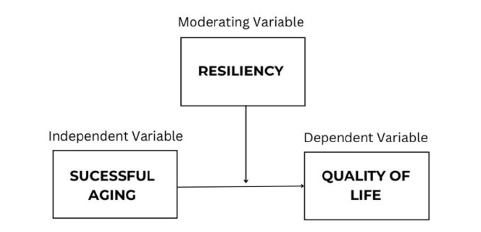
In this study, three variables are being explored. Successful aging is the independent variable, as it is investigated for its potential influence on quality of life, the dependent variable, which represents the outcome being measured. The relationship between independent variable and dependent variable suggests that LGBT older adults who experience successful aging are likely to report a higher quality of life. Resiliency on the other hand, is the moderating variable, as it may affect how successful aging impacts quality of life. As moderating variable, resilience can influence the strength or direction of the relationship between successful aging and quality of life.
Future research perspectives (highlight gaps, significance)
The study is significant for several reasons, it focuses on a marginalized and understudied population, Filipino LGBT older adults, shedding light on their experiences, challenges and resilience, in the context of successful aging and quality of life. By exploring these aspects, the study contributes to the inclusivity and representation of diverse group in research. Secondly, by emphasizing the moderating role of resilience, the study underscores the significance of adaptive strategies and psychological strengths in fostering the resilience of Filipino LGBT older adults. Understanding how resilience interacts with successful aging and quality of life provides insights into protective factors that can promote positive outcomes in the face of adversity. Also, through its focus on successful aging, quality of life and resilience in the context of Filipino LGBT older adults, the study contributes to the growing body of literature on LGBT aging and health disparities. It adds valuable insights to the field of gerontology, LGBT studies and resilience research, fostering a more comprehensive understanding of diverse aging experiences.
One significant gap in the existing research lies in the insufficient focus on the experiences and challenges faced by older adults who are part of the LGBT community, particularly regarding their aging process, quality of life and resilience. While the bulk of aging research has centered on heterosexual older adults, LGBT older adults have often been marginalized or overlooked. This limited focus has resulted in a lack of nuanced understanding of how LGBT specific factors such as sexual orientation, gender identity and sociocultural experiences which interact with aging outcomes. While existing literature has established general links between successful aging, quality of life and resilience, the experiences of LGBT older adults are likely to differ due to the unique intersectionality of their sexual orientation or gender identity with age-related challenges.
The rationale behind focusing on these variables (successful aging, quality of life and resilience) within this specific population stems from the recognition that LGBT older adults may face unique barriers such as social stigma, discrimination and lack of social support, all of which may significantly impact their aging experience. Therefore, while there is a growing body of literature on aging in general, a tailored exploration of these factors within the LGBT community is necessary to fully understand the complexity of aging for this population. Existing studies often fail to account for how identity and socio-cultural factors, including experiences of marginalization and the legacy of social exclusion, may shape their health outcomes and overall life satisfaction [64]. Moreover, despite acknowledging the limited studies on the unique population of LGBT older adults, there is a need for further research to incorporate other critical variables, such as the role of socio-cultural factors, gender identity and the lived experiences of being both elderly and LGBT. These elements could provide richer insights into the factors that influence resilience and successful aging within this group [65]. The study will contribute to a more inclusive understanding of aging and highlight the importance of developing policies and interventions that consider the multifaceted realities of LGBT older adults.
Scope and limitations
This study focuses on Filipino LGBT older adults, specifically those who meet the established inclusion criteria, to explore their experiences, needs and challenges. The research aims to examine demographic and related variables such as age, gender identity, socioeconomic status, education level and ethnicity and how these factors may influence their experiences within the LGBT community. One limitation of the study is the generalizability of the findings, as it focuses specifically on Filipino LGBT older adults, a unique and marginalized population. This specialized focus may limit the extent to which the results can be applied to other cultural or demographic groups. Additionally, the study is limited to LGBT individuals and does not include other gender identities or sexual orientations within the QIA+ spectrum, meaning that the experiences of non-LGBT QIA+ individuals are not considered. Another limitation is the relatively small sample size, which may affect the study’s validity. A larger sample would provide a more comprehensive understanding of the experiences of this population and enable broader generalizations. Moreover, challenges in data collection from this sample pose a significant limitation, as this group is considered a special population.
Methods
Study design and locale
Quantitative correlational research design will be used to find patterns and trends in the relationship among the variables successful aging, quality of life and resiliency gathered from the responses of the Filipino LGBT older adults, this will provide a structured framework for investigating relationships and assessing the moderating influence of resiliency. This design allows for the investigation of relationships between variables without the researcher’s control or manipulation of the variables being studied. The results of correlational research design include the strength and direction of the relationship of two or more variables. Additionally, the moderating effect of resiliency will be tested using an interaction term in the regression analysis to examine whether resiliency changes the strength or direction of the relationship between successful aging and quality of life.
Study participants
Sample size and sampling: The researcher will collect a minimum of 164 responses from the population of Filipino LGBT older adults. The sample size for this study was calculated using the statistical application G*Power 3.1.9.7. By setting the effect size to 0.06, the statistical power to 0.80 and the significance level to 0.05, there is an 80% probability that the true value will lie within ±5% of the observed value. Respondents will be selected using convenience sampling, a method that enables the researcher to select readily accessible participants who can provide relevant insights based on their experiences.
Inclusion and exclusion criteria: To ensure that the researcher will have accurate and relevant data needed to satisfy the research questions, respondents will be selected based on an inclusion criterion: Filipino, self-identified member of the LGBT community, English literate and aged between 55 years old and above. While the following will be excluded from the possible respondents of this study using an exclusion criterion: Filipino LGBT older adults who have cognitive or mental health impairments which may hinder their ability to provide informed consent or accurately respond to survey items and Filipino LGBT older adults who are residing outside the Philippines.
Research instruments
This study uses three structured, open-access questionnaires: the Successful Aging Scale, the WHO Quality of Life (WHOQOL) Scale and the Brief Resilience Scale. A demographic section is also included to gather information such as socioeconomic status, income, education level, age, gender identity and ethnicity. These details help identify how personal and socioeconomic factors may affect participants’ views on successful aging, quality of life and resilience.
Successful Aging Scale (SAS)
The Successful Aging Scale (SAS), developed by Gary T. Reker, is a 14-item instrument designed to assess three core domains of successful aging: Healthy Lifestyle, Adaptive Coping and Engagement with Life. Participants respond to each item using a seven-point Likert scale, ranging from “strongly agree” to “strongly disagree.” Further, Items 1 and 11 are reverse-coded to help control for response bias and ensure more accurate measurement. The domains of the SAS demonstrate good internal consistency, with reliabilities of .72 for Healthy Lifestyle, .73 for Adaptive Coping and .75 for Engagement with Life. These values reflect the degree of coherence and consistency among the items within each domain. Additionally, the SAS shows a test-retest reliability of .71, indicating its stability and reproducibility over time. This suggests that the scale consistently produces reliable results when administered to the same individuals on different occasions, reinforcing the robustness of the instrument. For score interpretation, the following ranges apply:
a) Low Score Range (0-30): This range likely indicates low
levels of successful aging, with challenges in physical health,
adaptive coping and social engagement. Individuals may
experience difficulties with disease management, poor mental
functioning, low social involvement and struggles in adapting
to the aging process.
b) Moderate Score Range (31-60): Reflects moderate
successful aging. Individuals in this range may experience
some successes but also face certain challenges. They are likely
to maintain some level of social engagement and adapt to agerelated
changes, though there is room for improvement in
physical health.
c) High Score Range (61-90): Indicates high levels of
successful aging, characterized by healthy lifestyle choices,
effective coping strategies and active life engagement.
Individuals in this range typically perceive themselves as
aging well, with good physical and mental health, strong social
connections and positive coping mechanisms.
WHOQOL-BREF-Filipino version
The WHOQOL-BREF is a shortened version of the World Health Organization’s Quality of Life assessment tool, designed to provide a quick yet comprehensive evaluation of an individual’s quality of life across four key domains: physical, psychological, social and environmental health. Translated into multiple languages, this instrument consists of 26 items carefully selected to capture essential aspects of each domain without overwhelming respondents with a lengthy questionnaire. Items 3,4 and 26 are reverse-coded. With a Cronbach’s alpha coefficient of 0.91, the WHOQOL-BREF demonstrates high internal consistency. This reliability ensures the instrument consistently captures the intended aspects of quality of life, yielding dependable results. For cut-off scores and interpretations:
a) 0-40: Poor quality of life and health, indicating significant
dissatisfaction.
b) 41-60: Moderate perception of quality of life and health,
with some satisfaction but also noticeable challenges.
c) 61-80: Good perception of quality of life and health,
indicating general satisfaction with some areas for
improvement.
d) 81-100: Excellent perception of quality of life and health,
reflecting high satisfaction with life and health status.
Brief Resiliency Scale (BRS)
The Brief Resilience Scale (BRS), developed by Charles S. Smith and colleagues in 2008, measures an individual’s ability to recover from stress and adversity. The scale consists of six items; each rated on a 5-point Likert scale ranging from 1 (strongly disagree) to 5 (strongly agree). These items assess how individuals perceive their ability to handle and bounce back from challenges, such as the statement, “I tend to bounce back quickly after hard times.” The BRS is scored by reverse coding items 2,4 and 6 and has demonstrated strong internal consistency, with Cronbach’s alpha values ranging from 0.80 to 0.91, indicating its reliability. Scores are typically interpreted as follows:
A. Low resilience: Scores between 1.00 and 2.99, suggesting
difficulty in recovering from adversity.
B. Average resilience: Scores between 3.00 and 4.00,
indicating a moderate ability to recover.
C. High resilience: Scores between 4.01 and 5.00, reflecting
a strong capacity to bounce back from challenges.
Specific procedures based on study objectives
Formulation of consent forms
As part of the preparation for this study, the researcher will develop informed consent forms to ensure the rights, safety and voluntary participation of all respondents. These forms will clearly outline the purpose of the study, participants’ rights, confidentiality measures and compliance with the Data Privacy Act of 2012 in the Philippines. Informed consent will be obtained either in written form (for face-to-face participants) or electronically via Google Forms (for online participants), depending on the mode of participation. Participant recruitment will be conducted through both face-to-face and online channels. The researcher will coordinate with a selected LGBT organization and submit the necessary documents, including letters to formally introduce the study and authenticate the researcher’s identity. This coordination will help build trust and ensure ethical access to potential respondents. Upon receiving approval from the LGBT organization, the researcher will purposively select respondents based on the study’s inclusion criteria-LGBT older adults who meet the age and other eligibility requirements. The selected participants will be approached either in person or online, depending on accessibility and preference. Before data collection, participants will receive the informed consent form and be given sufficient time to review and ask questions. For face-to-face recruitment, consent will be signed on paper; for online recruitment, participants will confirm their consent by submitting the digital form. Once consent is obtained, participants will proceed to provide demographic information, including age, gender identity, educational attainment, occupation, monthly income, civil status and ethnicity. These background variables are essential for analyzing how personal and social factors may influence the results related to successful aging, quality of life and resilience. After completing the demographic section, participants will be asked to respond to the three open-access questionnaires: the Successful Aging Scale, the WHOQOL-BREF and the Brief Resilience Scale. These instruments will be administered either face-to-face (in printed form) or online through Google Forms, depending on the mode of recruitment. Throughout the process, the researcher will be available to provide clarification and assistance before, during and after data collection. Completed questionnaires will be collected directly in person or automatically submitted online, ensuring a secure and organized data gathering process.
Ethical considerations
The researcher is obliged to fulfill ethical responsibilities through the protection of confidentiality and anonymity of the participants. The researcher will seek ethics clearance from the Angeles University Foundation- Ethics Review Committee (AUFERC), once the AUF-ERC has approved and issued clearance for this study, the researcher will start to gather data from the respondents.
Informed consent process, duration of participation and withdrawal criteria
Informed consents containing relevant information about the study’s purpose, the rights of the respondents, the responsibilities of the researcher and the potential risks and benefits involved in the study shall be given to the participants in both written or online before data collection through survey questionnaires. To safeguard sensitive information and secure stored data, the respondents will be given code names and their responses will be presented through numbers, graphs and tables to avoid identification of individual data during the analysis and presentation of this study. Moreover, access to the data will be restricted and viewed solely by the researcher, research adviser, research instructor and research panel. The participation in this study shall be strictly voluntary, the participants have the right to withdraw from the study for any reason without having further responsibilities nor face any consequences should they decide to withdraw their data during or after their participation.
Risks and inconveniences
There are no potential risks and in the study. However, the researcher acknowledges that completing the survey may require a time commitment that some participants might find inconvenient. To respect the participant’s time, the survey has been carefully designed to be concise with an estimated completion time of approximately 15 to 20 minutes.
Benefits of the study
The successful completion of this study could be beneficial to
the following:
a) LGBT older adults, this can provide important insights
into how individuals in this community cope with adversity and
maintain a high quality of life as they age.
b) helping professionals and policymakers, it can shed light
on the specific needs and concerns of this population, allowing
them to make policies and interventions tailored by the needs
of the community.
c) community, this research can help to create a more
accepting and affirming society for LGBT individuals of all ages.
Privacy, confidentiality and data management
In this study, the researcher will prioritize the protection of participants’ privacy and confidentiality. Personal identifiers such as names, addresses and dates of birth will not be collected or included in the research data to maintain anonymity. All data gathered will be securely stored using data protection measures such as passwordprotected digital files, encryption and physical safeguards for any hard copies. Access will be limited to the researcher and authorized personnel only and a log of data access will be maintained for transparency and accountability. The collected data will be retained for a period of 1 year after the completion of the study. After this period, all digital files will be permanently deleted and any physical documents will be securely shredded. Findings from the study may be shared through academic paper presentations, journal publications, or other scholarly platforms. However, any shared data will be presented in a summarized, anonymized form to ensure that no individual participant can be identified. Participants may also request a summary of the study results via email once the study is completed. These stringent measures will guarantee that the research upholds the highest standards of privacy and confidentiality for all participants.
Conflict of Interest
There is no potential conflict of interest was reported by the researcher.
Statistical Analysis of Data
In this study, the primary objective is to examine the moderating effect of resilience on the relationship between successful aging and quality of life among Filipino LGBT older adults. To achieve this, various statistical methods were be employed to ensure the rigor and validity of the findings. The analysis included descriptive statistics, regression analysis, Spearman Rho correlation and a detailed moderation analysis using SPSS, incorporating the PROCESS macro. The data analysis process will begin with descriptive statistics to provide a general overview of the key variables. Descriptive statistics will summarize the characteristics of the respondents and the distribution of the main variables, offering initial insights into patterns and trends within the data. This step will allow us to examine the distribution and central tendencies of quality of life, successful aging and resilience before proceeding to more complex analyses. A preliminary assessment of statistical assumptions (normality, linearity and homoscedasticity) was conducted before running the analyses. Since these assumptions were not fully met, Spearman’s rho correlation was employed instead of Pearson’s r to examine the relationships among quality of life, successful aging and resilience. This allowed for a more accurate assessment of the strength and direction of associations between the study variables. When significant correlations were found, regression and moderation analyses were conducted to further examine predictive relationships. Although regression assumes linearity and normality, robust methods and bootstrapping were applied to address potential violations of assumptions. This ensured that the analyses remained valid and reliable despite the nonparametric nature of the data.
The central focus of the data analysis was a moderation analysis to examine whether resilience moderated the relationship between quality of life and successful aging. This analysis was conducted using the PROCESS macro for SPSS, specifically Model 1, which is designed for testing moderation effects. In this model, successful aging served as the independent variable, quality of life as the dependent variable and resilience as the moderator. To reduce multicollinearity and improve the interpretability of the interaction effect, the independent variable (successful aging) and the moderator (resilience) were mean-centered before computing the interaction term. The interaction term, calculated as the product of the centered variables, was then included in the regression model to test whether the effect of successful aging on quality of life varied depending on levels of resilience. This multi-step approach to data analysis ensured that the relationships between successful aging, quality of life and resilience were thoroughly tested and interpreted. By utilizing descriptive statistics, Spearman’s rho correlations, regression analysis and a robust moderation analysis using the PROCESS macro with bootstrapping, the study provided a comprehensive understanding of the moderating role of resilience among Filipino LGBT older adults.
Results
Table 1 the sample consisted of 164 Filipino LGBT older adults, with a mean age of 60.63 years (SD=4.71). Most participants identified as gay (61.59%), followed by transgender (17.68%), lesbian (13.41%) and bisexual (7.32%). In terms of ethnicity, the majority were Kapampangan (56.10%), with Tagalog (31.10%) as the second most common group. Other ethnic groups, such as Cebuano, Bicolano, Ilocano and Bisaya, were represented in smaller proportions. Regarding educational attainment, a considerable number had vocational training (35.37%), while 29.27% attained a bachelor’s degree and 15.25% had postgraduate education (master’s or doctorate). In terms of monthly income, 40.24% earned less than ₱20,000, while 33.54% reported earning between ₱20,000 and ₱40,000.
Table 1:Demographic profile of participants.
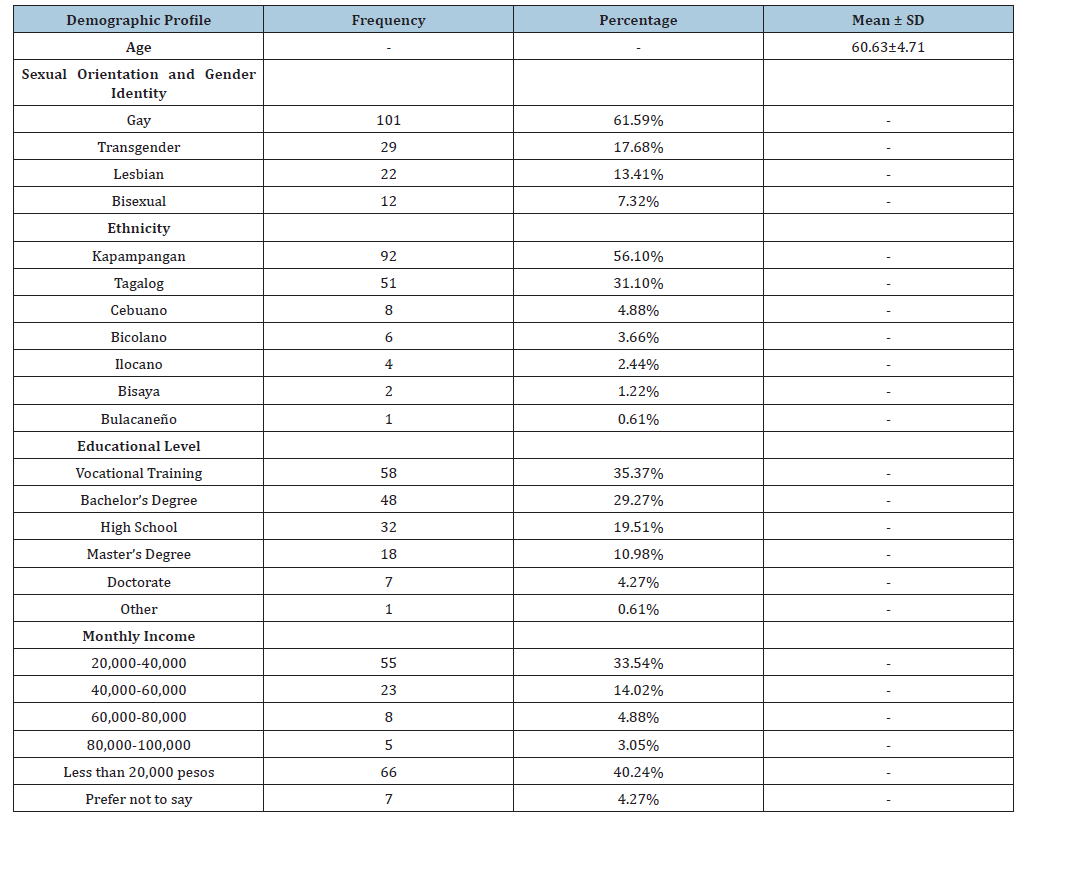
Table 2:Levels of successful aging, quality of life and resilience of the filipino lgbt older adults.

In Table 2, descriptive statistics showed that participants scored relatively high across all key variables; successful aging, quality of life and resilience. SAS total score was 81.94 (SD=7.13), indicating a generally high level of successful aging among participants. In addition, the results of the WHOQOL-BREF indicated that participants generally reported positive perceptions of quality of life. The mean score for quality of life was 16.9 (SD=2.92), corresponding to 80.63/100. And lastly, participants demonstrated relatively high levels of resilience, with a mean BRS score of 4.09 (SD=0.72; range=2.33-5.00). Based on established cutoffs, this falls within the “high resilience” category. The Shapiro-Wilk test indicated significant deviation from normality (p<0.0001), supporting non-parametric analyses.
Table 3:Correlation analysis among successful aging, quality of life and resilience.
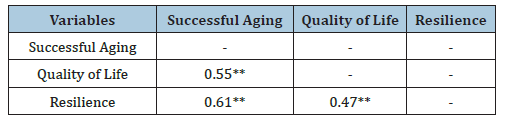
Correlations analysis revealed that successful aging was positively associated with both quality of life and resilience as shown in Table 3. Spearman’s rho correlations revealed that successful aging was moderately and positively associated with quality of life (r=0.55, p <0 .0001). While a strong positive correlation was also observed between successful aging and resilience (r=0.61, p < 0.0001). In addition, resilience showed a moderate positive association with quality of life (r= .047, p < 0.001).
The moderation analysis revealed a significant interaction between Successful Aging and Resilience in predicting overall quality of life (b=0.14, SE=0.04, p=.0005) as shown in Table 4. Simple slope analysis indicated that Successful Aging significantly predicted higher quality of life at average (b=0.16, p< .0001) and high levels of resilience (b=0.27, p< .0001), but not at low levels of resilience (b=0.06, p=.273).
Table 4:Moderation of resilience on successful aging and overall quality of life.
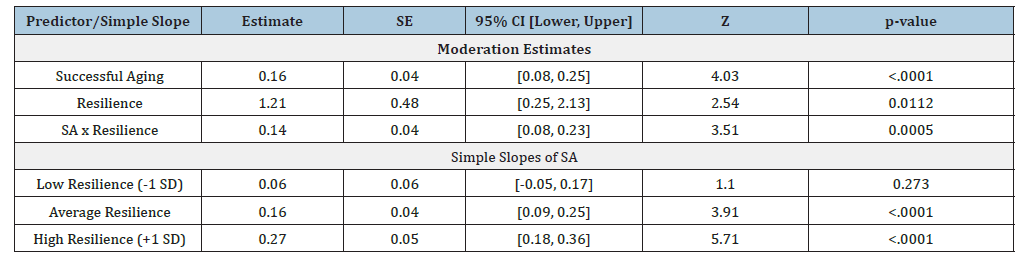
Note: Estimates and confidence intervals are based on bootstrapping with 1,000 samples.
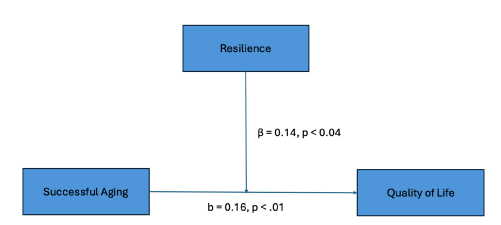
Figure 1 illustrates the moderating role of resilience in the relationship between successful aging and quality of life. As shown, successful aging has a direct positive effect on quality of life and resilience independently contributes to higher quality of life. Importantly, the significant interaction effect (β=0.14, p=0.04) indicates that resilience strengthens the positive association between successful aging and quality of life.
Figure 1: Moderation model with resilience as moderator.
Discussion
Demographics
The demographic data showed a sample with a mean age of 60.63 years, primarily identifying as gay (61.59%), were predominantly Kapampangan (56.10%) and having completed vocational training (35.37%) or a bachelor’s degree (29.27%). The sample was notably characterized by lower income levels, with the majority of participants earning less than 40,000 pesos per month. These findings are consistent with previous research noting that LGBT older adults often face financial insecurity due to lifetime employment discrimination and limited access to traditional family-based support systems [66,67].
Levels of successful aging, quality of life and resilience
The present study investigated the levels of successful aging, quality of life and resilience among a sample of Filipino LGBT older adults. Despite potential socioeconomic and social challenges, the findings revealed that participants reported relatively high levels across these domains. Specifically, participants showed very high levels of successful aging (M=81.94, SD=7.13), reflected in consistently high scores across healthy lifestyle (M=6.22, SD=0.76), adaptive coping (M=6.34, SD=0.54) and engagement with life (M=6.34, SD= 0.60). They also reported a high quality of life, (M=16.9, SD=2.92; 80.63/100) and favorable perceptions across physical, psychological, social and environmental domains. In addition, participants demonstrated high levels of resilience (M=4.09, SD=0.72), indicating a strong ability to recover from stress and adapt to life’s challenges. These results align with recent studies that challenges the traditional “deficit model” of aging. Rather than viewing older adulthood primarily as a period of decline, research has increasingly highlighted how older adults can sustain and even enhance their well-being in the face of challenges. These results align with recent studies that challenge the traditional “deficit model” of aging, which frames later life primarily as a period of decline. Instead, emerging research emphasizes that older adults are capable of sustaining and even enhancing their well-being despite various challenges. For example, studies have shown that engaging in mind-body exercises and physical activity not only enhances physical functioning but also leads to significant improvements in overall quality of life among older adults [42,68,69] underscored the importance of regular exercise in fostering successful aging among Korean older populations, highlighting its role in maintaining health, independence and social participation. Beyond physical practices, psychological and social resources also play a vital role. For instance, Yeung et al. [70] found that older adults who perceived themselves as aging successfully reported more adaptive coping and positive emotions during the COVID-19 pandemic, underscoring the psychological resources that sustain well-being. Likewise, Kim et al. [71] emphasized the role of resilience and social support in maintaining psychological wellbeing among older populations, suggesting that resilience operates as a protective factor that enhances quality of life even under stress and adversities in life.
Relationship between successful aging and quality of life
The findings also showed strong, positive and statistically significant correlations among successful aging, quality of life and resilience. This means that when one of these factors increases, the others also tend to rise, showing a close and supportive relationship between them (r=0.55, p<0.0001). This suggests that individuals who report higher successful aging also perceive a better quality of life. For Filipino LGBT older adults in this study, those who perceived themselves as aging successfully by sustaining their health, independence and social connectedness also reported higher quality of life. At the same time, resilience emerged as a vital psychological resource that enabled participants to cope with adversity, setbacks and different life stressors r=0.61, p<0.0001). This capacity for resilience not only safeguarded their overall life satisfaction but also enhanced their ability to age successfully. These results align with earlier research emphasizing the close association between successful aging and quality of life [72,73,12]. Moreover, the role of resilience as a sustaining force in later life has been widely recognized, with prior studies highlighting its contribution to psychological well-being, adaptability and positive aging trajectories [74-77]. Collectively, these findings reinforce the notion that successful aging extends beyond the presence of physical health and social resources; it is also profoundly shaped by psychological strengths such as resilience. This inner resource empowers older adults to cope effectively with life’s inevitable challenges-whether health-related, social, or emotional and enable older adults to thrive despite challenges.
Regression analysis
In addition, multiple regression analysis revealed that both successful aging (b=0.16, p<0.001) and resilience (b=1.21, p=0.011) are significant positive predictors of quality of life. This is a critical finding, as it not only confirms the independent value of successful aging and resilience but also emphasizes their combined effect on an individual’s overall quality of life. These findings are supported by recent research suggesting that a proactive approach to aging, which includes maintaining meaningful activities and social roles, combined with the capacity to adapt to adversity, are key components of a high quality of life [68,78-80]. The results show that for every one-unit increase in successful aging, quality of life increases by 0.16 and for every one-unit increase in resilience, quality of life increases by 1.21. This highlights the pivotal role that successful aging and resilience play in shaping quality of life.
Moderating relationship
The moderation analysis provided a deeper, more nuanced understanding of the relationships among the study variables. Resilience was found to be a significant moderator in the relationship between successful aging and quality of life, B=0.14, SE=0.04, p < .0005. Specifically, the positive association between successful aging and quality of life becomes stronger as an individual’s level of resilience increases. This means that Filipino LGBT older adults who report higher resilience are better able to translate the benefits of successful aging such as maintaining health, independence and social connections into improved quality of life outcomes. In contrast, those with lower resilience still benefit from successful aging, but the effect is less pronounced. In other words, resilience amplifies the impact of successful aging by enabling individuals to adapt positively to stressors such as financial strain, social stigma, or health challenges. This suggests that resilience functions as a protective factor, not only safeguarding Filipino LGBT older adults from potential declines in well-being but also enhancing the effectiveness of other resources that promote successful aging. These findings underscore the importance of fostering resilience through supportive social networks, community programs and targeted interventions, as doing so can significantly strengthen the pathway between successful aging and quality of life.
Simple slope
The analysis reveals how resilience influences the impact of successful aging on quality of life, depending on whether resilience is low, average, or high. At low levels of resilience, the positive relationship between successful aging and quality of life is not statistically significant (b=0.06, p=0.273). This means that even if individuals perceive themselves as aging successfully, their quality of life does not substantially improve when they lack the resilience to manage difficulties and challenges. At average levels of resilience, the positive effect of successful aging on quality of life becomes stronger (b=0.16, p< 0.001). This suggests that Filipino LGBT older adults with moderate resilience benefit more from the resources of successful aging, such as maintaining independence and social ties, which enhance their quality of life. At high levels of resilience, the association is even more robust (b=0.27, p< 0.001). In this case, Filipino LGBT older adults who are both aging successfully and highly resilient experience the greatest improvements in their quality of life, as resilience allows them to transform challenges such as discrimination or financial hardship into manageable or growth-oriented experiences [81]. In other words, resilience serves as a buffering factor in the relationship between successful aging and quality of life. The higher the resilience, the stronger the positive impact of successful aging on quality of life. These findings imply that even when faced with adversity and setbacks, Filipino LGBT older adults who possess high resilience are able to maximize the benefits of successful aging, leading to a higher quality of life. This highlights the crucial role of resilience as a protective resource that not only sustains but amplifies the benefits of successful aging, particularly for those navigating unique social and cultural challenges.
Conclusion and Recommendations
The present study highlights the important roles of successful aging, quality of life and resilience among Filipino LGBT older adults. Despite socioeconomic challenges, such as low income and limited family-based support systems, participants demonstrated high levels of successful aging, resilience and quality of life reflecting a generally positive aging profile. These results challenge deficit-based perspectives of aging by showing that even in the presence of challenges such as discrimination, financial limitations and health concerns, LGBT older adults in the Philippines can sustain meaningful and fulfilling lives through resilience and adaptive coping. Correlational and regression analyses confirmed that successful aging and resilience are significant and positive predictors of quality of life. Importantly, moderation analysis demonstrated that resilience strengthens the positive relationship between successful aging and quality of life. In other words, resilience makes successful aging more effective in improving quality of life. Simple slope analysis further showed that while successful aging consistently improves quality of life, this effect is strongest among those with high resilience. These findings underscore resilience as a vital protective resource for LGBT older adults in the Philippines. Beyond sustaining psychological well-being, resilience enhances the effectiveness of aging strategies, enabling individuals to transform adversity into growth opportunities and maintain a high quality of life in later years [82-102].
While the present study provides valuable insights, the researcher offers recommendations for future scholars who wish to extend this study or explore related areas. The study was limited by its relatively small sample size and cross-sectional design. To address these limitations, future research should consider expanding the sample size to include a larger and more diverse group of LGBT older adults from various regions of the Philippines. This would enhance the generalizability of findings and allow for a more comprehensive representation of lived experiences. Moreover, ensuring an equal representation of LGBT subgroups would help avoid sampling bias and strengthen the validity of comparisons. Future studies may also benefit from conducting comparative research between LGBT and non-LGBT older adults, as this approach could yield deeper insights into the unique challenges, coping mechanisms and resilience strategies of marginalized populations. Such comparative analyses would contribute to a more holistic understanding of successful aging and quality of life across diverse groups, ultimately informing more inclusive policies and interventions for older adults.
Acknowledgments
The researcher conveys his profound gratitude to his research adviser, Dr. Ma. Agatha Anne D. Guintu, for her invaluable guidance, insightful feedback and steadfast support throughout the conduct of this study. He also extends his heartfelt appreciation to his panelists for their constructive comments, thoughtful suggestions and encouragement, which have been instrumental in refining and strengthening this research. Furthermore, the researcher acknowledges the unwavering love, encouragement and understanding of his family and friends, whose support has been a constant source of strength and motivation. Above all, he offers his deepest thanks to the Lord Almighty, whose wisdom, guidance and grace sustained him in the fulfillment of this academic endeavor.
Appendix A
The appendix is an optional section that can contain details and data supplemental to the main text. For example, explanations of experimental details that would disrupt the flow of the main text, but nonetheless remain crucial to understanding and reproducing the research shown; figures of replicates for experiments of which representative data is shown in the main text can be added here if brief, or as Supplementary data. Mathematical proofs of results not central to the paper can be added as an appendix.
References
- Teoli D, Bhardwaj A (2023) Quality of life. In StatPearls, USA.
- Sokolec J, Dentato MP (2014) The effect of marginalization on the healthy aging of LGBTQ older adults. Social Justice.
- Watson E, Busch B (2019) The science of learning: 77 studies that every teacher needs to know (Eds 1). Routledge.
- Mallari R (2011) Successful aging and life satisfaction of older Filipinos: Evidence from the Philippine Longitudinal Study on Aging 2007.
- Teater B, Chonody JM (2020) How do older adults define successful aging? A scoping review. The International Journal of Aging and Human Development 91(4): 599-625.
- Tang X, Poudel AN (2018) Exploring challenges and problems faced by LGBT students in the Philippines: A qualitative study. Journal of Public Health Policy and Planning 2(3): 9-17.
- Reyes ME, Lanic PJ, Lavadia ENT, Tactay EFJL, Tiongson ER, et al. (2015) Self-stigma, self-concept clarity, and mental health status of Filipino LGBT individuals. North American Journal of Psychology 17(3): 343-350.
- Barrera G, Cases T, Bunout D, de la Maza MP, Leiva L, et al. (2017) Associations between socioeconomic status, aging and functionality among older women. Geriatric Nursing 38(4): 347-351.
- Li CI, Lin CH, Lin WY, Liu CS, Chang CK, et al. (2014) Successful aging defined by health-related quality of life and its determinants in community-dwelling elders. BMC Public Health 14: 1013.
- Marzo RR, Khanal P, Shrestha S, Mohan D, Myint PK, et al. (2023) Determinants of active aging and quality of life among older adults: Systematic review. Frontiers in public health 11: 1193789.
- Choi M, Lee M, Lee MJ, Jung D (2017) Physical activity, quality of life and successful ageing among community-dwelling older adults. International Nursing Review 64(3): 396-404.
- Çapar Çiftçi M, Aydin Ş (2025) The relationship between quality of life and successful aging in elderly individuals. Gümüşhane University Journal of Health Sciences 14(1): 48-56.
- Yu Y (2022) Thwarted belongingness hindered successful aging in Chinese Older adults: Roles of positive mental health and meaning in life. Frontiers in Psychology 13.
- Carver LF, Beamish R, Phillips SP (2018) Successful aging: Illness and social connections. Geriatrics (Basel, Switzerland), 3(1): 3.
- Byra M (2020) Aging in America. ACSMʼs Health & Fitness Journal 24(5): 6-8.
- Barbaccia V, Bravi L, Murmura F, Savelli E, et al. (2022) Mature and older adults' perception of active ageing and the need for supporting services: Insights from a qualitative study. International Journal of Environmental Research and Public Health 19(13): 7660.
- Czaja SJ, Weingast SZ (2020) The changing face of aging: Characteristics of older adult user groups. Gerontechnology 19(2): 115-124.
- Fassi J, Rickenbach EH (2023) The effectiveness of a virtual intergenerational activity for reducing younger and older adults' ageism. Journal of Intergenerational Relationships 21(4): 477-494.
- Urtamo A, Jyväkorpi SK, Strandberg TE (2019) Definitions of successful aging: A brief review of a multidimensional concept. Acta Bio-Medica: Atenei Parmensis 90(2): 359-363.
- Oktaviani LW, Hsu HC, Chen YC (2022) Effects of health-related behaviors and changes on successful aging among Indonesian older people. International Journal of Environmental Research and Public Health 19(10): 5952.
- Subramaniam M, Abdin E, Vaingankar JA, Sambasivam R, Seow E, et al. (2019) Successful ageing in Singapore: Prevalence and correlates from a national survey of older adults. Singapore Medical Journal 60(1): 22-30.
- Del Villar C (2018) Link between successful aging and selected communication-demographic characteristics of Filipino elders. Athens Journal of Social Sciences 5: 269-290.
- Sanchez N (2016) Exploring the journey towards successful aging in the Philippines: A mixed-method study [PhD Thesis]. Australian Catholic University School of Allied Health, Australia.
- American Psychological Association (2024) Resilience, USA.
- Crenitte M (2019) Challenges for the successful aging of LGBT older adults. MOJ Gerontology & Geriatrics 4: 00197.
- Porter K, Ronneberg C, Witten T (2013) Religious affiliation and successful aging among transgender older adults: findings from the trans metlife survey. Journal of Religion Spirituality Aging 25: 112-138.
- Fredriksen Goldsen KI, Kim HJ, Shiu C, Goldsen J, Emlet CA, et al. (2015) Successful aging among LGBT older adults: Physical and mental health-related quality of life by age group. The Gerontologist 55(1): 154-168.
- Pereira H, Silva P (2021) The importance of social support, positive identity and resilience in the successful aging of older sexual minority men. Geriatrics 6(4): 98.
- Arnout B (2024) Quality of life: The concept and interventions. IntechOpen, UK.
- Perales F (2020) Social engagement and physical activity as predictors of QoL in older adults. Journal of Aging and Health 32(6): 906-918.
- Bilgili N, Arpaci F (2014) Quality of life of older adults in Turkey. Archives of Gerontology and Geriatrics 59(2): 415-421.
- Carmona González M, Flores Garnica A, Sánchez Ramos MÁ (2022) Impact of the COVID-19 pandemic on the quality of life of older adults. Journal of Global Health Reports 6: e2022032.
- Chaves D (2023) Urban vs. rural living and quality of life among older adults. Journal of Urban Health 47(3): 305-317.
- Yarns BC, Abrams JM, Meeks TW, Sewell DD (2016) The mental health of older LGBT adults. Current Psychiatry Reports 18(6): 60.
- Wang YC, Chang SR, Miao NF (2021) Health status and quality of life of middle-aged and older Taiwanese sexual and gender minorities. Journal of Nursing Scholarship: An Official Publication of Sigma Theta Tau International Honor Society of Nursing 53(3): 369-377.
- Reyes ME, Chan JC, Robles AJ (2024) Is age just a number? Ageism and quality of life among Filipino LGBT older adults. Sexuality & Culture 28: 2720-2744.
- Preston R (2022) Quality of life among LGBTQ older adults in the United States: A systematic review. Journal of the American Psychiatric Nurses Association 30(2): 221-239.
- Vosvick M, Stem W (2019) Psychological quality of life in a lesbian, gay, bisexual, transgender sample: Correlates of stress, mindful acceptance and self-esteem. Psychology of Sexual Orientation and Gender Diversity 6(1): 34-41.
- Redcay A, McMahon S, Hollinger V (2019) Policy recommendations to improve the quality of life for LGBT older adults. Journal of Human Rights and Social Work 4: 267-274.
- Bhattacharyya KK, Molinari V, Gupta DD, Hueluer G (2024) The role of life satisfaction and optimism for successful aging in mid and late life. Journal of Applied Gerontology 44(3): 428-438.
- Yustanti AS, Annisa NS, Indarwati R, Wahyudi AS (2024) Determinants of successful aging in older adults: A systematic review of psychological, social, and physical factors. Medical Technology and Public Health Journal 8: 28-35.
- Yang Q, Zhang Y, Li S (2024) The impact of mind-body exercise on the quality of life in older adults: The chain mediation effect of perceived social support and psychological resilience. Frontiers in Public Health 12: 1446295.
- Sánchez Moreno E, Gallardo Peralta L, Rodríguez Rodríguez V, Soto Higuera A (2021) Successful aging and quality of life: A cross-ethnic comparison in Chile. In F Rojo-Pérez & G. Fernández-Mayoralas (Eds.) Handbook of Active Ageing and Quality of Life pp. 1-14.
- Choi SK, Meyer IH (2016) LGBT aging: A review of research findings, needs and policy implications. The Williams Institute, USA.
- Turow RG (2024) Resilience is a skill that can be cultivated, a psychologist explains. Live Science, UK.
- Yashasvi (2021) Resilience in older adults. The International Journal of Indian Psychology 9(1): 195.
- MacLeod S, Musich S, Hawkins K, Alsgaard K, Wicker ER (2016) The impact of resilience among older adults. Geriatric Nursing 37(4): 266-272.
- Lyons A (2015) Resilience in lesbians and gay men: A review and key findings from a nationwide Australian survey. International Review of Psychiatry 27(5): 435-443.
- Gonzalez KA, Abreu RL, Arora S, Lockett GM, Sostre J, et al. (2021) Previous resilience has taught me that I can survive anything: LGBTQ resilience during the COVID-19 pandemic. Psychology of Sexual Orientation and Gender Diversity 8(2): 133-144.
- Meyer IH (2010) Identity, stress and resilience in lesbians, gay men and bisexuals of color. The Counseling Psychologist 38(3): 442-454.
- Russell GM, Richards JA (2003) Stressor and resilience factors for lesbians, gay men and bisexuals confronting antigay politics. American Journal of Community Psychology 31(3-4): 313-328.
- Monin JK, Mota N, Levy B, Pachankis J, Pietrzak RH, et al. (2017) Older age associated with mental health resiliency in sexual minority US veterans. The American Journal of Geriatric Psychiatry: Official Journal of the American Association for Geriatric Psychiatry 25(1): 81-90.
- Cortes J, Fletcher TL, Latini DM, Kauth MR (2019) Mental health differences between older and younger lesbian, gay, bisexual and transgender veterans: Evidence of resilience. Clinical Gerontologist 42(2): 162-171.
- Higgins A, Sharek D, Glacken M (2016) Building resilience in the face of adversity: Navigation processes used by older lesbian, gay, bisexual and transgender adults living in Ireland. Journal of Clinical Nursing 25(23-24): 3652-3664.
- Goldhammer H, Krinsky L, Keuroghlian AS (2019) Meeting the behavioral health needs of LGBT older adults. Journal of the American Geriatrics Society 67(8): 1565-1570.
- Zelle A, Arms T (2015) Psychosocial effects of health disparities of lesbian, gay, bisexual and transgender older adults. Journal of Psychosocial Nursing and Mental Health Services 53(7): 25-30.
- Brennan Ing M, Seidel L, Larson B, Karpiak SE (2014) Social care networks and older LGBT adults: Challenges for the future. Journal of Homosexuality 61(1): 21-52.
- Gutterman A (2023) Ageism, sexual orientation and gender identity.
- Stinchcombe A, Smallbone J, Wilson K, Kortes Miller K (2017) Healthcare and end-of-life needs of lesbian, gay, bisexual and transgender (LGBT) older adults: A scoping review. Geriatrics (Basel, Switzerland) 2(1): 13.
- O'Malley K, Waters R (2021) 214 Care of the LGBT older adult: A narrative review. Age and Ageing 50: ii9-ii41.
- Telazzi I, Colombo B (2024) Health disparities among LGBTQ+ older adults: Challenges and resources. A systematic review. Journal of Health and Social Sciences 9(1): 24-85.
- Hua B, Yang Z, Chao Z (2019) Ageing and health in the LGBT community: A review. Geriatrics and Gerontology International 19(5): 395-401.
- Batool SS, Tanveer S, Chatrath SK, Batool SA (2024) Biopsychosocial determinant of quality of life of older adults in Pakistan and Canada. Frontiers in Psychiatry 15:1364443.
- Wilson BDM, Ryan C (2013) The role of identity in resilience among LGBT older adults. The Journal of LGBT Health Research 9(1): 18-28.
- Budge SL, Adelson JL, Howard KAS (2013) Anxiety and depression in transgender individuals: The roles of transition status, loss, social support and coping. Journal of Consulting and Clinical Psychology 81(3): 545-557.
- Miller LR (2023) Queer aging: Older lesbian, gay and bisexual adults' visions of late life. Innovation in aging 7(3): igad021.
- Emlet CA (2016) Social, economic and health disparities among LGBT older Adults. Generations 40(2): 16-22.
- Yen HY, Lin LJ (2018) Quality of life in older adults: Benefits from the productive engagement in physical activity. Journal of exercise science and fitness 16(2): 49-54.
- Kim HR, Woo SH, Seo JP, So WY, Bae JS, et al. (2024) Satisfaction with the exercise program and successful aging among older adults who exercise regularly: The multiple mediation of physical self-efficacy and exercise adherence. Healthcare (Basel, Switzerland) 12(20): 2054.
- Yeung DY, Chung EK, Lam HK (2021) Effects of subjective successful aging on emotional and coping responses to the COVID-19 pandemic. BMC Geriatrics 21(1): 128.
- Kim ES (2021) Resilient aging: Psychological well-being and social support. This and related research underline the role of psychological well-being and resilience in older adults’ life satisfaction.
- Bowling A, Iliffe S (2011) Psychological approach to successful ageing predicts future quality of life in older adults. Health and Quality of Life Outcomes 9: 13.
- Astuti R, Tri Wahyuningsih, Ratna Wulan Hadian (2025) The relationship between quality of life and successful aging. Budi Luhur Health Journal: Journal of Public Health, Nursing, and Midwifery Sciences 18(2): 88-96.
- Trică A, Golu F, Sava NI, Licu M, Zanfirescu ȘA, et al. (2024) Resilience and successful aging: A systematic review and meta-analysis. Acta Psychologica 242: 104357.
- Sadang JM, Palompon DR, Agoncillo DJE, Datumanong NT, Alawiya JTP, et al. (2023) A multiple case study of older adults' internal resiliency and quality of life during the Covid-19 health emergency. Annals of geriatric medicine and research 27(2): 158-171.
- Pietrzak RH, Levy BR, Tsai J, Southwick SM (2021) Successful aging in older us veterans: Results from the 2019-2020 national health and resilience in veterans study. American Journal of Geriatric Psychiatry 29(3): 251-256.
- Castillo Carandang NT, Abrigo GNA, Visco ES, Dela Vega SAF, Villanueva, LAS, et al. (2020) Aging, resilience and vulnerability of selected faculty and staff (55 years old and above) in an academic community in the Philippines. Acta Medica Philippina 54(5): 620-632.
- Oh E, Kim N, Gansukh L, Lee S (2025) Resilience for activity engagement among frail older adults: Moderated mediation effect of social support. BMC Psychology 13(1): 513.
- Siltanen S, Tourunen A, Saajanaho M, Heikkinen RL, Rantanen T, et al. (2021) Psychological resilience and active aging among older people with mobility limitations. European Journal of Ageing 18(1): 65-74.
- Wongsala M, Anbäcken EM, Rosendahl S (2021) Active ageing-perspectives on health, participation and security among older adults in northeastern Thailand: A qualitative study. BMC Geriatrics 21(1): 41.
- Bower KL, Lewis DC, Bermúdez JM, Singh AA (2021) Narratives of generativity and resilience among LGBT older adults: leaving positive legacies despite social stigma and collective trauma. Journal of Homosexuality 68(2): 230-251.
- Biopsychosocial model (2024) Physiopedia, USA.
- Boggatz T (2016) Quality of life in old age-a concept analysis. International Journal of Older People Nursing 11(1): 55-69.
- Boggs JM, Dickman Portz J, King DK, Wright LA, Helander K, et al. (2017) Perspectives of LGBTQ older adults on aging in place: A qualitative investigation. Journal of Homosexuality 64(11): 1539-1560.
- Brinkhof LP, Huth KBS, Murre JMJ, De Wit S, Krugers HJ, et al. (2021) The interplay between quality of life and resilience factors in later life: A network analysis. Frontiers in Psychology 12: 752564.
- Brotman S, Ryan B, Cormier R (2007) The health of lesbian, gay, bisexual and transgender people in Canada: A literature review. Canadian Journal of Public Health 98(3): 209-212.
- Caceres BA, Frank MO (2016) Successful ageing in lesbian, gay and bisexual older people: A concept analysis. International Journal of Older People Nursing 11: 184-193.
- Coelho A, Lopes M, Barata M, Sousa S, Goes M, et al. (2023) Biopsychosocial factors that influence the purpose in life among working adults and retirees. International Journal of Environmental Research and Public Health 20(8): 5456.
- Costa M (2022) Quality of life in older adults: A multidimensional approach. Gerontological Studies 58(3): 198-212.
- Fernández Ballesteros R, Benetos A, Robine JM (2019) The Cambridge handbook of successful aging. Cambridge University Press, USA.
- Ferreira LC, Araújo MDC, Tavares DMDS, Bolina AF (2022) Quality of life and social vulnerability of older adults in the urban community: A cross-sectional study. Geriatric Nursing 46: 46-51.
- Grygorenko Z, Naydonova G (2023) The concept of “resilience”: History of formation and approaches to definition. Public Administration and Law Review 2: 76-88.
- Kim H, Oh HS (2021) Biopsychosocial factors influencing quality of life in older adults. Journal of Aging & Social Policy 33(1): 59-72.
- Kuwahara A, Whitehead J (2020) The role of resilience in promoting quality of life in older adults. Journal of Gerontology: Psychological Sciences 75(7): 1400-1409.
- Liu Y, Cheng Y, Li W (2021) The impact of life satisfaction on quality of life among older adults. Aging and Mental Health 25(7): 1425-1430.
- Merchant RA, Aprahamian I, Woo J, Vellas B, Morley JE, et al. (2022) Editorial: Resilience and successful aging. The Journal of Nutrition Health & Aging 26(7): 652-656.
- Palmes M, Magbanua Trajera S, Ching G (2021) Demographics as determinants for predicting quality of life among senior citizens in the Philippines. International Journal of Research Studies in Management 9: 95-106.
- Poore G (2023) Older LGBTIQ people in Nepal and the Philippines suffer harms of long-term discrimination. Outright International, USA.
- Resnick B (2014) Resilience in older adults. Topics in Geriatric Rehabilitation 30: 155-163.
- Tzioumis E, Avila J, Adair LS (2019) Determinants of successful aging in a cohort of Filipino women. Geriatrics (Basel, Switzerland) 4(1): 12.
- Van Leeuwen KM, Van Loon MS, Van Nes FA, Bosmans JE, De Vet HCW, et al. (2019) What does quality of life mean to older adults? A thematic synthesis. PloS One 4(3): e0213263.
- Witten TM (2013) It's not all darkness: Robustness, resilience, and successful transgender aging. LGBT Health 1(1): 24-33.
© 2025 John Angelo B Gaddi. This is an open access article distributed under the terms of the Creative Commons Attribution License , which permits unrestricted use, distribution, and build upon your work non-commercially.
Editor In Chief







.jpg)































Signup for Newsletter

Quick Links
 Editorial Board Registrations
 Submit your Article
 Best Paper of the Volume
 Reprints
 Refer a Friend
 Advertise With Us
Our Recent Edition

.jpg)



Top Editors




.jpg)

















.bmp)
.jpg)
.png)
.jpg)













.jpg)






.png)

.png)




.png)




Financial Support

Sponsors

Latest e-Books

Latest Video

 a Creative Commons Attribution 4.0 International License. Based on a work at www.crimsonpublishers.com.
Best viewed in
a Creative Commons Attribution 4.0 International License. Based on a work at www.crimsonpublishers.com.
Best viewed in 
 | Above IE 9.0 version