

- About Us
- Information
-

The Author ensures that the research has been conducted responsibly and ethically with adherence to all relevant regulations. read more..
- For Authors
- For Reviewer
- Manuscript Guidelines
- Membership
- Publication Ethics
-
- Journals
- Reprints
- e-Books
- Videos
- Policies
- Contact Us
 COVID-19
- Submissions



Abstract
Examines in Physical Medicine & Rehabilitation
A Comprehensive Literature Review of the Potential Role of Physical Exercise in Osteoporosis
-
Open or CloseOnur oral1*, Iyanuloluwa S Ojo2, Naima Badid3 and George N Nomikos4
1Faculty of Sports Sciences, Ege University, Turkey
1Nuffield Centre for International Health and Development, University of Leeds, England
1Department of Biology, Faculty of Sciences of Nature and Life & Sciences of the Earth and the Universe, University of Telemen, Algeria
1Department of Orthopedics, Chios Hospital, Greece
*Corresponding author:Onur Oral, Ege University, Faculty of Sports Sciences, Izmir, Turkey
Submission: Febrauary 20, 2026;Published: March 27, 2026
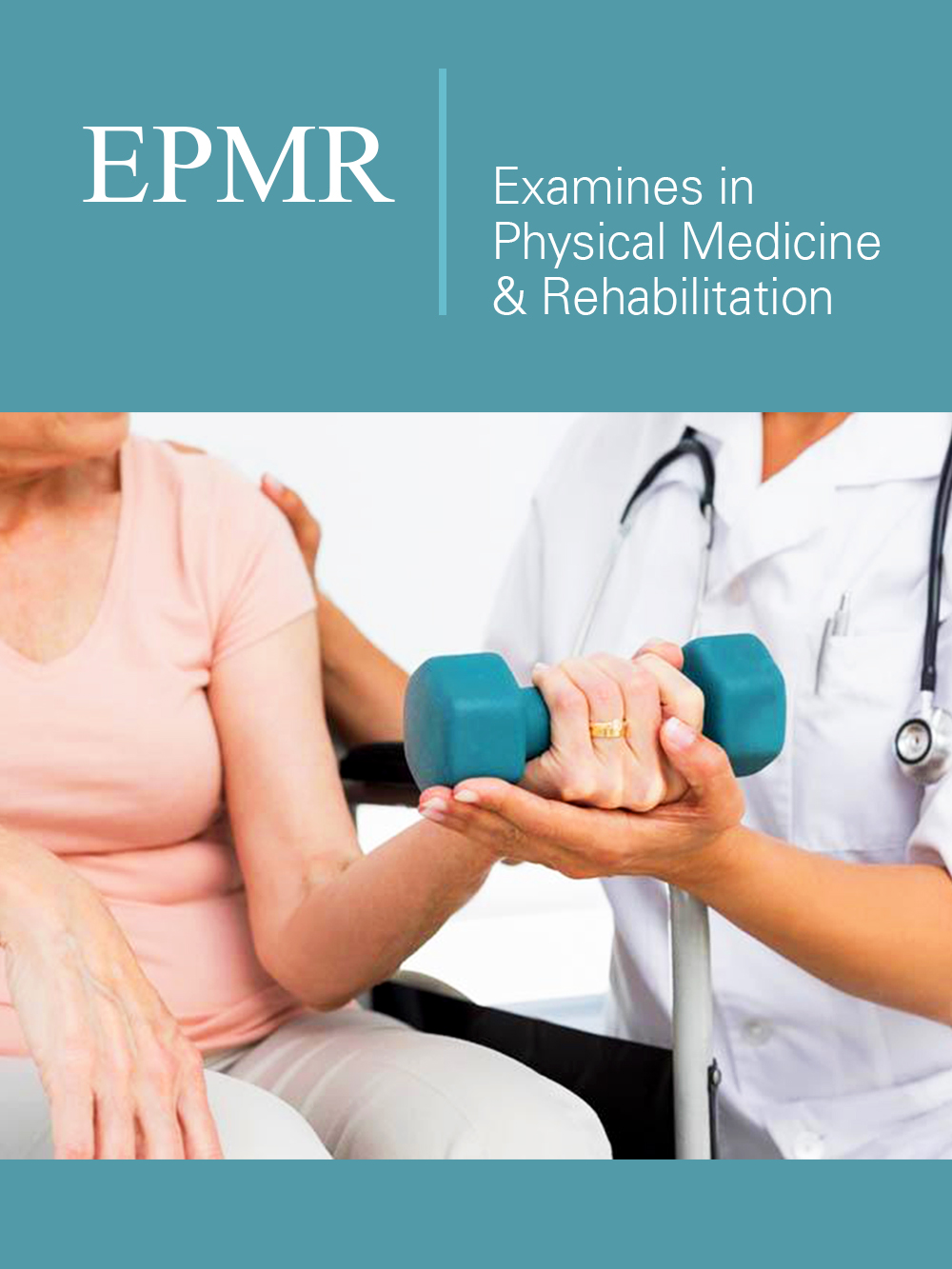
ISSN: 2637-7934Volume 5 Issue 4
Abstract
Background: Osteo Porosis (OP) is a metabolic bone disease characterized by decreased bone mass,
microstructural deterioration of bone tissue, and increased fracture risk. Given the global aging
population, osteoporosis has become a significant public health concern with substantial socioeconomic
ramifications. Physical exercise has emerged as a fundamental intervention for the prevention and
management of this condition.
Materials and methods: This comprehensive literature review synthesizes evidence from
epidemiological studies, clinical trials, and meta-analyses examining the role of physical exercise in
osteoporosis prevention and treatment. The literature was sourced from peer-reviewed publications
between 1994 and 2025 with an emphasis on high-quality evidence, including randomized controlled
trials and systematic reviews.
Result: Regular weight-bearing and resistance exercise has been shown to prevent approximately 2%
of annual bone loss in most populations and can increase bone mass by up to 40% in individuals who
exercise consistently from an early age. Exercise has been demonstrated to enhance muscle strength,
coordination, and balance, thereby reducing the risk of falls by 25-50% in elderly populations. Aerobic
exercise has been demonstrated to exert a positive influence on VO2max, body composition, and
cardiovascular parameters, while concurrently maintaining bone mineral density. The efficacy of exercise
interventions is maximized when they are initiated early in life and consistently maintained throughout
the lifespan.
Conclusion: Physical exercise constitutes a safe and cost-effective intervention for the prevention and
treatment of osteoporosis. Multimodal exercise programs that incorporate resistance training, weightbearing
activities, and balance exercises have been shown to yield optimal outcomes. Healthcare
providers should prioritize exercise prescription in conjunction with pharmacological interventions for
the comprehensive management of osteoporosis.
Keywords:Osteoporosis; Physical exercise; Bone mineral density; Fracture prevention; Weight-bearing exercise
Editor In Chief







.jpg)































Signup for Newsletter

Quick Links
 Editorial Board Registrations
 Submit your Article
 Best Paper of the Volume
 Reprints
 Refer a Friend
 Advertise With Us
Our Recent Edition

.jpg)



Top Editors




.jpg)

















.bmp)
.jpg)
.png)
.jpg)













.jpg)






.png)

.png)




.png)




Financial Support

Sponsors

Latest e-Books

Latest Video

 a Creative Commons Attribution 4.0 International License. Based on a work at www.crimsonpublishers.com.
Best viewed in
a Creative Commons Attribution 4.0 International License. Based on a work at www.crimsonpublishers.com.
Best viewed in 
 | Above IE 9.0 version