

- About Us
- Information
-

The Author ensures that the research has been conducted responsibly and ethically with adherence to all relevant regulations. read more..
- For Authors
- For Reviewer
- Manuscript Guidelines
- Membership
- Publication Ethics
-
- Journals
- Reprints
- e-Books
- Videos
- Policies
- Contact Us
 COVID-19
- Submissions



Full Text
Examines in Marine Biology & Oceanography
New Records of the Cuckoo Wrasse (Labrus mixtus Linnaeus, 1758) (Osteichthyes: Labridae) from the Palestinian Waters of the Gaza Strip, Southeastern Mediterranean
Abdel Fattah N Abd Rabou*
Department of Biology & Biotechnology, Islamic University of Gaza, Palestine
*Corresponding author: Abdel Fattah N Abd Rabou, Department of Biology & Biotechnology, Faculty of Science, Islamic University of Gaza, Gaza Strip, Palestine
Submission: August 11, 2026;Published: November 13, 2026

ISSN 2578-031X Volume 8 Issue 3
Abstract
The Cuckoo Wrasse (Labrus mixtus Linnaeus, 1758) is a temperate northeastern Atlantic and Mediterranean labrid that is well documented in the western and central Mediterranean but remains poorly documented in parts of the southeastern Mediterranean. This study consolidates previously documented records of the species from the Palestinian waters of the Gaza Strip and provides detailed documentation of the most recent photographic record. Information was compiled from local fishermen, fish sellers, divers, fish-market observations, photographs, and published ichthyological sources. Local informants reported encountering the species sporadically over several years, usually as single individuals in fishing nets, including bottom trawls and other net types. Divers also reported observing individuals of different apparent size or life stages around the concrete tetrapods protecting Gaza City’s fishermen’s harbor. On 28 July 2026, a single specimen was captured with a speargun in this habitat at an approximate depth of 3-5m and measured approximately 35cm in total length. Its external morphology and conspicuous coloration supported its identification as L. mixtus, while its sex was considered probable rather than confirmed because gonadal examination was not performed. The available evidence indicates recurrent but uncommon occurrence of the Cuckoo Wrasse in Gaza Strip waters. However, the study does not provide quantitative estimates of abundance, population size, seasonality, recruitment, or reproductive residency. Its principal contribution is the consolidation of scattered local observations with a recent, well-documented photographic record, providing a useful baseline for future standardized surveys and ichthyological monitoring in the southeastern Mediterranean.
Keywords:Cuckoo Wrasse; Labrus mixtus; Labridae; Occurrence records; Fish markets; Artisanal fisheries; Gaza strip; Palestine; Southeastern mediterranean
Introduction
The family Labridae, commonly known as wrasses, is a diverse and ecologically important group of marine bony fishes occurring mainly in tropical, subtropical, and temperate coastal waters. Its members inhabit rocky and coral reefs, algal beds, seagrass meadows, coralligenous formations, and other structurally complex benthic habitats. Mediterranean wrasses are represented by several genera, including Labrus, Symphodus, Coris, Thalassoma, Xyrichthys, Centrolabrus, and Lappanella. The abundance and diversity of wrasses may vary considerably according to depth, substrate type, coral or vegetation cover, and the structural complexity of coastal habitats [1,2]. Their distribution is influenced by temperature, depth, substrate, vegetation cover, habitat complexity, prey availability, and fishing pressure [3,4]. Wrasses perform multiple ecological roles as predators, prey, competitors, and, in some species, cleaners that remove ectoparasites and mucus from other fishes [5-7].
Labrids exhibit considerable variation in body form, dentition, coloration, feeding behavior, and reproductive strategy. Many species are protogynous hermaphrodites, maturing initially as females before some individuals change into males. Sex change may be accompanied by pronounced changes in body size, coloration, and behavior, sometimes causing different life stages of the same species to be misidentified. Although many Mediterranean wrasses have limited commercial value, they are frequently caught in artisanal, recreational, and subsistence fisheries and may occur as bycatch or discards. Their association with coastal habitats exposes them to fishing pressure, pollution, coastal development, and degradation of rocky reefs, coralligenous formations, and seagrass meadows [8-10].
Within this family, the Cuckoo Wrasse (Labrus mixtus Linnaeus, 1758) is a distinctively colored temperate species occurring in the northeastern Atlantic and Mediterranean Sea. It has an elongated body, thick lips, and a continuous dorsal fin and exhibits pronounced sexual dichromatism. Females and immature individuals are generally reddish, pinkish, or orange and bear conspicuous dark spots on the posterior dorsal region, whereas adult males display striking combinations of blue, green, yellow, and orange. The species is a protogynous hermaphrodite, with sex change reported at approximately 26cm in an eastern-central Adriatic population. It may reach approximately 35-40cm, although most individuals are smaller. Preferential removal of larger fishes may therefore reduce the number of functional males and alter the reproductive structure of local populations. Larger males are generally distinguished by their more conspicuous terminal coloration and greater body size, whereas females and smaller primary males may share similar coloration. Therefore, individuals identified as “probable adult males” based on external appearance should be considered provisional rather than definitive sex assignments [9].
The Cuckoo Wrasse (Labrus mixtus Linnaeus, 1758) inhabits rocky and coralligenous bottoms, algal habitats, and Posidonia oceanica meadows. Mesophotic coralligenous and biogenic habitats may provide structurally complex environments for diverse fish assemblages, although their availability and importance vary geographically [11]. It occurs from shallow coastal waters to depths approaching 200m but is often reported from approximately 15- 100m. Depth, size, age, and species identity can influence the distribution patterns of wrasses in coastal waters [2,12]. The species is generally solitary or occurs in pairs and is considered relatively sedentary and non-migratory, with mark–recapture evidence from the Norwegian west coast indicating predominantly local movements and limited horizontal displacement, although movement patterns and site fidelity may vary among wrasse species and habitats [2,13,14]. It is an opportunistic carnivore feeding primarily on crustaceans and gastropods, together with bivalves, polychaetes, echinoderms, and small fishes. A study of 197 specimens from the eastern-central Adriatic provided important information on its age, growth, reproduction, and feeding ecology and showed that its diet may vary with body size, prey availability, and habitat conditions [9].
The geographical distribution of the Cuckoo Wrasse (Labrus mixtus Linnaeus, 1758) extends through the temperate northeastern Atlantic, from Norway and the waters of Britain and Ireland southward to Senegal, including the Azores and Madeira [15-17]. Within the Mediterranean, it is better documented in the western and central basins and the Adriatic Sea, whereas information from parts of the southern and eastern Mediterranean remains limited. Two adult specimens, a male and a female, confirmed its occurrence in northern Tunisian waters, where it was considered locally rare [18]. Its genome sequence has recently been reported, providing a resource for future taxonomic, evolutionary, and conservation research [19].
The nomenclatural history of the Cuckoo Wrasse (Labrus mixtus Linnaeus, 1758) is relevant when reviewing older literature because the species was frequently reported under the former scientific name Labrus bimaculatus Linnaeus, 1758. Historical use of that name can complicate literature searches and create an erroneous impression of absence from areas in which the species was recorded under older nomenclature [9]. It was included under its former name in inventories of the eastern Levant and Mediterranean waters off Israel [20], while later regional checklists applied updated taxonomic treatments [21,22]. The species is therefore not new to the southeastern Mediterranean region.
The Gaza Strip has a Mediterranean coastline of approximately 40-42km and a relatively narrow continental shelf supporting artisanal fisheries of considerable nutritional and socioeconomic importance. Its waters contain native Mediterranean, Atlantic- Mediterranean, and non-indigenous fishes. Nevertheless, the marine ichthyofauna remains incompletely investigated because systematic surveys, long-term monitoring, reference collections, and specialized taxonomic studies are limited. Fisheries and research have also been constrained by Israeli restrictions on access to the sea, recurrent changes in the permitted fishing zone, military attacks, damage to vessels and coastal infrastructure, and shortages of equipment and financial resources, with the recent war causing additional pressures on Gaza Strip’s coastal and marine ecosystems [23-25]. Uncommon, seasonal, deep-water, or low-commercialvalue fishes may therefore remain poorly recorded or be grouped with similar species in fisheries statistics.
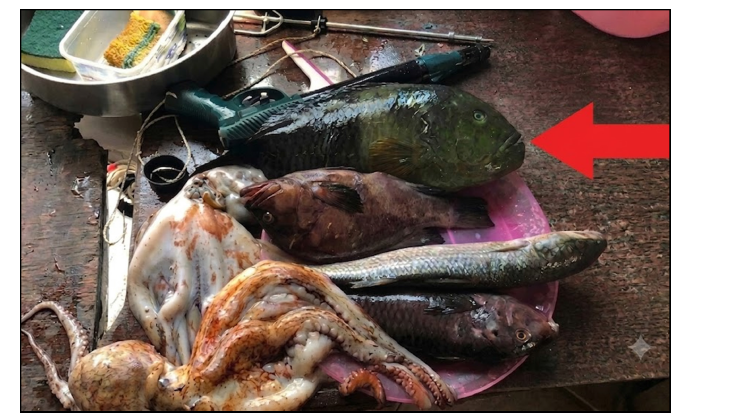
Several studies have contributed to knowledge of the marine fish fauna of the Gaza Strip. Abudaya et al. [23] reconstructed marine fisheries catch for 1950-2010 and revealed substantial underreporting, particularly in artisanal and subsistence fisheries. Other studies assessed heavy-metal concentrations in commercially important fishes [26,27], while Abu Amra [28] conducted a broader survey of marine bony fishes. Species-focused investigations documented the Silver-cheeked Toadfish (Lagocephalus sceleratus Gmelin, 1789) [29], Ocean Sunfish (Mola mola Linnaeus, 1758) [30], and Reef Stonefish (Synanceia verrucosa Bloch & Schneider, 1801) [31,32]. Six non-indigenous species previously unrecorded from the waters of the Gaza Strip were also reported, including the Broomtail Wrasse (Cheilinus lunulatus Forsskål, 1775), another member of the family Labridae (Figure 1), [33]. Specimens collected from the Gaza Strip additionally contributed to the first Mediterranean record of the West Atlantic Hardhead Sea Catfish (Ariopsis felis Linnaeus, 1766) [34]. Collectively, these studies demonstrate that fisheries catches, local markets, photographs, videos, and observations provided by fishermen and divers can yield valuable information on species occurrence and distribution. Reported observations were considered supportive evidence and, where possible, were corroborated by photographic documentation and direct examination of specimens.
Figure 1:The broomtail wrasse (Cheilinus lunulatus Forsskål, 1775), indicated by an arrow near its head, is a member of the family Labridae that has rarely been caught along the coast of the Gaza Strip [33].
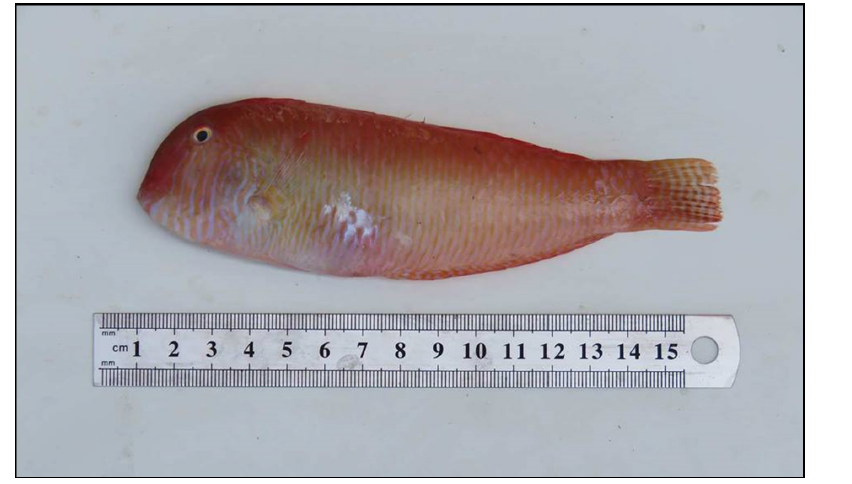
Among the wrasses occurring along the coast of the Gaza Strip, the Ornate Wrasse (Thalassoma pavo Linnaeus, 1758) has been encountered and caught on multiple occasions (Figure 2) and appears to be observed relatively more frequently than the Cuckoo Wrasse (Labrus mixtus Linnaeus, 1758) [28,35]. Nevertheless, the Ornate Wrasse remains an uncommon component of the local fish fauna and is generally represented by only limited numbers in fishermen’s catches and local markets. Abu Amra [28] also recorded the Pearly Razorfish or Cleaver Wrasse (Xyrichthys novacula Linnaeus, 1758), another member of the family Labridae, among the marine bony fishes occurring along the Mediterranean coast of the Gaza Strip. Locally, the species is known as “Faarah” (Figure 3). It is one of the most frequently caught species in this family, despite having no real commercial value.
Figure 2:The Ornate Wrasses (Thalassoma pavo Linnaeus, 1758), shown in the center, are members of the family Labridae that have been caught on multiple occasions along the coast of the Gaza Strip [35].
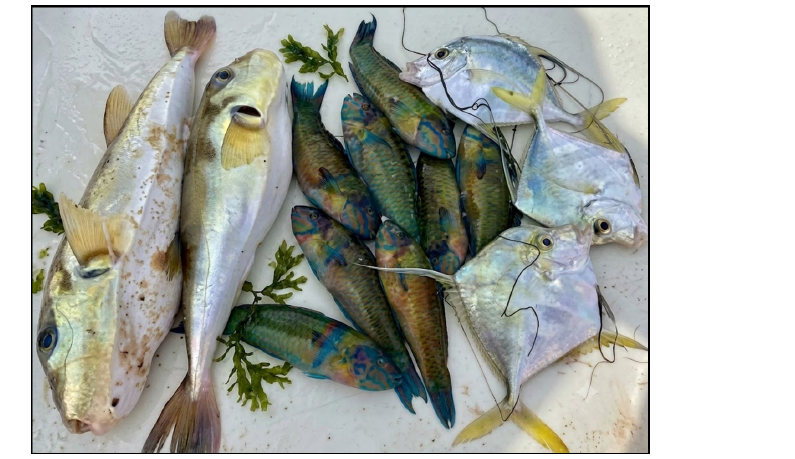
Figure 3:The Pearly Razorfish or Cleaver Wrasse (Xyrichthys novacula Linnaeus, 1758), a member of the family Labridae, has been recorded on multiple occasions along the coast of the Gaza Strip [28].
Local fishermen, fish sellers, and divers have known the Cuckoo Wrasse (Labrus mixtus Linnaeus, 1758) in the Gaza Strip waters for years and reported recognizing it readily. Fishermen and sellers described its occurrence as sporadic and very scarce, with individuals usually appearing singly as incidental catches in bottom trawls and other fishing nets. Some informants indicated that the species was encountered only occasionally in catches or local markets; however, these observations were based on personal recollection rather than systematic catch or market monitoring and should therefore be interpreted cautiously. Divers also reported seeing individuals of different life stages around the concrete tetrapods locally known as “Rijl al-Ghurab” that protect Gaza City’s fishermen’s harbor. Captured specimens have generally entered local fish markets and been sold for human consumption, so most were not retained, examined scientifically, photographed clearly, or preserved as vouchers. This pathway from capture to sale helps explain why recurring local occurrence has remained weakly represented in the formal scientific literature. The lack of archived specimens and standardized catch data also prevents reliable estimates of abundance, seasonality, sex ratio, and population structure.
The present study consolidates the available rare records of the Cuckoo Wrasse (Labrus mixtus Linnaeus, 1758) from the Palestinian waters of the Gaza Strip and documents the most recent specimen, photographed clearly in July 2026, in greater detail. It describes the circumstances of capture, the external characters supporting identification, and the apparent local status of the species. The study also places the Gaza Strip records within the wider Atlantic and Mediterranean distribution of the species and highlights the importance of routine market monitoring, collaboration with fishermen and divers, high-quality photography, and voucher preservation.
Methodology
Study area
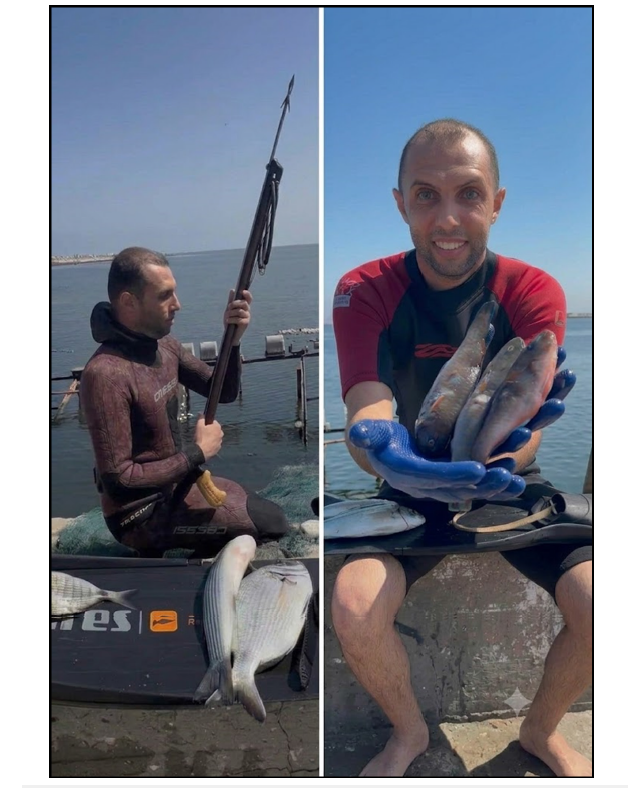
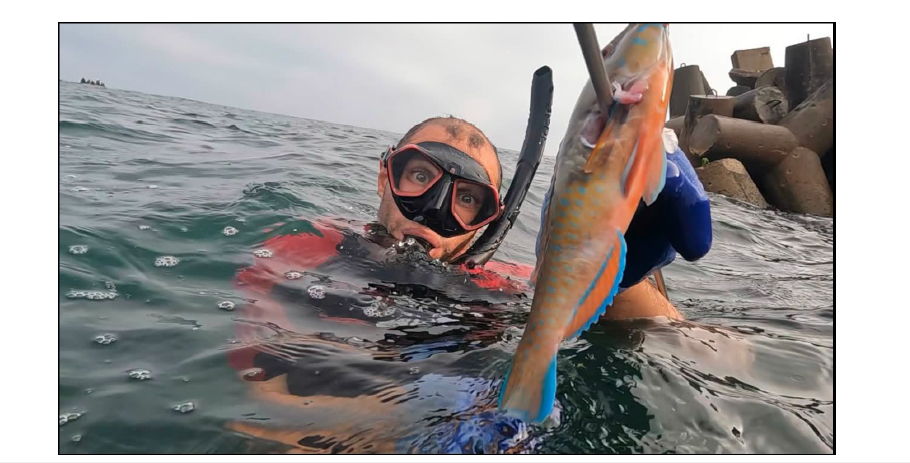
The study covered the Palestinian Mediterranean waters along the Gaza Strip, whose coastline extends for approximately 40-42km in the southeastern Mediterranean. The coast supports small-scale artisanal and subsistence fisheries using gillnets, trammel nets, purse seines, longlines, handlines, trawlers, and spearguns [24]. Gaza City’s fishermen’s harbor is protected partly by large concrete tetrapods that create crevices and hard-substrate microhabitats potentially suitable for rocky-bottom fishes. Rocky and structurally complex littoral habitats along the southeastern Mediterranean coast can support distinctive fish assemblages, including several native wrasse species (Figure 4) & [36]. Comprehensive surveys remain limited because of restrictions on access to the sea, recurrent military attacks, damage to fishing infrastructure, and shortages of research equipment [23,24].
Figure 4:Mr. Mohammed A. Muhaisen (42 years old), the second author of this paper and the diver who captured and provided information on the most recently documented Cuckoo Wrasse (Labrus mixtus Linnaeus, 1758), holding a speargun near the fishermen’s harbor in Gaza City. The record was supported by photographic documentation, direct examination of the spescimen, morphological measurements, and documentation of the capture location, depth, and fishing method.
Documentation of records
Information on the occurrence of the Cuckoo Wrasse (Labrus mixtus Linnaeus, 1758) was compiled from direct communications with local fishermen, fish sellers, and divers along the Gaza Strip coast; observations of fish catches and markets; available photographs; and published and unpublished ichthyological information. Informants were asked about their recognition of the species, the apparent frequency of captures, fishing gear, and habitats in which it had been caught or observed. These historical accounts were treated as local ecological knowledge and occurrence evidence rather than standardized abundance data. Earlier specimens had been sold for consumption, and detailed information on their dates, exact localities, depths, fishing methods, sizes, and sexes was not consistently retained. Body weight was not measured directly; based on visual field assessment, the specimen appeared to weigh approximately 0.5kg or slightly more. This value should therefore be considered a rough field estimate rather than a standardized measurement.
Particular attention was given to the most recent and clearest photographic record. A single specimen was caught by a diver using a speargun near the fishermen’s harbor in Gaza City on July 28, 2026, at an approximate depth of 3-5m. Detailed information was obtained regarding the capture location, water depth, fishing method, and surrounding habitat. The specimen was photographed and measured where possible and measured approximately 35cm in total length. Body weight was not measured directly and was therefore considered only a rough visual estimate of approximately 0.5kg or slightly more. The specimen was not retained as a voucher, and no fin clip or tissue sample was collected; photographic documentation and field measurements were retained as the primary evidence for the record.
Identification
Identification was based on overall body form, head and lip structure, continuous dorsal fin, scale pattern, coloration, and the position of characteristic markings. Particular attention was given to sexual dichromatism: females and immature individuals are generally reddish or orange with dark posterior dorsal spots, whereas adult males display conspicuous blue, green, yellow, and orange coloration. The observed characteristics were compared with published descriptions and illustrations, particularly Matić- Skoko et al. [9,17,18]. Regional inventories were consulted to distinguish the fish from other Mediterranean Labridae [20-22]. The former name Labrus bimaculatus was included in the literature review. Because the photographed specimen was not dissected, its sex was inferred cautiously from size and external coloration rather than confirmed by gonadal examination.
Literature review and analysis
Published articles, books, theses, fisheries reports, and regional fish checklists were reviewed using the accepted and former scientific names in combination with “Gaza Strip,” “Palestine,” “Eastern Mediterranean,” “Eastern Levant,” and “Labridae.” Particular attention was given to the principal studies on the marine fishes of the Gaza Strip cited earlier. The evidence was analyzed descriptively. Recurring historical catches were used to characterize the species as present but uncommon, while the 2026 specimen provided the strongest photographic basis for morphological identification. No catch-per-unit-effort, market-frequency, or population estimates were calculated because systematic records were unavailable. The findings were not interpreted as evidence of recent colonization, geographical range expansion, or a newly established population.
AI use statement
Artificial Intelligence (AI) tools were used solely to assist with language editing, grammar correction, and improving the clarity and readability of the manuscript. The authors reviewed and verified all AI-assisted content and take full responsibility for the accuracy and final version of the manuscript.
Study limitations
The study was conducted under conditions of ongoing Israeli war, restricted access to many affected locations, and limited availability of recent environmental monitoring data. Consequently, the assessment relied primarily on published scientific literature, institutional reports, documented observations, and available field evidence. Nevertheless, the integration of multiple independent information sources provided a comprehensive and scientifically robust assessment of the principal environmental impacts affecting the marine ecosystem of the Gaza Strip during the study period.
Result
Historical and market records
Information obtained from fishermen and fish sellers along the Gaza Strip coast indicated repeated encounters with the Cuckoo Wrasse (Labrus mixtus Linnaeus, 1758) over several years. Informants consistently described the species as locally uncommon and reported its occurrence mainly as a scarce incidental catch in fishing nets, including bottom trawls and other net types. Individuals were generally reported singly. These observations indicate recurrent local occurrence rather than a single exceptional record; however, the absence of systematic catch or market records prevents reliable estimation of capture frequency, seasonality, or population size. Earlier specimens were reportedly sold in local fish markets and consumed as food. Consequently, most were unavailable for subsequent taxonomic examination, and supporting information such as precise capture locations, depths, coordinates, measurements, weights, photographs, or preserved voucher specimens was generally unavailable.
Several divers also independently reported observing Cuckoo Wrasses of different apparent size or life stages around the large concrete tetrapods locally known as “Rijl al-Ghurab,” which protect Gaza City’s fishermen’s harbor. These observations suggest that the harbor area may be used by individuals of different size or age classes. However, in the absence of systematic underwater counts, photographic documentation, or repeated transect surveys, these observations cannot confirm local recruitment, population size, or a resident breeding population.
Most recent photographic record and identification
A total of one (n=1) specimen was directly documented in this study; therefore, no statistical analysis was performed. The specimen, captured near the fishermen’s harbor in Gaza City on 28 July 2026 at an approximate depth of 3-5m, measured approximately 35cm in total length. Its elongated, moderately robust body, thick lips, continuous dorsal fin, scale pattern, and distinctive combination of blue, green, yellow, and orange coloration were consistent with the diagnostic characteristics of the Cuckoo Wrasse (Labrus mixtus Linnaeus, 1758) (Figure 5). Its size and coloration were also consistent with the terminal male coloration described for the species. However, because sex was not confirmed by gonadal examination, the specimen is conservatively classified as a probable adult male. Clear photographic documentation provided the principal evidence supporting the species identification, while the specimen was not preserved as a voucher.
Figure 5:A single Cuckoo Wrasse (Labrus mixtus Linnaeus, 1758) specimen, provisionally classified as a probable adult male based on its size and external coloration, displaying distinctive orange and blue coloration. The specimen was captured with a speargun near the fishermen’s harbor in Gaza City on July 28, 2026, at an approximate depth of 3-5m.
Discussion
Because this study documents a single specimen (n=1) and is based primarily on occurrence records and photographic documentation, no statistical analysis or formal calculation of observation error was performed. The findings are therefore interpreted descriptively and should not be considered quantitative estimates of population size, abundance, or distribution. The available evidence indicates that the Cuckoo Wrasse (Labrus mixtus Linnaeus, 1758) has occurred repeatedly, although apparently infrequently, in the Palestinian waters of the Gaza Strip. Local fishermen, fish sellers, and divers reported encountering the species over several years, mainly as a scarce incidental catch and usually as single individuals. Similar discrepancies between actual catches and formal fisheries documentation have previously been recognized in the Gaza Strip, where artisanal, subsistence, and other fisheries catches may be incompletely reported [23,24]. These observations support recurrent local occurrence but do not provide a basis for estimating abundance or catch frequency.
The principal scientific contribution of the present study is not the claim of a first occurrence, but the consolidation of previously scattered local ecological knowledge with a recent, clearly documented photographic record. The July 2026 specimen provides contemporary evidence linking the species to a specific coastal location, shallow-water depth, fishing method, body size, and structurally complex harbor habitat. In addition, the study brings together historical market and fisheries information with observations from divers, thereby helping to bridge the gap between local ecological knowledge and formal ichthyological documentation in a data-poor coastal system. The scientific value of well-documented individual records has also been demonstrated by previous studies of uncommon and non-indigenous fishes from the Gaza Strip [31-34]. The present record therefore strengthens the available baseline for future surveys without being interpreted as evidence of population abundance or recent range expansion.
The uncommon documentation of the Cuckoo Wrasse in the Gaza Strip is consistent with its uneven representation across parts of the Mediterranean. The species is better documented in the western and central Mediterranean and the Adriatic Sea, whereas records from parts of the southern and eastern Mediterranean remain comparatively limited [9,18,20-22]. In northern Tunisia, for example, two adult specimens confirmed its occurrence, although the species was considered locally rare [18]. Its inclusion in eastern Levantine inventories under the former name Labrus bimaculatus Linnaeus, 1758 further confirms its presence within the wider regional ichthyofauna [20-22]. Consequently, the Gaza Strip records strengthen documentation of the species within its known regional range but should not be interpreted as evidence of recent colonization or climate-driven range expansion. Although seawater warming has influenced the distributions of some Mediterranean wrasses, the historical occurrence of L. mixtus in the eastern Mediterranean argues against interpreting the present Gaza record as evidence of a recent warming-related expansion [3,22].
Differences in the observed occurrence of Labridae in the Gaza Strip may reflect a combination of habitat availability, fishing-gear selectivity, commercial interest, and uneven observation rather than differences in population abundance alone [23,24,28,37]. The relatively frequent documentation of some local labrids, including Xyrichthys novacula and Thalassoma pavo, compared with the less frequent records of L. mixtus, may partly reflect differences in habitat use and susceptibility to local fishing methods [28,35]. Conversely, the occasional occurrence of non-indigenous species such as Cheilinus lunulatus demonstrates that the local Labridae assemblage includes species with contrasting occurrence histories [33]. These comparisons provide ecological context for the present record but should not be interpreted as quantitative comparisons of population abundance because standardized sampling effort was unavailable.
Several factors may explain the limited number of documented records of the Cuckoo Wrasse in the Gaza Strip. The species is associated mainly with rocky and coralligenous bottoms, algal habitats, and seagrass meadows, whereas much of the Gaza Strip coastline is sandy and structurally complex habitats are rarely surveyed systematically [9,17,18]. Its relatively localized movements and possible site association may also reduce the probability of detection during non-systematic surveys. Although movement patterns vary among wrasse species and habitats, available observations and mark-recapture evidence indicate that many wrasses exhibit strong site association and predominantly localized movement [2,13,14]. Fishing access, sampling depth, gear selectivity, and the limited commercial importance of wrasses may further influence their detection because fishing practices can affect the species, sizes, and sexes represented in catches [37]. Spatial and temporal variation in fishing effort may similarly affect wrasse catch rates and complicate interpretation of apparent rarity when standardized monitoring is unavailable [8,38,39]. Repeated disruptions to marine research, fishing activity, and fisheries infrastructure have further reduced opportunities for standardized observation in the Gaza Strip [24,25]. Systematic surveys of rocky habitats, harbor tetrapods, fisheries catches, and local fish markets are therefore needed to assess the diversity and distribution of Labridae in Gaza Strip waters more accurately. The preservation of representative specimens in zoological museums and research collections would also improve future taxonomic verification and documentation of local fish diversity [35,40].
The shallow depth of 3-5m reported for the 2026 specimen is less typical than the approximately 15-100m depth range in which the species is commonly encountered, but remains compatible with its broader habitat distribution [9,17,18]. The concrete tetrapods surrounding the fishermen’s harbor create an artificial hardsubstrate habitat with cavities, shaded surfaces, algal growth, and potential prey resources. Such structural complexity may provide localized shelter and feeding opportunities for wrasses and other coastal fishes, consistent with the recognized importance of rocky littoral habitats for native fish assemblages along the southeastern Mediterranean coast [36]. Habitat complexity and microhabitat variation can influence wrasse distribution and may allow different species or life stages to use the same general area in different ways [2,4]. Reports by several divers of Cuckoo Wrasses representing different apparent size or life stages around these tetrapods are consistent with repeated use of this habitat. However, because these observations were not systematically counted or supported by repeated photographic surveys, they cannot establish abundance, recruitment, or breeding residency. Targeted underwater visual censuses conducted across different seasons would be required to test these possibilities.
The approximately 35cm specimen was relatively large, and its vivid coloration was consistent with a probable adult male. This interpretation is biologically plausible because the Cuckoo Wrasse is protogynous, and sex change has been reported at approximately 26cm in an Adriatic population [9]. Nevertheless, external coloration and body size do not provide definitive evidence of sex because Mediterranean wrasses may exhibit substantial sexual, ontogenetic, and ecological variation in coloration [4]. Color intensity may also vary with age, behavior, reproductive condition, lighting, and photographic conditions. Gonadal examination would therefore have been required to confirm the sex of the photographed specimen. The absence of a preserved specimen also prevented detailed meristic, morphometric, gonadal, and genetic analyses.
The movement of captured specimens directly into local fish markets provides one explanation for the gap between local ecological knowledge and formal scientific documentation. Fishes intended for food are often sold rapidly, leaving limited opportunity for photography, direct measurement, tissue sampling, or museum deposition. Previous studies in the Gaza Strip have demonstrated the value of fisheries catches, markets, photographs, videos, and observations supplied by fishermen and other local informants for documenting uncommon, non-indigenous, or poorly known fishes [29,30-34]. For future records, uncommon specimens should ideally be photographed from standardized views beside a scale, measured and weighed directly, georeferenced, and accompanied by information on capture date, depth, fishing gear, habitat, and collector. When feasible and ethically permissible, a voucher specimen or tissue sample should be retained for morphological and molecular verification. The availability of a published reference genome for L. mixtus may further facilitate future molecular confirmation and population-level investigations [19].
The records also have fisheries and conservation relevance, although the present dataset is insufficient to quantify population-level effects. The removal of large individuals may disproportionately affect functional males in a protogynous species, potentially altering local sex structure where population density is low [8,9]. More broadly, the vulnerability of temperate coastal fishes to wrasse fisheries may differ according to their life-history characteristics, habitat use, and exposure to fishing gear [41,42]. The available Gaza Strip evidence is insufficient to assess the effects of fishing on the Cuckoo Wrasse, but its recurrent capture for food indicates that the species participates in local artisanal consumption. The Gaza Strip’s fisheries have historically been affected by underreporting, changing fishing capacity, restricted access, and limited standardized monitoring, making populationlevel interpretations particularly difficult [23,24]. Evidence-led monitoring is therefore important for inshore wrasse fisheries because limited biological and catch data can hinder proportionate and sustainable management [38]. Changes in the abundance of individual wrasse species may also have ecological implications because temperate wrasses occupy different trophic roles within coastal fish assemblages [43]. Sustainable monitoring of wrasses requires information on catch levels, population structure, habitat use, movement patterns, and fishing selectivity [37,39,41]. Future monitoring in the Gaza Strip should therefore record numbers, sizes, probable sexes, seasons, locations, depths, and fishing methods to determine whether the apparent rarity of the Cuckoo Wrasse reflects naturally low abundance, habitat limitation, fishing selectivity, or inadequate observation.
This study has several limitations. The number of historical captures could not be reconstructed precisely, and earlier records lacked photographs, measurements, dates, depths, and preserved specimens. The 2026 specimen was identified from photographic documentation and descriptive information rather than from a preserved voucher, comprehensive meristic counts, gonadal examination, or genetic analysis. Although photographs can provide useful evidence of species occurrence, they may not reveal small external characters, internal structures, sex, reproductive condition, or other features available from preserved specimens [44]. Body weight was not measured directly and was therefore treated only as a rough field estimate. In addition, observations obtained from fishermen, fish sellers, and divers were not collected through a standardized interview or catchmonitoring program and may therefore have been affected by recall error, variation in identification ability, and uneven fishing effort. Although the ecological knowledge of fishermen can provide valuable information in data-poor situations, estimates based on retrospective interviews must be interpreted cautiously because the length of the recall period can influence reported catch rates and fishing effort [45]. These limitations are particularly important in studies of uncommon fishes because the absence of standardized sampling, preserved vouchers, and effort-adjusted catch data restricts conclusions concerning abundance and temporal change. Fisheries-dependent observations are also not necessarily collected randomly across habitats, depths, seasons, or fishing grounds, and such spatial sampling patterns can bias catch-per-unit-effort indices and inferred abundance trends. The present study consequently documents the repeated but uncommon occurrence of the Cuckoo Wrasse in Gaza Strip waters and provides a contemporary, welldocumented photographic record, but it cannot quantitatively evaluate population size, reproductive residency, temporal trends, or habitat preferences.
Conclusion
The available evidence confirms the occurrence of the Cuckoo Wrasse (Labrus mixtus Linnaeus, 1758) in the Palestinian waters of the Gaza Strip and indicates that the species has been encountered locally on multiple occasions, although apparently infrequently. The specimen documented on 28 July 2026 provides the clearest recent photographic record, measuring approximately 35cm in total length and captured at an approximate depth of 3-5m near the fishermen’s harbor in Gaza City. Its morphology and coloration support its identification, while its sex is considered only probable because gonadal examination was not performed. The findings establish recurrent local occurrence but do not provide quantitative evidence of abundance, population size, recruitment, breeding residency, or temporal trends. The main contribution of this study is therefore to consolidate previously scattered local observations with a recent, well-documented record, providing a baseline for future standardized underwater surveys, fisheries and market monitoring, and voucher or tissue preservation where feasible.
References
- Alwany M (2008) Distribution, abundance and diversity of wrasses (Family: Labridae) along Sharm El-Sheikh coast, Red Sea. Catrina: The International Journal of Environmental Sciences 3(2): 75-82.
- Skiftesvik AB, Durif CM, Bjelland RM, Browman HI (2015) Distribution and habitat preferences of five species of wrasse (Family Labridae) in a Norwegian fjord. ICES Journal of Marine Science 72(3): 890-899.
- Milazzo M, Quattrocchi, Azzurro F, Palmeri EA, Chemello R, et al. (2016) Warming-related shifts in the distribution of two competing coastal wrasses. Marine Environmental Research 120: 55-67.
- Fark SN, Gerber S, Alonzo SH, Kindsvater HK, Meier JI, et al. (2022) Multispecies colour polymorphisms associated with contrasting microhabitats in two Mediterranean wrasse radiations. Journal of Evolutionary Biology 35(4): 633-647.
- Arnal C, Morand S (2001) Importance of ectoparasites and mucus in cleaning interactions in the Mediterranean cleaner wrasse Symphodus melanocercus. Marine Biology 138(4): 777-784.
- Zander CD, Sotje I (2002) Seasonal and geographical differences in cleaner fish activity in the mediterranean sea. Helgoland Marine Research 55(4): 232-241.
- González-García R, Otero J (2014) Cleaning behavior of rock cook, centrolabrus exoletus (Labridae), in Tarifa (Gibraltar Strait area). Marine Biodiversity Records 7 e102.s
- Darwall WRT, Costello MJ, Donnelly R, Lysaght S (1992) Implications of life‐history strategies for a new wrasse fishery. Journal of Fish Biology 41(Suppl B): 111-123.
- Matić-Skoko S, Bojanić, Varezić D, Šiljić J, Tutman P, et al. (2013) The cuckoo wrasse, labrus mixtus (Pisces: Labridae): Biological indices for life history and conservation. Scientia Marina 77(4): 595-605.
- Burns NM, Hopkins CR, Bailey DM (2025) Assessing the implications of wrasse fishing for marine sites and features. NatureScot Research Report 1207.
- Chimienti G, De Padova D, Mossa M, Mastrototaro F (2020) A mesophotic black coral forest in the Adriatic Sea. Scientific Reports 10(1): 8504.
- Treasurer JW (1994) The distribution, age and growth of wrasse (Labridae) in inshore waters of West Scotland. Journal of Fish Biology 44(5): 905-918.
- Aasen NL (2019) The movement of five wrasse species (Labridae) on the Norwegian West Coast. Master’s thesis, University of Oslo. UiO DUO Research Archive.
- Costello MJ, Darwall WR, Lysaght S (1995) Activity patterns of North European wrasse (Pisces, Labridae). Biology and Ecology of Shallow Coastal Waters: Proceedings of the 28th European Marine Biology Symposium. Olsen & Olsen, 28: 343
- Porteiro FM, Barreiros JP, Santos RS (1996) Wrasses (Teleostei: Labridae) of the Azores. Arquipélago: Ciências Biológicas e Marinhas 14: 23-40.
- Quigley DT (2009) Wrasse (Labridae) in Irish and North-Eastern Atlantic Waters. Sherkin Comment 47(7): 12-13.
- Baldock L, Dipper F (2023) Inshore fishes of Britain and Ireland. Princeton University Press, USA. p. 288.
- Rafrafi-Nouira S, Boumaïza M, Reynaud C, Capapé C (2012) Confirmed occurrence of cuckoo wrasse labrus mixtus (Osteichthyes: Labridae) in Tunisian waters (Central Mediterranean). Annales: Series Historia Naturalis 22(2): 115-120.
- Heaton B, Brittain R, Adkins P, Scott-Somme K, Harley J (2024) Marine biological association genome acquisition lab & darwin tree of life consortium. The genome sequence of the Cuckoo wrasse, Labrus mixtus Linnaeus Wellcome Open Research 9: 549.
- Golani D (1996) The marine ichthyofauna of the eastern levant-history, inventory, and characterization. Israel Journal of Zoology 42(1): 15-55.
- Golani D (2005) Checklist of the mediterranean fishes of Israel. Zootaxa 947(1): 1-90.
- Golani D (2021) An updated checklist of the mediterranean fishes of Israel, with illustrations of recently recorded species and delineation of Lessepsian migrants. Zootaxa 4956(1): 1-108.
- Abudaya M, Harper S, Ulman A, Zeller D (2013) Correcting mis-and under-reported marine fisheries catches for the Gaza Strip: 1950-2010. Acta Adriatica 54(2): 241-252.
- Hussein DM, Lucchetti MC, Zaqoot HA, Penca J, Hussein MA (2022) Status of fisheries in Gaza strip: Past trends and challenges. International Journal of Euro-Mediterranean Studies 15(2): 45-68.
- Abdullah NA, Hdaifeh A, Babaadoune K, Jebreen A, Awad N, et al. (2025) Marine ecosystems in peril: The impact of the recent war on Gaza’s coastal and marine life. In war on Gaza: Consequences on sustainability and global security. Cham: Springer Nature, Switzerland, pp. 189-202.
- Elnabris KJ, Muzyed SK, El-Ashgar NM (2013) Heavy metal concentrations in some commercially important fishes and their contribution to heavy metals exposure in Palestinian people of Gaza Strip (Palestine). Journal of the Association of Arab universities for Basic and Applied Sciences 13(1): 44-51.
- Zaqoot HA, Aish AM, Wafi HN (2017) Baseline concentration of heavy metals in fish collected from Gaza fishing harbor in the Mediterranean Sea along Gaza Coast, Palestine. Turkish Journal of Fisheries and Aquatic Sciences 17(1): 101-109.
- Abu Amra H E (2018) A survey of marine bony fishes of the Gaza Strip, Palestine. Department of Biology, Faculty of Science, Islamic University of Gaza Palestine. p. 110.
- Abd Rabou AN (2019) On the occurrence and health risks of the silver-cheeked toadfish (Lagocephalus sceleratus Gmelin, 1789) in the marine ecosystem of the Gaza Strip, Palestine. Biodiversitas: Journal of Biological Diversity 20(9): 2618-2625.
- Abd Rabou AN, Al Agha MR, Abd Rabou MA, Abualtayef MT, Elnabris KJ, et al. (2020) On the ocean Sunfishes (Mola mola, Linnaeus 1758) by-caught off the mediterranean coast of the Gaza Strip, Palestine. Biomedical Journal of Scientific and Technical Research 29(4): 22624-22631.
- Abd Rabou AN, Elkahlout KE, Elnabris KJ, Shurrab HM, Almalfouh AM, et al. (2023) Rare records of the exotic Reef Stonefish (Synanceia verrucosa Bloch and Schneider, 1801) in the mediterranean waters of the Gaza strip, Palestine. International Journal of Fauna and Biological Studies 10(3): 24-28.
- Bariche M, Sayar NP, Balistreri P (2019) Records of two non-indigenous fish species Synanceia verrucosa Bloch and Schneider, 1801 and Acanthurus sohal (Forsskål, 1775) from the Gaza Strip (Eastern Mediterranean Sea). BioInvasions Records 8(3): 699-706.
- Abd Rabou AN, Salah JY, Abutair MA, Mabruk AI (2024) Occurrence of Cheilinus lunulatus (Labridae), Triacanthus cf. biaculeatus (Triacanthidae) and other four non-indigenous fish species new to the Gaza strip waters, Palestine. Annales: Series Historia Naturalis 34(1): 125-134.
- Salah JY, Abutair MA, Mabruk AlS, Zava B, Corsini-Foka M, et al. (2024) First record of the West Atlantic Ariopsis felis (Linnaeus, 1766) (Actinopterygii: Siluriformes: Ariidae) in the Mediterranean Sea. Mediterranean Marine Science 25(2): 263-271.
- Abd Rabou AN, El-Kichaoui AY, El-Bashiti TA, Abdel Aziz II, Elnabris KJ, et al. (2025) On the mummified marine and terrestrial vertebrate fauna adorning the Biology Department Museum at the Islamic University of Gaza, Gaza Strip, Palestine, before the Israeli war on October 7, 2023. Open Journal of Ecology (OJE) 15(9): 528-568.
- Golani D, Reef-Motro R, Ekshtein S, Baranes A, Diamant A (2007) Ichthyofauna of the rocky coastal littoral of the Israeli Mediterranean, with reference to the paucity of Red Sea (Lessepsian) migrants in this habitat. Marine Biology Research 3(5): 333-341.
- Halvorsen KT, Sørdalen TK, Larsen T, Browman HI, Rafoss T (2020) Mind the depth: The vertical dimension of a small-scale coastal fishery shapes selection on species, size, and sex in wrasses. Marine and Coastal Fisheries 12(6): 404-422.
- Henly L (2023) Evidence-led approaches to underpin proportionate and sustainable management of inshore fisheries: A case study of the live wrasse fishery. Open Research Exeter.
- Tallaksen Halvorsen K, Skiftesvik AB, Durif CM, Faust E, Wennhage H, et al. (2021) Towards a sustainable fishery and use of cleaner fish in salmonid aquaculture (Nordic Council of Ministers Report, TemaNord p. 545.
- Abd Rabou AN (2020) The Palestinian marine and terrestrial vertebrate fauna preserved at the Biology Exhibition, Islamic University of Gaza, bombarded by the Israeli Army in December, 2008. Israa University Journal of Applied Science (IUGAS) 4(1): 9-51.
- Pritchard CJ, Salama NK, Berrill I, Martin SA, Marshall CT (2025) Investigating the relative vulnerability of a temperate coastal fish community to a live wrasse pot fishery. Fisheries Research 284: 107327.
- Henly L, Stewart JE, Newton J, Trueman C (2024) Low trophic redundancy among temperate wrasse species implies ecosystem risks associated with a multi-species inshore fishery. Marine Ecology Progress Series 734: 105-121.
- Clemann N, Rowe KMC, Rowe KC, Raadik T, Gomon M, et al. (2014) Value and impacts of collecting vertebrate voucher specimens, with guidelines for ethical collection. Memoirs of Museum Victoria 72: 141-151.
- Aylesworth L, Kuo TC (2018) Reporting time period matters: Quantifying catch rates and exploring recall bias from fisher interviews in Thailand. Canadian Journal of Fisheries and Aquatic Sciences 75(12): 2114-2122.
- Pita P, Antelo M, Hyder K, Vingada J, Villasante S (2020) The use of recreational fishers’ ecological knowledge to assess the conservation status of marine ecosystems. Frontiers in Marine Science 7: 242.
© 2026 Abdel Fattah N Abd Rabou. This is an open access article distributed under the terms of the Creative Commons Attribution License , which permits unrestricted use, distribution, and build upon your work non-commercially.
Editor In Chief







.jpg)































Signup for Newsletter

Quick Links
 Editorial Board Registrations
 Submit your Article
 Best Paper of the Volume
 Reprints
 Refer a Friend
 Advertise With Us
Our Recent Edition





Top Editors




.jpg)

















.bmp)
.jpg)
.png)
.jpg)













.jpg)






.png)

.png)




.png)




Financial Support

Sponsors

Latest e-Books

Latest Video

 a Creative Commons Attribution 4.0 International License. Based on a work at www.crimsonpublishers.com.
Best viewed in

 | Above IE 9.0 version