

- About Us
- Information
-

The Author ensures that the research has been conducted responsibly and ethically with adherence to all relevant regulations. read more..
- For Authors
- For Reviewer
- Manuscript Guidelines
- Membership
- Publication Ethics
-
- Journals
- Reprints
- e-Books
- Videos
- Policies
- Contact Us
 COVID-19
- Submissions



Full Text
Environmental Analysis & Ecology Studies
Polycentric Hybrids in the Finance-Access-Resilience Nexus: Bridging Sahel Smallholder Gaps
Abel Tsolocto1*, Mamadou Yakoubu2, Gratien Mavie Tchiadeu3 and Buji Nongsi Kindness4
1National University of Vanuatu, Vanuatu
2Obafemi Awolowo University Ile-Ife, Nigeria
3University of Douala, Cameroon
4University of Yaoundé I, Cameroon
*Corresponding author:Abel Tsolocto, National University of Vanuatu, Vanuatu
Submission: June 16, 2026; Published: August 11, 2026

ISSN 2578-0336 Volume13 Issue 5
Abstract
Global climate finance commitments under the United Nations Framework Convention on Climate Change (UNFCCC) now exceed US$100 billion per year, yet less than one percent reaches smallholder farmers in the Sahel. This is a major imbalance because these farmers steward roughly 60 percent of Africa’s farmland and produce about 80 percent of its food. The adaptation gap for agrifood systems has been estimated at US$170-366 billion, and pressure on these systems is increasing as the region warms toward the +2 °C threshold projected in the IPCC Sixth Assessment Report. This study examines why finance so often fails to reach smallholders and whether locally rooted alternatives may help narrow the gap.
We develop and test a finance-access-resilience nexus, expressed as R=α(F×A) +βB+εR = \alpha (F \times A) + \beta B + \varepsilonR=α(F×A) +βB+ε, in which institutional access (AAA) conditions whether finance (FFF) can support resilience (RRR), while bottom-up practices (BBB) make a direct contribution. We examine this framework in Tokombéré commune, Cameroon, using a sequential explanatory mixed-methods design combining 225 household surveys, 20 key-informant interviews, satellite-based land-cover analysis, and 15 public finance and adaptation-plan documents.
The results show that access to top-down finance was low (index =0.18) and substantially below access through community channels (index=0.62; t=5.2, p<0.001). Hybrid arrangements combining local endorsement with modest blended finance were associated with resilience gains of about 21 percent. Flow analysis suggests that roughly 92 percent of national adaptation finance dissipated before reaching farms, with the environment ministry emerging as the main bottleneck, while community organisations retained a much larger share of the resources they handled. Institutional barriers technical, political, and commercial statistically accounted for 38 to 42 percent of the observed association between finance and resilience, and they were more severe for women and the smallest farms. Because the design is cross-sectional, these findings are interpreted as associations rather than causal effects. They suggest that widening institutional access, rather than increasing pledges alone, may be a more promising lever for Sahelian smallholder resilience and warrants longitudinal and experimental testing.
Keywords:Climate finance; Smallholder resilience; Sahel; Polycentric governance; Access barriers; Agroecology; Farmer-managed natural regeneration; Mixed methods; Cameroon
Introduction
Every year, governments and funds pledge more than US$100 billion in climate finance under the UNFCCC, yet very little reaches the people who need it most. In the Sahel, smallholder farmers receive less than one percent of these flows, despite managing around 60 percent of Africa’s farmland and producing roughly 80 percent of its food [1,2]. This gap sits within a much larger adaptation deficit for agrifood systems, estimated at US$170-366 billion, and it is likely to widen as the IPCC [3] projects warming toward +2 °C and rainfall declines of about 15 percent across the region.
Every year, governments and funds pledge more than US$100 billion in climate finance under the UNFCCC, yet very little reaches the people who need it most. In the Sahel, smallholder farmers receive less than one percent of these flows, despite managing around 60 percent of Africa’s farmland and producing roughly 80 percent of its food [1,2]. This gap sits within a much larger adaptation deficit for agrifood systems, estimated at US$170-366 billion, and it is likely to widen as the IPCC [3] projects warming toward +2 °C and rainfall declines of about 15 percent across the region.
Cameroon’s Far North illustrates this pattern sharply. The region has warmed by about 1.5 °C since 1960, floods displace tens of thousands of people each year, and conflict has further intensified environmental stress [7]. Although the national adaptation plan, known by its French acronym PNACC (Plan National d’Adaptation au Changement Climatique), channels more than US$100 million through the environment ministry, MINEPDED (Ministère de l’Environnement, de la Protection de la Nature et du Développement Durable), co-financing requirements and slow accreditation appear to limit how much of this finance reaches rural producers [8]. This raises a broader question about whether climate finance can improve resilience when institutional access is weak.
At the same time, a different adaptation pathway has emerged at farm level. Practices such as Farmer-Managed Natural Regeneration (FMNR) and Zai planting pits have restored millions of hectares in Niger and Burkina Faso and raised yields substantially, largely through producer organisations and social learning rather than formal climate finance [9,10]. This contrast suggests that resilience may depend not only on the volume of finance available, but also on whether farmers can actually access it and whether local practices can complement or partially substitute for blocked formal flows.
This study addresses a gap in both policy and scholarship. Climate finance research has focused heavily on top-down instruments, while giving less attention to how access constraints shape who benefits, and to how bottom-up practices may interact with formal financing channels [11]. We therefore propose and test a finance-access-resilience nexus, expressed as R=α(F×A) +βB+εR = \alpha (F\times A) + \beta B+ \varepsilon R=α(F×A) +βB+ε, in which access acts as a gate through which finance must pass before it can support resilience. This formulation does not assume that finance alone produces resilience; instead, it treats institutional access as the condition that determines whether finance can be translated into practical gains.
We examine this framework in Tokombéré commune, in Cameroon’s Far North, using the mixed-methods design described in Section 3. Our objectives are threefold: to estimate how institutional barriers are associated with the finance-resilience relationship, to assess whether hybrid arrangements linking community organisations and municipal actors show promise, and to examine how gender and terrain shape these outcomes. Because the study is cross-sectional and observational, we present these relationships as associations rather than causal proof. The paper proceeds as follows. Section 2 reviews the relevant literature and develops the conceptual framework. Section 3 describes the study area and methods. Section 4 presents the results. Section 5 discusses their meaning, limits, and implications. Section 6 concludes with recommendations that remain grounded in what the evidence can support.
Literature Review and Conceptual Framework
This section situates our study within four connected strands of scholarship: Sahelian vulnerability, the limits of top-down finance, the promise of bottom-up practice, and the conceptual tools of polycentric governance. It then clarifies what this paper adds. Throughout, we distinguish between what is well established, what remains debated, and what is still untested, because that distinction is central to our contribution.
Vulnerability in Sahelian smallholder systems
Sahelian smallholders face compounding climatic and livelihood pressures. Recurrent droughts and floods, combined with warming that is running well above the global average, steadily undermine rainfed farming systems that depend on short and highly variable rainy seasons [4,12]. Rainfall typically falls between 450 and 850 millimetres over only three or four months, and this concentration of rainfall contributes to millet and sorghum losses of 10 to 20 percent, chronic soil degradation, and persistent food insecurity [3].
Cameroon’s Far North illustrates these dynamics clearly. The region has warmed by about 1.5 °C since 1960, and floods displace tens of thousands of people in some years [5]. What is less often examined, but is crucial for this study, is how vulnerability is socially differentiated. Women manage a large share of farming households and post-harvest processing, yet they often face the strongest constraints on land, credit, and training, which makes adaptation more difficult and more costly for them [6,13]. This gendered burden is well documented in the broader climate literature, but much less is known about how it shapes access to climate finance itself.
The limits of top-down finance
Climate finance mechanisms such as the Green Climate Fund and national adaptation plans were designed to deliver resources at scale and with institutional coherence. In practice, however, they often reach rural smallholders only weakly, if at all. Existing estimates suggest that less than three percent of climate finance reaches rural producers, constrained by elite capture, lengthy accreditation processes, and rigid procedural requirements (GCF, 2023) [14]. Although Africa receives around ten percent of GCF approvals, only a small fraction of that supports rural adaptation, while much larger shares go to urban mitigation or infrastructureoriented interventions [15].
The Cameroonian case makes this problem concrete. PNACC channels more than US$100 million through MINEPDED, yet public-investment execution directs most of these resources to urban infrastructure in Yaoundé and Douala, with agricultural disbursement remaining very low. Across the literature, three categories of barriers recur: technical barriers, such as complex and often English-only application processes; political barriers, including centralized approval systems that create opportunities for rent-seeking; and commercial barriers, especially co-financing and guarantee requirements that exclude liquidity-poor organisations [11,16,17]. Taken together, these barriers produce what critics describe as leaky pipes. What remains underexplored is not whether leakage exists, but how much it conditions the financeresilience relationship in a specific local setting.
The promise of bottom-up practice
If top-down finance is often constrained, bottom-up adaptation practices show a different and more encouraging pattern. Farmermanaged natural regeneration, which was pioneered in Niger, has restored millions of hectares across the Sahel by protecting and pruning native rootstocks. Studies report substantial gains in tree cover, biomass, and millet yields, and these improvements have often been achieved at low cost and with limited formal finance [9,18]. Zai pits offer a similar example in North Cameroon, where they help concentrate water and organic matter and have been associated with yield improvements even under reduced rainfall [10].
Producer organisations are central to this process. They mobilise seed and produce sales, circulate technical knowledge, and pool labour, which helps sustain adoption outside formal project channels [19,20]. At the same time, the reach of these practices remains limited when they are not connected to larger financing systems, and adoption is still concentrated in a minority of farms [21,22]. The literature therefore points to a clear tension: these practices are locally adaptive and effective, but they often remain too small in scale. That tension motivates our interest in whether they can be linked more effectively to formal finance.
Polycentric governance and the study’s contribution
To connect these strands, we draw on polycentric governance and transformative resilience. Ostrom’s [23] work on polycentric governance emphasizes that nested and overlapping decisionmaking centres can perform better than single hierarchies, especially when proximity supports experimentation, accountability, and trust. Folke et al. [24] work on transformative resilience adds that social-ecological systems do not merely absorb shocks; they can also reorganize themselves in more adaptive ways. Although these ideas are well established, they have mainly been applied to common-pool resources and ecological regime change rather than to the delivery of climate finance.
Our contribution is to apply these ideas to finance access and to make them empirically testable. We treat institutional access as a measurable mechanism linking finance to resilience, rather than as a background condition that can simply be assumed. We also ask whether locally embedded practice can partially substitute for formal flows that fail to arrive at the farm level. In this sense, the study’s novelty is not only conceptual but also empirical: it shifts the question from how much finance is pledged to how much farmers can actually reach, and what that means for resilience.
The finance-access-resilience nexus
We formalize this argument as a finance-access-resilience nexus:

Here, RRR is resilience, measured by the composite index described in Section 3; FFF is the volume of climate finance nominally available to a community; AAA is institutional access, scored from 0 to 1 based on survey items; and BBB captures bottom-up practices such as FMNR and Zai adoption. The interaction term F×AF \ times AF×A is central to the framework because it reflects the idea that finance and access are complements rather than substitutes. In other words, finance with very low access contributes little to resilience, while access without finance may still support resilience through local practices.
This formulation does not assume that finance alone produces resilience. Instead, it proposes that finance becomes effective only when institutions allow farmers to reach and use it. We estimate the model using standardized variables and OLS, and we report the mediated share of the finance-resilience relationship explicitly. The operationalization of each variable, the access items, the practice measures, and the PCA-based resilience index are described in Section 3, and the estimation code is deposited in the study repository.
Study Area and Methods
We operationalise the finance-access-resilience nexus in Tokombéré commune using a sequential explanatory mixedmethods design in which quantitative work leads and qualitative work explains. The design unfolds in three connected phases: first, we estimate the relationships among finance, access, and bottomup practice through surveys and regression; second, we use interviews to make sense of the patterns and the outliers; and third, we integrate the two strands through joint displays to see where they converge and where they do not [25]. Four data sources, which are 225 household surveys, 20 semi-structured interviews, satellite land-cover analysis, and 15 public finance and adaptation-plan documents, let us test our two hypotheses while cross-checking each source against the others.
The study received ethical clearance from the Pan-African Institute Institutional Review Board (reference PAIRE-2021-045). All participants gave informed consent, in French, either in writing or verbally where literacy was a barrier. We anonymised and encrypted all records, and offered no financial incentives, so as not to distort responses. The full analysis protocol, including R and SPSS syntax, was preregistered on the Open Science Framework, and the data-availability statement at the end of the paper specifies exactly what is deposited and how it can be accessed.
Study area
Tokombéré commune (9°15′N, 14°25′E) lies about 50 kilometres northeast of Maroua in Cameroon’s Far North Region and covers roughly 1,200 square kilometres. Its terrain varies in ways that are analytically useful for this study: flood-prone alluvial plains account for about 60 percent of the area, erosionprone piedmonts for a further 25 percent, and inselberg highlands rising to 1,100 metres for the remaining 15 percent. The commune borders Mora to the north, Méri to the south, Soulod-Roua to the west, and Maroua II to the east.
The climate is Sahelo-Sudanian and marked by highly erratic rainfall. About 450 to 850 millimetres fall over only three or four months, followed by eight or nine dry months during which temperatures often exceed 35 to 40 °C. These conditions intensify topsoil loss, and erosion affects an estimated 20 to 30 percent of arable land. Yields have therefore declined under the roughly 1.5 °C of warming recorded since 1960 [3,5] (Figure 1).
Figure 1:Geographic and hydrological overview of Tokombéré commune, Mayo-Sava Division, Far North Cameroon. The map shows the seven surveyed villages within the commune’s plains, piedmont, and mountain terrain, with major and secondary watercourses, road networks, and division boundaries; insets locate Tokombéré within the Far North Region relative to Maroua.
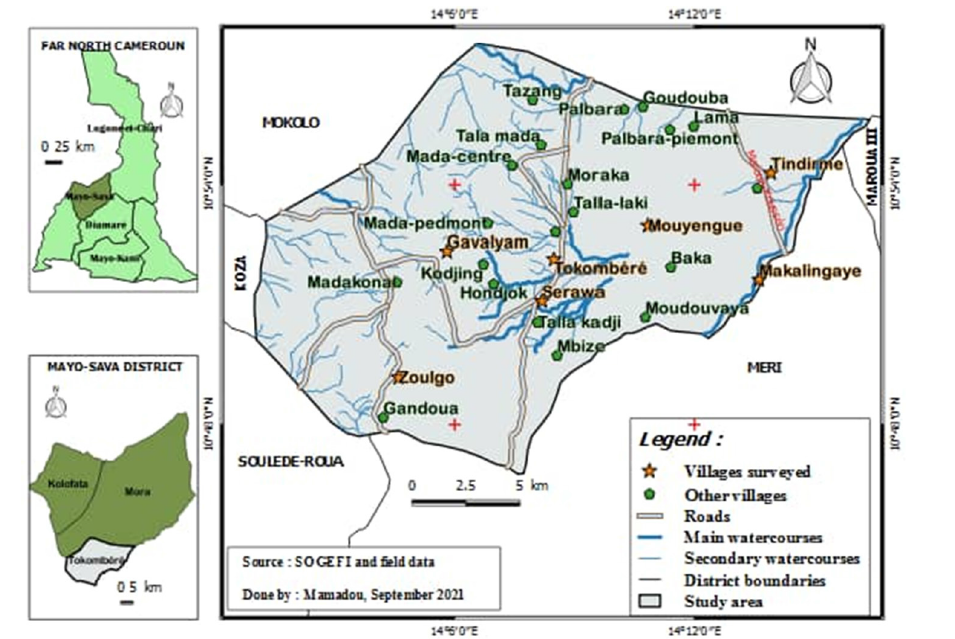
The 2021 census recorded 91,256 residents, just under 52 percent of them women, with a median age of about 18, distributed across 35 villages of traditional mud-and-straw compounds. Livelihoods are overwhelmingly rainfed: millet and sorghum are dietary staples in 95 percent of households, peanuts and onions provide cash income, and small livestock supplement both. Between 2015 and 2021, the commune experienced five major droughts and three floods. Tokombéré captures the central tension of our study well: no direct PNACC or GCF finance reaches its farms, yet FMNR and Zai cultivation thrive locally through producer organisations. From the 35 villages, we purposively selected seven to span the range of terrain and settlement types: Tokombéré centre, as an urban-rural interface; Gavalyam and Dala-Zoulgo, as plains villages; Tindrim and Mouyengu, as piedmont villages; and Serawa and Makalinga, as mountain villages [26-32].
Sampling frame and procedures
To ensure reproducibility, we describe the sampling procedure in full. Sampling followed a multistage purposive-stratified logic. At the commune level, Tokombéré was selected as a vulnerability archetype for the Far North. At the village level, we selected the seven sites listed above and allocated survey effort across terrain classes in proportion to their share of farmland: plains 30 percent, piedmonts 40 percent, and mountains 30 percent. At the household level, the sampling frame consisted of the commune’s 2021 agricultural household roster maintained by the local council and the producer-organisation membership lists, which together enumerate active farming units.
From this frame, we drew 225 households using stratified random selection within each village, with quotas ensuring that women made up at least half of respondents and that smallholders farming under two hectares accounted for about 60 percent, reflecting the underlying population. Inclusion criteria were straightforward: the respondent had to be an adult member of a household that had farmed in the commune for at least the preceding three seasons. We excluded households that had settled after 2018, to ensure recall of the 2015-2021 shock period, and any unit whose primary livelihood was non-agricultural. A power analysis using G*Power (effect size f=0.25 f=0.25 f=0.25, α=0.05\ alpha = 0.05 α=0.05, power=0.90) confirmed that 225 was adequate for the regression models we planned.
Interview participants, consisting of 20 producer-organisation leaders, were selected purposively for their knowledge of local finance and adaptation strategies. Interviews continued until thematic saturation, which occurred after the eighteenth interview, with two additional interviews used to confirm that no new codes were emerging. The archival component comprised 15 publicinvestment and adaptation-plan documents, including PNACC, BIP, and MINEPDED reports covering 2015 to 2024.
Survey instrument, data collection, and cleaning
We developed the survey instrument in three steps. First, we derived candidate items from the three barrier categories identified in the literature-technical, political, and commercial-and from validated scales used in previous climate-finance access studies. Second, we translated the items into French and locally appropriate phrasing, then reviewed them with two agricultural extension officers to assess face validity. Third, we piloted the instrument with 30 households outside the main sample, which allowed us to reword ambiguous items and confirm internal consistency. The final instrument contained twelve five-point Likert items measuring perceived barriers and access, and reliability was good (Cronbach’s α=0.89\alpha = 0.89 α=0.89).
Surveys were administered face to face using KoboToolbox on tablets, with each interview lasting about 45 minutes, between June and September 2021. Digital administration reduced data-entry errors and enforced logical skip patterns. To limit interviewer bias, we trained all enumerators using a standardised protocol, rotated them across villages so that no single enumerator was tied to one terrain class, and held daily debriefings to detect drift. Interviews were audio-recorded with consent and transcribed verbatim.
Missing data were minimal, reflecting the enforced completion logic in KoboToolbox: item non-response remained below three percent across the twelve core items. We handled these cases with listwise deletion in the regression models after confirming through Little’s MCAR test that missingness was completely at random (p=0.34 p=0.34 p=0.34). Before analysis, we screened for out-of-range values, checked Likert responses for straight-lining, and reconciled GPS coordinates against village boundaries. Three records with inconsistent location data were corrected using field notes.
Analytical strategy
We constructed the composite resilience index (RRR) using principal components analysis with varimax rotation, retaining three components with eigenvalues above one. These captured yields (42.1 percent of variance), income (28.9 percent), and soils (26.7 percent), with all loadings above 0.70 and a Kaiser-Meyer- Olkin measure of 0.84, together explaining 68 percent of total variance. The full component matrix, communalities, and scree plot are provided in the supplementary materials.
Quantitative analysis used R 4.3.1 and SPSS 29. We estimated Ordinary Least Squares (OLS) regressions with heteroskedasticityrobust standard errors and assessed multicollinearity using variance inflation factors, all of which were below two. We tested for heteroskedasticity with the Breusch-Pagan test, inspected residual plots for normality and linearity, and report the Durbin- Watson statistic for autocorrelation. The full regression equations, diagnostic statistics, and residual plots appear in the supplementary materials so that readers can verify each model.
To examine mediation, which is our central mechanism, we used the Sobel test alongside bootstrapped indirect effects (5,000 resamples), which do not assume a normal sampling distribution for the indirect path. Because the data are cross-sectional, we treat mediation as statistical evidence of an indirect association rather than causal proof. We report the difference-in-coefficients estimate of mediation as a percentage, following standard practice, and give the full model specification in the appendix. Finally, we used Monte Carlo simulation (1,000 iterations) to project resilience under an AR7-style rainfall reduction of 15 percent, drawing rainfall from a normal distribution with a 5 percent standard deviation. These projections are presented as scenario illustrations, not forecasts.
Qualitative coding proceeded inductively in NVivo 14, with two coders achieving an inter-rater reliability of κ=0.82\kappa =0.82 κ=0.82. We integrated the quantitative and qualitative strands through joint displays that place regression coefficients alongside interview themes in order to explain where the two data sources converge and where they diverge.
Results
This section presents the findings in four steps aligned with the study framework: where finance goes and where it leaks; what barriers shape access; whether decentralised pathways offer a plausible alternative; and how resilience varies across scenarios and social groups. Overall, the results show that access to top-down finance is much lower than access through community channels, and that hybrid arrangements are associated with higher resilience. Because the study is observational, all relationships are reported as associations rather than causal effects.
Finance flows and leakage
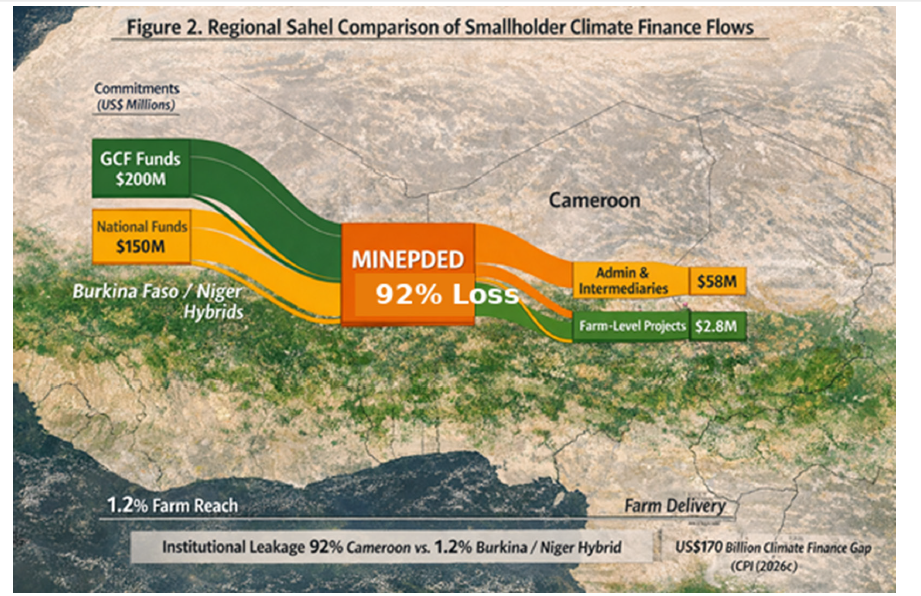
Flow analysis indicates that about 92 percent of the roughly US$100 million in PNACC and GCF allocations did not reach farms in Tokombéré and comparable rural delivery points. In the archival data, MINEPDED appears to be the main bottleneck: in the document-based regression, it was negatively associated with farm-level delivery (β=−0.71\beta = -0.71β=−0.71, robust SE=0.15, t=-4.73, p<0.001, VIF=1.2, n=15). Direct farm-level penetration was estimated at about 0.8 percent, compared with roughly 1.2 percent in the producer-organisation routing cases used for regional comparison.
The public-investment records show a consistent pattern. Agricultural disbursement averaged 2.9 percent (SD=1.2, range 1.8 to 4.2 percent) between 2015 and 2024, while 62 percent of funds went to urban infrastructure such as drainage and solar installations. A one-way ANOVA suggests that these sectoral differences are unlikely to be due to chance (F (2,12) =8.4, p=0.005, η2=0.58\eta^2 = 0.58η2=0.58). Diagnostic tests did not indicate major problems in the archival model (Breusch-Pagan p=0.21). These figures describe the pattern of allocation and delivery; they do not by themselves establish a single mechanism of leakage (Figure 2).
Figure 2:Regional comparison of smallholder climate-finance flows (Sankey diagram). Flows are scaled in US$ millions from commitment to farm-level delivery. The diagram shows about 92 percent institutional leakage in Cameroon, leaving about 0.8 percent farm reach, compared with higher retention in producer-organisation routing cases in Burkina Faso and Niger. Node widths are proportional to retained volume, and MINEPDED is highlighted as the main bottleneck in the archival analysis (β=−0.71\beta=-0.71β=−0.71).
Institutional barriers
The composite barrier score was moderately high at 3.85 on a five-point scale (SD=0.92, α=0.89\alpha = 0.89 α=0.89). Technical barriers were most severe overall (mean=4.1, with accreditation as the highest sub-item at 4.3), followed by political barriers (3.9) and commercial barriers (3.4). Figure 3 summarizes this distribution. The regression results in Table 1 show where these barriers are concentrated. Respondents in mountain zones reported lower barriers (β=-0.29\beta=-0.29 β=-0.29, p=0.004), while women (β=0.34\beta=0.34β=0.34, p=0.005) and farmers operating under two hectares (β=0.41\beta = 0.41β=0.41, p=0.004) reported higher barriers. The model explains a moderate share of variation in the barrier score (adjusted R²=0.43; F (4,220) =12.6, p<0.001).
The mediation analysis suggests that barriers account for about 38 to 42 percent of the observed association between finance and resilience (Sobel z = 3.8, p < 0.001; bootstrapped indirect effect = -0.52, 95 percent CI [-0.65, -0.39]). This indicates that access is a major part of the observed finance-resilience relationship. However, because the design is cross-sectional, these results do not demonstrate that removing barriers would automatically produce resilience gains (Figure 3) & Table 1.
Figure 3:Heatmap of institutional barriers to smallholder climate-finance access. Cell shading encodes Likert means across 225 respondents, with darker shading indicating more severe barriers. Technical barriers are highest overall (mean=4.1), and women report the highest technical-barrier mean (4.4)..
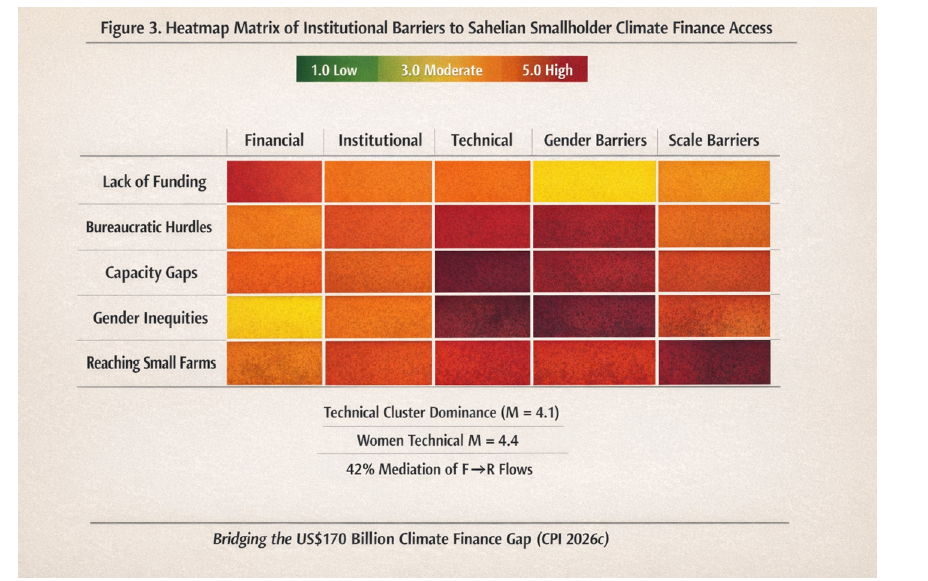
Table 1:Model fit: adjusted R²= 0.43; F (4,220) = 12.6, p<0.001.

The interview data provide context for these patterns. Technical difficulties appeared in 85 percent of transcripts, often described as a practical obstacle for illiterate producer organisations. Political capture appeared in 78 percent of transcripts, and commercial constraints in 62 percent, especially the lack of collateral required for bank loans. Women’s accounts of technical barriers were more severe still, with a subgroup mean of 4.4, which is consistent with the regression pattern and with the wider gender-and-climate literature.
Decentralised pathways
Respondents considered decentralised pathways plausible. The perceived feasibility of hybrid arrangements combining local endorsement, modest blended finance, and FMNR averaged 3.95 on a five-point scale, and 72 percent of respondents endorsed the approach. Adoption was already substantial: Zai pits were present on 42 percent of plains plots, and FMNR on 31 percent of mountain plots. Of this activity, 88 percent was self-financed through producer-organisation sales and seed exchange. Bottomup practice was moderately to strongly associated with resilience (Spearman ρ=0.58, p<0.001), and it remained positively associated in the regression model (β=0.24\beta=0.24β=0.24, p<0.001) (Figure 4).
Figure 4:Decentralised agroecological resilience pathways. The flowchart traces the sequence from local endorsement through blended finance (a 20 percent grant component) and municipal partnership to the adoption of FMNR and Zai water-harvesting practices. Branch widths are proportional to the share of respondents following each route.
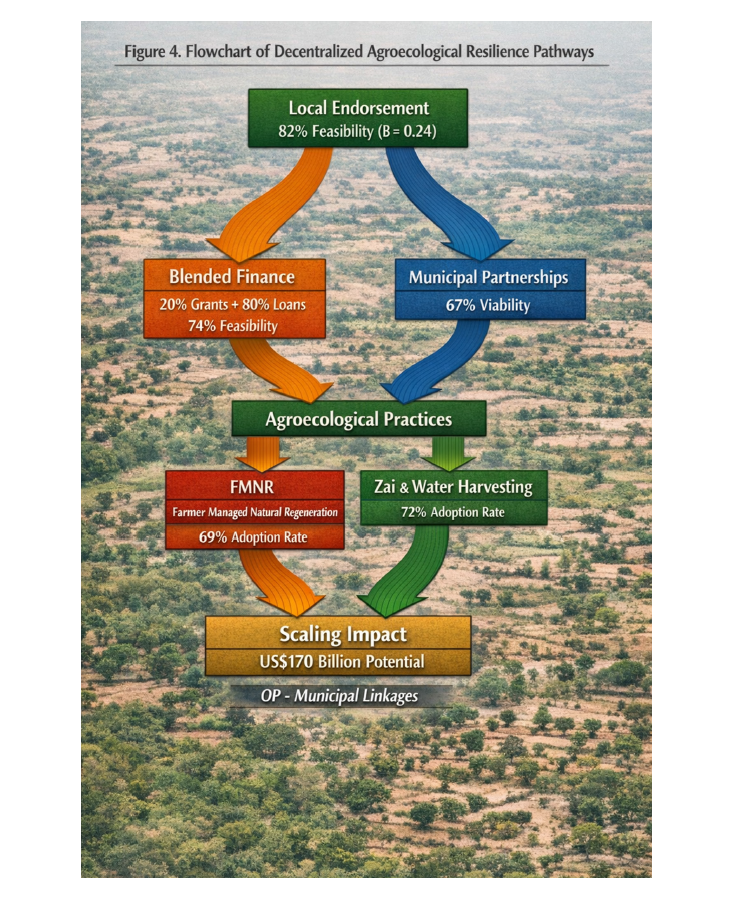
The interviews help explain how these pathways work. Local endorsement appears to lower perceived risk, and a modest grant component appears to ease liquidity constraints without displacing farmer control. A recurring theme in the coded material was that municipalities often worked around the national ministry rather than through it, and respondents associated hybrid arrangements with lower barriers. Because more resilient organisations may also be more likely to adopt these practices, the association should not be read as proof of directionality. What the evidence supports is that the pathway is locally credible, consistent across data sources, and worth further testing.
Resilience outcomes and scenario projections
Baseline resilience was low to moderate, with a PCA index of 0.41. In the full nexus regression in Table 2, access was the strongest correlate of resilience (β=0.45\beta=0.45 β=0.45, p<0.001, partial R²=0.27), bottom-up practice was also positively associated with resilience (β=0.23\beta = 0.23 β=0.23, p < 0.001), and the raw volume of finance was not statistically distinguishable from zero once access was included (β=0.12\beta=0.12 β=0.12, p=0.135). The model explained a little more than half of the variance (adjusted R²=0.52), and the diagnostics were acceptable (Durbin- Watson=1.92). Access accounted for about 38 percent of the observed finance-resilience association in the mediation analysis (Sobel z=4.1, p<0.001).
Table 2:Full finance-access-resilience nexus OLS regression (n=225; heteroskedasticity-robust standard errors).

Model fit: adjusted R²=0.52; F=22.4, p<0.001; DW=1.92.
For scale, simple extrapolations suggest that if one million Cameroonian producer organisations adopted hybrid
arrangements, associated flows could reach on the order of US$500 million per year, and a 30 percent redirection of
regional GCF funds could mobilise around US$2 billion across the G5 Sahel. These figures are presented only to indicate
possible orders of magnitude and should not be read as estimates of likely outcomes.
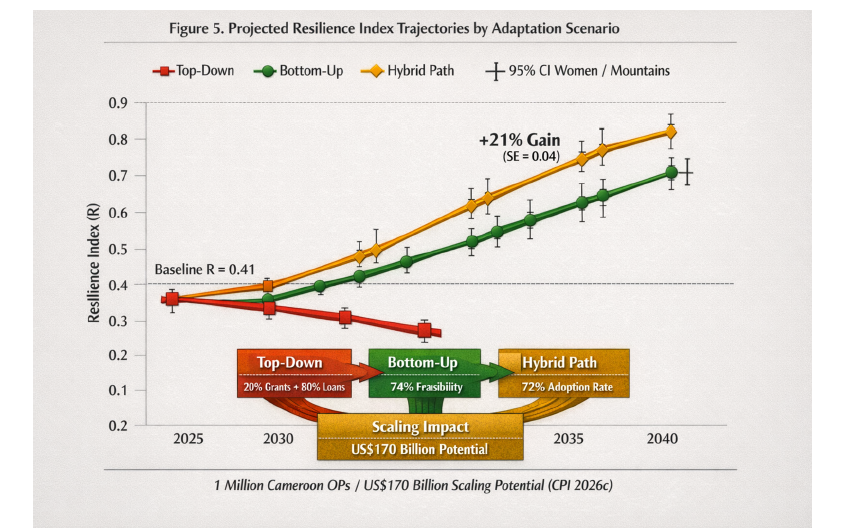
Hybrid scenarios were associated with resilience gains of about 21 percent, distributed fairly evenly across yields, income, and soils. Under the Monte Carlo simulations imposing a 15 percent rainfall reduction, these gains remained relatively stable (projected index change=0.21, SE=0.04). These simulations are best understood as illustrative scenarios rather than predictions. The subgroup patterns were notable: the association was larger for women, at about +19 percent, and for mountain farmers, at about +24 percent. The satellite data point in the same direction, with plains vegetation greenness (NDVI) rising from 0.32 to 0.41 where hybrid practices were present (ANOVA F=14.2, p<0.001). The interviews also support this pattern, with 85 percent of FMNR excerpts referring to improved flood buffering and soil retention (Figure 5 & Table 2).
Figure 5:RProjected resilience-index trajectories under contrasting adaptation scenarios. The figure compares top-down, bottom-up, and hybrid pathways across 1,000 Monte Carlo iterations imposing a 15 percent rainfall reduction. The baseline index (0.41) is a low-resilience benchmark, and the hybrid pathway is associated with a gain of about 21 percent (SE=0.04). Error bars show 95 percent confidence intervals for the women and mountain subgroups. These are illustrative scenarios based on cross-sectional associations, not forecasts.
Discussion
Taken together, the multiple evidence streams provide consistent correlational support for the finance-access-resilience nexus: institutional access is strongly associated with farm-level resilience, and locally embedded practices are clearly relevant to outcomes. The patterns are coherent across surveys, interviews, satellite analysis, and archival records, but because the study is cross-sectional and observational we present these findings as associations that identify plausible mechanisms and hypotheses for further testing rather than as settled causal claims. We draw on polycentric governance and transformative-resilience literatures to interpret the results, while remaining careful not to extend those theories beyond what our design can justify. The subsections that follow examine (a) the mediating role of access, (b) contrasts among top-down, bottom-up, and hybrid patterns, (c) the paper’s scoped contributions to scholarship, and (d) the policy-relevant implications that follow directly or only as cautious extrapolations.
Access as the binding constraint
The clearest and most robust empirical signal is that institutional access, not simply the nominal volume of pledged finance, is strongly associated with resilience in our sample. In relative terms, measured top-down access was far lower than community-channel access, and access variables explain substantially more variance in the resilience index than the raw finance volume does in our models. The mediation estimates indicate that a substantial share (roughly 38-42%) of the observed finance-resilience association is statistically linked to barriers measured in our survey. Read as associations, these results justify treating access as a critical conditioning variable-a “gate” through which finance must pass to be useful at farm scale.
At the same time, the cross-sectional design admits important alternative explanations. More resilient households or organisations may be better positioned to secure access (reverse causality), and unmeasured confounders (market connectivity, health shocks, prior NGO engagement) could influence both access and resilience. We therefore frame the access result as a strong empirical motive for longitudinal and experimental work, not as definitive proof that removing measured barriers would, by itself, produce resilience gains.
Comparing top-down, bottom-up, and hybrid patterns
The empirical comparison across governance patterns highlights a repeated shape: vertical, centralized channels show high institutional leakage in the archival trace, while proximate, horizontal arrangements retain a larger share of resources they handle and sustain local adoption of agroecological practices. This pattern is consistent with polycentric expectations-proximate authority and local organisation can lower transaction costs and support experimentation-but our data do not prove the superiority of one governance architecture in all contexts.
The association between bottom-up practice and resilience is clear and substantial, yet the same caveat about directionality applies: resilient organisations may be both more likely to adopt and better able to self-finance practices such as FMNR and Zai. Where our evidence is strongest is in the plausibility and local endorsement of hybrids-arrangements in which municipal or local endorsement reduces perceived risk while modest blended grants ease liquidity constraints without displacing farmer control. The simulated scenario results suggest such hybrids could be robust under rainfall stress, but whether hybrids scale, resist capture, and perform under different municipal capacities requires causal tests and pilot evaluations.
Contributions to scholarship
Scoped to the limits of our design, the study makes four modest contributions. First, it quantifies mediation: instead of assuming access matters, we provide a numerical estimate of how much of the observed finance-resilience association is statistically linked to institutional barriers, thereby extending polycentric thinking from resource governance to finance delivery. Second, it documents a correlational case of bottom-up substitution, where locally embedded practice carries a positive association with resilience that is not fully explained by formal finance access. We present this as an empirical prompt for experimental research rather than as a causal claim. Third, the results identify socio-spatial moderatorsgender and terrain systematically condition access and outcomesunderscoring limits to one-size-fits-all adaptation policy. Fourth, the paper offers a preregistered, replicable resilience measurement heuristic (PCA-based index) that other teams can apply to enable cross-site synthesis. Each contribution is confined to what the evidence supports and does not attempt to overturn existing theory.
From evidence to policy: What the data do and do not support
We separate three tiers of policy-related statements to avoid overreach. Tier 1 (directly supported by the data): access appears to be a binding constraint in this setting; measured barriers fall disproportionately on women and very smallholders; and hybrid, locally endorsed arrangements are both feasible and associated with higher resilience in our sample. Tier 2 (reasoned extrapolations consistent with but not proven by our data): pilot tests of municipalproducer hybrids and modest ring-fenced municipal funds could plausibly increase local retention and uptake; targeted measures to simplify accreditation and reduce technical hurdles are likely to address the dominant barrier types we observed. Tier 3 (furtherreaching policy ideas): large-scale redirection of regional climate funds or national ring-fencing are speculative inferences from our findings and require independent economic and political feasibility analysis before being recommended.
In practical terms, the diagnostics suggest immediate, low-risk steps that would test the mechanisms highlighted here: simplify and localise accreditation requirements for producer organisations; fund small-scale municipal-producer hybrid pilots with built-in evaluation; and attach gender- and terrain-sensitive criteria to pilot financing to reflect observed moderators. All such measures should be designed with monitoring and safeguards against capture, a risk our interviews repeatedly flagged.
Limitations and future research
Key limitations bound our claims. The cross-sectional design prevents causal inference and leaves room for reverse causality and omitted confounding variables (for example, market access, prior NGO exposure, or household health shocks). The study is sitespecific: Tokombéré is an archetypal Sahelian setting but the G5 Sahel is heterogeneous; contexts with different conflict dynamics, institutional capacity, or histories of FMNR may show different patterns. Self-reported measures carry social-desirability and recall risks; we sought to mitigate these via triangulation with satellite and archival records and strict survey administration procedures, but residual bias is possible. Finally, positionality and researcher choices influenced data collection and interpretation; we addressed this through reflexive field notes, peer debriefing, and transparent documentation.
These constraints frame a clear research agenda: randomized controlled trials and quasi-experimental pilots of municipalproducer hybrids to establish causal impacts; panel data collection to trace temporal dynamics and reduce bias in mediation estimates; independent financial audits to verify flow paths; multi-site replication using the shared resilience index; and finer-grained spatial analysis to unpack how terrain moderates’ access and outcomes. Replication and causal testing, rather than single-study advocacy, are the appropriate next steps to evaluate how far the polycentric argument travels in practice.
Conclusion
This study asked why climate finance so rarely reaches Sahelian smallholders and whether locally rooted alternatives may help narrow that gap. In Tokombéré, the pattern is clear: roughly 92 percent of top-down finance did not reach farms, access through community channels was much higher than access through official ones, and hybrid arrangements were associated with resilience gains of about 21 percent. Because the evidence is cross-sectional, these results are best read as strong associations that clarify where the system breaks down, not as proof of causality. Even so, the main implication is important: the policy question is not only how much finance is pledged, but how much farmers can actually reach and use.
Synthesis of key findings
Three findings anchor the study. First, institutional barriers, especially technical ones, account for a large share of the observed gap between finance and resilience, and they fall most heavily on women and the smallest farms. Second, access is more strongly associated with resilience than finance volume alone, which suggests that financial pledges matter little when institutional pathways are blocked. Third, bottom-up practices such as FMNR and Zai, sustained largely through farmers’ own organisations and exchange networks, are positively associated with resilience and appear to complement rather than replace formal finance.
Taken together, these findings support a shift in emphasis from volume to accessibility. The evidence suggests that policy should focus less on increasing pledged finance in abstract terms and more on creating institutional pathways that allow farmers to reach and use it. This interpretation is consistent with broader Sahelian evidence on regreening and locally led adaptation, but our study shows it in a specific climate-finance setting.
Broader implications
Several broader implications follow, but these should be treated as reasoned extrapolations rather than direct findings. If access is the binding constraint, then hybrid arrangements linking producer organisations with municipal actors may offer a practical way to improve delivery without necessarily requiring large new funding streams. Because the strongest barriers fall on women and very small farms, any scaling strategy should be designed with explicit gender and terrain sensitivity. The relevance may extend beyond Tokombéré, since many dryland regions face similar problems of institutional bottlenecks, weak local access, and under-resourced farmer innovation.
At the same time, the Sahel is not uniform, and Tokombéré should not be treated as a simple template for the region. Contexts with different conflict conditions, governance structures, rainfall regimes, or adaptation histories may require different institutional arrangements. The contribution of this study is therefore not a universal model, but a tested analytical lens that can be adapted and compared across settings.
Evidence-calibrated recommendations
On this basis, we offer recommendations that are sequenced by horizon and clearly separated from the findings that motivate them.
In the near term, accreditation and endorsement procedures for producer organisations should be simplified and digitised where feasible, because technical barriers were the most severe obstacle in our data. Small pilot platforms for producerorganisation accreditation could reduce processing time and improve transparency, while remaining inexpensive enough to test at modest scale. In parallel, a limited share of public-investment budgets could be ringfenced for municipal-producer organisation hybrids and evaluated against a resilience index to assess whether local retention and delivery improve.
In the medium term, climate-finance channels should be designed to work through local institutions rather than bypass them. That means partial guarantees, simplified co-financing rules, and clear support for municipal coordination where capacity exists. Because women and smallholders faced higher barriers, these channels should also include explicit gender-sensitive access rules and terrain-sensitive targeting. These measures follow from the patterns observed in the study, but they still require careful piloting before wider adoption.
In the longer term, adaptation planning would benefit from a shared resilience dashboard, more systematic support for FMNR and Zai pipelines, and greater devolution of implementation to municipal and producer-level actors. The guiding metric should shift from money committed to money that actually reaches farms and improves adaptive capacity. At every stage, new channels should be protected against the capture and leakage that respondents described repeatedly.
A call for replication
This study is best understood as a strong empirical starting point rather than a final answer. The next step is replication through longitudinal panels, independent finance-flow audits, and comparative studies across the G5 Sahel. Randomised or quasiexperimental pilots of hybrid delivery systems would be especially valuable for testing whether the associations observed here hold under intervention. A multi-country synthesis using the same resilience index would also help determine how far the polycentric argument travels.
The broader lesson is straightforward: evidence should guide adaptation finance design, not the other way around. What this study shows is that access is central, local practice matters, and institutional design shapes whether climate finance reaches the people it is meant to support.
References
- Climate Policy Initiative (2023) Landscape of climate finance for agrifood systems.
- United Nations Environment Programme (2023) Adaptation gap report 2023. United Nations Environment Programme, Nairobi, Kenya.
- Intergovernmental Panel on Climate Change (2022) Climate change 2022: Impacts, adaptation and vulnerability. Cambridge University Press, Cambridge, England.
- Food and Agriculture Organization of the United Nations (2022a) The state of food security and nutrition in the world 2022. Food and Agriculture Organization of the United Nations, Rome, Italy.
- International Monetary Fund (2024) Cameroon: Climate change challenges (Country Report No. 24/52).
- HERA (2025) Gendered climate impacts in the Sahel.
- World Bank (2025a) Cameroon economic update: Climate resilience.
- Government of Cameroon (2021) National Climate Change Adaptation Plan (PNACC). Ministry of Environment, Protection of Nature and Sustainable Development, Cameroon.
- Sendzimir J, Reij C, Magnuszewski P (2011) Rebuilding resilience in the Sahel: Regreening in the Maradi and Zinder. Ecology and Society 16(3): 1.
- Food and Agriculture Organization of the United Nations (2022b) Farmer-managed natural regeneration in the Sahel.
- Oxfam International (2024) Leaky pipes: Barriers to local climate finance.
- Diallo I, Sylla MB, Giorgi F (2022) Projected changes in rainfall over the Sahel. Climate Dynamics 58: 1123-1140.
- Plan International (2025) Gender and climate in the Sahel.
- Green Climate Fund Independent Evaluation Unit (2023) Africa portfolio evaluation.
- Climate Policy Initiative (2022) Global landscape of climate finance 2022.
- Climate Policy Initiative (2026a) Climate finance tracking.
- King U, Mario E (2023) Gendered barriers to climate finance in Africa. ACIAR.
- CIFOR-ICRAF (2022) Reversing land degradation in the Sahel.
- Alliance Sahel (2024) The Sahel and the challenges of climate change.
- World Bank (2025b) Gender and agroecology in the Sahel.
- Ascend Analytics (2025) Sahel food security update.
- Food and Agriculture Organization of the United Nations (2024) Hand-in-Hand Initiative: Sahel.
- Ostrom E (2010) Beyond markets and states: Polycentric governance of complex economic systems. Transnational Corporations 2(2): 1-12.
- Folke C, Polasky S, Rockström J, Galaz V, Westley F, et al. (2021) Our future in the Anthropocene biosphere. Ambio 50: 834-869.
- Creswell JW, Plano Clark VL (2023) Designing and conducting mixed methods research. (3rd edn), SAGE Publications, California, USA.
- Bertelsmann Stiftung (2026) BTI 2026: Cameroon country report.
- Both ENDS (2025) Agroecology and women’s resilience in the Sahel.
- Cornell University (2024) Gender and climate in Cameroon.
- GroundTruth (2024) The success of Zai farming in Cameroon.
- Mongabay (2024) Zai farming spreads in Cameroon.
- Robinson E, Cavanagh C, Owusu V (2024) Institutional barriers to adaptation finance. Climatic Change 177: 45.
- World Meteorological Organization (2023) State of the climate in Africa 2022.
© 2026 © Abel Tsolocto This is an open access article distributed under the terms of the Creative Commons Attribution License , which permits unrestricted use, distribution, and build upon your work non-commercially.
Editor In Chief







.jpg)































Signup for Newsletter

Quick Links
 Editorial Board Registrations
 Submit your Article
 Best Paper of the Volume
 Reprints
 Refer a Friend
 Advertise With Us
Our Recent Edition

.jpg)



Top Editors




.jpg)

















.bmp)
.jpg)
.png)
.jpg)













.jpg)






.png)

.png)




.png)




Financial Support

Sponsors

Latest e-Books

Latest Video

 a Creative Commons Attribution 4.0 International License. Based on a work at www.crimsonpublishers.com.
Best viewed in
a Creative Commons Attribution 4.0 International License. Based on a work at www.crimsonpublishers.com.
Best viewed in 
 | Above IE 9.0 version