

- About Us
- Information
-

The Author ensures that the research has been conducted responsibly and ethically with adherence to all relevant regulations. read more..
- For Authors
- For Reviewer
- Manuscript Guidelines
- Membership
- Publication Ethics
-
- Journals
- Reprints
- e-Books
- Videos
- Policies
- Contact Us
 COVID-19
- Submissions



Full Text
Degenerative Intellectual & Developmental Disabilities
An Empirical Evaluation of the Barriers to Disabled Students’ Inclusion in Pakistani Higher Education Institutions
Muhammad Qasim Rana1*, Angela Lee1, Noreen Saher2 and Lekan Damilola Ojo3
1 School of Construction, Surveying and Engineering, University of the Built Environment, Horizons, UK
2 Faculty of Social Sciences, International Islamic University, Pakistan
3 Department of Building and Real Estate, Hong Kong Polytechnic University, Hung Hom, Hong Kong
*Corresponding author: Muhammad Qasim Rana, School of Construction, Surveying and Engineering, University of the Built Environment, Horizons, 60 Queen’s Road, Reading RG1 4BS, UK
Submission: January 28, 2026; Published: February 17, 2026
Volume2 Issue2 February 17, 2026
Abstract
The inclusion of students with disabilities in higher educational institutions remains a global challenge, particularly in developing nations where structural and institutional limitations persist. In Pakistan, higher education continues to face significant obstacles that restrict the full participation of students with disabilities despite existing policy frameworks. This study aims to identify, evaluate and prioritize the barriers hindering disabled students’ inclusion in Pakistani higher educational institutions. An explanatory sequential research design was employed using data collected through structured questionnaires administered to the targeted respondents and focus group discussion. The quantitative data were analyzed using the Fuzzy Synthetic Evaluation (FSE) approach, which provided a systematic means to measure the agreement level, weight and internal consistency of each identified barrier, while the qualitative data was used to discuss the findings. Findings revealed nine key barriers, with knowledge and training barriers ranked as the most severe, followed by institutional and financial barriers. These findings highlight deficiencies in educator preparedness, institutional commitment and funding support as critical impediments to inclusive education. The study contributes theoretically by applying FSE to inclusive education research, offering a quantifiable framework to assess multidimensional barriers. Practically, it provides directions for policymakers, administrators and educators to design targeted interventions and implement enforceable institutional policies. This study is original in its methodological approach and regional focus, offering empirical insight into Pakistan’s path toward sustainable and inclusive higher education.
Keywords:Inclusive education; Disabled inclusion; Higher educational institutions; Fuzzy synthetic evaluation; Pakistan
Introduction
Inclusive education has become a global educational mandate over the past three decades, aimed at ensuring that students, including those with disabilities, are provided equal learning opportunities [1]. Despite these advances, disparities persist. People with disabilities remain one of the most underserved and marginalised groups, facing systemic challenges in healthcare, education and social inclusion [2-4]. In addition, people with disabilities often face compounded social and economic hardships, further affecting their access to quality education [5,6]. The World Bank [7] reports that disability rates are disproportionately higher in low-and middle-income countries, with more than 16% of the global population living with some form of disability. In 2022, the National Center for Education Statistics [8] reveals that 28.7% of adults declared that they had a disability and only 39% of adults in this category have a bachelor’s degree or higher, reflecting inequities in educational access and achievement. It is also important to note that these figures likely underestimate the true scale of exclusion, as many individuals choose not to disclose a disability due to stigma, inadequate institutional support, or fear of discrimination.
Asia, home to over 4.98 billion people, has a significant disability prevalence due to aging populations, poverty and conflict-related injuries [9]. However, data on students with disabilities in higher education institutions is sparse and inconsistent due to varying definitions, underreporting and stigma-driven non-disclosure. In East Asia, countries like Japan have advanced inclusion through legislation like the Act on the Elimination of Discrimination Against Persons with Disabilities 2016 [10]. In South Asia, an estimated 29 million children are out of school, with a considerable proportion having disabilities, leading to low transition rates to higher education [11]. In Pakistan, disability prevalence is alarming, with higher rates in rural areas due to poverty, malnutrition and limited healthcare [12]. Despite policy frameworks aimed at inclusive development in Pakistan, the low enrolment and high dropout rates among students with disabilities demand urgent and coordinated attention from stakeholders at all levels [13]. In fact, UNICEF [11] highlighted that the limited success to inclusion education for the disabled in Pakistan is attributable to inadequate facilities, limited teachers and lack of training. Nonetheless, there is a growing recognition of the need to embrace inclusivity and equal educational opportunities [14].
Despite increasing academic attention, recent studies remain fragmented in scope, focusing either on specific disability types or on isolated institutional aspects. For instance, Mohsin and Khan [15] explored institutional barriers affecting physically disabled students in Bahawalpur, Pakistan. They reported that disabled students face physical accessibility challenges, social exclusion and cold treatment from university community, all of which makes their stress. Hussain et al. [13] also examined the challenges faced by disabled students in Pakistan, highlighting attitudinal problems from staff and students, untrained teaching staff, inadequate assistive technologies and lack of inclusive transportation. Gilani et al. [16] analysed how disability categorisation itself hinders inclusive education through both educational and Islamic lenses. They opined that institutions established based on disability categories should be merged under the same umbrella for inclusivity in the educational sector. Kamran et al. [17] investigated teachers’ attitudes toward learners with mild cognitive disabilities linked to neurobiological and hereditary factors. However, attempt to comprehensively evaluate multiple interrelated barriers to inclusion of disabled students in Pakistan is rare. This is important for understanding the prioritized order of barriers to realizing inclusion of disabled students in Pakistani higher institutions for offering practical recommendations. Therefore, this study examines the multifaceted barriers to the inclusion of disabled students in Pakistani higher education institutions, encompassing physical, attitudinal, financial, curricular, social, political and knowledgebased constraints. By integrating these dimensions into a unified analytical framework, the research provides a comprehensive understanding of the systemic and structural factors that perpetuate the marginalisation of students with disabilities within higher education. The originality of this study lies in its multidimensional and context-specific evaluative approach, which captures the complexity of inclusive education in a developing-country context. The findings are expected to inform evidence that could strengthen the existing policy, support enforcement measures and guide institutional reform within Pakistan, while also contributing to broader international discourse on inclusive education frameworks across low-and middle-income countries.
Literature Review
Definition of disability
The definition of disability is contextual, varying across cultural settings and between developing and developed nations. African and Asian countries often view disability from religious or spiritual perspective, which is different from that of the West [6]. In fact, disability is often perceived as karmic retribution in nations like the Kingdom of Bhutan, India and Nepal [18-20]. While archaic notions on disability are being eroded in metropolitan areas of developing nations, rural communities continue to maintain erroneous beliefs on disability. In reality, disability is a medical condition that needs treatment, care and rehabilitation [6,21]. Grönvik [22] noted that disability can be defined as: administrative, subjective, or functional. Among the three definitions of disability, functional disability alone stems from the medical conditions that give rise to impairments, including visual, hearing, mobility and others [23]. The administrative definition arises from the attempt to classify disabled individuals for welfare benefits and support, that is, to determine eligibility, while subjective disability refers to descriptions of individual who self-identify as having as disabled. Therefore, in investigating the barriers to disabled students’ inclusion in Pakistani higher education, this study adopted the functional disability definition of disability, which consider disability as a medical condition, involving physical, mental and intellectual.
Overview of education system in Pakistan
The education system in Pakistan is structured into preprimary, primary, middle education, secondary, higher secondary and tertiary, with both private and public institutions across the three tiers. This structure is shaped by Pakistan’s socio-economic realities and governance frameworks [24]. Although pre-primary education serves as the foundation of the education system and typically targets children aged three to five years, primary education is officially compulsory and aims to provide basic literacy, numeracy and foundational knowledge [25]. According to the Pakistan Country Commercial Guide [26], there are 182,600 primary schools, 46,800 middle schools, 34,800 secondary schools, 7,648 higher/secondary/intermediate colleges and 3,729 technical and vocational institutes in the country and over 200 universities. University enrollment stands at approximately 1.96 million students, while technical and vocational education and training institutions enroll around 500,000 learners [27]. Interestingly, the literacy rate stands at approximately 60%, indicating that about 60 million Pakistani are illiterate [28]. Education is central to Pakistan’s development agenda, with ongoing reforms aimed at expanding access and aligning with the global inclusive education initiative. Pakistan has approximately 25 million children, aged 5-16 who are out of school [29]. According to household surveys, about 31% of individuals with disabilities in Pakistan have ever attended school and over 60% of primary school age with disabilities are not enrolled [30]. At the same time, special education centres across Pakistan serve only 5% of school-aged children with disabilities [31]. Although there are no reports to ascertain the percentage of students with disability enrolled in Pakistani higher institutions, it is reasonable to argue that their representation is negligible.
Barriers to disabled students’ inclusion in educational institutions
Barriers to the successful implementation of inclusive education in Pakistan significantly hinder the country’s ability to meet its human rights obligations and ensure quality education for all children [32]. Although access to education for students with disabilities has improved globally, their experiences within educational institutions often remain exclusionary in developing nations. These students frequently report higher levels of dissatisfaction and face a multitude of barriers that hinder their academic and social development [33]. Challenges for students with disabilities are multifaceted, spanning infrastructural, attitudinal, pedagogical and institutional domains. A systematic review of 20 empirical studies from 2000-2019 identifies key barriers: architectural inaccessibility (e.g., lack of ramps and signage in older buildings), inadequate teacher preparation for inclusive methodologies and limited adapted materials or assessment adjustments [34]. Attitudinal barriers, including discrimination and bullying, can be pervasive among students. Overall, global inclusion requires dismantling barriers through collaborative, disability-led strategies, as advocated in a framework for cocreated national policies informed by empirical research [35]. The following paragraphs delve into the primary categories of barriers hindering disabled students’ inclusion in academic settings, as highlighted in literature. Physical and architectural constraints are among the obstacles to inclusive education. Many institutions lack adequate infrastructure, learning resources and awareness among stakeholders regarding students’ rights [15]. These include limited accessible classrooms, restrooms and transportation, as well as poor signage and space planning [36]. Similarly, Kearney [37] identifies architectural elements like narrow doors, hallways and inaccessible locker rooms, cafeterias and gymnasia as major roadblocks, particularly for physically disabled students in school environments. Mohsin & Khan [15] also found that students with physical impairments must undergo lengthy and stigmatizing procedures to secure even minor accommodations, discouraging them from seeking support. Alhusban & Almshaqbeh [38] found that while international institutions have embraced universal design principles, state-run universities often fail to meet basic accessibility standards. Although some students report satisfaction with features like ramps, lifts and corridor spaces, they remain dissatisfied with inadequate restroom facilities, insufficient signage and the lack of designated parking spaces [39]. Furthermore, students with hidden or non-apparent disabilities, such as mental health challenges, face additional physical exclusion [33].
Attitudes held by faculty, peers, parents and society significantly impact the educational experience of students with disabilities. Mitchell et al. [5] stressed that successful inclusion depends on both reasonable accommodation and an empathetic learning environment. Faculty attitudes play a pivotal role, with studies showing that a universal learning design approach can benefit all learners, not just those with disabilities [40,41]. However, stigma and misconceptions about disability persist, giving rise to exclusion in schools, including denial of enrollment, limited curriculum access and bullying tolerance [36,37]. Parental choices also shape educational trajectories, either reinforcing or resisting inclusion efforts [42]. Moreover, students with disabilities often face social exclusion and are burdened by the need to advocate for their rights [43].
Curricular inflexibility and pedagogical rigidity also continue to marginalize students with disabilities. Teachers often lack training in inclusive education and struggle to address diverse learning needs [17,44]. Myronova et al. [45] and García-González et al. [46] found that many educators are not equipped to implement inclusive strategies due to limited understanding of special needs and a lack of confidence. Therefore, Fitri [47] advocates for humanistic and locally contextualized curricula, tailored to both national standards and the individual traits of special-needs learners. The absence of coherent, enforceable policies on disability inclusion undermines progress. Qu [48] critiques existing policies for focusing predominantly on physical access without providing clear frameworks for full educational participation. Waisath et al. [49] assert that while disability-inclusive legislation is necessary, it is insufficient without robust mechanisms to ensure compliance and accountability. Jardinez & Natividad [50] argue that while disability rights legislation exists in many countries, higher education institutions frequently lack the mechanisms to operationalize them. Sánchez-Díaz and Morgado [44] note that inconsistent policy enforcement across universities creates unequal opportunities for disabled students depending on the institution they attend. While policies might exist, the proactive development and sustained funding of specific initiatives designed to foster inclusivity are often lacking. Carrillo-Sierra et al. [36] point out that higher education institutions often prioritize broader academic or infrastructural reforms over disability-focused initiatives, leaving inclusion projects underfunded and underdeveloped.
The digital divide and limited access to alternative communication tools impede learning for students with visual, auditory, or cognitive impairments. Beyene et al. [51] identified systemic gaps in accessible digital content and institutional mechanisms to enforce compliance with accessibility standards. Majoro [52] and Mohsin & Khan [15] noted that a lack of qualified sign language interpreters and teaching aids undermines education for hearing-impaired students. Additionally, interpreters are often overworked, leading to fatigue and reduced effectiveness [36]. The availability of braille materials is similarly inadequate, leaving visually impaired students underserved [53]. Additionally, Cologon [54] emphasized that financial hardship continues to drive segregation, especially for students with severe disabilities. Sijuola & Davidova [55] contend that without adequate financial commitment from the government, inclusive education remains a distant ideal. Social isolation, lack of peer acceptance and ignorance about disabilities continue to alienate students. Almoghyrah [56] highlighted issues in implementing individual education programs, noting that social factors often outweigh pedagogical challenges. Myronova et al. [45] observed that university educators frequently lack understanding of inclusive practices and harbor implicit biases. Furthermore, students with disabilities often struggle to form peer relationships due to systemic exclusion and deficit-based narratives that dominate institutional discourses [57]. Reeves et al. [58] argue that to foster genuine inclusivity, educational systems must shift from viewing disability through a lens of deficiency to embracing diversity as a strength. Additionally, institutional inertia and lack of enforcement mechanisms constitute significant roadblocks. Xie & Zhang [59] found that while instructors may express support for inclusion, their adaptive commitment is constrained by institutional cultures that lack accountability. The list of barriers to disabled students’ inclusion retrieved from extant literature is provided in Table 1. In addition to the barriers, non-disclosure of disability among students in higher education remains a persistent and complex issue that undermines institutional efforts toward inclusion and equity. Many students choose not to declare their disability due to fears of stigma, discrimination, or being perceived as less capable by peers and faculty [68,69]. In some contexts, particularly within developing countries, cultural attitudes toward disability further exacerbate this reluctance, as disability is often associated with social shame or familial burden [70]. Additionally, limited awareness of available support services, unclear disclosure procedures and a lack of trust in institutional confidentiality deter students from self-identifying [71]. For marginalised groups, such as students from low-income or rural backgrounds, intersectional disadvantages-economic insecurity, limited access to assistive technologies and prior educational exclusion-intensify the barriers to disclosure. Consequently, the invisibility of many students with disabilities contributes to their continued marginalisation within higher education systems, as institutions underestimate the scale of need and fail to allocate adequate resources for inclusive support and policy development.
Table 1: List of barriers to the disabled students’ inclusion.

Materials and Methods
Research design
This study employed an explanatory sequential research design, beginning with a quantitative phase and followed by a qualitative phase. The quantitative part explored the opinions of target respondents on the barriers affecting their inclusion in Pakistani higher educational institutions, while the qualitative part helps to explain the findings in the quantitative data collected [72]. The survey in the quantitative phase was close ended, enabling the collection of structured, measurable data from a diverse group of respondents across multiple universities. This approach was suitable to identify patterns, rank the barriers and prioritize the group of barriers. The design enabled the researchers to apply Fuzzy Synthetic Evaluation (FSE) techniques to the measurable data, offering an objective framework for interpreting complex and multidimensional information. The qualitative phase of the study was in the form of focus group discussion conducted to obtain qualitative data to further explain the research findings.
Research instrument development and data collection
A questionnaire was developed based on an extensive review of the literature on barriers to disabled students’ inclusion in higher education. In this study, disability is defined as functional disability, a case of medical impairments, including mobility problems, visual, hearing, learning and speech and language impairment, among others. The questionnaire contained background information, a section to identify the respondents’ disabilities, determine whether any disabilities were undisclosed and the reasons for such nondisclosure and the barriers to disabled students’ inclusion in higher education. The survey comprised thirty-two barriers organized into nine categories from prior studies: physical (architectural), attitudinal, curriculum, communication, social, knowledge and training, institutional, financial and political/ regulatory. Each barrier was measured on a five-point Likert scale (1=strongly disagree to 5=strongly agree). A pilot test was conducted with seven subject-matter experts, including four academics and three rehabilitation professionals for disabled persons, to ensure clarity, relevance and contextual appropriateness. Minor revisions were made to improve language precision and eliminate ambiguity. Ethical approval for this study was obtained from the ethics committee of the University of Built Environment, UK and Islamic International University, Pakistan on 15 May 2025 and 28 May 2025, respectively. Informed consent was obtained prior to survey completion and participants were assured that individual responses would remain anonymous and that data would be used solely for research purposes. Participants were provided with detailed information about the study’s objectives, voluntary participation, confidentiality and data protection measures. The questionnaire was administered and data were collected between July and October 2025 using both online and in-person survey methods across four public and private universities in Pakistan: Islamic International University, Mirpur University of Science and Technology, Bahria University and Foundation University. The universities were purposively selected based on the high number of disabled students enrolled in them. The survey specifically targeted disabled students enrolled in the selected institutions. Multiple channels, including university disability support offices and research networks, were used to maximize participation and reach. The questionnaire was designed to be compatible with screen reader, voice recognition software and assistive technologies, which facilitated the online survey. Meanwhile, the university disability support offices assisted with the in-person survey for respondents.
The qualitative part of the study was conducted in the form of focus group study where disabled students were asked to explain the barriers that affect their inclusion in higher education learning. The focus group study was conducted in person on 5th October 2025 at the Islamic International University, lasting for 2 hours. Focus group is basically used in qualitative research and have been employed in past studies in disability-related domain [73,74]. Focus group is conducted in the form of interactive discussions moderated by facilitator(s) with the aim of stimulating participants to contribute unequivocally to questions [75]. In this study, one of the facilitators described the purpose of the focus group discussion and the rules, including freedom of expression, confidentiality of the discussion, self-introduction and equal status of participants. These rules are important to have optimum participation.
Sampling strategy
To achieve representativeness, a purposive sampling technique was used. This method was suitable because it ensured disabled students mainly provide information on their inclusion challenges in Pakistani higher education. The university administrations were approached to obtain the data on students who had declared themselves disabled to participate in this study. Using Yamane’s formula at a 5% margin of error, the required sample size was 146 from a population of 229 disabled students across the selected universities: Islamic International University (N=151), Mirpur University of Science and Technology (N=33), Bahria University (N=18) and Foundation University (N=27). A total of 51 responses were received, out of which 44 were valid and used for analysis, resulting in a 30.1% of the computed sample size. The number of data collected satisfied central limit theorem, recommending minimum of 30 sample size for data analysis. Additionally, the number of data collected is sufficient for the intended statistical, i.e., FSE. The target group of respondents (i.e., disabled students) is a unique population to obtain large quantity of data for statistical analysis. The qualitative phase of the research was in the form of focus group and attended by 11 disabled students, mainly studying at Islamic International University, Pakistan. The classification of focus groups is largely based on the number of participants that make up the group. Three to six participants are often regarded as adequate to reach saturation in focus groups, while group size of 5-10 participants is often suitable to have optimal discussion [75]. In general, focus groups should extend beyond a single group; however, in this study, dividing the 11 participants into two groups was not deemed necessary because quantitative data had already been collected and was intended to supplement the findings. However, the discussion was facilitated by two researchers and assisted by two student assistants who took notes of the discourses.
Invitation to participate in the qualitative part of the research was sent to the four institutions where the quantitative data was earlier collected via the disability support offices in the institutions. However, students in the other target institutions did not express willingness to participate in the focus groups study. Hence, 11 participants honoured the invitation to participate in the discussion. Due to financial constraints and limited time available for the research, focus group study could not be conducted in other institutions: Mirpur University of Science and Technology, Bahria University and Foundation University. The limited time available to conduct the research particularly affected the ability to hold additional focus groups at Bahria University and Foundation University in Islamabad, Pakistan, while travel and logistics costs and administrative expenses affected the feasibility of conducting focus groups at Mirpur University of Science and Technology, located in Azad Kashmir, Pakistan. It is also important to note that the majority of disabled students in the four universities selected for this study are enrolled at the Islamic International University in Pakistan. Therefore, data obtained from 11 focus groups participants, comprising of four male and seven female students with visual impairment can be deemed satisfactory to supplement the quantitative data on the barriers hindering disabled students’ inclusion in the Pakistani higher education.
Methods of data analysis
The collected quantitative data were analyzed using both descriptive and fuzzy logic-based techniques, while content analysis was used to analyze the qualitative data. Since the classifications of the barriers were already obtained from the literature review, the content analysis was guided by these established classifications accordingly. In the quantitative data analysis, the basic demographic and background information was summarized using frequency and percentage distributions. To test internal reliability, Cronbach’s alpha was computed and the mean scores for each variable were derived using SPSS (Version 27). Afterward, the FSE model was applied to assess the agreement of respondents on the barrier. FSE, grounded in fuzzy set theory, is particularly effective in dealing with uncertainty and subjective human judgments. It is effective in providing a systematic and objective ranking of complex social issues such as disabled students’ inclusion. The FSE procedure consisted of four major stages: (i) constructing the evaluation index system based on the nine identified barriers, (ii) estimating mean scores and Weightings (W) for each variable to determine their relative importance, (iii) developing the Membership Function (MF) for each variable to express how strongly it belongs to a particular severity level and (iv) calculating the agreement indices to rank the barriers according to their overall influence on disabled students’ inclusion. The formal definition of the evaluation index was U= (u1, u2, u3, u4, u5), which corresponds to the five causal domains. The notation for sub-items in each domain was u1= (u11, u12, …, u1n). A rating scale of V= (1, 2, 3, 4, 5) was established. In the second stage, the Weighting (W) of the items is determined by the component factors and the mean (μ) using equations (1) and given in the rating scale’s order. For example, in Group A, which consists of variables A, B and C, the weight of variable A is calculated as the mean of variable A divided by the sum of the mean values of all the three variables.

In the third stage of the FSE method, the Membership Function (MF) for each variable linked to the discovered causal factors was established. Analysing the responses on a five-point Likert scale allowed for this to be accomplished. The membership function for each variable (represented by mx) was specifically calculated using a predetermined equation that included the percentage of respondents who chose each rating level (ranging from 1 to 5). Here, the term Kimx denotes the proportion of replies that fell into a specific rating range for a variable, and the formula Kimx/Vi shows the relationship between each response distribution and its scale grade. In order to provide a more nuanced depiction of the relative importance of each variable, this step was essential in converting survey data into quantitative fuzzy values.

Each factor group sets comprehensive fuzzy value was determined by creating a fuzzy matrix (referred to as Ri) that contained the unique membership functions for each item under that factor. The overall fuzzy vector (Di), which represents the factor’s aggregate significance, was created by combining this matrix with each of its various weight indices. These computations were carried out using well-established fuzzy logic equations. Equations (4) and (5) can be used to get Di and Ri.
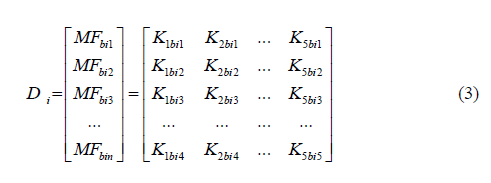

Finally, the agreement index was computed as the product of the grade levels (V= 1, 2, 3, 4, 5) and the fuzzy evaluation matrix (Rᵢ), enabling the ranking of all nine barriers according to their perceived significant level. For a given group, the agreement index is calculated by summing the products of each Likert scale rating (on a five-point rating scale) and its corresponding MF values. This systematic approach provided a clear and evidencebased evaluation of the barriers to disabled students’ inclusion in Pakistani higher education institutions.

Result
Table 2 presents the demographic profile of the respondents who participated in the study. Most of the respondents were male (61.4%), while female students accounted for 38.6%, reflecting the historical trend of male students’ dominance in academic enrolment. The largest age group of respondents was between 20-24 years (43.2%), followed by 27.3% aged 25-29 years. This indicates that most participants were young adults, representing the active student population of higher institutions. Regarding the year of study, 29.5% of the respondents were in their fourth year and another 25% were postgraduate students, showing that most participants had advanced experience within their academic programs. Most of the responses came from Islamic International University (88.6%), while other universities, such as Mirpur University of Science and Technology (6.8%) and others contributed smaller proportions.
Table 2: Background information of respondents.

The respondents came from a wide range of disciplines, including Arabic (13.6%), Sociology (11.4%), Sharia and Law (11.4%) and Urdu (11.4%), indicating diverse academic backgrounds. Overall, the demographic profile demonstrates a diverse yet representative sample of the student population, capable of providing meaningful insights into the barriers hindering disabled students’ inclusion in Pakistani higher educational institutions. Types of disabilities of the respondents is shown in Table 3. Mobility impairment (47.7%) and visual impairment (45.5%) emerged as the most common forms of disability among participants, indicating that physical accessibility and visual support services are central concerns in Pakistani higher education. Other conditions include learning disabilities (13.6%), chronic health conditions (13.6%) and intellectual disabilities (11.4%), which together highlight the need for instructional infrastructure. Emotional disabilities were least reported (2.3%), possibly reflecting underdiagnosis or limited recognition within institutional settings. This study further explores if there are students with an undisclosed disability. Interestingly, five of the respondents (11.4%) indicated they have undisclosed disabilities. In exploring the potential reasons for nondisclosure, the most commonly cited factor was privacy or personal choice (27.3%), followed closely by fear of discrimination (25%) and perceived lack of institutional support (25%). These findings highlight the perceived risks and mistrust that students with disabilities associate with revealing their conditions. Additional factors included concerns about career progression (22.7%) and uncertainty regarding the disclosure process (20.5%), underscoring systemic barriers that inhibit openness about disability status. In contrast, stigma and stereotypes (6.8%) were reported less frequently, suggesting that while social attitudes remain relevant, institutional and structural factors play a more significant role in discouraging disclosure, as summarized in Table 4.
Table 3: Disabilities of the respondents.

Table 4: Reasons for undisclosed disability.

The descriptive analysis in Table 5 shows the nine groups of barriers hindering the inclusion of students with disabilities in higher education institutions. Each barrier category consists of several specific items with specific code for easy representation. In the overall opinions of the respondents, the most critical issue for physical (architectural barriers) is lack of signage (PAB2, M=3.50). Within the attitudinal barriers, misconceptions about disabilities (ATB5, M=3.43) stands out as the most significant, highlighting that negative perceptions and behaviors toward people with disabilities persist among members of the academic community. The curriculum barriers are most influenced by CUB3 (M=3.95), which shows that course content and delivery often fail to accommodate diverse learning needs. In the political (regulatory) barriers, bureaucratic barrier (PRB1, M=3.82) is the most significant critical, reflecting the inadequacy or weak enforcement of disability-related policies and regulations. Among communication barriers, unavailability or shortage of proper study materials (COB1, M=3.75) ranks highest, emphasizing that limited accessibility in information sharing and interaction still affects inclusion efforts. The societal barriers are led by peer exclusion (SOB4, M=3.59), revealing persistent social misconceptions and exclusionary norms that shape institutional practices. For financial barriers, FIB1 (M=4.02) is the most notable, underscoring the high cost of assistive technologies and inadequate funding support for disabled students. Within the knowledge and training barriers, KTB2 (M=4.34) emerges as the most critical, indicating that insufficient training and awareness among staff significantly hinder effective disabled students’ inclusion. Lastly, for institutional barriers, INB4 (M=4.27) represents the most impactful factor, reflecting gaps in institutional frameworks and leadership commitment to inclusive practices. Overall, the findings from Table 5 reveal that the most pressing challenges to inclusion are rooted not only in physical and financial constraints but also in knowledge-related, institutional readiness and the level of staff awareness.
Table 5: Descriptive statistics of barriers to disabled students’ inclusion in higher education institutions.

Note: M: Mean; SD: Standard deviation
Mean, weighting, internal consistency and membership functions
Table 6 shows the results of mean score, weighting, alpha values and membership functions of the barriers to disabled students’ inclusion in Pakistani higher education. Knowledge and training emerge as the strongest barrier group: it has the highest group mean score of 16.82. Its membership function shows a large value on the highest grade (fifth element=0.636, KTB2), meaning these items strongly belong to the more severe barrier level. Institutional barriers follow closely with a group mean value of 16.30 and a similarly high fifth-element membership (0.500, INB5), showing consistent agreement that institutional factors are severe. Communication and societal barriers have a group mean scores of 10.64 and 14.11, respectively. By contrast, curriculum-related and physical barriers had group mean scores of 10.50 and 9.73, emerging as the least among the barriers to disabled students’ inclusion in higher educational institutions. Internal consistency of the group of barriers was assessed using the Cronbach’s alpha (see Table 6. Societal, communication, financial and institutional groups show strong reliability (alpha≈0.82-0.89), while the physical group has internal consistency alpha value of 0.587. Finally, the fuzzy membership vectors confirm the quantitative picture: groups with larger fifth-element values have stronger fuzzy membership to the most severe barrier level (notably knowledge/training and institutional), while groups with larger first-element values lean toward lower severity (for example, some attitudinal items). The Membership Functions (MF) in the FSE range from 0 to 1. The MF (Level 1) of an item of barriers to disabled students’ inclusion in higher educational institutions was computed using Equation (2). Using poor attitude of other students (ATB2) as an example, the respondents indicated strongly disagree as 25%, disagree is 15.9%, neutral is 31.8%, agree is 13.6% and strongly agree was 13.6%. Therefore, MF of ATB2 is:

Table 6: Mean score, internal consistency and membership functions of disabled students’ inclusion in higher education institutions.

Note: Wv: Weighting of each barrier and Wv: Weighting of group of barriers
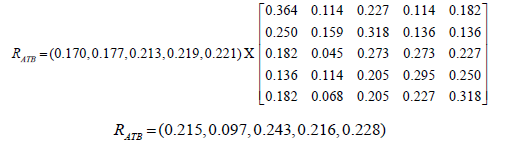
In the same vein, the MFs (Level 2) of the barriers to disabled students’ inclusion were computed using the respondents’ rating. The MFs (Level 1) were computed using Equation (4) by multiplying the MFs (Level 2) of each causal factor with the associated weighting derived from Equation (1). For example, the ATB (Level 1) is computed as follows:
Agreement index of the barriers to disabled students’ inclusion in Pakistani higher education
The agreement index for the nine groups of barriers to disabled students’ inclusion was presented in Table 7. The results reveal that Knowledge and Training Barriers (KTB) ranked first with an agreement index of 4.213, meaning most respondents strongly agreed that lack of knowledge and training among staff and students is the biggest barrier to inclusion. This is followed by Institutional Barriers (INB) with an index of 4.076, showing that weak institutional policies and poor implementation practices also create serious challenges. Financial Barriers (FIB) ranked third (3.799), indicating that inadequate funding and financial support limit accessibility and inclusion programs Policy-Related Barriers (PRB) ranked fourth (3.742), suggesting that unclear or outdated policies contribute to exclusion. Curriculum Barriers (COB) and communication barriers (SOB) were ranked fifth (3.655) and sixth (3.552), respectively. Societal barriers (CUB) ranked seventh (3.532), while Physical and Architectural Barriers (PAB) ranked eighth (3.250), implying that although infrastructure challenges exist, they are not as severe as institutional or training issues. Attitudinal Barriers (ATB) were ranked ninth (3.142), showing that personal attitudes, though important, were seen as less critical compared to structural and knowledge-based problems. Overall, the findings show that organizational and knowledge-related issues are the strongest obstacles to disabled students’ inclusion in Pakistani higher educational institutions, more than physical or attitudinal factors.
Discourse of focus group participants
Some selected excerpt of the discourse on the barriers to disabled students’ inclusion in Pakistani higher education is shown in Table 8. Most of the focus group participants mentioned physical (architectural) barriers, indicating their institution was not designed to encourage disabled students’ inclusiveness (FGP3). Other prominent barriers to disabled students’ inclusion are financial and knowledge related.
Discussion
Knowledge and training barriers
The FSE identifies Knowledge and Training Barriers (KTB) as the most significant obstacles to disabled students’ inclusion in Pakistani higher educational institutions (Table 7). The convergence of high means and dominant fuzzy membership reveals that educators’ lack of training, professional development and knowledge of inclusive practices are consistently perceived as key barriers to disabled students’ inclusion in Pakistani higher education (Table 6). According to the focus group participants (FGP2, 5, 7, 9 and 10), the lecturers could have done better in the delivery of teaching if provided with funds for professional training to manage unique disabilities of students in their class. Interestingly, the disabled students are generally assessed the same as students without disabilities (FGP3), but some lecturers are more lenient with disabled students in teaching and relating with them (FGP5). According to FGP9 mentioned that lack of disabilityspecific training and modules for the lecturers may be attributed to the university not being exclusively dedicated to disabled students. The findings align with studies in the Philippines, where teacher capacity gaps directly limit inclusion [76] and in Europe, where Bjørneras et al. [77] found similar deficiencies. The dominance of this barrier in both Table 5 and Table 6 underscores that without targeted training, awareness programs and institutionalized professional development, genuine disabled students’ inclusion in Pakistan’s universities will remain unachievable.
Table 7: Agreement index of barriers to disabled students’ inclusion.

Institutional barriers
Institutional barriers rank second in FSE significance (Table 7), with most of the items having mean scores above 4.0 (INB1=4.02; INB2=4.05; INB3=3.95; INB4=4.27). The findings reflect a systemic lack of policy enforcement, resource allocation and administrative support. Respondents strongly agreed that the absence of clear institutional policies (INB4=4.27) and weak leadership commitment aggravate exclusion of Priyanka & Samia [67]. A Focus Group Participant (FGP1) mentioned that disabled students organized awareness campaign on campus, but unfortunately the university leadership did not attend, buttressing lack of commitment to the need of disabled students. FGP2 further indicated that weak institutional framework is the bedrock of rigid curriculum design or lack of financial support for disabled students. Comparable outcomes appear in India, where Kaur & Salian [78] reported that policy inertia and limited leadership willpower hinder inclusion. Conclusively, the FSE confirms that institutional negligence, not individual unwillingness, remains one of the most entrenched obstacles to equitable inclusion in Pakistani higher education.
Financial barriers
The FSE places financial barriers in the third position (Table 7). The data highlight that both familial economic hardship (FIB1) and institutional underfunding (FIB3) constrain disabled students’ inclusion in Pakistani higher educational institution. According to the disabled students, the financial support for their mobility and learning is mainly from their parents and family members (FGP1, 3, 9 and 10). It is worth noting that, when their parents could afford some assistive technologies, they still encounter other financialrelated issues in their studies (FGP5 and FGP7). Therefore, the lack of financial support or subsidies to acquire assistive technologies and meet other needs can be considered a key challenge for the learning of disabled students in higher education. The findings align with the submission of Salmi and D’Addio [66] that stressed economic inequalities that affect marginalized students. In Sub- Saharan Africa, Egan et al. [79] similarly reported that many disabled students drop out due to the high cost of assistive devices. Conversely, in Australia, Spiers & Harris [80] and Usher et al. [81] observed that the lack of dedicated funding for accommodations perpetuates inequity in higher education. In sum, financial inadequacies not only limit access to assistive technologies but also entrench a two-tiered educational system where disability inclusion depends on individual economic means.
Political (regulatory) barriers
Political and regulatory barriers recorded in the fourth rank in the FSE (see Table 7) with PRB1=3.82, PRB2=3.68, and PRB3=3.73), group mean (WG=11.23) and reliability value (α=0.796). The fuzzy membership vectors, concentrated in mid-to-upper grades, reveal that legislative gaps (PRB2) and bureaucratic inefficiency (PRB1) dilute the effectiveness of existing disability laws. According to FGP1, problems around policy formulation and enforcement are significant factors that affect disabled students’ inclusion in higher education. However, FGP2 opined that policy enforcement is the core challenge and not policy formulation. Interestingly, FGP8 noted that if political (regulatory) barriers are solved, significant number of hinderance to disabled students’ inclusion in higher institutions can be mitigated. On the part of FGP5, the noneffectiveness of disabled inclusive policies could be attributed to the lack or limited number of disabled individuals in formulating policies that concern disabled students or disabled individuals. Interestingly, the submission of the disabled students in the Focus Group discussion resonates with the UK, where Shaw [4] found that regulations are often symbolic rather than functional and with Ethiopia, where Alemu [82] reported similar weaknesses in higher education governance.
Curriculum barriers
Curriculum barriers emerged as the fifth group of barriers to disabled students’ inclusion in the FSE results (Table 7). According to FGP4, the rigid curriculum design because their university is not solely dedicated to teaching disabled students. Perhaps this is the reason why there are no specialized courses for disabled students in the institution (FGP6). Unfortunately, some disabled students find it hard to quickly grasp assimilate what was being taught in the university (FGP1). Meanwhile, some lecturers are not patient or perhaps trained in passing knowledge to disabled students (FGP3 and FGP7), which is understandable because of limited resources, training, and workload (FGP1 and FGP8-9). Studies from Spain confirm that inflexible curricula prevent reasonable adjustments for disabled students, while U.S. and Swedish universities also report that fixed pedagogical frameworks hinder learning diversity [83]. Hence, the FSE reveals that curriculum reform, though less urgent than training or institutional policies, remains essential for sustaining long-term inclusion in Pakistan’s higher education. Additionally, curriculum barriers point to the need for training to enhance lecturers’ knowledge in teaching disabled students.
Communication barriers
Communication barriers emerged as the sixth group of barriers to disabled students’ inclusion in the FSE results (Table 7). Variables such as COB1 (3.75), COB2 (3.55) and COB3 (3.34), while WG=10.64 and α=0.827 show both significance and consistency (Table 6). Lack of fund in the university could be described as the reason for lack or shortage of interpreters, braille materials and accessible digital resources (COB1-COB3) leaves many students unable to engage fully with academic materials (FGP3-5). The communication barriers experienced by disabled students in Pakistani higher education can be linked to financial problems (FGP5). According to FGP1 who expressed concern on the barriers faced by disabled student in Pakistani higher education, the use of “shortage” to describe the non-existence of materials that aid learning of disabled students did not convey the severity of the problem. The findings reiterate the problem of lack of fund for higher institutions to provide necessary facilities and equipment to enhance learning of disabled students. Similar problem is noted in developing nations like Nigerian universities that also face parallel problems where inaccessible online portals restrict engagement [84]. Communication exclusion translates directly into academic exclusion; without accessible formats and a consistent communication infrastructure, inclusion remains theoretical rather than practical.
Societal barriers
The FSE results show societal barriers as the seventh ranked key barriers to disabled students’ inclusion in Pakistani higher education (Table 7). According to FGP1, the societal barriers is not significant compared to other hinderances that was mentioned during discussion. He opined that the absence of university representatives in the awareness campaign organized by disabled students reflected a subtle societal exclusion. Unfortunately, societal exclusion or barriers are often noticed beyond our immediate circle of friends and colleagues (FGP7 and FGP9). Conclusively, these results affirm that inclusion is not only a structural issue but a socially constructed reality, without awareness and social acceptance, policy intervention alone cannot guarantee equity.
Physical (architectural) barriers
Physical or architectural barriers occupy eighth position in the FSE results (Table 7) with group mean value and internal consistency of 9.73 and 0.587 respectively. The moderate reliability and diverse membership scores indicate that experiences differ widely among respondents. According to FGP1 and FGP6, the university do not have sufficient physical facilities such as escalator or elevator to support disabled students’ mobility. All the disabled students indicated that there is no ramp to access some buildings, while elevators are not available at all to access higher floors. Interestingly, the ramp to access the ground floor of the building where the focus group was conducted was recently constructed (FGP5 and FGP8). The Focus Group participants reported that attending lectures on the upper floor of the university buildings requires them to rely on assistance of others. In fact, friends assisted them to attend the focus group discussion (FGP1, 4, 6, 7 and 11). According to all the disabled students, they need support from others to attend lectures every day. In Botswana & Mukhopadhyay [85] found comparable discrepancies, where older buildings remained exclusionary despite modernization policies. Pakistan’s universities display partial progress; while physical infrastructure is improving in pockets, bureaucratic and administrative hurdles continue to make accessibility inconsistent.
Attitudinal barriers
Attitudinal barrier, which is a complex phenomenon, is the least ranked barrier in FSE outcomes (Table 7). According to all the disabled students, they do not have attitudinal-related barriers from their classmates and lecturers. In fact, they noted that colleagues commend their courage and determination to learn, providing positive reinforcement and motivation for them (FGP1 and FGP5). Participants reported that colleagues assisted them in locating the venue for the focus group discussion and ensured they were seated comfortably (FGP1-4, 7). Focus group participants noted that, although people in Pakistan are generally kind to disabled individuals, they nevertheless encountered people who are unkind to them (FGP2 and FGP3).
Recommendations and Implications
Recommendations
Based on the findings, higher educational institutions in Pakistan should prioritize capacity building and continuous professional training for academic and administrative staff to improve their understanding of inclusive education and disability support. Universities should develop and enforce institutional policies that promote accessibility, ensure accountability and allocate sufficient budgets for disabled students’ inclusion. Financial support schemes, including scholarships and funding for assistive technologies, must be expanded to reduce financial burdens on students with disabilities. In addition, clear communication frameworks, such as accessible digital learning platforms, interpreters and assistive materials, should be integrated into all academic processes. Awareness campaigns are also needed to address societal and attitudinal barriers by promoting empathy, inclusion and equal opportunities (Table 8).
Table 8: Discourse on barriers to disabled students’ inclusion in Pakistani higher education./p>

Theoretical contributions
This study contributes to the existing literature by extending the application of FSE to analyze barriers to disabled students’ inclusion in higher education, an approach rarely employed in the Pakistani context. The results provide a multi-dimensional and datadriven framework for understanding how institutional, financial, and knowledge-based barriers interrelate and collectively shape exclusion. By demonstrating the relative weight and agreement level of each barrier through fuzzy logic, this research enriches theories of inclusion with quantitative and qualitative evidence of systemic inequality. It also strengthens the argument that inclusive education must be understood not as a single-factor issue but as a complex, interdependent system requiring coordinated interventions.
Managerial implications
University administrators and policymakers should treat inclusive education as a strategic priority rather than a social obligation. Leadership should institutionalize disabled students’ inclusion through dedicated offices, budgetary allocations and monitoring frameworks. Recruitment and promotion policies must reward inclusive practices, while partnerships with Non- Governmental Organizations (NGOs) and disability organizations can enhance implementation. Regular FSE-based evaluations can help managers track progress and dynamically adjust interventions. Ultimately, effective inclusion will improve institutional reputation, student diversity and compliance with global accessibility standards.
Limitations of the study
This study investigated the barriers to disabled students’ inclusion in Pakistani higher education using explanatory sequential research design. The methodological approach, comprising both quantitative and qualitative data collection, provides strength and insight into the problems faced by disabled students. Although this study contributes to the body of knowledge on inclusion of disabled students in higher institutions, there are some certain limitations that could limit the generalizability of the study and also guide future research. While the disabled students provided the data for this study, the opinions of school administrations, instructors and other stakeholders in Pakistani universities could also provide further insights into why the challenges persist. The data from this study was collected from four selected universities; therefore, gathering data from universities in other cities in Pakistan could provide more information on the barriers faced by disabled students. Future studies could also explore the impact of these barriers on the academic performance of the disabled students. While the focus group conducted provides qualitative information to support the quantitative findings, there are limitations that can inform future studies. Focus groups often require multiple sets of participants with similar characteristics; however, this study involved only a single group of participants. Although the single group size is satisfactory and the mixed methodology approach gives credibility to the study, future research could include multiple groups based on their disability type.
Conclusion
Globally, the inclusion of people with disabilities in higher educational institutions remains a continuing challenge. Despite international frameworks promoting inclusive education, many universities still struggle with barriers such as inaccessible environments, limited training for educators, poor institutional policies and negative social attitudes. These obstacles prevent students with disabilities from fully participating and benefiting from higher education opportunities. In Pakistan, the issue is even more pressing. While policies supporting inclusive education exist, their implementation within higher institutions remains weak. This study was therefore necessary to explore the specific barriers hindering disabled students’ inclusion in Pakistani higher educational institutions. From a comprehensive and systematic literature review, nine major barrier categories were identified: knowledge and training, institutional, financial, political/regulatory, communication, societal, curriculum, physical (architectural) and attitudinal barriers. The study adopted an explanatory sequential research design, which combines both quantitative and qualitative data for an objective and structured analysis of how each barrier contributes to the overall challenge of inclusion. The findings revealed that knowledge and training barriers were ranked as the most critical (agreement index=4.213), followed by institutional (4.076) and financial barriers (3.799). This shows that the lack of staff competence, inadequate institutional support and financial constraints are the biggest threats to disabled students’ inclusion in Pakistan’s higher educational system. Other barriers, such as communication (agreement index=3.552), societal (3.532), architectural barriers (3.250) and attitudinal barriers (3.142) ranked sixth, seventh, eighth and nineth positions. However, the study was limited by its sample size, which may not represent all universities in Pakistan. Future research should consider a wider scope, qualitative research approaches such as interviews, focus group study and cross-country comparisons. In conclusion, this study demonstrates that inclusive education in Pakistan requires systemic reform, beginning with teacher training, institutional policy enforcement, and sustainable funding. Building an accessible, informed and supportive learning environment will not only benefit students with disabilities but also promote equality, innovation and academic excellence across the nation’s higher education landscape.
Author Contributions
Conceptualization, M.Q.R. and A.L.; methodology, M.Q.R. and A.L.; software, L.D.O.; validation, M.Q.R., A.L., and N.S.; formal analysis, L.D.O.; investigation, M.Q.R., A.L., and N.S.; resources, M.Q.R., A.L. and L.D.O.; data curation, M.Q.R., A.L., and N.S.; writing—original draft preparation, L.D.O.; writing—review and editing, M.Q.R., A.L., and N.S.; visualization, M.Q.R., A.L., and N.S.; supervision, M.Q.R., A.L., and N.S.; project administration, M.Q.R. and A.L.; funding acquisition, M.Q.R. All authors have read and agreed to the published version of the manuscript.
Funding
This research was funded by British Council, grant number DIP2024-020” and “The APC was funded by British Council.
Institutional Review Board Statement
The study was conducted in accordance with the Declaration of Helsinki and approved by the Ethics Committee of University of Built Environment, UK and Islamic International University Pakistan on 15 May 2025 and 28 May 2025, respectively.
Informed Consent Statement
Informed consent was obtained from all participants involved in the study.
Data Availability Statement
The data used and/or analyzed during the study are available from the corresponding authors on reasonable request.
Acknowledgment
We acknowledge the support and funding provided by the British Council for this project. Their commitment to fostering disability inclusion has been instrumental in making this work possible.
Conflicts of Interest
The authors declare no conflicts of interest
Disability Language/Terminology Positionality Statement
The authorship team comprises researchers and educators with both prior and ongoing research interests in equity, gender equality and disabled students’ inclusion. The participants in our study exhibit a strong preference for identity-first language. Consequently, we have decided to employ identity-first language consistently throughout the manuscript. We acknowledge the voluntary contributions of the study participants and express our respect for their diverse opinions, beliefs and lived experiences. We endeavoured to ensure that all study participants were treated with appropriate consideration, dignity, equality, fairness and autonomy and we sought their informed consent prior to their participation in the study. These factors influenced our worldviews, shaped our understanding of others’ perspectives, guided how we conducted our study and determined how we engaged with study participants.”
References
- UNESCO (2020) Global education monitoring report 2020: Inclusion and education-All means all. UNESCO, Paris, France.
- Fiorati RC, Elui VMC (2015) Social determinants of health, inequality and social inclusion among people with disabilities. Revista Latino-Americana De Enfermagem 23(2): 329-336.
- Walton E, McIntyre J, Awidi SJ, De Wet-Billings N, Dixon K, et al. (2020) Compounded exclusion: Education for disabled refugees in Sub-Saharan Africa. In Frontiers in Education. Frontiers Media SA 5: 7.
- Shaw A (2024) Inclusion of disabled higher education students: Why are we not there yet? International Journal of Inclusive Education 28(6): 820-838.
- Mitchell RJ, Ryder T, Matar K, Lystad RP, Williams RC, et al. (2022) An overview of systematic reviews to determine the impact of socio-environmental factors on health outcomes of people with disabilities. Health & Social Care in the Community 30(4): 1254-1274.
- Veerabathiran R, Thomas SM (2025) socioeconomic challenges faced by people with disabilities in Asia and Africa. In disability across continents: Evolving policies and cultural shifts in Asia and Africa. Singapore: Springer Nature Singapore (pp. 47-68).
- World Bank (2024) Disability Inclusion Overview.
- National Center for Education Statistics (2024) College students with disabilities: Facts and statistics.
- World Health Organization (2021) Disability and health in Asia.
- Bernick P, Takahashi T, Takahashi K (2023) Chapter 4: Overview of disability services in higher education in Japan. Handbook of Higher Education and Disability. Edward Elgar Publishing, Cheltenham, UK, Pp. 37-51.
- UNICEF (2021) Mapping of disability-Inclusive education practices in South Asia.
- Haq Z, Afaq S, Ibrahim M, Zala, Asim M (2025) Prevalence of communicable, non-communicable diseases, disabilities and related risk factors in Khyber Pakhtunkhwa Pakistan: Findings from the Khyber Pakhtunkhwa integrated population and health survey (2016-17). PloS One 20(2): e0308209.
- Hussain S, Shahzadi U, Itbar Khan (2020) Challenges to learners with disabilities in the higher education institutions in Pakistan: A Review. Research Journal of Social Sciences and Economics Review 1(3): 12-19.
- Zahid G, Khan AS, Keshf Z (2018) Services for students with disabilities at higher education of Pakistan. European Journal of Education Studies 5(5): 260-273.
- Mohsin MR, Aamir RH, Khan S (2024) Barriers to inclusion: Challenges faced by physically impaired students in higher education institutions of Bahawalpur, Pakistan. Sociological Research and Innovation 2(2): 43-60.
- Gilani N, Waheed SA, Lakhvi MZ (2020) Prevalence of disability categories in special education: A potential barrier to inclusive education and Islamic perspective. AL-Qalam 25(1): 83-95.
- Kamran M, Siddiqui S, Adil MS (2023) Breaking barriers: The influence of teachers’ attitudes on inclusive education for students with mild learning disabilities (MLDs). Education Sciences 13(6): 606.
- Kumari N (2019) Karmic philosophy and the model of disability in ancient India. Shanlax International Journal of Arts Science and Humanities 7(1): 39-43.
- Hari KC (2016) Disability discourse in South Asia and global disability governance. Canadian Journal of Disability Studies 5(4): 25-62.
- Kamenopoulou L, Dukpa D (2018) Karma and human rights: Bhutanese teachers’ perspectives on inclusion and disability. International Journal of Inclusive Education 22(3): 323-338.
- Bethge M, Von Groote P, Giustini A, Gutenbrunner C (2014) The world report on disability: A challenge for rehabilitation medicine. American Journal of Physical Medicine & Rehabilitation 93(1Suppl 1): 4-11.
- Grönvik L (2007) Defining disability: Effect of disability concept on research outcomes. International Journal of Social Research Methodology 12(1): 1-18.
- Baart J, Elbers W, Schippers A (2023) Who is disabled? On whether the functional definition of disability targets the same individuals as the subjective definition. Frontiers in Sustainability 4: 1163128.
- Ministry of education government of Pakistan (2009) National Education Policy.
- Rashid M, Fatima M, Azmat M, Mahmood T (2025) Early Childhood Education in Punjab, Pakistan: Navigating challenges and exploring solutions-A narrative review. The Critical Review of Social Sciences Studies 3(1): 2214-2228.
- Pakistan country commercial guide (2026) Education: Overview.
- US Department of Commerce (2023) Pakistan education and training services: Industry snapshot. International Trade Administration.
- Government of Pakistan (2026) Adult literacy.
- UNICEF (2026) Education: Giving every child the right to education.
- PIDE (2025) Educational exclusion of children with special needs in Pakistan.
- Schools 2030 (2023) Learning differences report: Pakistan.
- Ayub S (2022) Obstacles faced by students with disabilities in colleges due to the lack of inclusive educational frameworks in Pakistan doctoral dissertation, College of Education, Phycology and Social Work, Flinders University, Australia.
- Smith SA, Woodhead E, Newman CC (2021) Disclosing accommodation needs: Exploring experiences of higher education students with disabilities. International Journal of Inclusive Education 25(12): 1358-1374.
- Mendoza M, Heymann J (2024) Implementation of inclusive education: A systematic review of studies of inclusive education interventions in low-and lower-middle-income countries. International Journal of Disability, Development and Education 71(3): 299-316.
- UNESCO (2024) Breaking barriers in higher education for and with students with disabilities.
- Carrillo-Sierra SM, Pinzón-Ochoa M, Rangel-Pico AN, Paris-Pineda OM, Gómez Vásquez MF (2025) Perceptions of barriers to inclusion in students with disabilities in higher education institutions. Societies 15(2): 37.
- Kearney A (2009) Barriers to school inclusion: An investigation into the exclusion of disabled students from and within New Zealand schools: A thesis presented in partial fulfilment of the requirements for the degree of Doctor of Philosophy in Education at Massey University, Palmerston North, New Zealand.
- Alhusban AA, Almshaqbeh SN (2024) Delivering an inclusive built environment for physically disabled people in public universities (Jordan as a case study). Journal of Engineering, Design and Technology 22(6): 1980-1998.
- Banks J, Shevlin M, Ryan JB, Randall KN, Walters E (2025) Challenges, successes and transformative practices: An overview of a university programme for students with intellectual disabilities in Ireland. How to Create an Inclusive Post-Secondary Education Program (1st edn), p. 214.
- Lopez-Gavira R, Morina A, Morgado B (2021) Challenges to inclusive education at the university: The perspective of students and disability support service staff. Innovation: The European Journal of Social Science Research 34(3): 292-304.
- Bishop D, Rhind DJ (2011) Barriers and enablers for visually impaired students at a UK higher education institution. British Journal of Visual Impairment 29(3): 177-195.
- Torgbenu EL, Oginni OS, Opoku MP, Nketsia W, Agyei-Okyere E (2021) Inclusive education in Nigeria: Exploring parental attitude, knowledge and perceived social norms influencing implementation. International Journal of Inclusive Education 25(3): 377-393.
- Shpigelman CN, Mor S, Sachs D, Schreuer N (2022) Supporting the development of students with disabilities in higher education: Access, stigma, identity and power. Studies in Higher Education 47(9): 1776-1791.
- Sánchez-Díaz MDLN, Morgado B (2022) Moving toward the inclusion of university students with disabilities: Barriers, facilitators and recommendations identified by inclusive faculty. The Journal of Continuing Higher Education 70(3): 175-191.
- Myronova S, Dokuchyna T, Rudzevych I, Smotrova O, Platash L (2021) Current problems of teachers' readiness of higher educational institutions for implementing inclusive education. Revista Romaneasca Pentru Educatie Multidimensionala 13(3): 151-165.
- García-González JM, Gómez-Calcerrada SG, Solera Hernández E, Ríos-Aguilar S (2021) Barriers in higher education: Perceptions and discourse analysis of students with disabilities in Spain. Disability & Society 36(4): 579-595.
- Fitri A (2022) Inclusive education curriculum management with modification humanistic design. Journal of Social Studies Education Research 13(3): 150-173.
- Qu X (2022) Structural barriers to inclusive education for children with special educational needs and disabilities in China. Journal of Educational Change 23(2): 253-276.
- Waisath W, Mc Cormack M, Stek P, Heymann J (2024) Dismantling barriers and advancing disability-inclusive education: An examination of national laws and policies across 193 countries. International Journal of Inclusive Education 28(10): 2088-2103.
- Jardinez MJ, Natividad LR (2024) The advantages and challenges of inclusive education: Striving for equity in the classroom. Shanlax International Journal of Education 12(2): 57-65.
- Beyene WM, Mekonnen AT, Giannoumis GA (2023) Inclusion, access and accessibility of educational resources in higher education institutions: Exploring the Ethiopian context. International Journal of Inclusive Education 27(1): 18-34.
- Majoro NE (2021) Challenges of using sign language interpreting to facilitate teaching and learning for learners with hearing impairment. An Unpublished Doctoral dissertation, National University of Lesotho, South Africa
- Candia Roa NA, Niño Rodriguez KD (2023) Examining braille material and its support in the academic process. Enletawa Journal 16(2): 1- 31.
- Cologon K (2022) Is inclusive education really for everyone? Family stories of children and young people labelled with ‘severe and multiple’or ‘profound’‘disabilities’. Research Papers in Education 37(3): 395-417.
- Sijuola R, Davidova J (2022) Challenges of implementing inclusive education: Evidence from selected developing countries. Rural Environment Education Personality 15: 140-147.
- Almoghyrah H (2023) The challenges of implementing individualized education plans with children with Down syndrome at mainstream schools in Riyadh, Saudi Arabia: Teachers’ perspectives. International Journal of Disability, Development and Education 70(3): 291-313.
- Lopatynska N, Deka I, Dobrovolska N, Omelchenko M, Protas O (2023) The role of inclusive education in the social integration of children with special educational needs. Brazilian Journal of Education, Technology and Society 16(1): 135-142.
- Reeves P, Ng SL, Harris M, Phelan SK (2022) The exclusionary effects of inclusion today: (Re) production of disability in inclusive education settings. Disability & Society 37(4): 612-637.
- Xie Z, Zhang LF (2025) Attitudes towards inclusive education and organizational commitment: Comparing three types of teachers in Chinese inclusive education schools. Asia Pacific Journal of Education 45(2): 353-366.
- Bartolo PA, Borg M, Callus AM, De Gaetano A, Mangiafico M, et al. (2023) Aspirations and accommodations for students with disability to equitably access higher education: A systematic scoping review. Frontiers in Education 8: 1218120.
- Fuller M, Healey M, Bradley A, Hall T (2004) Barriers to learning: A systematic study of the experience of disabled students in one university. Studies in higher education 29(3): 303-318.
- Ahmad W (2012) Barriers of inclusive education for children with intellectual disability. Indian Streams Research Journal 2(2): 1-6.
- Hersh M, Mouroutsou S (2019) Learning technology and disability-Overcoming barriers to inclusion: Evidence from a multicountry study. British Journal of Educational Technology 50(6): 3329-3344.
- Lindsay S, Cagliostro E, Carafa G (2018) A systematic review of barriers and facilitators of disability disclosure and accommodations for youth in post-secondary education. International Journal of Disability, Development and Education 65(5): 526-556.
- Hendry G, Hendry A, Ige H, McGrath N (2021) I was isolated and this was difficult”: Investigating the communication barriers to inclusive further/higher education for deaf Scottish students. Deafness & Education International 23(4): 295-312.
- Salmi J, D’Addio A (2021) Policies for achieving inclusion in higher education. Policy Reviews in Higher Education 5(1): 47-72.
- Priyanka S, Samia K (2018) Barriers to inclusive education for children with special needs in schools of Jammu. The International Journal of Indian Psychology 6(1): 93-105.
- Moriña A (2022) Inclusive education in higher education: Students with disabilities’ experiences and challenges. International Journal of Educational Research 113: 101977.
- Fuller M, Healey M, Bradley A, Hall T (2023) Barriers to learning: A systematic review of disability disclosure and support in higher education. Studies in Higher Education 48(6): 1152-1171.
- Ahmed N, Malik S (2021) Social stigma and the invisibility of disability in Pakistan’s higher education institutions. Disability & Society 36(8): 1302-1320.
- Riddell S, Weedon E (2020) Disability, disclosure and inclusion in higher education: Barriers and drivers to participation. British Journal of Sociology of Education 41(7): 1001-1016.
- Toyon MAS (2021) Explanatory sequential design of mixed methods research: Phases and challenges. International Journal of Research in Business and Social Science (2147-4478) 10(5): 253-260.
- Kaehne A, O'Connell C (2010) Focus groups with people with learning disabilities. Journal of Intellectual Disabilities 14(2): 133-145.
- Kroll T, Barbour R, Harris J (2007) Using focus groups in disability research. Qualitative Health Research 17(5): 690-698.
- Krueger RA, Casey MA (2009) Focus groups: A practical guide for applied research. (2nd edn), SAGE, Thousand Oaks, California, USA.
- Custodio ZU (2025) Mind the gap: Bridging the divide between designing and implementing inclusion policies in the Philippines. Australian Journal of Asian Law 26(1): 73-88.
- Bjørnerås AB, Langørgen E, Witsø AE, Kvam L, Myhr D, et al. (2025) Disabled student ambassadors promote inclusion in Norwegian higher education: Building competencies and strategies for the future. Disability & Society 40(2): 354-378.
- Kaur R, Salian RH (2025) Teacher perspectives and barriers in implementing inclusive education for Indian children with special needs: A pilot study. British Journal of Special Education 52(1): 4-17.
- Egan R, Wilson R, Robertson M, Scandiffio J, White AR, et al. (2022) Barriers and facilitators to education experienced by students with disabilities in low-and middle-income African countries: A systematic review of qualitative evidence. JBI Evidence Synthesis 20(10): 2475-2511.
- Spiers MC, Harris M (2015) Challenges to student transition in allied health undergraduate education in the Australian rural and remote context: A synthesis of barriers and enablers. Rural and Remote Health 15(2): 3069.
- Usher K, Fagan A, Brown JA, Mather C, Marlow A, et al. (2022) The financial challenges for Australian nursing students attending placement-based work-integrated learning. Collegian 29(2): 154-160.
- Alemu A (2025) Breaking down biases: Exploring implementation of affirmative action programs in Ethiopian universities from the eyes of female students and Faculty at Madda Walabu University. High Education Policy.
- Hanreddy A (2020) Alternate curricula as a barrier to inclusive education for students with intellectual disabilities. International Electronic Journal of Elementary Education 12(3): 235-247.
- Ahmed MS, Rabiu MS, Igyuve AT (2024) Evaluating public relations strategies of ministry of education on inclusive education for people with special needs in select states of Nigeria. International Journal of Information Technology & Innovation in Africa 12(7): 65-84.
- Moswela E, Mukhopadhyay S (2025) Exploring the experience of inclusion of students with disabilities in Botswana’s institutions of higher education. Disability & Society.
© 2026 Muhammad Qasim Rana. This is an open access article distributed under the terms of the Creative Commons Attribution License , which permits unrestricted use, distribution, and build upon your work non-commercially.
Editor In Chief







.jpg)































Signup for Newsletter

Quick Links
 Editorial Board Registrations
 Submit your Article
 Best Paper of the Volume
 Reprints
 Refer a Friend
 Advertise With Us
Our Recent Edition

.jpg)



Top Editors




.jpg)

















.bmp)
.jpg)
.png)
.jpg)













.jpg)






.png)

.png)




.png)




Financial Support

Sponsors

Latest e-Books

Latest Video

 a Creative Commons Attribution 4.0 International License. Based on a work at www.crimsonpublishers.com.
Best viewed in
a Creative Commons Attribution 4.0 International License. Based on a work at www.crimsonpublishers.com.
Best viewed in 
 | Above IE 9.0 version