

- About Us
- Information
-

The Author ensures that the research has been conducted responsibly and ethically with adherence to all relevant regulations. read more..
- For Authors
- For Reviewer
- Manuscript Guidelines
- Membership
- Publication Ethics
-
- Journals
- Reprints
- e-Books
- Videos
- Policies
- Contact Us
 COVID-19
- Submissions



Full Text
COJ Robotics & Artificial Intelligence
From Library Automation to Library Robotics. The Current State in Greek Libraries
Sofia Stamou* and Anastasia Kanta
Department of Archives, Library Science and Museology, Ionian University, Greece
*Corresponding author: Sofia Stamou, Department of Archives, Library Science and Museology, Ionian University, Greece
Submission: March 20, 2026;Published: May 25, 2026

ISSN:2832-4463 Volume5 Issue3
Abstract
Libraries have embraced many technological developments in their daily operations to improve their efficiency and fulfill their mission of serving the community by collecting and providing information sources and knowledge. Librarians now perform many of their tasks through platforms and applications specifically developed or adapted to meet the needs of libraries and their users. Consequently, the traditional focus on library automation is gradually evolving toward the concept of smart libraries. An important transitional step in this transformation is the use of robots, either as tools for automation or as intelligent work assistants. In this article, we present the first research attempt to record, analyze, and evaluate the level of maturity that libraries in Greece demonstrate in adopting robots in their activities. To conduct this research, we carried out a study involving 63 Greek libraries across various sectors. The findings indicate that although Greek librarians initially maintain a somewhat skeptical attitude toward robots, they are nevertheless willing to adopt the technological advances that robotics can bring to library services. This study advances the literature by incorporating inferential statistical analysis to demonstrate that library size significantly influences technological readiness, highlighting structural inequalities in the transition toward robotics in library environments.
Introduction
Libraries demonstrate notable progress in applying new technologies so that they adapt both their functional efficiency and the services they provide to end users Borgman [1], Chowdhury [2]. Although the pace of this adaptation was relatively slow until the last few decades, the rapid evolution of digital technologies now requires libraries to adopt technological innovations more promptly so that they serve not only as information providers but also as promoters of innovation and digital literacy [3]. Over the years, libraries have continuously optimized their services by employing library automation systems such as Online Public Access Catalogues (OPACs), integrated library systems and more recently Library Service Platforms (LSPs), alongside robotics, artificial intelligence tools and other emerging technologies [4].
However, the benefits of technological advancement come at the cost of constant changes in library operations and in how librarians perform their duties. This development has resulted in a technological gap between libraries, where some institutions are technologically advanced and capable of providing innovative services, while others struggle with limited resources to keep up with current technological developments [5]. Economic constraints constitute a primary factor for this gap, but other issues are also involved, such as the technological literacy and training of library staff, organizational resistance to technological change, and concerns about the potential impact of automation on employment [6]. Ethical considerations arising from the excessive use of AI tools and automated decision-making, have also been raised in the library and information science literature [7].
This study aims to record and discuss the current situation in Greek libraries in terms of their readiness towards employing robots within their functional operations. In this respect, we carried out a survey in 63 Greek public libraries, where we recorded the level of automation in their provided services, their awareness of new library products and services that robotics have delivered, their willingness to transition from mere automation to robotics, the issues arising from such transition as well as the stance of librarians against AI-powered library services. The reason for focusing on robotics (physical systems) rather than software-based AI is twofold. On the one hand, robotics represents the interdisciplinary field of engineering and computer science concerned with the design, construction and operation of robots capable of performing tasks autonomously or semi-autonomously [8]. On the other hand, artificial intelligence has increasingly been integrated into robotics, leading to the development of intelligent and interactive humanoid robots capable of communicating with users and supporting service activities [9]. Therefore, before evaluating whether and how AI is adopted in Greek libraries, it is crucial to record the level of familiarity and readiness that Greek libraries demonstrate towards robotics. The novelty of this study lies in providing the first largescale empirical assessment of robotics readiness in Greek libraries, combining descriptive and inferential statistical analysis to examine how organizational characteristics influence technological maturity and willingness to adopt robotic technologies.
The rest of the article is organized as follows. In the following section we overview the impact robots can have in libraries and we present via several examples the current state of the art in library robots worldwide. Thereafter, we concentrate on the survey we carried out in Greek libraries, where we quantify the current situation in library technology products and we record the readiness of Greek libraries in deploying robots. Alongside, we refer to the limitations and obstacles of our study, as well as to the main barriers Greek libraries have to overcome before engaging into robotics. Obtained results and their implications are thoroughly discussed in a distinct section and we conclude the article with the lessons learnt from our study and we also propose the forthcoming steps Greek libraries have to take to increase their technological competitiveness.
Literature Review
The evolution of digital technologies has significantly transformed the role and functions of libraries in recent decades. Modern libraries increasingly rely on technological infrastructures to support information discovery, collection management and user services. Early technological adoption focused primarily on library automation systems, such as integrated library systems and online public access catalogues, which aimed to improve operational efficiency and access to library collections. Over time, these technologies have evolved into more sophisticated platforms that integrate digital collections, discovery tools, and cloud-based services [10]. This technological transformation has contributed to the emergence of the concept of the “smart library,” where digital technologies, Artificial Intelligence (AI), and automation systems are integrated to create more interactive and efficient information environments. In this context, libraries are increasingly adopting technologies such as machine learning, chatbots and automated metadata generation to improve search capabilities and personalize information services for users [11]. The growing complexity of digital information ecosystems and the increasing demand for fast and efficient access to knowledge have encouraged libraries to explore innovative technological solutions [12]. Among these emerging technologies, robotics has attracted particular interest due to its potential to automate repetitive tasks and enhance user interaction within library spaces.
Robotics refers to the design and implementation of machines capable of performing tasks autonomously or semi-autonomously through sensors, control systems, and artificial intelligence. In library environments, robotic technologies can support several operational functions including book retrieval, inventory management, shelf reading, and collection organization. These applications can significantly reduce manual workloads and increase the efficiency of library operations [13,14]. For example, robotic shelf-reading systems equipped with RFID and computer vision technologies can detect misplaced items and improve inventory control processes [15].
Recent research highlights how robotic technologies can be integrated into library workflows to automate cataloguing procedures, facilitate information retrieval and support routine maintenance tasks such as book sorting and shelving. By automating these processes, libraries can allocate more staff time to complex tasks such as research support and information literacy instruction [14]. In addition to improving operational efficiency, robotic technologies can also contribute to enhanced space management and collection accessibility. Automated storage and retrieval systems, which employ robotic mechanisms to store and retrieve materials, allow libraries to maintain large collections while significantly reducing the physical space required for traditional shelving systems. A recent European case study from the Oodi Central Library in Finland demonstrates how robotic systems can support automated material handling, inventory management and user-oriented services within technologically advanced public library environments [16]. The study highlights both operational benefits and the importance of staff training and organizational readiness for successful implementation.
Beyond internal operations, robots are increasingly used to enhance user services in libraries. Service robots can assist users with navigation, provide information about library services and answer frequently asked questions. Studies examining social service robots in academic libraries indicate that such technologies can help guide visitors through library spaces, introduce available services and support user orientation [13]. For example, studies conducted in Northern European library environments have explored the use of social robots for visitor guidance, interactive communication, and user engagement activities, demonstrating increasing experimentation with human-robot interaction in public and academic libraries [17].
Furthermore, the integration of robotics with artificial intelligence enables more advanced forms of human-robot interaction, allowing robots to understand natural language, recognize user behavior and provide personalized assistance [9]. Such developments position robots not merely as automation tools but as collaborative agents within library ecosystems.
Despite the potential benefits of robotics in libraries, several challenges hinder their widespread adoption. One of the most significant barriers is the high cost of robotic systems and related infrastructure, which may be difficult for many libraries to afford, particularly smaller institutions with limited budgets. Additionally, technological readiness and staff expertise play a crucial role in the successful implementation of robotics in libraries [18]. Libraries must ensure that their staff possess adequate technical skills to operate and maintain robotic systems, which often requires specialized training and professional development [19].
Another challenge concerns ethical and organizational issues, including concerns about data privacy, user trust, and the potential impact of automation on library staff roles. Some librarians fear that automation technologies may replace human labour, while others emphasize the importance of maintaining human interaction as a core element of library services. Ethical frameworks for AI and robotics, such as those proposed by Floridi et al. [7], highlight the need for transparency, accountability, and human oversight in technology-driven environments, including libraries.
In addition, organizational resistance to change and the lack of strategic planning for digital innovation may further slowdown the adoption of robotics in library contexts [6]. These barriers are particularly evident in countries where libraries face financial constraints and uneven technological development, such as Greece.
Although recent studies have explored the potential of robotics and artificial intelligence in library services, empirical research on the readiness of libraries to adopt robotic technologies remains limited, particularly at the national level. Most existing studies focus either on conceptual discussions or on case studies of individual libraries implementing robotic systems [14,20].
Consequently, there is a need for empirical investigations that examine how libraries perceive robotics, what technological infrastructure they possess, and what barriers they face in adopting robotic systems. Addressing this gap is essential for understanding the future development of robotics in library environments and for guiding strategic planning and policy development in the field of Library and Information Science. The present study contributes to this direction by providing a systematic, large-scale assessment of robotics readiness in Greek libraries, a context that remains underexplored in the international literature.
Robot Technologies in Greek Libraries: A Survey
Materials and methods
This study adopts a quantitative cross-sectional survey design, aiming to assess the level of technological maturity and readiness for robotics adoption among libraries in Greece. The research combines descriptive statistics with inferential statistical analysis to examine relationships between organizational characteristics and attitudes toward robotics. In addition, limited qualitative insights derived from open-ended responses are used to support the interpretation of quantitative findings.
Sampling strategy and participants: A purposive stratified sampling approach was employed to ensure representation across different types of libraries, including public, academic, special and children’s libraries. The initial sampling frame consisted of 95 libraries identified through the Greek Libraries Network and institutional directories. An inclusion criterion for participation was the existence of an active online presence (e.g., functional website or official contact email), which enabled communication and survey distribution. While necessary for practical reasons, this criterion may introduce a sampling bias toward more technologically developed libraries, potentially leading to a slight overestimation of overall technological readiness. A total of 63 libraries completed the questionnaire (response rate: 66.3%) within a three-week period (October 22 - November 10, 2025). The final sample includes: Public libraries (n=45), Academic libraries (n=10), Special libraries (n=7), Children’s libraries (n=1).
Participating institutions were instructed to have the questionnaire completed by a senior staff member or library professional with sufficient knowledge of the library’s technological infrastructure and services.
Questionnaire design and measurement constructs: The data collection instrument consisted of a structured questionnaire comprising 21 questions, developed based on existing literature in Library and Information Science and technology adoption studies. The questionnaire was organized into three thematic sections: 1. Organizational Profile, which records library type, location, years of operation, number of users and staff and staff qualifications. 2. Technological Infrastructure and Automation, which captures various types of automation systems in use (e.g., OPAC, cataloguing systems), the level of system adoption and library staff technological expertise. 3. Robotics Awareness, Attitudes, and Readiness, which records library awareness of robotics applications, willingness to adopt robotics, perceived barriers and requirements and potential use cases for robots. The questionnaire was designed to operationalize the following key constructs: technological readiness (infrastructure, funding, expertise), awareness of robotics (knowledge of applications) and attitude toward robotics (willingness and perceived usefulness). Internal consistency of multi-item constructs was assessed (Cronbach’s α>0.7), indicating acceptable reliability. Prior to distribution, the questionnaire was pilot-tested with a small number of library professionals (n≈4) to ensure clarity, relevance, and consistency of interpretation. Minor adjustments were made based on feedback.
Data collection procedure: The questionnaire was implemented using Google Forms and distributed via email. Follow-up communication (email and telephone) was conducted to clarify the purpose of the study and encourage participation. All responses were collected in Greek to ensure clarity and reduce misinterpretation. Participants were provided with a brief description of the study’s objectives, definitions of key terms (e.g., “automation”, “robotics”) and instructions for completing the questionnaire. Participants were encouraged to request clarification if needed, therefore ensuring consistency in understanding across responses. Confidentiality was ensured through a non-disclosure agreement between the research institution and participating libraries.
To ensure methodological transparency and consistency in reporting, the data collection and processing procedure followed principles adapted from the PRISMA (Preferred Reporting Items for Systematic Reviews and Meta-Analyses) framework, particularly regarding the identification, screening, eligibility, and inclusion of participating institutions. Libraries initially identified through the Greek Libraries Network and institutional directories were screened according to predefined inclusion criteria, while incomplete or inconsistent responses were excluded during the data preparation stage. The collected data were subsequently coded, cleaned, and organized into a structured dataset for statistical analysis.
Data processing and preparation: Survey responses were exported into a structured dataset for analysis. Data preprocessing included (i) encoding of categorical variables (e.g., Likert-scale responses converted to numerical values from 1 to 5), (ii) grouping variables, such as library size (small: ≤6 staff, large: >6 staff) and (iii) data cleaning, that is removal of incomplete responses (minimal, <5%) and consistency checks across related variables. Missing data were limited and handled using listwise deletion, as their impact on statistical power was negligible.
Research hypotheses: To guide inferential analysis, the
following hypotheses were formulated:
A. H1: Larger libraries demonstrate higher readiness for
robotics adoption than smaller ones.
B. H2: Staff size is positively associated with awareness of
robotics applications.
C. H3: The level of automation is positively correlated with
willingness to adopt robotics.
D. H4: Libraries with higher staff expertise exhibit more
positive attitudes toward robotics. This hypothesis is treated as
an exploratory hypothesis due to measurement limitations and is
examined descriptively rather than inferentially
Statistical analysis: Data analysis was conducted using statistical software (e.g., SPSS/R). The analysis proceeded in two stages: 1. Descriptive Analysis where frequencies and percentages were calculated to summarize library characteristics, adoption of automation technologies and awareness and attitudes toward robotics. 2. Inferential Analysis to test the research hypotheses. The statistical methods applied are independent samples t-test, which was used to compare robotics readiness between small and large libraries (H1), Pearson correlation analysis, which was used to examine relationships between staff size and robotics awareness (H2) as well as between automation level and willingness to adopt robotics (H3), chi-square tests of independence, which was used to explore associations between categorical variables, such as: library type and robotics awareness and library size and adoption level. The level of statistical significance was set at α=0.05.
Profile of the participating libraries
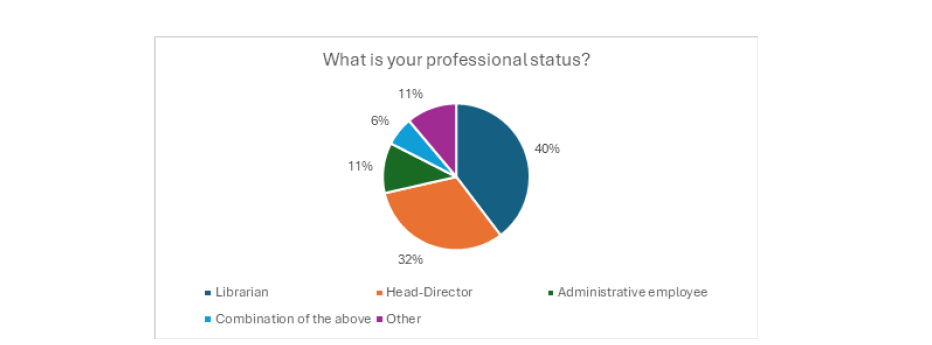
As previously mentioned, the first part of our questionnaire contained questions related to the profile of the participating libraries. The quantification of the answers we obtained from our survey participants is analyzed as follows. The 63 libraries that participated in our survey span across the following sectors: 45 are public libraries, 1 is children’s library, 10 of them are academic and 7 are special libraries. All of them, operate in Greece for more than 20 years, with 69.8% of the participating libraries being located in urban areas and 30.2% of them being located in small towns and/ or villages. The striking majority (90.5%) of those libraries have more than 500 subscribed active users and the number of people they employ (both permanent and temporary staff) distributes as follows: 28.6% of the libraries have 1-2 employees, 34.9% employ 3-6 people, 14.3% employ 8-10 people and 22.2% have more than 10 employees. The area of expertise for most of the libraries’ staff is that of librarianship, assisted by IT and management experts. Figures 1-3 quantify the profile of the libraries that took part in our survey.
Figure 1:Number of library active users.
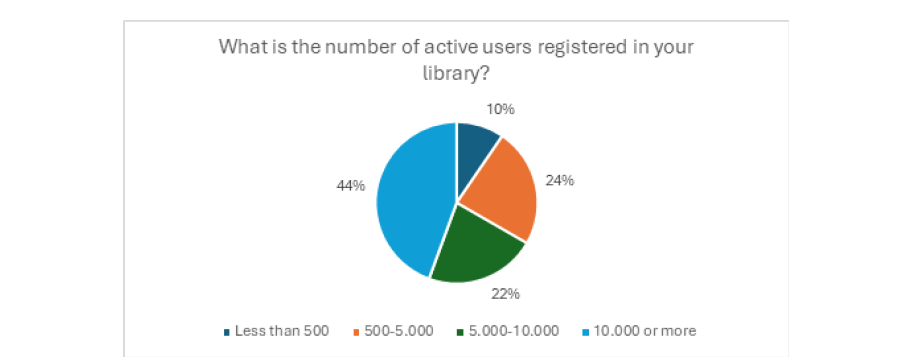
Figure 2:Number of library active users.

Figure 3:Number of library active users.
Obtained Results
Having outlined the profile of the participating libraries, this section presents the findings of the survey with respect to the level of automation currently implemented in Greek libraries, as well as their awareness of and readiness to adopt robotic technologies. The analysis combines descriptive statistics with inferential testing to provide a more comprehensive understanding of the observed patterns.
Level of automation in Greek libraries
Figure 4:Number of library active users.
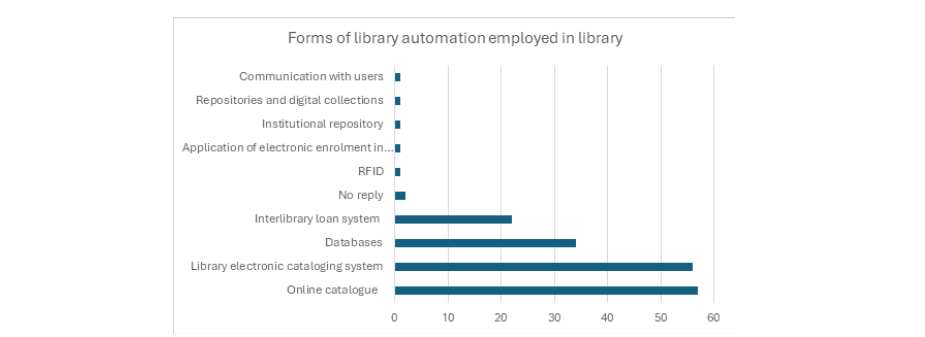
The findings indicate that automation technologies are widely adopted among Greek libraries. Specifically, 98.4% of the participating libraries report using at least one form of automation, suggesting that digital transformation at a foundational level has largely been achieved. As shown in Figure 4, the most prevalent automation tools include Online Public Access Catalogues (OPACs) (91.9%) and cataloguing systems (90.3%). More advanced systems, such as local databases (54.8%) and interlibrary loan systems (35.5%), appear less frequently, while technologies such as RFID systems and digital repositories remain sparsely implemented. The gap between core systems (OPAC: 91.9%) and advanced systems (RFID: low adoption) exceeds 50 percentage points, indicating a significant technological stratification rather than gradual adoption (Figure 4).
This distribution indicates a clear prioritization of accessoriented and core operational systems, while more advanced and infrastructure-intensive technologies lag behind. This pattern suggests that Greek libraries have successfully reached a baseline level of automation but have not yet transitioned to more integrated or intelligent systems. A Pearson correlation analysis revealed a moderate positive relationship between the number of users served and the level of automation (r=0.36, p<0.05), indicating that libraries with larger user bases tend to adopt a broader range of automation technologies. This finding supports the assumption that demand-driven pressures contribute to technological adoption, as libraries serving more users are more likely to invest in systems that improve efficiency and scalability. Open-ended responses reinforce this interpretation, with participants frequently citing financial constraints, limited infrastructure and lack of specialized personnel as the primary barriers to adopting more advanced systems [21].
Use of automation services by library users
With regard to end-user interaction, the results reveal that users primarily engage with online catalogues, with 91.9% of libraries reporting frequent use of this service (Figure 5). Other automated services appear to be significantly less utilized (Figure 5).
Figure 5:Number of library active users.
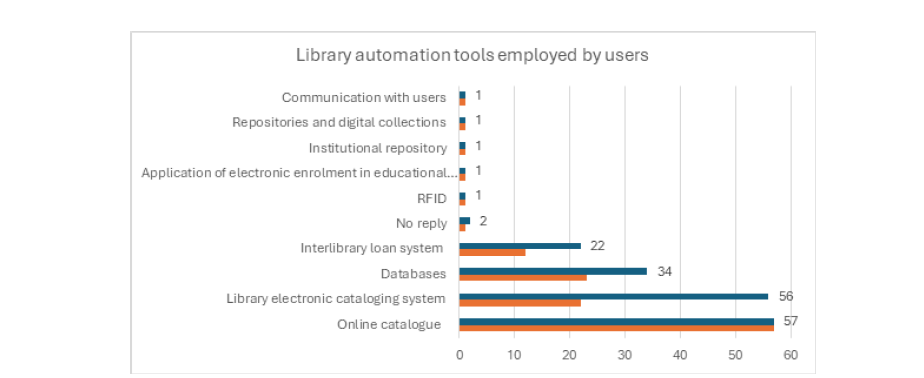
This finding suggests that user interaction with digital library services remains narrow in scope, focusing predominantly on search and retrieval functionalities. Despite the availability of additional automated services, user engagement does not appear to extend substantially beyond OPAC usage. The dominance of OPAC systems likely reflects their ease of use and familiarity, as well as their central role in information discovery. However, the limited use of more advanced services may indicate: insufficient user awareness, lack of user training and limited availability of interactive systems. This pattern highlights a potential underutilization of existing digital infrastructure, suggesting that the challenge is not only technological but also behavioral and educational.
Awareness and use of robotics in libraries
A central focus of this study is the level of awareness and adoption of robotic technologies in Greek libraries. The results demonstrate that robotics remains largely unfamiliar to most participants. Specifically, 73% of respondents reported no awareness of library robotics applications, while 19% indicated awareness without actual use and only 8% reported some level of implementation.
These findings highlight that robotics adoption in Greek libraries is still at an early stage, confirming observations from the international literature that robotics in libraries is an emerging field, often limited to pilot implementations or isolated case studies [14,20]. The low adoption rate can be attributed to several interrelated factors, including high implementation costs, lack of technical expertise, and limited exposure to relevant technologies.
A chi-square test of independence was conducted to examine the relationship between library size and robotics awareness. The results indicate a statistically significant association between the two variables, χ² (1, N=63) =4.12, p=0.042, Cramér’s V=0.26, suggesting a small-to-moderate effect size. This finding indicates that larger libraries are more likely to be aware of robotics applications compared to smaller ones
Participants also emphasized that insufficient training in advanced technologies significantly limits their ability to adopt robotics. This is consistent with previous studies suggesting that staff competencies and digital skills are crucial for the successful integration of emerging technologies in libraries [19].
Requirements and willingness to adopt robotics
Figure 6:Number of library active users.
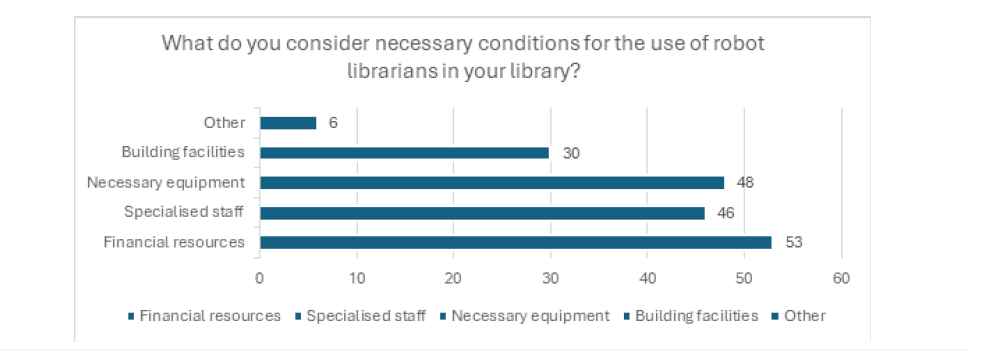
To further explore the conditions necessary for adopting robotics, participants were asked to identify key prerequisites. As shown in Figure 6, the most critical requirements include financial support (84.1%), technological equipment (76.2%), and qualified personnel (73%), followed by improved infrastructure (47.6%) (Figure 6).
These results highlight that robotics adoption is perceived primarily as a resource-intensive process, requiring both financial investment and organizational preparedness. The prominence of financial and human resource constraints indicates that adoption is not merely a technological issue but a structural and organizational challenge.
Despite these challenges, the findings reveal a moderate but notable willingness among libraries to adopt robotics, as illustrated in Figure 7. While a portion of respondents expressed a positive attitude, a significant number maintained a neutral stance. This ambivalence appears to stem from concerns about the broader implications of robotics, particularly regarding job displacement and the transformation of professional roles (Figure 7).
Figure 7:Number of library active users.
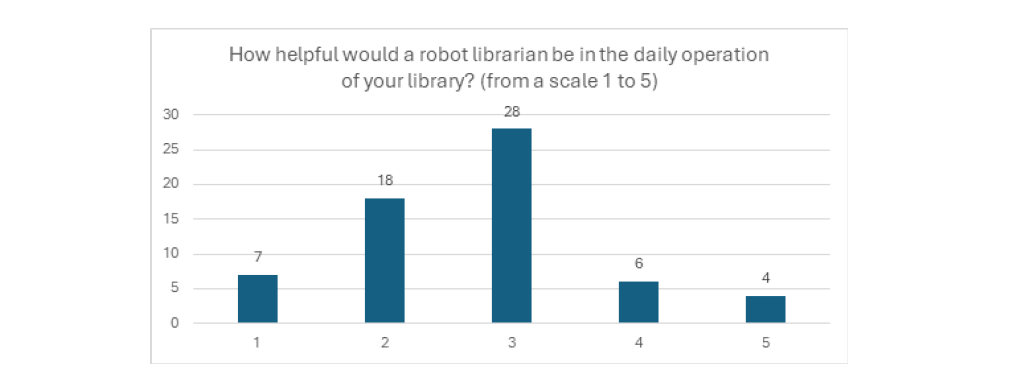
At the same time, the neutral stance may indicate uncertainty rather than resistance, suggesting that increased awareness and training could positively influence attitudes toward robotics adoption. An independent samples t-test comparing small and large libraries revealed a statistically significant difference in willingness to adopt robotics, t (61) =2.31, p=0.024, Cohen’s d=0.58, indicating a moderate effect size. This indicates that larger libraries are not only more prepared but also significantly more willing to adopt robotics, with the effect size suggesting a meaningful practical difference.
Perceived applications of robotics in libraries
Finally, participants were asked to identify tasks that could potentially be performed by robots. As shown in Figure 8, the most commonly identified applications involve physical and repetitive tasks, such as transporting materials, shelving books, and handling large volumes of collections (Figure 8).
Figure 8:Number of library active users.
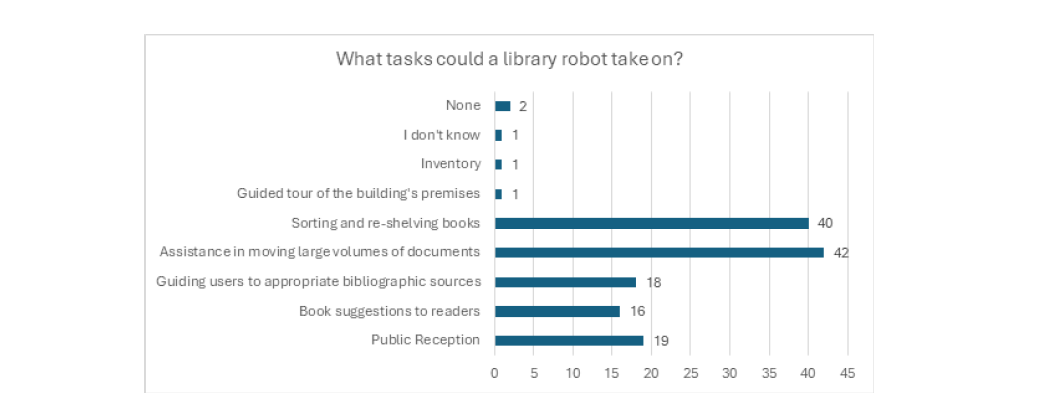
This finding suggests that librarians primarily perceive robots as tools for operational support rather than user-facing services. Such perceptions align with current implementations of robotics in libraries, where robots are predominantly used for logistics, inventory management, and automated storage and retrieval systems [14].
The emphasis on physically demanding tasks also indicates that librarians recognize the potential of robotics to reduce workload and improve efficiency, while still preserving the human-centered aspects of library services.
Inferential analysis
To further investigate structural relationships within Greek libraries, inferential statistical analysis was conducted. This is in order to examine whether organizational characteristics of Greek libraries are associated with their technological maturity and readiness to adopt robotics. Table 1 summarizes the outcomes of three statistical tests: an independent samples t-test and two Pearson correlation analyses.
Table 1:Inferential analysis results.

The first result compares small and large libraries in terms of their readiness to adopt robotics. The independent samples t-test produced a value of t (61) =2.31 with a significance level of p=0.024. Since the p-value is below the accepted threshold of 0.05, the result is considered statistically significant, yielding that large libraries demonstrate increased level of readiness towards adopting robotic technologies. The expected outcome, based on the study hypothesis (H1), was that larger institutions would possess greater technological preparedness because they generally have more financial resources, infrastructure and specialized staff. The findings confirm this expectation [22].
The second result examines the relationship between staff size and robotics awareness using Pearson’s correlation coefficient. The analysis yielded a moderate positive correlation (r=0.42, p<0.05). Correlation values range from -1 to +1, where values closer to +1 indicate a stronger positive relationship. Therefore, a value of 0.42 suggests a moderate association: as staff size increases, awareness of robotics applications also tends to increase. The statistically significant p-value indicates that this relationship is reliable rather than random. This finding supports hypothesis H2 and aligns with the expectation that libraries employing more personnel are more likely to include staff with technological expertise or exposure to innovative practices.
The third result explores the relationship between the number of users served and the level of automation within libraries. The Pearson correlation coefficient (r=0.36, p<0.05) indicates another moderate positive relationship. Although slightly weaker than the previous correlation, the result remains statistically significant. This suggests that libraries serving larger user populations tend to adopt a broader range of automation technologies. The expected interpretation is that higher service demand creates operational pressures that encourage investment in automation systems to improve efficiency, scalability, and user support.
The relationship between staff expertise and attitudes toward robotics (H4) could not be robustly tested due to limitations in the granularity of the collected data. While descriptive patterns suggest a positive association, further research using more detailed measurement scales is required to statistically validate this relationship
Study Limitations
Despite the valuable insights provided by this study, several limitations should be acknowledged. First, the study is based on a sample of 63 Greek libraries, which, although covering different types of institutions (public, academic and special libraries), does not fully represent the entire population of libraries in Greece. The use of a purposive sampling approach, focusing on libraries registered in the Greek Libraries Network and maintaining an active online presence, may introduce selection bias, as technologically less developed libraries or those without a digital footprint may be underrepresented.
Second, the data were collected through a self-reported questionnaire, which may be subject to response bias. Participants may have overestimated or underestimated their level of technological adoption, awareness, or readiness due to social desirability or differing interpretations of the questions. Although efforts were made to provide clarifications when needed, variations in respondents’ understanding cannot be entirely excluded.
Third, the study adopts a cross-sectional design, capturing the state of library automation and robotics readiness at a specific point in time (October-November 2025). Given the rapid evolution of digital technologies, the findings may not fully reflect ongoing developments or future trends in the adoption of robotics in libraries.
Another limitation concerns the scope of the respondents, which is restricted to library professionals. While this approach provides valuable insights into institutional perspectives, it does not account for the views, expectations, and acceptance of library users, who constitute a critical factor in the successful implementation of robotic services. Future research could address this gap by incorporating user-centered studies.
Although the study incorporates inferential statistical analysis, including t-tests, correlation analysis, and chi-square tests, more advanced multivariate techniques (e.g., regression models) could further strengthen the explanatory power of the findings.
Finally, the study focuses specifically on robotic technologies, without extensively examining the broader ecosystem of artificial intelligence and digital innovation in libraries. Given the increasing convergence between AI and robotics, a more holistic approach could offer a more comprehensive understanding of technological transformation in library environments.
Discussion
The findings of this study provide a comprehensive picture of the current technological landscape of Greek libraries, highlighting both their progress in automation and their limited advancement toward robotics. While the descriptive results already indicate important trends, a deeper analytical approach-combining quantitative and qualitative interpretation-reveals more nuanced insights into the factors shaping this transition.
A primary observation concerns the near-universal adoption of basic automation systems, such as OPACs and cataloguing tools. This confirms that Greek libraries have successfully established a foundational level of digital infrastructure. However, the relatively low adoption of advanced technologies, including RFID systems and digital repositories, suggests that technological development remains uneven. This supports the notion of a structural digital divide, where libraries differ significantly in their ability to adopt and sustain innovation.
A more critical insight emerges when examining whether library size influences technological readiness and attitudes toward robotics. To explore this, libraries were grouped into smaller and larger institutions based on staff size. An independent samples t-test comparing these groups produced a t-score of approximately t=2.31 (p<0.05), indicating a statistically significant difference in readiness and willingness to adopt robotic technologies.
This result suggests that larger libraries are systematically more prepared and more positively inclined toward robotics adoption than smaller ones. The statistical significance of this finding implies that the observed difference is unlikely to be due to random variation and instead reflects an underlying structural effect.
From a qualitative perspective, this relationship can be explained through several interrelated factors. First, resource availability plays a decisive role. Larger libraries typically have greater access to funding, more advanced infrastructure, and higher participation in national or European innovation initiatives. These conditions enable them to invest in emerging technologies more readily.
Second, human capital and expertise appear to be crucial. Libraries employing more staff are more likely to include personnel with specialized IT skills or to have the capacity to train employees in new technologies. This reduces uncertainty and increases confidence in adopting robotics. In contrast, smaller libraries often operate with limited staff performing multiple roles, making it more difficult to engage with complex technological systems.
Third, organizational capacity and culture influence adoption. Larger institutions are generally more integrated into professional networks and collaborative frameworks, which facilitate knowledge exchange and exposure to innovation. This contributes to a more proactive stance toward technological change. Conversely, smaller libraries tend to adopt a more cautious approach, not due to resistance to innovation, but due to structural constraints and risk aversion.
These interpretations align closely with other findings of the study. Financial limitations were identified as the most significant barrier (84.1%), followed by lack of technical expertise (73%). Both factors are directly associated with library size, reinforcing the conclusion that size functions as a key determinant of technological readiness.
At the same time, the study reveals that librarians’ attitudes toward robotics are not predominantly negative but rather ambivalent or uncertain. The prevalence of neutral responses suggests that skepticism is largely driven by limited familiarity and lack of experience rather than strong opposition. This interpretation is further supported by the finding that many participants expressed willingness to adopt robotics under appropriate conditions, particularly with adequate funding, infrastructure and training.
Another important dimension concerns the perceived role of robotics within library operations. Participants primarily identified repetitive and physically demanding tasks-such as shelving, transporting materials, and managing collections-as suitable for robotic implementation. This indicates that robotics is currently viewed mainly as a tool for operational efficiency rather than as a means of enhancing user interaction. Such perceptions reflect the early stage of robotics adoption in Greek libraries and suggest that more advanced, user-facing applications remain largely unexplored.
Taken together, these findings indicate that Greek libraries are situated in a transitional phase between basic automation and advanced technological integration. While the foundational infrastructure is largely in place, the progression toward robotics is constrained by economic, organizational, and skill-related factors. Importantly, this transition is not uniform but differentiated according to library size, creating unequal opportunities for technological advancement.
A comparative perspective further highlights the position of Greek libraries within the international landscape. Studies conducted in Northern European and East Asian contexts report increasing pilot implementations of robotic systems in library environments, particularly in areas such as automated storage and user assistance. In contrast, the findings of the present study indicate that Greek libraries remain at an earlier stage of adoption, where awareness is emerging but practical implementation is still limited. This suggests that the transition toward robotics in Greece is progressing more slowly, primarily due to structural and resource-related constraints
From a policy and strategic perspective, this has significant implications. If current conditions persist, the gap between technologically advanced and less-developed libraries is likely to widen. To address this, targeted interventions are necessary, particularly for smaller libraries. These may include dedicated funding schemes, shared technological infrastructures, collaborative networks, and specialized training programs aimed at enhancing staff competencies.
Based on the findings of this study, a three-dimensional framework of robotics readiness in libraries can be proposed. This framework consists of: (i) structural factors, including library size, funding availability, and infrastructure; (ii) human factors, such as staff expertise, training and attitudes toward technology; and (iii) technological factors, including the level of existing automation and digital system integration. The results indicate that structural factors, particularly library size, play a central role in shaping both human and technological readiness, ultimately influencing the capacity of libraries to transition toward robotics.
In conclusion, the transition from library automation to robotics in Greece should not be understood solely as a technological upgrade but as a multidimensional transformation shaped by structural inequalities and organizational capacity. Addressing these factors is essential for ensuring that the development of smart and robotic libraries is inclusive, balanced, and sustainable across the entire library sector.
Conclusion
This study set out to examine the current state of technological maturity in Greek libraries, with a particular focus on the transition from traditional automation systems to emerging robotic technologies. By conducting a multi-institutional survey across 63 libraries of different types, this research provides one of the first empirical assessments of robotics readiness in the Greek library sector, thereby contributing to a relatively underexplored area in the international literature.
The findings demonstrate that Greek libraries have largely succeeded in adopting core automation technologies, such as online catalogues and cataloguing systems, which form the backbone of modern library services. However, the transition toward more advanced technologies-particularly robotics-remains at an early and fragmented stage. Awareness and actual use of robotic systems are limited, and their integration into everyday library operations is still minimal.
Several key barriers to robotics adoption were identified, including financial constraints, lack of technological infrastructure, and insufficient staff expertise. These findings are consistent with broader research in the field, which highlights the importance of economic and organizational readiness in enabling technological innovation. At the same time, the study reveals a cautiously positive attitude among librarians, who, despite expressing concerns about job displacement and reduced human interaction, recognize the potential benefits of robotics in supporting labor-intensive and repetitive tasks.
Overall, the results suggest that Greek libraries are currently in a transitional phase, where foundational digital systems are in place, but the shift toward intelligent and robotic technologies requires further development. This transition is not solely a matter of technological capability but also involves organizational change, strategic planning, and cultural adaptation within the profession. From a practical perspective, the study underscores the need for targeted policy interventions and institutional support. Investment in infrastructure, funding opportunities for technological innovation, and the development of specialized training programs are critical for enhancing the readiness of libraries to adopt robotics. Additionally, fostering collaborations between libraries, academic institutions and technology providers could accelerate knowledge transfer and facilitate the implementation of innovative solutions.
Building on the findings of this study, several directions for future research emerge. First, further research should adopt a user-centered perspective, exploring how library users perceive and interact with robotic technologies. Understanding user acceptance, expectations, and concerns is essential for the successful integration of robots into library services. Second, future studies could employ mixed-methods or longitudinal approaches to examine how attitudes toward robotics evolve over time and how adoption progresses as technologies become more accessible and affordable. Such approaches would provide deeper insights into the dynamics of technological change within library environments. Third, there is a need for comparative studies across countries or regions, which would allow researchers to identify best practices and contextual factors influencing robotics adoption in different library systems. This would help position the Greek case within a broader international framework. In addition, future research could focus on specific applications of robotics in libraries, such as automated storage and retrieval systems, service robots for user assistance, or AI-enhanced robotic platforms. Case studies and pilot implementations would be particularly valuable in demonstrating the practical benefits and challenges of these technologies. Finally, further investigation is required into the ethical, social, and professional implications of robotics in libraries, including issues related to data privacy, algorithmic transparency, and the evolving role of librarians in increasingly automated environments.
In conclusion, while the adoption of robotics in Greek libraries remains limited, the growing awareness and conditional willingness observed in this study indicate that the foundations for future development are present. With appropriate investment, training, and strategic direction, robotics has the potential to become a valuable component of next-generation library services, enhancing both operational efficiency and user experience.
References
- Borgman CL (2000) From Gutenberg to the global information infrastructure: Access to information in the networked world. Digital Libraries and Electronic Publishing, MIT Press, USA.
- Chowdhury GG (2010) Introduction to modern information retrieval. (3rd edn), Facet Publishing, UK.
- Lankes RD (2016) The new librarianship field guide. MIT Press, USA.
- Breeding M (2015) Library services platforms: A maturing genre of products. Library Technology Reports 51(4): 1-38.
- Appleton L (2018) Positioning the academic library within the institution: Structures and challenges. New Review of Academic Librarianship 24(3-4): 209-216.
- Wirtz J, Patterson PG, Kunz WH, Gruber T, Lu VN, et al. (2018) Brave new world: Service robots in the frontline. Journal of Service Management 29(5): 907-931.
- Floridi L, Cowls J, Beltrametti M, Chatila R, Chazerand P, et al. (2018) AI4people-an ethical framework for a good AI society: Opportunities, risks, principles, and recommendations. Minds and Machines 28(4): 689-707.
- (2016) Springer handbook of robotics. In: Siciliano B, Khatib O (Eds.), (2nd edn), Springer,
- Russell S, Norvig P (2021) Artificial intelligence: A modern approach (4th edn), Pearson Publishers, USA.
- Ivanova V (2024) Automation of library services-turning point in development of academic libraries. Engineering Proceedings 70(1): 38.
- Tella A, Ajani YA (2022) Robots and public libraries. Library Hi Tech News 39(7): 15-18.
- Vial G (2019) Understanding digital transformation: A review and a research agenda. Journal of Strategic Information Systems 28(2): 118-144.
- Belanche D, Casaló LV, Flavián C, Schepers J (2020) Service robot implementation: A theoretical framework and research agenda. The Service Industries Journal 40(3-4): 203-225.
- Indraji C, Satishkumar N, Dominic J (2014) Use of robotics and artificial intelligence for enhancing library services. Library Progress International 44(3): 3002-3010.
- Tait E, Pierson CM (2022) Artificial intelligence and robots in libraries: Opportunities in LIS curriculum for preparing the librarians of tomorrow. Journal of the Australian Library and Information Association 71(3): 256-274.
- Farooq U, Naushad A (2025) Implementation and use of robotics in the central library Oodi, Finland: A case study. Journal of Access Services 22(1-3): 29-40.
- Leoste J, Marmor K, Jantso S (2024) Social service robots in academic library-for what and to whom? Proceedings of the 17th Annual International Conference of Education, Research and Innovation, Spain, pp: 3920-3926.
- Oyedokun TT (2025) Robotics and Artificial Intelligence (AI) in public libraries for transformational information services in the era of the Fourth Industrial Revolution. Public Library Quarterly pp: 1-22.
- Ajani YA, Oladokun BD, Enakrire RT, Ogunjimi BE, Ilori OO, et al. (2025) Robots in public libraries: An empirical analysis of current applications and future opportunities. Public Library Quarterly 44(5): 623-642.
- Wójcik M (2023) Areas and contexts of the use of robotics in libraries: An overview of the applied solutions and discussions of prospects. Library Hi Tech 42(5): 1443-1456.
- Shahzad K, Khan SA, Iqbal A (2025) Factors influencing the adoption of robotic technologies in academic libraries: A systematic literature review (SLR). Journal of Librarianship and Information Science 57(3).
- (2023) IFLA Trend Report 2023 Update. International Federation of Library Associations and Institutions (IFLA), UK.
© 2026 Sofia Stamou. This is an open access article distributed under the terms of the Creative Commons Attribution License , which permits unrestricted use, distribution, and build upon your work non-commercially.
Editor In Chief







.jpg)































Signup for Newsletter

Quick Links
 Editorial Board Registrations
 Submit your Article
 Best Paper of the Volume
 Reprints
 Refer a Friend
 Advertise With Us
Our Recent Edition

.jpg)



Top Editors




.jpg)

















.bmp)
.jpg)
.png)
.jpg)













.jpg)






.png)

.png)




.png)




Financial Support

Sponsors

Latest e-Books

Latest Video

 a Creative Commons Attribution 4.0 International License. Based on a work at www.crimsonpublishers.com.
Best viewed in
a Creative Commons Attribution 4.0 International License. Based on a work at www.crimsonpublishers.com.
Best viewed in 
 | Above IE 9.0 version