

- About Us
- Information
-

The Author ensures that the research has been conducted responsibly and ethically with adherence to all relevant regulations. read more..
- For Authors
- For Reviewer
- Manuscript Guidelines
- Membership
- Publication Ethics
-
- Journals
- Reprints
- e-Books
- Videos
- Policies
- Contact Us
 COVID-19
- Submissions



Full Text
COJ Biomedical Science & Research
Phage Therapy and Endolysins. Precision Phage Therapy: Overcoming the challenges of Host Range and resistance in Treating MDR Infections
Maryam Ramzan2, Muhammad Rizwan1*, Hifssa Aslam3, Rida Naseer4, Romisa sattar2, Lubna Waheed2, Laiba farooq2
1 State Key Laboratory of Livestock Biology Northwest Agricultural and forestry University, China
2 Department of Microbiology University of Veterinary and Animal Sciences Lahore, Pakistana
3 Department of Computer Sciences, Bahauddin Zakariya University Multan, Pakistan
4 Institute of Pure and Applied Biology, Bahauddin Zakariya University Multan, Pakistan
*Corresponding author:Muhammad Rizwan, State Key Laboratory of Livestock Biology Northwest Agricultural and forestry University, China
Submission: June 11, 2026; Published: September 23, 2026
Volume3 Issue 1September 23, 2026
Abstract
The inevitable expansion of Antimicrobial Resistance (AMR) poses a serious danger to global health,
leaving many frontline antibiotics increasingly ineffective and driving the pressure for new therapeutic
options. Among the most promising developing techniques are bacteriophage therapy and phage derived
endolysins, which offer targeted, powerful, and evolutionarily adaptable strategies for treating Multidrug
Resistant (MDR) bacterial infections. Traditional phage therapy, however, is hindered by significant
limitations, including narrow host specificity, rapid emergence of phage resistant variants, inconsistent
clinical outcomes, challenges in large-scale manufacturing, and regulatory barriers that impede
standardization and widespread implementation.
This review presents a comprehensive examination of recent improvements in precision phage therapy,
a promising antibacterial technique that uses technological innovations to overcome persistent limits
of traditional treatments. Large-scale phage libraries and coordinated biobanking systems have made
it possible to match phages to pathogens quickly and accurately, and genetic engineering and synthetic
biology have increased the variety of phage hosts, improved safety profiles and added programmable
diagnostic features. Rational design of phage mixtures further broadens antibacterial spectrum and
mitigates resistance emergence. In parallel, new research highlights the role of phage-antibiotic synergy
in boosting therapeutic efficacy and regulating mutant selection, although this synergy is contextdependent
and antagonistic or non-beneficial interactions can occur depending on the phage, antibiotic,
dose and bacterial strain involved. This review also emphasizes developments in the engineering of
endolysins which display quick and powerful bacteriolytic activity, including against biofilm associated
and Gram-negative pathogens when appropriately engineered. Preclinical studies consistently reveal
large decreases in bacterial burden, improved survival outcomes and positive safety across multiple
infection scenarios. Early phase clinical trials support the safety and acceptability of phage-based
therapies, however robust efficacy data remain sparse. Challenges such as immunogenicity and short
in vivo survival exist, however modified lytic enzymes continue to show substantial potential. All things
considered, these advancements make endolysin based modalities and precision phage therapy attractive
options for next-generation treatments amid growing antibiotic resistance.
Introduction
World Health Organization (WHO) has identified antimicrobial resistance as one of the top 10 global public health threats facing humanity [1]. Global antibiotic consumption rose by 65% between 2000 and 2015, mostly as a result of self-medication and improper prescription practices, particularly in low- and middle-income nations [2]. 1.27 million of the estimated 4.95 million deaths linked to bacterial AMR in 2019 were directly caused by drug-resistant pathogens [3]. As bacteria develop new resistance mechanisms, conventional antibiotics which were once used for treating infectious diseases are rapidly losing their efficacy, making it more difficult or even impossible to treat infections [4]. Urgent action is needed as we enter the post-antibiotic era, which is when the majority of antibiotics will no longer be effective because of the emergence of resistance to them [5]. A promising treatment for drugresistant infections is phage therapy, which uses bacteriophages to target and eliminate particular bacteria [6]. Phages, in contrast to antibiotics, have the ability to co-evolve with their bacterial hosts, possibly surpassing the mechanisms of bacterial resistance [7]. In addition to whole phages, endolysins, which are the enzymes produced by phages, have drawn interest as precise tools that can directly break the bacterial cell wall. High specificity of Endolysins is their main benefit over traditional broad-spectrum antibiotics. Certain bactericidal activity is exhibited by endolysins, which do not eradicate the helpful microbiota [8]. Together, these problems suggest the need for precision phage therapy routes, broaden the phage host range and reduce the development of bacterial resistance without sacrificing the specificity that is key to the success of phage therapy over current antibiotics. The next sections are devoted to the emerging technologies that have been developed to overcome these drawbacks and render the effect of phage therapy and phage derived endolysins more clinically relevant.
Literature search strategy
This is a narrative, non-systematic review. Relevant literature was identified through targeted searches of PubMed, Scopus, Web of Science and Google Scholar for articles published within approximately the last 15 years, using combinations of the keywords “bacteriophage therapy,” “phage resistance,” “phage cocktail,” “phage-antibiotic synergy,” “endolysin,” “antimicrobial resistance,” and “multidrug-resistant infections.” Reference lists of retrieved articles were also screened for additional relevant studies. The literature search was last updated in July 2026 and only English-language, peer-reviewed original articles, reviews, and clinical trial reports were considered. As this is a narrative rather than a systematic review, no formal quality-appraisal tool or PRISMA checklist was applied, and study selection reflects the authors’ judgment of relevance rather than an exhaustive or fully reproducible search protocol.
Phage Therapy Basics
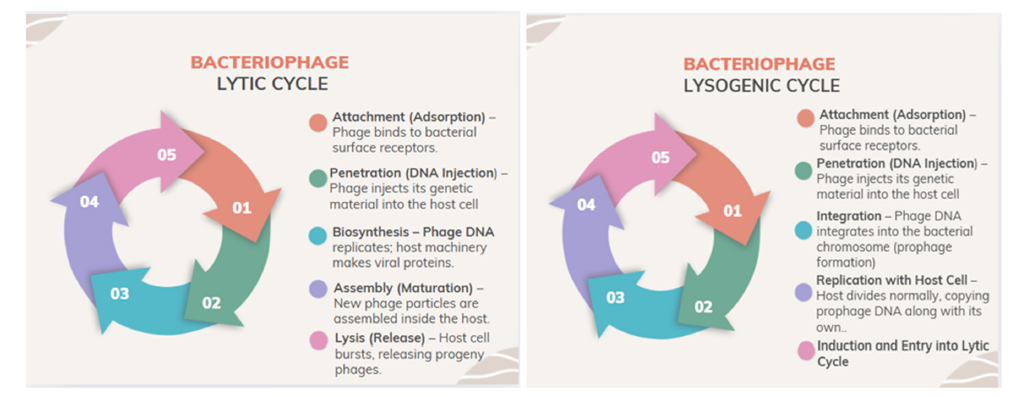
Bacteriophages, also known as phages, are viruses that specifically infect bacteria by adhering to their cell surface, introducing genetic material, and then lysing the host [9]. The therapeutic application of these lytic phages to specifically target and eliminate harmful bacteria is known as “phage therapy,” which provides an alternative to traditional antibiotics [10]. Phages are promising tools against infections that are resistant to multiple drugs because they act with high specificity and can evolve with their bacterial hosts, unlike broad-spectrum antibiotics [11]. Phages’ roles in bacterial and archaeal biology are determined by their interactions with their physical surroundings and their different life cycles [12]. The two main life cycles that phages go through for replication have significant effects on how they are used therapeutically [13]. Bacteriophages replicate through two different pathways: the lytic and lysogenic cycles, as shown in (Figure 1).
Figure 1:“Diagrammatic illustration of the replication pathways of bacteriophages. The lytic cycle (left) involves phage attachment, genome injection, replication, assembly, and host cell lysis. The lysogenic cycle (right) involves integration of the phage genome into the host chromosome, where it remains dormant until triggered to enter the lytic pathway”. (Original schematic illustration created by the authors using Canva; not reproduced or adapted from copyrighted material).
Phage therapy has been used in clinical and experimental settings, especially for infections caused by Multidrug-Resistant (MDR) pathogens. A human clinical trial has shown that certain phages are effective in treating staphylococcal infections in animals [14]. Manohar et al. [15]. demonstrated the effectiveness of lytic bacteriophages in treating K. pneumoniae infections in wax moth larvae [15]. Numerous antibiotics have been used to treat bacterial wound infections; however, their efficacy is becoming more and more restricted because of their toxicity and the emergence of Multidrug-Resistant (MDR) pathogens. As a result, bacteriophages have become a new and exciting substitute [16].
In both human and veterinary medicine, bacteriophage therapy has demonstrated exceptional results in combating pathogens that are resistant to multiple drugs. For example, a combination of two lytic antipseudomonal phages was used to successfully treat a 54-year-old man who had a relapsing multidrug-resistant Pseudomonas aeruginosa Left Ventricular Assist Device (LVAD) driveline infection [17]. Numerous instances of the effective treatment of infections brought on by Carbapenem-Resistant Acinetobacter Baumannii (CRAB) have been documented, and phage therapy has been used in personalized therapy [18]. These results highlight the therapeutic potential of phage therapy as a practical and cutting-edge approach to treating infections that are resistant to multiple drugs in both human and veterinary medicine.
Conventional phage therapy exhibits extraordinarily specific antibacterial properties and a unique ability to co-evolve with bacterial pathogens. It is, however, often limited in its host-range and the emergence of resistance to the phage. This has led to the development of precision phage therapy strategies that aim to expand the host range and maintain the antibacterial activity.
Endolysins
Endolysins, which are cell wall hydrolases derived from bacteriophages, have the ability to hydrolyze the peptidoglycan layer both inside and outside of bacterial pathogens. Endolysins are thought to be one of the best alternative therapeutic agents for treating Multidrug-Resistant (MDR) bacteria because of their high specificity, quick action, high efficiency, and low risk of resistance development [8]. There are several types of endolysins that have lytic activity: acetylmuramidases, transglycosylases, glucosaminidases, amidases, and endopeptidases [19]. As previously stated, endolysins aid in the breakdown of peptidoglycans during cell lysis, which is controlled by various phage lytic enzymes and holins [20]. Holins are tiny, hydrophobic proteins that form holes larger than 100nm [21].
Endolysin’s structure is influenced by their place of origin. Yet, endolysins that act on Gram-negative bacteria have a straightforward globular structure, whereas the majority of endolysins (which typically have a molecular weight of 15-40kDa) have a modular structure [22]. Due to the absence of an outer membrane in the Gram-positive bacterial cell wall, endolysins can access the peptidoglycan and destroy these organisms when applied externally, making them interesting antimicrobial candidates, particularly in light of increasing bacterial drug resistance [23].
Endolysins have shown the potential as therapeutic agents in both human and veterinary medicine in recent studies. Even in infections linked to biofilms, recombinant endolysins have demonstrated potent bactericidal activity against vancomycinresistant Enterococcus species, Streptococcus species, and Methicillin-Resistant Staphylococcus Aureus (MRSA) [24]. Endolysins have been tested in veterinary settings as intramammary treatments for Staphylococcus aureus-induced bovine mastitis, with notable improvements in udder health parameters and a reduction in the bacterial load [8]. Furthermore, Gram-negative pathogens like Acinetobacter baumannii and Pseudomonas aeruginosa have been successfully targeted by engineered endolysins fused with membrane-permeabilizing peptides, demonstrating their potential to combat multidrug-resistant bacteria in situations where traditional antibiotics are ineffective [25]. Endolysins do not require receptor-mediation to infect bacteria, and therefore avoid most of the mechanisms that allow phages to confer resistance. The development of endolysin engineering has also increased their range of Gram-negative pathogens, enhancing their potential as an adjunct to precision phage therapy. Therefore, to improve therapeutic results against MDR infections, endolysins are a flexible and quick-acting antimicrobial approach that can be used either by itself or in conjunction with phages or antibiotics.
Challenges in Phage Therapy
Narrow host range
Because of their extreme specificity, bacteriophages typically only infect a small number of species or specific genera of bacteria. A single phage cannot target every dangerous strain within a single bacterial species due to this limited range [26]. The majority of previously identified bacteriophages exhibit extremely limited host specificity, frequently infecting a single species or even particular strains. Historically, such narrow-range phages were preferred because they lowered the risk of upsetting the typical human microbiome [27]. The strong host specificity of bacteriophages is a double-edged sword in phage therapy. On one side, the use of narrow host range phages has evident benefits: these phages preferentially target pathogenic bacteria while sparing the surrounding beneficial microbiota, so preserving the natural microbial balance. Additionally, their accuracy lessens the selective pressure on nontarget bacteria, which decreases the possibility that resistance would spread across the microbial ecosystem [28,29]. On the other hand, narrow host range phages require isolation and validation for each target strain, raising labour demands. Pathogens can also swiftly develop resistance, necessitating the usage of phage mixtures, each requiring individual study [30].
Bacterial resistance to phages
A fundamental bacterial method for fighting phage infection is the modification or deletion of phage receptors, preventing the virus from establishing initial contact [31]. Although effective, these receptor changes frequently incur large fitness costs, including lower growth rates and diminished pathogenicity compared with nonresistant competitors [32]. Salmonella phages SPN1S, SPN4B, and ɸ1, which use the O polysaccharide component of Lipopolysaccharide (LPS) as their receptor, provide a well-studied example [33]. Salmonella enterica mutants that become resistant to phage ɸ1 by lacking this O polysaccharide not only fail to infect mice but also reduce the expression of important virulencerelated genes, indicating how resistance might degrade pathogenic potential [34].
Mechanisms of bacterial resistance:
Restriction modification: Restriction Modification (RM) systems are one of the most widespread anti-phage defense mechanisms in bacteria and archaea, present in over 90% of prokaryotes [35-37]. They function similarly to an innate immune system by distinguishing host from foreign DNA through methylation patterns. RM systems contain a restriction endonuclease that cleaves unmethylated (foreign) DNA and a methyltransferase that protects host DNA by methylation. This epigenetic mechanism is evolutionarily conserved and is thought to help prevent phagedriven collapse of bacterial communities by allowing genetically diverse subpopulations to persist [35,36]. Similar to RM systems, the DISARM system is a defense mechanism in bacteria and archaea that uses methylation-based self-recognition to distinguish host from foreign DNA. However, it appears to involve different gene networks responsible for degrading invading genetic material. The exact mechanisms and functions of DISARM’s methylation processes remain poorly understood, despite functioning similarly to RM [38,39].
A. Precision intervention: Natural phages that are resistant to RM can be identified from phage libraries, and engineered phages containing modified phage DNA or anti-restriction proteins will not be cleaved by RM.
CRISPR-Cas: Approximately 50% of bacterial genomes have CRISPR-Cas (Clustered Regularly Interspaced Short Palindromic Repeats and CRISPR-associated proteins) systems, which serve as an adaptive immunological response to shield cells from phage infection [40]. These systems consist of repeating CRISPR sequences interleaved with foreign DNA derived spacers, which are integrated into the CRISPR array likely with the help of Cas1 [41]. The spacers guide the creation of crRNAs that couple with Cas proteins, such as Cas9, to target and cleave matching sequences in invading phage DNA [41]. Experiments demonstrate that CRISPR systems continue to function after recombination. For instance, CRISPR3, which was introduced from Streptococcus thermophilus into Bacillus subtilis, provides resistance by identifying the phage SPP1’s key replication genes (gp6 and gp58) [40]. Although the complete significance of CRISPR mediated processes in phage resistance continues to be understood, comparable systems, notably bacterial Argonaute proteins, appear to offer parallel nucleic acid-based defense pathways that rely on RNA guides rather than DNA [38,39].
A. Precision intervention: Anti-CRISPR proteins and engineered phages carrying CRISPR-evading mutations restore phage infectivity.
Bacteriophage Exclusion: Recombinant B. subtilis has a newly discovered intrinsic anti phage defense called phage exclusion. It resembles restriction modification and abortive infection systems by selectively methylating the host DNA to limit phage replication, but it does not destroy the phage. Its specific mechanism is unknown, and similar systems may exist in around 10% of microbial genomes [42].
A. Precision intervention: Receptor-mediated resistance can be overcome using tail-fibre engineering and phage cocktails.
Superinfection Exclusion: Superinfection exclusion is a protein mediated mechanism in which a lysogenized bacteria restricts entry of similar phages, making it resistant to secondary infection. It is common in Gram negative bacteria and less frequent in Gram positive species [43].
A. Precision intervention: Genetically distinct phages and combination therapies help bypass superinfection exclusion.
The main challenges to the universal use of phage therapy in clinical medicine are their narrow host range and multiple antiphage defense systems of bacteria. Knowing these mechanisms, precision interventions such as engineered phages, phage cocktails, adaptive phage selection and engineered endolysins are available to address these barriers.
Precision Phage Therapy Approaches
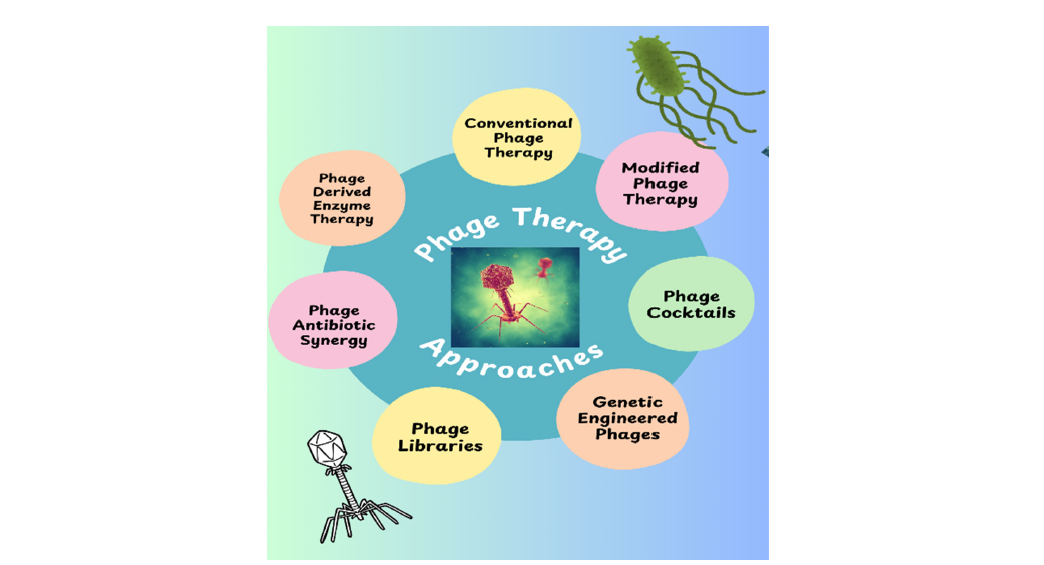
As above we discussed how phage therapy as a promising avenue for treating MDR infections face challenges of narrow host range and bacterial resistance by adopting mutation and other mechanisms. We need new approaches of phage therapy that are precised and advanced that can eradicate these challenges in this post-antibiotic era. Conventional phage therapy employs naturally occurring virulent (lytic) phages as the only means of treating human bacterial illnesses. These lytic phages are preferable because they directly destroy the target bacteria and eliminate the risk associated with temperate phages, which can pass virulence genes to bacterial hosts [44]. Monophage therapy uses a single phage to treat infections caused by multidrug-resistant bacteria, such as vancomycin resistant E. faecium, and has been shown to be effective for some urinary tract infections. However, it carries a higher risk of bacteria developing resistance and requires precise matching between the phage and the pathogen [45]. Prophage (phage cocktail) therapy employs combinations of phages that can target various bacterial strains in order to get around these restrictions. Examples include the Intestiphage, which targets about 23 enteric bacteria, and the Pyophage (PYO), which targets species like E. coli, S. aureus, P. aeruginosa and S. pyogenes. Phage cocktails, such as a combination of three lytic phages for burn infections, can be both safe and effective, according to clinical research. Phage cocktails have the potential to elicit stronger immune responses, but they are difficult and time-consuming to prepare. Phage therapy must overcome obstacles like side effects, phage resistance, limited host ranges, immune system interactions, delivery methods, and manufacturing problems before it is widely used [46]. To overcome the challenges posed by conventional phage therapy, modifications of bacteriophages were considered and proven to be a successful alternative [47] (Figure 2).
Figure 2:Phage therapy approaches. (Original schematic illustration created by the authors using Canva; not reproduced or adapted from copyrighted material).
Phage libraries and biobanking
Phage display technology has enabled the creation of large libraries of genetically engineered bacteriophages that can be screened for their ability to bind specific bacterial targets [48]. Researchers can quickly find useful phages for broad-spectrum treatments thanks to libraries with up to 10¹ variants. Through repeated bio panning cycles, phages with strong binding affinity to pathogens are enriched, expanding the therapeutic options against bacterial infections [49]. Rising antibiotic resistance exacerbates the threat posed by sepsis, which continues to be a significant global health burden with high mortality and rising costs. Due to these pressures, there is a renewed interest in phage therapy, which has led to significant investments in the development of large, well-characterized phage collections by both industry and research. However, the ad hoc access to individual phages used in current compassionate-use practices limits the timely deployment of therapeutics and places unsustainable demands on biotech manufacturers and researcher.
Coordinated public-private support is required to establish national phage biobanks and extensive phage libraries in order to make phage therapy a scalable and dependable clinical option. Such libraries linked to surveillance data, standardized characterization, and clinical outcomes would enable rapid, data-driven phage selection, including use of machine learning to match phages to pathogens and predict dosing strategies. These resources would support a variety of industrial, agricultural and environmental applications in addition to medicine. Therefore, a networked phage biobanking and therapeutics infrastructure would provide the systematic basis needed for long-term, successful phage-therapy approaches, centralized expertise, and enhance access to phages and manufacturing capabilities [50]. Large-scale phage libraries and coordinated biobanking eliminate narrow host specificity by allowing the identification of active phages against a variety of bacterial strains in an efficient manner. These repositories also promote the replacement of ineffective phages if bacterial resistance occurs, enabling personalized and adaptive phage therapy, which can proceed with continuous expansion of these repositories.
Phage engineering and synthetic biology
Through the development of customized phage libraries with altered host ranges, enhanced safety, and additional diagnostic features, genetic engineering has significantly increased the capabilities of bacteriophages. Engineered phages have shown therapeutic value, including successful use in treating complex, drug-resistant infections such as Mycobacterium abscessus in a cystic fibrosis patient [51]. Despite these developments, there are still risks associated with engineered phages, such as changed infectivity, the emergence of resistance, and possible unwanted interactions with human or microbial cells, which call for thorough mechanistic research and carefully monitored clinical evaluation [52]. Phage therapy has advanced from experimental to clinical use over the past 20 years, with more reports and trials focusing on infections that are resistant to multiple drugs in different body systems. Standardized workflows now guide personalized phage therapy, beginning with pathogen isolation and characterizations, followed by systematic phage screening, genomic analysis, and preclinical testing before advancing to clinical trials [18].
Genetic engineering can be used to improve the efficacy of phages by altering receptor binding proteins, broadening the phage host range, and making it possible for phages to bypass bacterial defenses. These phages are programmable and are one of the best ways to fight host specificity and phage resistance.
Phage cocktails
The application of phage ‘cocktails’ comprised of phages bearing divergent mechanisms of action may increase the formulation’s spectrum of activity and decrease the potential for development of resistance [53]. Cocktails should contain two to ten phages, according to experts [30, 54]. Spot plating, a variation on the double overlay plaque assay, revealed that a cocktail of phage DRA88 and phage K with different host spectra was active against 74% of 95S. aureus isolates tested in the planktonic state, while individual applications were active against only 60 and 64%, respectively. All three isolates tested (15981, MRSA 252, and H325) showed in vitro population reduction of phage cocktail treated S. aureus; a range of MOIs (multiplicities of infection) achieved similar effects, though lower MOIs required an extended time period to do so [55]. However, phage formulation through cocktails is not a foolproof antibacterial strategy; resistance may arise just as easily as it would with single phages if each phage in a cocktail is not maintained at a sufficient dose or if constituent phages do not target the same bacteria [56].
Phage cocktails expand the antibacterial spectrum of activity by pairing phages with host ranges that are different but complementary, while also decreasing the likelihood of resistance due to multi-target (phage) killing of the bacteria. Thus, the cocktail therapy is more robust therapeutic than single-phage therapy.
Phage-antibiotic synergy
Phages can be effectively combined with antibiotics or other antimicrobial agents to enhance bacterial killing. A key goal of such combination therapy is to narrow the mutant selection window reducing the range of drug concentrations that allow resistant bacteria to emerge [57]. Phage-Antibiotic Synergy (PAS), first described in 2007, occurs when subinhibitory concentrations of antibiotics boost phage activity, improving overall antibacterial efficacy [58,59]. Phages and antibiotics together can more successfully reduce bacterial biofilms and lower mutation rates than either phage or antibiotic alone, according to in vitro studies. For example, hydrogel-embedded MR-5 phage combined with linezolid significantly inhibited MRSA biofilm formation [60]. By reducing virulence or selecting against receptor expression in progeny, phage binding to bacterial surface receptors can improve the treatment of infections.
Combination therapy also limits the development of phage resistance, as seen with φSan23 in Salmonella Enteritidis, where resistance dropped to ~33% compared to ~90% with phage alone. However, because phages need a minimum bacterial density to replicate efficiently, higher antibiotic concentrations do not always improve antibacterial effects [58]. According to recent studies, bacterial cellular expansion brought on by DNA damage response pathways in the presence of antibiotics or environmental stressors like reactive oxygen species drives certain types of Phage Antibiotic Synergy (PAS) [61]. However, phage-antibiotic combinations can produce a range of effects not only synergistic, but also additive, antagonistic, or facilitative depending on the interaction between the phage, antibiotic and bacterial context [58].
Phage-Antibiotic Synergy (PAS) occurs in both planktonic cultures and biofilms. In vitro studies show that combination therapy, especially sequential treatment with phage followed by antibiotics can significantly reduce biofilm associated bacteria, as demonstrated with P. aeruginosa and S. aureus [62]. Simultaneous treatment was less effective in dual species biofilms, whereas staggered application improved anti-biofilm activity against P. aeruginosa. Although PAS is usually linked to lytic phages, new research indicates that temperate phages may also increase antibiotic sensitivity because antibiotic-induced stress can cause prophage mediated bacterial lysis even in strains of bacteria that are resistant to antibiotics [63].
Phages used together with antibiotics can, under favourable conditions, increase the efficiency of bacterial elimination and reduce the mutant selection window, thereby slowing the development of antibiotic and phage resistance. This interaction is not universally beneficial, however: outcomes range from synergistic to additive, indifferent, or antagonistic depending on the specific phage-antibiotic-bacterium combination, dosing, and timing, and antagonistic interactions that reduce net antibacterial activity have been reported [58]. Where conditions are favourable, this approach can be valuable for treating chronic, biofilmassociated, and multidrug-resistant infections, but phage-antibiotic combinations should be empirically validated for the pathogen and drug in question rather than assumed to be synergistic.
Adjunctive strategies
Endolysins and other phage encoded enzymes provide a substitute for whole phages in antibacterial therapy. Endolysins break down bacterial peptidoglycan, causing cell death, and are particularly effective against Gram-positive bacteria with fewer side effects than antibiotics. Based on the particular peptidoglycan bonds they target, they are divided into three primary categories: amidases, glycosidases, and endopeptidases [47]. Several Grampositive pathogens, such as MRSA, Staphylococcus epidermidis, Streptococcus pyogenes, Streptococcus pneumoniae and Streptococcus sanguinis, are effectively combatted by the endolysin PlySs2, which is derived from phages that infect Streptococcus. Single endolysins like PlySs2 can also target bacterial combinations like MRSA and S, according to studies conducted in mice. pyogenes, demonstrating broad therapeutic potential [64]. Polycationic oligopeptides are added to bioengineered endolysins, like Arti lysins, to allow them to permeabilize bacterial outer membranes. Pseudomonas aeruginosa and Acinetobacter baumannii are two examples of multidrug resistant Gram-negative pathogens that these enzymes can effectively target and kill thanks to this modification [8]. Endolysins are generally ineffective against Gramnegative bacteria because their outer membrane blocks access to the peptidoglycan layer. Endolysins like LysAB2, which are derived from A. baumannii phages, are an exception. They can target both Gram-positive and Gram-negative bacteria, including multidrugresistant S. aureus and E. coli, by penetrating the outer membrane. To enhance activity against Gram-negative bacteria, agents such as polymyxins, aminoglycosides, or chelators like EDTA can be used to permeabilize the outer membrane, allowing endolysins to reach their bacterial targets [65].
Engineered endolysins are particularly useful in combination with phage therapy, as they have the ability to lyse the cell walls of bacteria, without relying on receptor-dependent resistance. Their inclusion into precision therapeutic strategies extends the range of antibacterial activity and offers an alternative effective treatment when the normal phage infection is affected.
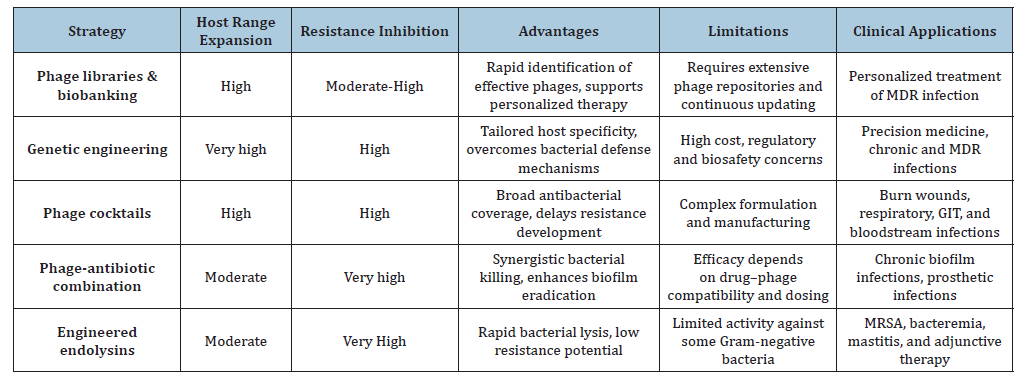
To make it easy to compare the major precision phage therapy strategies, Table 1 lists them in terms of their relative ability to broaden host range, to inhibit bacterial resistance, and to highlight their potential clinical uses, advantages and disadvantages (Table 1).
Table 1:Comparison of precision phage therapy strategies for overcoming host range limitation and bacterial resistance.
Adapted from data compiled in the adolescent and genital-hygiene reviews of Farage and colleagues [1,6]. Percentages are not mutually exclusive across rows. “Both” means combined tampon and pad use. Figures reflect self-reported cross-sectional survey data from North American samples and are not nationally representative.
Preclinical and Clinical Trials
Preclinical trials
The global surge in Multi drug resistant bacterial infections poses a severe threat to public health, significantly burdening healthcare systems. Every year, billions of dollars are spent in the US alone to treat drug resistant diseases Endolysins’ therapeutic potential has been confirmed by animal models, which demonstrate notable decreases in bacterial loads and increased survival rates in diseases like sepsis, pneumonia, and wound infections. These trials regularly reveal a favourable safety profile with little side effects. In vitro studies also show positive evidence of phages and endolysins potency against MDR bacteria. In animal models, phages have been demonstrated to lyse MDR S. aureus, including MRSA, and accomplish quick bacterial clearance [66]. Endolysin therapeutics have also been given in problematic settings, such as MDR wound infections, where phage cocktails have been used to enhance wound healing and avoid additional tissue damage. Studies have showed good effects against infections caused by A. baumannii, with phage therapy slowing bacterial proliferation and encouraging tissue regeneration [54].
Clinical trials
The indications for phage therapy included chronic otitis and rhinosinusitis, cystic fibrosis, burn wound infections and others. P. aeruginosa infections were the focus of at least 50% of the examined clinical trials, E. coli infections were the focus of 29%, and a variety of other pathogens, such as Staphylococcus, Streptococcus, and Enterococcus species, were the focus of the remaining studies. About 50% of the examined clinical studies took place in the United States, with the remaining ones taking place in the United Kingdom, Georgia, France, Belgium, Israel or Australia. Phase 1/2 trials were conducted, and the main objectives were the phage’s safety and tolerability, the quantity and severity of treatment emergent side effects and the therapy’s overall efficacy using different clinical and microbiological improvement metrics. All trials excluded pregnant patients, and participants of childbearing capacity were required to take effective forms of birth control both during and following the trial. No treatment emergent severe adverse events were observed in any trials [67]. They only target particular pathogenic bacteria because of their specificity, which prevents microflora from being harmed. Until now, no case of endolysin resistance has been reported. This is due to the fact that their target layer the peptidoglycan layer is crucial to the survival of bacteria and that any mutation could cause major harm to them [68]. Endolysin therapies are also being actively pursued in clinical research. Contrafacts has acquired the rights to nine phagederived endolysins for the treatment of bacterial infections. One of its main candidates, Exebacase (CF-301), targets Streptococcus and Staphylococcus species, including MRSA. A subsequent Phase III trial was terminated early due to lack of efficacy observed in interim analysis, despite early Phase II trials showing encouraging results, including a reported 42.8% improvement in recovery rates for MRSA endocarditis when used in combination with antibiotics [69].
The preclinical data and early clinical trials show that precision phage therapy and engineered endolysins are effective at reducing bacterial load without causing any adverse effects in humans, and treat multidrug-resistant infections. Future research to optimise host-range expansion strategies and resistance-mitigation measures will be crucial for consistent clinical efficacy.
Future Directions
Engineered phages and endolysins have showed great potential in combating the limits of traditional phages and antibiotics, particularly against bacteria that are resistant to several medicines, Extensively Drug-Resistant (XDR) strains, or those that build biofilms [70]. Bioengineering overcomes the limits of natural phages in harsh environments. Developing phages that stop bacterial toxins from being released during cell lysis is one way to increase the safety of phage therapy [71]. Phages that have been genetically engineered can be used for diagnostic purposes. For example, integrating luciferases into phage DNA allows for the quick and accurate detection of bacteria. Bioengineering techniques have been used to modify phage tail-fiber and tail genes, broadening the range of proteins they encode to specifically target bacteria at the species level [72]. Endolysins exhibit good efficacy to treat Grampositive bacteria, however due to Gram-negative bacterial outer membrane barrier, it displays low activity to treat Gram-negative bacteria [73]. Endolysin’s short in vivo half-life is another drawback because of the inflammatory response, cytokine generation and neutralizing antibodies. Endolysin generates an immune reaction when it is used systemically, hence due to immunological response, it loses its enzymatic lytic activity in-vivo [74].
To create a new generation of phage therapies, future technologies should focus on the combination of phage engineering, phage selection with the aid of artificial intelligence, synthetic biology and engineered endolysins for broadening the host range and reducing the possibility of bacterial resistance. These innovations should help to bring precision phage therapy into everyday use.
Conclusion
Phage treatment and endolysins offer intriguing solutions to the growing challenge of antimicrobial resistance, providing targeted and effective alternatives where antibiotics fail. Although obstacles such as narrow host range and the danger of bacterial resistance still exist, recent advancements including modified phages, phage biobanks, phage cocktails and phage antibiotic combinations are helping to overcome these limits. Endolysins quick action and minimal propensity to cause resistance, particularly against Grampositive bacteria, further enhance this therapeutic landscape.
Both preclinical and clinical research suggest the safety and viability of these techniques, while challenges including immunogenicity, regulatory complexity and large-scale production deserve further consideration. All things considered, endolysins and precision phage therapy are a promising approach that may greatly improve our capacity to treat illnesses resistant to several drugs and contribute to the advancement of antimicrobial therapy.
Author Contributions
Maryam Ramzan, Muhammad Rizwan, Romisa Sattar, Lubna Waheed and Laiba Farooq contributed to writing the original manuscript. Hifssa Aslam critically revised the manuscript for important intellectual content. Rida Naseer edited and finalized the manuscript. All authors read and approved the final version of the manuscript.
Conflict of Interest
The authors declare that they have no conflict of interest.
Data Availability Statement
No new data were generated or analyzed in this review article. Data sharing is not applicable to this article, as all information discussed is derived from previously published studies, which are cited in the reference list.
References
- (1983) Antimicrobial resistance. Bulletin of the World Health Organization 61(3): 383-394.
- Walsh TR, Gales AC, Laxminarayan R, Dodd PC (2023) Antimicrobial resistance: Addressing a global threat to humanity. PLoS Medicine 20(7): e1004264.
- Kariuki S (2024) Global burden of antimicrobial resistance and forecasts to 2050. The Lancet 404(10459): 1172-1173.
- Niveda S, Rahiman OF, Sreenadh P, Prasanth ML (2024) A review on the crisis of antibiotic resistance and the strategies to combat resistance. Journal of Current Research in Scientific Medicine 10(2): 148-154.
- Altaf IUK, Khan A, Mahboob A (2019) Antimicrobial resistance and a diminishing pool of reserved antibiotics. Sao Paulo Medical Journal 137(4): 384-385.
- Cui L, Watanabe S, Miyanaga K, Kiga K, Sasahara T, et al. (2024) A comprehensive review on phage therapy and phage-based drug development. Antibiotics (Basel) 13(9): 870.
- Cui L, Kiga K, Kondabagil K, Węgrzyn A (2024) Current and future directions in bacteriophage research for developing therapeutic innovations. Scientific Reports 14(1): 24404.
- Rahman Mu, Wang W, Sun Q, Shah JA, Li C, et al. (2021) Endolysin, a promising solution against antimicrobial resistance. Antibiotics (Basel) 10(11): 1277.
- Loc-Carrillo C, Abedon ST (2011) Pros and cons of phage therapy. Bacteriophage 1(2): 111-114.
- Kortright KE, Chan BK, Koff JL, Turner PE (2019) Phage therapy: A renewed approach to combat antibiotic-resistant bacteria. Cell Host & Microbe 25(2): 219-232.
- Lin DM, Koskella B, Lin HC (2017) Phage therapy: An alternative to antibiotics in the age of multi-drug resistance. World Journal of Gastrointestinal Pharmacology and Therapeutics 8(3): 162-173.
- Clokie MRJ, Millard AD, Letarov AV, Heaphy S (2011) Phages in nature. Bacteriophage 1(1): 31-45.
- Altamirano FLG, Barr JJ (2019) Phage therapy in the postantibiotic era. Clinical Microbiology Reviews 32(2): e00066-18.
- Azam AH, Tanji Y (2019) Peculiarities of staphylococcus aureus phages and their possible application in phage therapy. Applied Microbiology and Biotechnology 103(11): 4279-4289.
- Manohar P, Nachimuthu R, Lopes BS (2018) The therapeutic potential of bacteriophages targeting gram-negative bacteria using Galleria mellonella infection model. BMC Microbiology 18(1): 97.
- Taati Moghadam M, Khoshbayan A, Chegini Z, Farahani I, Shariati A (2020) Bacteriophages, a new therapeutic solution for inhibiting multidrug-resistant bacteria causing wound infection: Lesson from animal models and clinical trials. Drug Design, Development and Therapy 14: 1867-1883.
- Racenis K, Lacis J, Rezevska D, Mukane L, Vilde A, et al. (2023) Successful bacteriophage-antibiotic combination therapy against multidrug-resistant pseudomonas aeruginosa left ventricular assist device driveline infection. Viruses 15(5): 1210.
- Schooley R, Biswas B, Gill J, Hernandez-Morales A, Lancaster J, et al. (2017) Development and use of personalized bacteriophage-based therapeutic cocktails to treat a patient with a disseminated resistant Acinetobacter baumannii infection. Antimicrobial Agents and Chemotherapy 61(10): e00954-17.
- Gondil VS, Harjai K, Chhibber S (2020) Endolysins as emerging alternative therapeutic agents to counter drug-resistant infections. International Journal of Antimicrobial Agents 55(2): 105844.
- Wang IN, Smith DL, Young R (2000) Holins: the protein clocks of bacteriophage infections. Annual Review of Microbiology 54(1): 799-825.
- Sanz JM, García P, García JL (1996) Construction of a multifunctional pneumococcal murein hydrolase by module assembly. European Journal of Biochemistry 235(3): 601-605.
- Oliveira H, São-José C, Azeredo J (2018) Phage-derived peptidoglycan degrading enzymes: Challenges and future prospects for in vivo therapy. Viruses 10(6): 292.
- Schmelcher M, Donovan DM, Loessner MJ (2012) Bacteriophage endolysins as novel antimicrobials. Future Microbiology 7(10): 1147-1171.
- Liu H, Hu Z, Li M, Yang Y, Lu S, et al. (2023) Therapeutic potential of bacteriophage endolysins for infections caused by Gram-positive bacteria. Journal of Biomedical Science 30(1): 29.
- Wojciechowska M (2025) Endolysins and membrane-active peptides: Innovative engineering strategies against gram-negative bacteria. Frontiers in Microbiology 16: 1603380.
- Hyman P, Abedon ST (2010) Bacteriophage host range and bacterial resistance. Advances in Applied Microbiology 70: 217-248.
- Hyman P (2019) Phages for phage therapy: Isolation, characterization and host range breadth. Pharmaceuticals (Basel) 12(1): 35.
- Drulis-Kawa Z, Majkowska-Skrobek G, Maciejewska B, Delattre A-S, Lavigne R (2012) Learning from bacteriophages-advantages and limitations of phage and phage-encoded protein applications. Current Protein & Peptide Science 13(8): 699-722.
- Nobrega FL, Costa AR, Kluskens LD, Azeredo J (2015) Revisiting phage therapy: New applications for old resources. Trends in Microbiology 23(4): 185-191.
- Chan BK, Abedon ST, Loc-Carrillo C (2013) Phage cocktails and the future of phage therapy. Future Microbiology 8(6): 769-783.
- Castillo D, Christiansen RH, Dalsgaard I, Madsen L, Middelboe M (2015) Bacteriophage resistance mechanisms in the fish pathogen Flavobacterium psychrophilum: Linking genomic mutations to changes in bacterial virulence factors. Applied and Environmental Microbiology 81(3): 1157-1167.
- Capparelli R, Nocerino N, Lanzetta R, Silipo A, Amoresano A, et al. (2010) Bacteriophage-resistant staphylococcus aureus mutant confers broad immunity against staphylococcal infection in mice. PLoS ONE 5(7): e11720.
- Bertozzi Silva J, Storms Z, Sauvageau D (2016) Host receptors for bacteriophage adsorption. FEMS Microbiology Letters 363(4): fnw002.
- Capparelli R, Nocerino N, Iannaccone M, Ercolini D, Parlato M, et al. (2010) Bacteriophage therapy of Salmonella enterica: A fresh appraisal of bacteriophage therapy. Journal of Infectious Diseases 201(1): 52-61.
- Sneppen K, Semsey S, Seshasayee ASN, Krishna S (2015) Restriction modification systems as engines of diversity. Frontiers in Microbiology 6: 528.
- Stern A, Sorek R (2011) The phage-host arms race: Shaping the evolution of microbes. BioEssays 33(1): 43-51.
- Seed KD (2015) Battling phages: How bacteria defend against viral attack. PLoS Pathogens 11(6): e1004847.
- Azam AH, Tanji Y (2019) Bacteriophage-host arm race: An update on the mechanism of phage resistance in bacteria and revenge of the phage with the perspective for phage therapy. Applied Microbiology and Biotechnology 103(5): 2121-2131.
- Ofir G, Melamed S, Sberro H, Mukamel Z, Silverman S, et al. (2018) DISARM is a widespread bacterial defence system with broad anti-phage activities. Nature Microbiology 3(1): 90-98.
- Jakutyte-Giraitiene L, Gasiunas G (2016) Design of a CRISPR-Cas system to increase resistance of Bacillus subtilis to bacteriophage SPP1. Journal of Industrial Microbiology and Biotechnology 43(8): 1183-1188.
- Makarova KS, Wolf YI, van der Oost J, Koonin EV (2009) Prokaryotic homologs of Argonaute proteins are predicted to function as key components of a novel system of defense against mobile genetic elements. Biology Direct 4(1): 29.
- Goldfarb T, Sberro H, Weinstock E, Cohen O, Doron S, et al. (2015) BREX is a novel phage resistance system widespread in microbial genomes. EMBO Journal 34(2): 169-83.
- Obeng N, Pratama AA, van Elsas JD (2016) The significance of mutualistic phages for bacterial ecology and evolution. Trends in Microbiology 24(6): 440-449.
- Bhargava K, Nath G, Bhargava A, Aseri GK, Jain N (2021) Phage therapeutics: From promises to practices and prospectives. Applied Microbiology and Biotechnology 105(24): 9047-9067.
- Hibstu Z, Belew H, Akelew Y, Mengist HM (2022) Phage therapy: A different approach to fight bacterial infections. Biologics: Targets and Therapy 16: 173-186.
- Zalewska-Piątek B (2023) Phage therapy-challenges, opportunities and future prospects. Pharmaceuticals (Basel) 16(12): 1638.
- Kapoor A, Mudaliar SB, Bhat VG, Chakraborty I, Prasad ASB, et al. (2024) Phage therapy: A novel approach against multidrug-resistant pathogens. 3 Biotech 14(10): 256.
- Bashir S, Paeshuyse J (2020) Construction of antibody phage libraries and their application in veterinary immunovirology. Antibodies (Basel) 9(2): 21.
- Bazan J, Całkosiński I, Gamian A (2012) Phage display-A powerful technique for immunotherapy: 1. Introduction and potential of therapeutic applications. Human Vaccines & Immunotherapeutics 8(12): 1817-1828.
- Lin RC, Sacher JC, Ceyssens PJ, Zheng J, Khalid A, et al. (2021) Phage biobank: Present challenges and future perspectives. Current Opinion in Biotechnology 68: 221-230.
- Dedrick RM, Guerrero-Bustamante CA, Garlena RA, Russell DA, Ford K, et al. (2019) Engineered bacteriophages for treatment of a patient with a disseminated drug-resistant Mycobacterium abscessus. Nature Medicine 25(5): 730-733.
- Wang Y, Yu Y (2025) Phage therapy as a revitalized weapon for treating clinical diseases. Microbiome Research Reports 4(3): 35.
- Worthington RJ, Melander C (2013) Combination approaches to combat multidrug-resistant bacteria. Trends in Biotechnology 31(3): 177-184.
- Yuan Y, Wang L, Li X, Tan D, Cong C, et al. (2019) Efficacy of a phage cocktail in controlling phage resistance development in multidrug resistant Acinetobacter baumannii. Virus Research 272: 197734.
- Alves D, Gaudion A, Bean J, Perez Esteban P, Arnot T, et al. (2014) Combined use of bacteriophage K and a novel bacteriophage to reduce Staphylococcus aureus biofilm formation. Applied and Environmental Microbiology 80(21): 6694-6703.
- Nilsson AS (2014) Phage therapy-constraints and possibilities. Upsala Journal of Medical Sciences 119(2): 192-198.
- Hill JA, Cowen LE (2015) Using combination therapy to thwart drug resistance. Future Microbiology 10(11): 1719-1726.
- Tagliaferri TL, Jansen M, Horz HP (2019) Fighting pathogenic bacteria on two fronts: Phages and antibiotics as combined strategy. Frontiers in Cellular and Infection Microbiology 9: 22.
- Comeau AM, Tétart F, Trojet SN, Prère MF, Krisch HM (2007) Phage-antibiotic synergy (PAS): β-lactam and quinolone antibiotics stimulate virulent phage growth. PLoS ONE 2(8): e799.
- Kaur S, Harjai K, Chhibber S (2014) Bacteriophage mediated killing of Staphylococcus aureus in vitro on orthopaedic K wires in presence of linezolid prevents implant colonization. PLoS ONE 9(3): e90411.
- Kim M, Jo Y, Hwang YJ, Hong HW, Hong SS, et al. (2018) Phage-antibiotic synergy via delayed lysis. Applied and Environmental Microbiology 84(22): e02085-18.
- Akturk E, Oliveira H, Santos SB, Costa S, Kuyumcu S, et al. (2019) Synergistic action of phage and antibiotics: Parameters to enhance the killing efficacy against mono and dual-species biofilms. Antibiotics (Basel) 8(3): 103.
- Clifton SM, Kim T, Chandrashekhar JH, O'Toole GA, Rapti Z, et al. (2019) Lying in wait: Modeling the control of bacterial infections via antibiotic-induced proviruses. mSystems 4(5): e00221-19.
- Vander Elst N, Linden SB, Lavigne R, Meyer E, Briers Y, et al. (2020) Characterization of the bacteriophage-derived endolysins PlySs2 and PlySs9 with in vitro lytic activity against bovine mastitis Streptococcus uberis. Antibiotics (Basel) 9(9): 621.
- Sun J, Rutherford ST, Silhavy TJ, Huang KC (2022) Physical properties of the bacterial outer membrane. Nature Reviews Microbiology 20(4): 236-248.
- Ochieng'Oduor JM, Onkoba N, Maloba F, Arodi WO, Nyachieo A (2016) Efficacy of lytic Staphylococcus aureus bacteriophage against multidrug-resistant Staphylococcus aureus in mice. Journal of Infection in Developing Countries 10(11): 1208-1213.
- Uchechukwu CF, Shonekan A (2024) Current status of clinical trials for phage therapy. Journal of Medical Microbiology 73(9): 001895.
- Gutiérrez D, Fernández L, Rodríguez A, García P (2018) Are phage lytic proteins the secret weapon to kill Staphylococcus aureus? mBio 9(1): e01923-17.
- Fowler Jr VG, Das AF, Lipka-Diamond J, Ambler JE, Schuch R, et al. (2024) Exebacase in addition to standard-of-care antibiotics for Staphylococcus aureus bloodstream infections and right-sided infective endocarditis: A phase 3, superiority-design, placebo-controlled, randomized clinical trial (DISRUPT). Clinical Infectious Diseases 78(6): 1473-1481.
- Hassannia M, Naderifar M, Salamy S, Akbarizadeh MR, Mohebi S, et al. (2024) Engineered phage enzymes against drug-resistant pathogens: A review on advances and applications. Bioprocess and Biosystems Engineering 47(3): 301-312.
- Kilcher S, Loessner MJ (2019) Engineering bacteriophages as versatile biologics. Trends in Microbiology 27(4): 355-367.
- Eghbalpoor F, Gorji M, Alavigeh MZ, Moghadam MT (2024) Genetically engineered phages and engineered phage-derived enzymes to destroy biofilms of antibiotics resistance bacteria. Heliyon 10(15): e35666.
- Rodríguez-Rubio L, Chang WL, Gutiérrez D, Lavigne R, Martínez B, et al. (2016) ‘Artilysation' of endolysin λSa2lys strongly improves its enzymatic and antibacterial activity against streptococci. Scientific Reports 6: 35382.
- Fischetti VA (2008) Bacteriophage lysins as effective antibacterials. Current Opinion in Microbiology 11(5): 393-400.
© 2026 Muhammad Rizwan. This is an open access article distributed under the terms of the Creative Commons Attribution License , which permits unrestricted use, distribution, and build upon your work non-commercially.
Editor In Chief







.jpg)































Signup for Newsletter

Quick Links
 Editorial Board Registrations
 Submit your Article
 Best Paper of the Volume
 Reprints
 Refer a Friend
 Advertise With Us
Our Recent Edition

.jpg)



Top Editors




.jpg)

















.bmp)
.jpg)
.png)
.jpg)













.jpg)






.png)

.png)




.png)




Financial Support

Sponsors

Latest e-Books

Latest Video

 a Creative Commons Attribution 4.0 International License. Based on a work at www.crimsonpublishers.com.
Best viewed in
a Creative Commons Attribution 4.0 International License. Based on a work at www.crimsonpublishers.com.
Best viewed in 
 | Above IE 9.0 version