

- About Us
- Information
-

The Author ensures that the research has been conducted responsibly and ethically with adherence to all relevant regulations. read more..
- For Authors
- For Reviewer
- Manuscript Guidelines
- Membership
- Publication Ethics
-
- Journals
- Reprints
- e-Books
- Videos
- Policies
- Contact Us
 COVID-19
- Submissions



Full Text
Aspects in Mining & Mineral Science
Zeolite at Ngakuru in the Taupo Volcanic Zone, New Zealand, and it’s Use as in Agricultural and Environmental Applications
Robert Brathwaite1* and Bernard Novak2
1 Earth Sciences, New Zealand
2 Bespoke Mineral Solutions Limited, New Zealand
*Corresponding author:Robert Brathwaite, Earth Sciences New Zealand, P O Box 30-368, Lower Hutt 5040, New Zealand
Submission: June 16, 2026: Published: June 26, 2026

ISSN 2578-0255Volume15 Issue 2
Abstract
In the Taupo Volcanic Zone, extensive zeolite deposits occur in late Quaternary rhyolitic vitric tuffs of the Ngakuru Formation that were deposited in a lake formed by caldera collapse following the c. 290ka Ohakuri ignimbrite eruptions. The zeolite mineralization is associated with silica sinters and hydrothermal eruption breccias that were formed in recently extinct (c. 39 to 1.5ka) geothermal systems. Individual zeolite deposits contain 50-80 wt% of zeolite minerals (mainly mordenite) over a thickness of up to 45m in stratified vitric tuff. Glass shards in the tuffs are replaced by the silica-rich zeolite mordenite, along with cryptocrystalline silica (opal-CT), amorphous silica (opal A), K-feldspar, and smectite. The ion exchange and molecular sieve properties of these zeolites make them useful in a wide range of agricultural and environmental applications. A deposit of mordenite-rich vitric tuff at Twist Road near Ngakuru is being worked by Blue Pacific Minerals and uses include: 1) absorbents for oil/chemical spills and animal wastes, 2) water treatment and filters, 3) conditioners for sports turf and slow-release fertilizer, 4) stock feed additives, and 5) stock rock for farm races. These uses are engendered by the high porosity (50–70%), high odour absorption, and moderate cation exchange capacity (90-120cmol+/kg) of the mordenite-rich tuffs.
Keywords:Zeolite; Mordenite; Rhyolitic vitric tuffs; Lake sediments; Adsorbents for oil spills and animal waste; Water treatment; Turf conditioning; Slow-release fertilizer
Introduction
Zeolite minerals are crystalline, hydrated aluminosilicates of alkali (mainly Na and K) and alkaline-earth (mainly Ca) cations that are characterised by an ability to hydrate/dehydrate reversibly and to exchange some of their constituent cations with aqueous solutions. Zeolites have an empirical formula of: (M+2,M++)Al2O3gSiO2.zH2O, where M+ is usually Na or K, M2+ is Mg, Ca, or Fe, and g and z are variable multipliers. The tetrahedral Si:(Si+Al) ratio is one of the major compositional variables, with some zeolites (e.g., mordenite) being at the silica-rich end and others being more aluminous. Theoretically, the possibilities for different framework structures are infinite - around 75 are known in nature (http://www.iza-online.org/natural/default.htm) and more than 150 synthetic zeolites have been manufactured. Because of their ion exchange, adsorption and molecular sieve properties, zeolite minerals are used in a wide range of applications. However, natural zeolite deposits of commercial interest are restricted to zeolitic tuffs that are most commonly composed of clinoptilolite/heulandite±mordenite, with mordenite or chabazite zeolitic tuffs being less common.
Zeolite minerals are widespread as hydrothermal alteration minerals in glass-rich tuffs and ignimbrites in the Taupo Volcanic Zone (TVZ). In the Ngakuru area in the central TVZ, mordenite±clinoptilolite occur as alteration products of vitric-rich lacustrine tuffs and ignimbrites [1-3]. These mordenite±clinoptilolite-rich tuffs have very high porosities, which makes them particularly effective in absorbing pollutant materials and leads to a wide range of environmental applications. Here we summarise the geology, mineralogy and physical properties of the twist Road mordenite tuff deposit and describe some of the environmental and agricultural applications of zeolite products from this deposit.
Geological Setting
The TVZ is an active 25 to 50km-wide volcano-tectonic zone parallel to the Pacific-Australian plate boundary in the North Island [4]. It contains voluminous tephras, ignimbrites and rhyolites, and minor dacite and andesite lavas that were erupted from a number of centers in the last 2 million years. Within the TVZ there are numerous lakes, some associated with caldera volcanoes (e.g., Rotorua and Taupo), which are depocenters for tephras and volcaniclastic sediments [5]. In the central TVZ, an extensive lake system existed for >50 kyr following caldera collapse associated with eruption of the c. 290ka Ohakuri Formation ignimbrites [6-8]. The existence of this lake is indicated from occurrences of diatomaceous silts, pumice sands, and intercalated tuffs of the Huka Group [5] in drill holes and surface outcrops over an area of 110 by 40km.
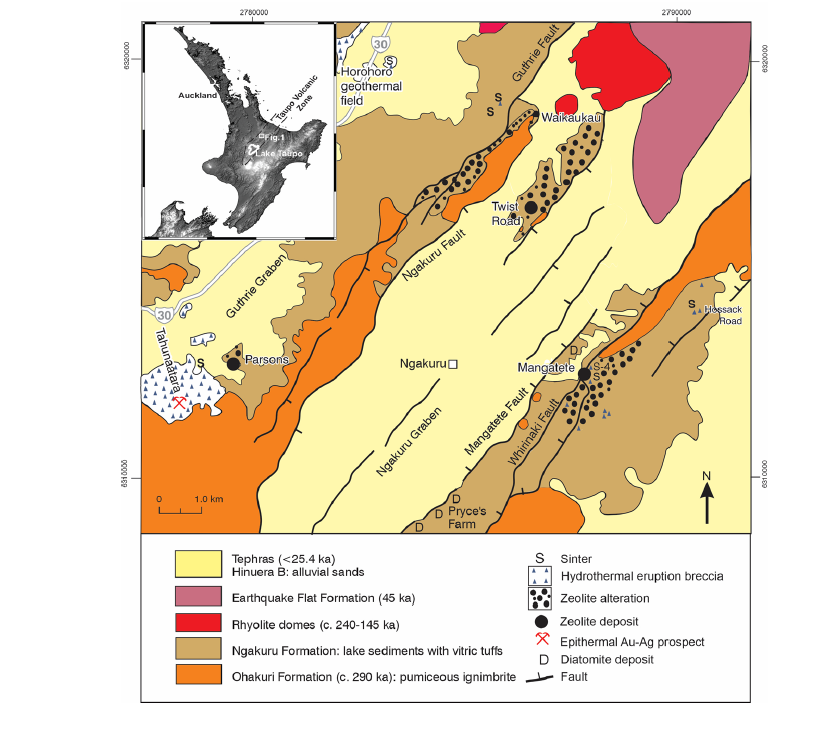
The TVZ is a region of elevated heat flow, predominantly by hydrothermal convection through thin crust (15km) intruded by magma, which is manifested by geothermal systems, both active and extinct [4]. Hydrothermal alteration assemblages in these systems include the zeolite minerals – mordenite, clinoptilolite, laumontite and wairakite [9]). In the Wairakei and Ohaaki geothermal fields, mordenite formed at temperatures of 60-110 °C [4,10]. The main fluid type in TVZ geothermal fields, is a dilute alkali chloride water of near neutral pH. Zeolites are most abundant in lacustrine tuffs of the Ngakuru Formation (Figure 1), a 100-300m thick sequence of finely stratified siltstone, diatomite, sandstone, conglomerate, and tuffs [1,3,5,11]. The Ngakuru area lies within the Taupo Fault Belt, a NE-trending belt of active extension on the western side of the TVZ [5,11,12]. Most of the area is underlain by the c. 290ka Ohakuri Formation, which mainly consists of non-welded pumice lapilli tuff [13,14]. Glass shards in lacustrine vitric tuffs of the Ngakuru Formation and in the under-lying Ohakuri Formation ignimbrite are replaced by mordenite±clinoptilolite, along with hydrothermal adularia, opal-A, opal-CT and cristobalite [1,3]. The mordenite±clinoptilolite alteration is associated with siliceous sinters that were formed at the surface from recently active (36 to 1.5ka) geothermal systems, based on 14 C dating of plant fragments in the sinters [3,15].
Figure 1:Geological map of the Ngakuru area, Taupo Volcanic Zone. Modified after Brathwaite and Rae [3]. The grid is the New Zealand map grid.
Samples and Methods
Representative samples of zeolitized tuffs, associated sinters, and related volcanic rocks from zeolite deposits - Twist Road (Davies), Mangatete, and Parsons - in the Ngakuru and Guthrie grabens (Figure 1) have been collected and analyzed by a variety of methods to characterize their mineralogy and chemical composition, and age of the deposits, as documented by Brathwaite [1,3]. Minerals were identified by X-Ray Diffraction (XRD) analysis using a Philips X’Pert Pro (40kV, 35mA with Co Kα radiation) at GNS Science with mineral abundances determined by SIROQUANT software. Scanning Electron Microscopy (SEM) was used to help identify zeolites and other minerals, and to determine mineral relationships. Representative samples from the Twist Road mordenite deposit were analysed to determine Cation Exchange Capacity (CEC) and base saturation values by Scion Research. Exchangeable cations - Ca, K, Mg, Na - were measured by ICP-MS after 1:50 (macro) NH4 CH3 COO leaching, and CEC values by FIA colorimetry after 1M NaCl leaching.
The Twist Road Deposit
At the Twist Road zeolite deposit quarry, a 45-m thickness of well-bedded, zeolitized vitric tuff, dips gently to the east under tephra (<15.4ka) cover towards the Ngakuru Fault (Figure 2). A 5-m thick pumice lapilli ignimbrite occurs within the vitric tuff sequence at the Twist zeolite quarry, and pumice lapilli ignimbrite of the Ohakuri Formation is in fault contact with the bedded vitric tuff on the western side of the quarry. The zeolitic tuffs and the ignimbrite are of rhyolitic composition with high silica contents (75-79% SiO2) (Table 1), [1,3]. The primary components in the tuffs are glass shards and pumice clasts, with minor volcanic plagioclase, quartz and rare biotite crystals. The mineralogy, from XRD, consists of the silica-rich zeolite mordenite, with lesser adularia (K-feldspar), cristobalite and quartz (Table 2). Mordenite is abundant at amounts of 60-85 wt% in the zeolitic vitric tuff samples. Quartz, which represents crystalline silica, is present mainly in only minor (<5%) amounts. Clinoptilolite, which occurs at the nearby Mangatete zeolite deposit, 3.5km to the southeast, has not been found in any of the samples analyzed.
Figure 2:Photo of the Twist Road Quarry, showing well-bedded zeolitic tuff. Brown staining is from Fe-oxide coatings on joint surfaces. Benches are 6-10m in height.
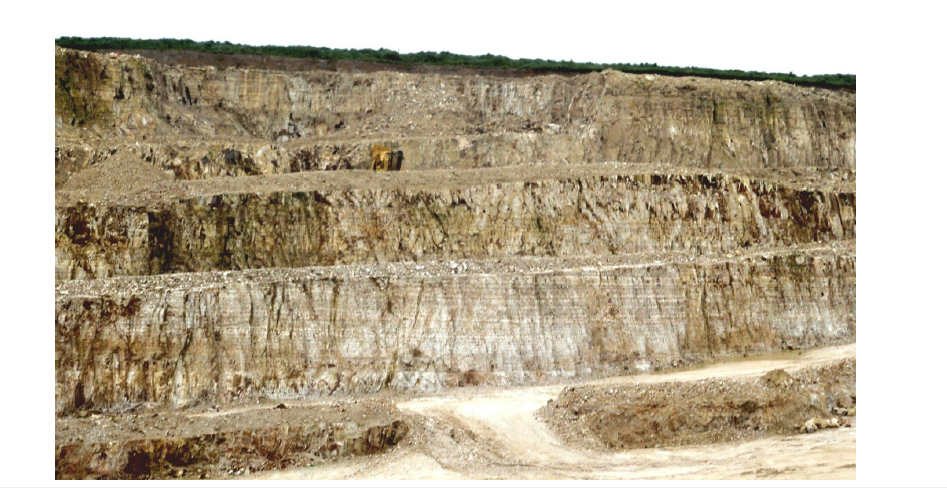
Table 1:XRF analyses of zeolitic tuff samples (Spectrachem Analytical).
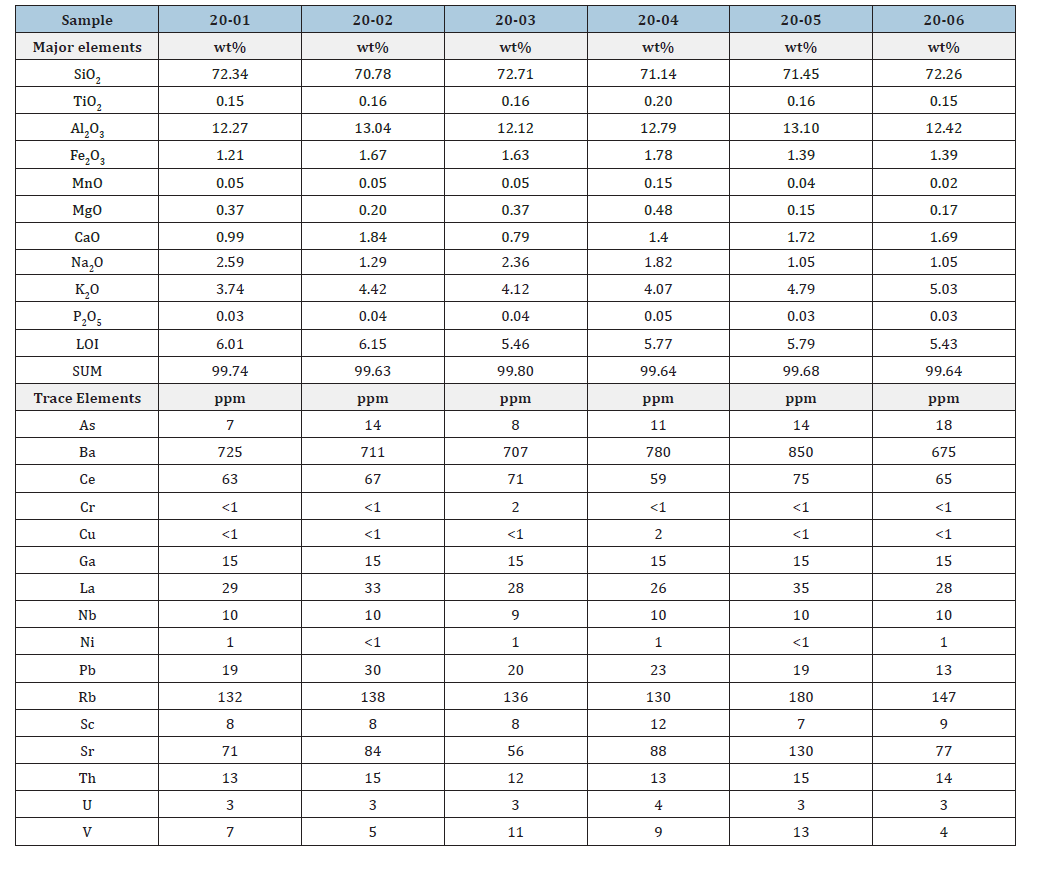
Table 2:XRD quantitative bulk analysis of zeolitic tuff samples (Analyst Debra Chappell, GNS Science, Wairakei).
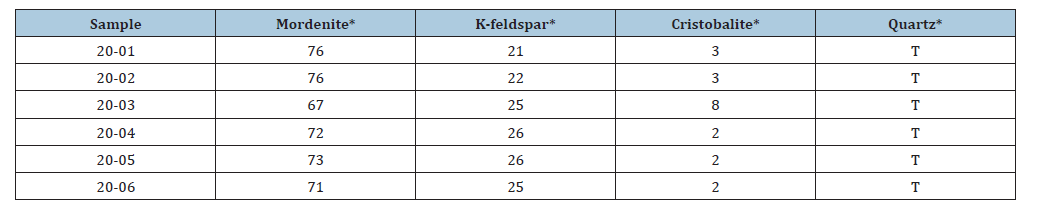
*Weight % mineral percentages were determined using SIROQUANT software and are only accurate to 2 to 5% of the known concentrations.
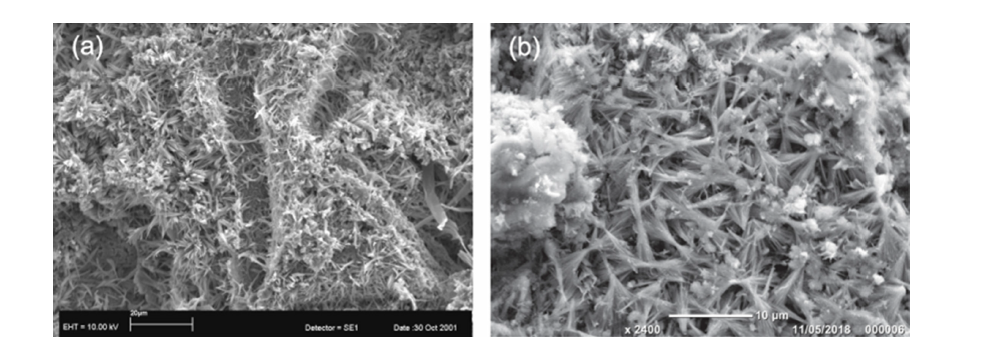
Scanning electron microscope examination (Figure 3) shows that mordenite mainly occurs as a mesh of sheaf-like crystals (10μm in length) replacing glass shards [1,3]. The mordenite is very fine grained. The adularia occurs as clusters of tiny rhomb-shaped crystals and is hydrothermal rather than volcanic in origin. The mordenite-rich tuff samples have low density values (0.66-1.12gcm- 3), with corresponding high porosity values of 72.6-43.4% [1]. The density values are very low compared with those of pure mordenite (2.1gcm-3) or with older (Pliocene-Cretaceous) zeolitic tuffs, e.g., the Cretaceous mordenite-rich tuff in the Las Carolinas deposit in Cuba, with a density of 1.43g/cm3 and porosity of 31.8% and [16]. The very low densities and correspondingly high porosities are due to the high void space, especially that created by the open mesh structure of the mordenite crystals (Figure 3a). These high porosities are a function of the very young age (<30,000ka) of the Ngakuru deposits, with consequent minimal compaction and cementation.
Figure 3:(a) Relict glass shard texture with white mordenite crystals in vitric tuff (SEM image); (b) Mesh of sheaflike mordenite crystals in vitric tuff (SEM image).
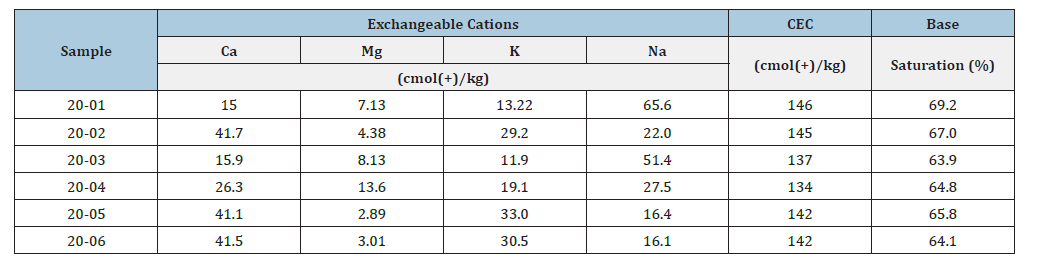
The cation exchange capacity of representative mordeniterich tuff samples from the Twist Road deposit is in the range of 134-146meq/100g (Table 3). Nguyen & Tanner [17] obtained CEC values of 100-116meq/100g on samples of clinoptilolite- and mordenite-rich tuffs from the Ngakuru deposits. All of these values are significantly lower than the CEC values of 229meq/100g for pure mordenite [18], but they are similar to other natural zeolite deposits, such as clinoptilolite-mordenite-rich tuffs in Cuba [16,19].
Table 3:CEC and base exchange values of zeolitic tuff samples (Analyst Scion). cmol(+)/kg)=centimoles of positive charge per kg and has the same numeric value as meq/100g.
Uses of Natural Zeolites
Natural zeolite deposits of commercial interest are restricted to zeolitic tuffs that are most commonly composed of clinoptilolite/ heulandite±mordenite, with mordenite or chabazite zeolitic tuffs being less common. The ion exchange, catalytic, and molecular sieve properties of zeolites makes them useful in a wide range of applications. Environmental applications include water and sewage treatment [e.g., 20], pollution control including heavy metal adsorption, radioactive waste treatment, and air and gas purification [20,21]. Other applications include pet litter, aquaculture, soil conditioning, animal feed supplements, carriers for slow-release insecticides, fungicides and herbicides, and industrial applications including catalysis, selective adsorption, and fillers in paint, paper and plastics.
The presence of large channels and cavities, with their associated extra-framework cations, facilitate cation exchange. Natural zeolite minerals have theoretical cation-exchange capacities between 200 to 460meq/100g [18], superior to most other inorganic cation exchangers, such as bentonite clays. In general, natural zeolite minerals that are silica-rich are highly selective for large univalent cations, such as Cs+ or NH4 + [18]. They are amenable to modification of the ion exchange behaviour by surface treatment with cationic surfactants (e.g., Hexadecyltrimethyl-Ammonium [HDTMA]) to allow removal of anions such as arsenate, phosphate, sulphate, and nitrate from wastewater, removal of organics from oilfield waters, and removal of pathogens from sewage or animal effluent contaminated water [17].
The catalytic properties of zeolites are due to their large surface areas (internal and external) and their Si–Al frameworks. The Si→Al+H+ exchange is widely used for catalysis, because the Altetrahedra can function as proton donors or acceptors. Synthetic zeolites are preferred for industrial applications, because of their purity and compositional consistency. Natural zeolites may be important in catalysing biochemical reactions in biological systems [22,23]. Pore size determines the usage of zeolites as molecular sieves. Mordenite is an example of a large pore size (maximum free diameter 7.5 Ångströms (Ǻ)) zeolite mineral. Small pore size (maximum free diameter 4.3 Ǻ) zeolites, such as chabazite and clinoptilolite, are used in absorbing radioactive waste [21], municipal water treatment, and for odor control. Clinoptilolite (and mordenite) are added to animal feed to reduce health problems, improve feed efficiency, and to dry excrement.
The biggest challenge facing natural zeolite producers and consumers is that no one deposit is the same as others. The mineralogical variation between clinoptilolite, mordenite or chabazite deposits is significant in terms of potential uses. The chemical contaminants and mineral impurities vary as well, whether it be as trace elements or other minerals, such as feldspar and clays. Therefore, natural zeolite producers need to create demand for their particular zeolite resource.
Environmental and Agricultural Applications of Twist Road Mordenite
The high porosity of the zeolitic tuff at Ngakuru means that it can absorb large volumes of liquid and makes it amenable to chemical modification. Mordenite as at the Twist Road deposit, with its wide channels, has properties unique from the narrower pore, clinoptilolite. Thus, it can provide potential benefits to endusers not achieved with other natural zeolite minerals, such as clinoptilolite. The Twist Road deposit is being worked by Blue Pacific Minerals, who quarry 50 to 150kt of zeolite annually. This deposit contains an estimated resource of 6.3Mt (www.bpmnz. co.nz). The Twist Road deposit being flat lying, with a thickness of c. 45m and thin overburden, provides a low-cost open pit mining operation [2]. The better-quality material is processed at a crushing and screening plant at Tokoroa into a variety of products. These include:
a. Soil amendments and bio-fertiliser and fertiliser carriers to
improve and re-generate soils and reduce dependency of
synthetic fertilisers and pesticides.
b. Animal feed additives and animal bedding to improve the
health of livestock such as cattle, pigs, sheep, horses and
poultry, and in aquaculture for fish and shellfish.
c. Plant, soil and turf applications in moisture management,
nutrient retention, and root growth enhancement. Turf
management involves the cultivation and maintenance of turf
grass for sports fields, golf courses and parks.
d. Pet care, as adsorbents for animal wastes as bedding and litter,
and health supplements.
e. Environmental applications in water purification and
treatment, and a mineral sponge in oil/chemical spills and
odor control.
Some 30% of the products are exported to Australia and SE Asia. All of these uses are engendered by the high porosity (50-70%), high odor absorption, and cation ex-change capacity (90-120cmol+/ kg) of the zeolitic tuffs [2,17]. Nguyen & Tanner [17] showed that mordenite- and clinoptilolite-rich tuffs from the Ngakuru deposits were very effective in removing NH4 + from domestic, dairy, and piggery waste waters. As a slow-release fertiliser, the inherent moderate potassium content of c. 4 wt. % K2 O of the Twist Road zeolitic tuff [3] provides a source of K from breakdown of K-feldspar.
The sports turf market also makes use of the high cation exchange and open pore structure with high internal surface area of the Ngakuru zeolite. It also requires a material that is resilient to mechanical breakdown to allow it to be blended with sand. Zeolite from the Twist Road deposit provides these characteristics, and sports stadiums at Wellington and Hamilton both include ~8% zeolite in the turf root zone to aid nutrient and moisture retention. Lesser quality zeolitic tuff quarried from the upper part of the Twist Road deposit is widely used as “StockRock” for races on dairy farms, where it provides a smooth durable surface that greatly reduces lameness and hoof infections in cows (www.bpmnz.co.nz). In this use it also absorbs cow urine and faeces.
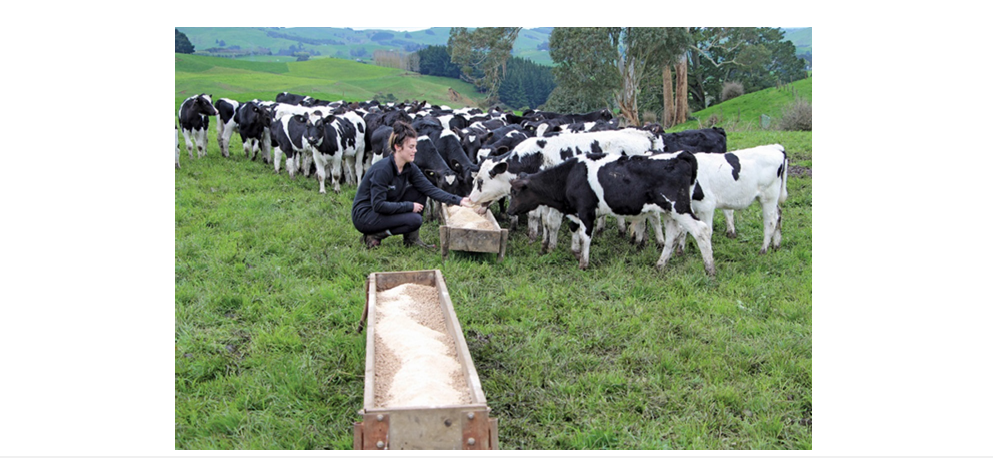
Figure 4:Feeding calves with Opticalf, a zeolite supplement that significantly reduces scours, optimises growth and enhances resistance to disease.
Blue Pacific Minerals in conjunction with the Crown research institute Scion have developed a modified zeolite product (AQUAL-P), which scavenges phosphate from water and has wide applications in aquaculture and in the treatment of wastewater and eutrophic lakes. It has been successfully tested in a major trial to reduce phosphate loading, and consequent algal growth caused by nutrient runoff, in a small eutrophic lake (Lake Okaro) near Rotorua. Capping of the lake bottom sediments with modified zeolite produced a rapid reduction in phosphate concentrations [24] Another zeolite product (Filta-Aid), is a filter media that adsorbs iron and manganese from groundwater, which is commonly high in Fe and/or Mn, thereby improving water quality for domestic usage.
A growing market is in stockfeed additive applications. As part of the feeding regime for dairy cows, zeolite as an additive to stockfeed has the ability to optimise animal health and production and reduce the excretion of nitrogen, thereby reducing nitrogen leachate into the soil. It can also negate the impact of toxins in dairy animal diets. A range of products have been developed for this market (Figure 4), including Opti-Guard, Optimate, Opticalf and Nufeed (www. bpmnz.co.nz). Another potential market is in the treatment of New Zealand’s dairy farm effluent[17]. In potential export markets, there is a burgeoning US$7 billion SE Asian prawn farming market that needs an affordable means of regulating the nutrient loadings using a reversible adsorption of phosphates and nitrates [25].
Conclusion
The mordenite-rich tuffs from the Twist Road deposit have high porosity values of 72.6-43.4% and moderate CEC values, which makes them valuable for a wide range of environmental and agricultural applications. These include: (a) adsorbents for animal wastes (e.g., pet litter) and oil/chemical spills, (b) stock feed additives, (c) water treatment and filters, (d) conditioners for sports turf, slow-release fertilizers, and (e) as a stock feed additive to reduce the environmental footprint of dairy farming.
Acknowledgment
The original project was undertaken in the Minerals, Urban and Regional Geology program at GNS Science with Core Funding from Science and Innovation, of the Ministry of Business, Innovation and Employment. We thank Blue Pacific Minerals for funding sample collection, XRD and CEC analyses reported in this paper, and for allowing publication of the results of research into the agricultural and environmental uses of zeolite products from the Ngakuru deposits.
References
- Brathwaite RL (2003) Geological and mineralogical characterization of zeolites in lacustrine tuffs, Ngakuru, Taupo Volcanic Zone, New Zealand. Clays and Clay Minerals 51: 589-598.
- Brathwaite RL, Hill D, Merchant RJ (2006) Zeolite deposits in lacustrine tuffs, Ngakuru, Taupo Volcanic Zone. Geology and exploration of New Zealand mineral deposits. In: Christie AB, Brathwaite RL (Eds.), Australasian Inst Min Metal, Melbourne, Australia, Monograph 25: 211-216.
- Brathwaite RL, Rae A (2021) Epithermal zeolite alteration associated with siliceous sinters, hydrothermal eruption breccias and gold-silver mineralization, central Taupo Volcanic Zone, New Zealand. Economic Geology 116(5): 1093-1114.
- Wilson CJN, Rowland JV (2016) The volcanic, magmatic and tectonic setting of the Taupo Volcanic Zone, New Zealand, reviewed from a geothermal perspective. Geothermics 59: 168-187.
- Grindley GW (1959) Sheet N85 - Waiotapu, Geological Map of New Zealand 1:63 360 scale. Department of Scientific and Industrial Research, Wellington, New Zealand.
- Smith RCM, Smith IEM, Browne PRL, Hochstein MP (1993) Volcano-tectonic controls on sedimentation in the Taupo Volcanic Zone, New Zealand. In: Balance PF (Ed.), South Pacific Sedimentary Basins, Sedimentary Basins of the World, 2: Amsterdam, Netherlands, Elsevier, pp. 143-156.
- Manville VR (2001) Sedimentology and history of Lake Reporoa: An ephemeral supra-ignimbrite lake, Taupo Volcanic Zone, New Zealand. Volcanogenic sedimentation in lacustrine settings. In: White JDL, Riggs N (Eds.), International Association of Sedimentologist, Special Publication 30: 109-140.
- Downs DT, Rowland JR, Wilson CJN, Rosenberg MD, Leonard GS, et al. (2014) Evolution of the intra-arc Taupo-Reporoa Basin within the Taupo Volcanic Zone of New Zealand. Geosphere 10(1): 185-206.
- Steiner A (1977) The Wairakei geothermal area North Island, New Zealand. New Zealand Geological Survey Bull. 90. Department of Scientific and Industrial Research, Wellington, New Zealand.
- Browne PRL (1978) Hydrothermal alteration in active geothermal fields. Annual Reviews Earth Planetary Science 6: 229-250.
- Villamor P, Berryman KA (2001) Late Quaternary extension rate in the Taupo Volcanic Zone, New Zealand, derived from fault slip data. New Zealand Journal Geology Geophysics 44(2): 243-269.
- Rowland JV, Sibson RH (2004) Structural controls on hydrothermal fluid flow in a segmented rift system, Taupo Volcanic Zone, New Zealand. Geofluids 4: 259-283.
- Gravley DM, Wilson CJN, Rosenberg MD, Leonard GS (2006) The nature and age of Ohakuri Formation and Ohakuri Group rocks in surface exposures and geothermal drillhole sequences in the central Taupo Volcanic Zone, New Zealand. New Zealand Journal Geology Geophysics 49: 305-308.
- Gravley DM, Deering CD, Leonard GS, Rowland JV (2016) Ignimbrite flare-ups and their drivers: A New Zealand perspective. Earth Science Reviews 162: 65-82.
- Drake BD, Campbell KA, Rowland JV, Guido DM, Browne PR, et al. (2014) Evolution of a dynamic paleo-hydrothermal system at Mangatete, Taupo Volcanic Zone, New Zealand. J Volcanology Geothermal Research 282: 19-35.
- Brito-Rojas AD, Coutin-Correa DP, Rodriguez-Fuentes G (2017) Sedimentary zeolite deposits in Cuba. Volcanogenic sedimentary zeolite deposits in Cuba. International Zeolite Association, Commission on Natural Zeolites, Catalog of Deposits: Cuba.
- Nguyen ML, Tanner CC (1998) Ammonium removal from waste water using natural New Zealand zeolites. New Zealand Journal Agricultural Science 41(3): 427-446.
- Colella C (1996) Ion exchange equilibria in zeolite minerals. Mineralium Deposita 31: 554-562.
- Morante-Carballo F, Montalván-Burbano N, Carrión-Mero P, Espinoza-Santos N (2021) Cation exchange of natural zeolites: Worldwide Research. Sustainability 13: 7751.
- Pansini M (1996) Natural zeolites as cation exchanges for environmental protection. Mineralium Deposita 31: 563-575.
- Wang S, Peng Y (2010) Natural zeolites as effective adsorbents in water and wastewater treatment. Chemical Engineering Journal 156: 11-24.
- Bowman RS (2003) Applications of surfactant modified zeolites to environmental remediation. Microporous Mesoporous Materials 61: 43-56.
- Bish DL, Guthrie GD (1993) Mineralogy of clay and zeolite dusts (exclusive of 1:1-layer silicates). In: Guthrie GD, Mossman BT (Eds.), Reviews in Mineralogy. Mineralogical Society of America 28: 139-184.
- Özkundakci D, Hamilton DP, Scholes P (2010) Effect of intensive catchment and in-lake restoration procedures on phosphorous concentrations in a eutrophic lake. Ecological Engineering 36(4): 396-405.
- Silipajarn O, Silipajarn K, Boyd C (2006) Evaluation of zeolite products used for aquaculture in Thailand. Journal World Aquaculture 37: 136-138.
© 2026 Robert Brathwaite. This is an open access article distributed under the terms of the Creative Commons Attribution License , which permits unrestricted use, distribution, and build upon your work non-commercially.
Editor In Chief







.jpg)































Signup for Newsletter

Quick Links
 Editorial Board Registrations
 Submit your Article
 Best Paper of the Volume
 Reprints
 Refer a Friend
 Advertise With Us
Our Recent Edition

.jpg)



Top Editors




.jpg)

















.bmp)
.jpg)
.png)
.jpg)













.jpg)






.png)

.png)




.png)




Financial Support

Sponsors

Latest e-Books

Latest Video

 a Creative Commons Attribution 4.0 International License. Based on a work at www.crimsonpublishers.com.
Best viewed in
a Creative Commons Attribution 4.0 International License. Based on a work at www.crimsonpublishers.com.
Best viewed in 
 | Above IE 9.0 version