

- About Us
- Information
-

The Author ensures that the research has been conducted responsibly and ethically with adherence to all relevant regulations. read more..
- For Authors
- For Reviewer
- Manuscript Guidelines
- Membership
- Publication Ethics
-
- Journals
- Reprints
- e-Books
- Videos
- Policies
- Contact Us
 COVID-19
- Submissions



Full Text
Advancements in Civil Engineering & Technology
Machine Learning for Sustainable Urban Energy: Advancing Renewable Integration and Building Efficiency
Adnan Anwar1, Mahin Jamil2, Zeenat Khan3* and Daud Khan4
1 Civil Automation Engineer, Al Shahbaz Enterprises, Pakistan
2 Department of Civil Engineering, University of Engineering and Technology (UET), Pakistan
3 Research Analyst, Al-Mussawir Engineering, Pakistan
4 Resident Engineer, Al-Mussawir Engineering, Pakistan
*Corresponding author:Zeenat Khan, Research Analyst, Al-Mussawir Engineering, Rawalpindi, Pakistan
Submission: April 13, 2026;Published: October 29, 2026

ISSN: 2639-0574 Volume7 Issue 3
Abstract
Urban energy consumption plays a critical role in global energy use, with cities accounting for a large share of energy demand and greenhouse gas emissions. The Urban Heat Island (UHI) effect, worsened by urbanization and changes in land cover, can further increase cooling demand. Addressing these challenges requires energy-efficient building practices, renewable energy technologies, and advanced analytics, including Machine Learning (ML), to forecast demand and support operational decisions. This review synthesizes literature on urban building energy use, UHI impacts, renewable options, and MLenabled strategies. It discusses solar, wind, geothermal, and biomass applications and considers how data-driven approaches may support more efficient urban energy systems. Quantitative benefits reported in the literature including energy savings and carbon-footprint reductions vary with climate, building type, baseline technology, system design, and study assumptions; they should therefore be interpreted as context-specific estimates rather than universal outcomes. The review also discusses implementation barriers, limitations in the evidence base, and priorities for future research.
Keywords:Urban energy consumption; Urban Heat Island (UHI); Renewable energy; Machine learning; Sustainable development; Carbon footprint
Highlights
A. Urban energy use is a major contributor to global demand and emissions, while the UHI effect can
intensify cooling requirements.
B. Renewable energy and ML-enabled management can improve building efficiency; reported savings and
emissions reductions depend on local conditions and study assumptions.
C. Data-driven renewable integration can support climate targets when supported by transparent
evidence, local planning, and reliable implementation.
Introduction
Urban buildings are important contributors to energy demand and carbon emissions. The exact shares reported across studies vary with geographic scope, accounting boundaries, and the distinction between energy demand and final energy consumption [1-3]. As urbanization accelerates, energy use for heating, cooling, lighting, and appliances remains a central concern. The Urban Heat Island (UHI) effect can raise local temperatures and increase cooling demand, although the magnitude depends on climate, urban form, vegetation, and building characteristics [4]. Urban Building Energy Models (UBEMs) can simulate energy performance across districts by combining building and contextual data [5]. Potential savings reported for UBEM-enabled interventions are scenario-dependent and require validation against local baseline data; they should not be presented as guaranteed outcomes.
Urban areas are responsible for a substantial share of global CO2 emissions because of building, transport, and industrial activity [6]. The share of energy used for heating and cooling varies by climate and building stock [7]. The UHI effect can increase cooling needs in some settings, but the magnitude is location-specific [8]. Solar, wind, geothermal and biomass can provide alternatives to fossil-based energy where resource conditions and system design are suitable [9]. Claims such as a 20% reduction in urban energy use or a 40% reduction in a building’s carbon footprint are scenario-dependent estimates reported in the literature, not results measured by the present review; the underlying studies, baselines, and assumptions must be checked before these values are generalized [10].
The transition to renewable energy in urban areas presents significant challenges that must be addressed to achieve a sustainable energy future [11]. Key obstacles include the modernization and integration of energy grids, which are currently ill-equipped to handle the decentralized and variable nature of renewable sources such as solar and wind [12]. Economic challenges also arise, particularly the high initial investments needed for renewable infrastructure, which are difficult to achieve in developing cities with limited resources [13]. Social challenges, including public acceptance, awareness, and local opposition, further complicate the adoption of renewable energy technologies [14]. Despite these hurdles, urban areas are expected to lead the global energy transition, with projections suggesting that renewables could make up two-thirds of the world’s primary energy supply by 2050 [15]. Successfully navigating this transition will require significant infrastructure upgrades, technological advancements, and strong policy support, making urban centers crucial in the global push toward renewable energy.
Urban areas, responsible for a substantial share of global CO2 emissions, face growing energy demands from buildings, transportation and industry [16]. This review examines how building efficiency measures, renewable energy technologies, urban heat-island mitigation and machine-learning (ML) applications can be combined to improve urban energy performance. Its main contributions are: (i) synthesizing the principal drivers of building energy demand and the UHI effect; (ii) mapping renewable options to building and urban applications; (iii) comparing the roles and limitations of common ML approaches for forecasting, classification, and optimization; and (iv) identifying practical priorities for implementation and future research. Reported savings and emissions reductions are treated as estimates from individual studies, not as outcomes measured by this review. The findings can help urban planners and policymakers compare renewable-energy options and develop policies suited to local resource availability, infrastructure, and building needs. The review examines developments over recent decades. It begins by analyzing energy consumption in urban buildings, emphasizing the UHI effect and the primary drivers of energy use and efficiency challenges, particularly overpopulation and rapid urbanization. It then examines urban warming and the application of various renewable energy solutions tailored to specific locations. Finally, it addresses the challenges and future prospects of renewable energy transitions in urbanized settings. The review underscores that embracing renewable technologies can reduce carbon footprints by up to 40%, support the 2030 goals of lowering per capita energy use and CO2 emissions by 30%, and advance the global objective of achieving climate neutrality by 2050.
Bibliometric Analysis
This bibliometric overview describes the publication landscape of research on urban energy consumption and renewable solutions. The analysis considers citation counts, journal classifications, publishers, and publication trends to characterize how the literature is distributed. Figure 1a presents the reported distribution of papers across journals, while Figure 1b shows the reported distribution by publisher. These plots describe the composition of the reviewed sample; by themselves, they do not establish research quality, causal impact, or the effectiveness of a technology. The manuscript’s source records do not specify the bibliographic databases, exact search strings, search date, duplicate-removal procedure, or complete screening rules. These details should be supplied from the authors’ original search records before the method can be considered fully reproducible.
Figure 1:Bibliography analysis a) Percentage No. of papers in different journals. b) No. of journals by different publishers.
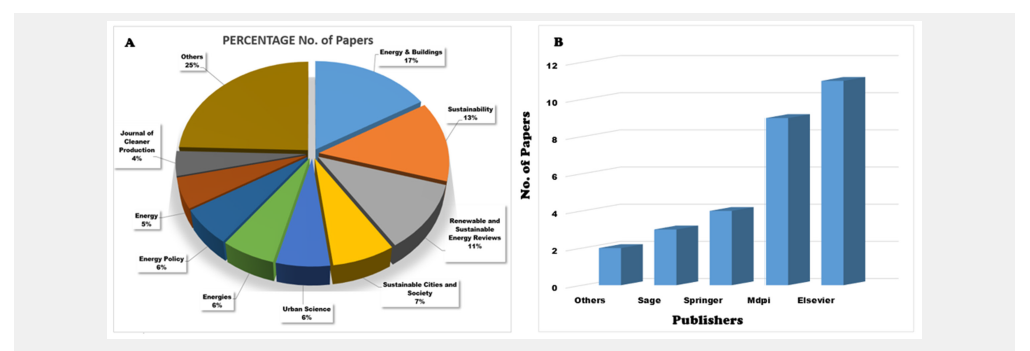
The manuscript reports that 250 papers were initially identified and 100 were selected for detailed bibliometric assessment. The reason for reducing the set from 250 to 100 is not documented in sufficient detail in the source text. To make this selection transparent, the authors should report the actual inclusion and exclusion criteria, screening stages, treatment of duplicates, and any relevance or quality thresholds used; these criteria should not be reconstructed retrospectively without records. Until those details are confirmed, the 100-paper set should be understood as the study sample reported by the authors rather than a fully reproducible systematic selection. The year-wise and publisherlevel patterns in Figure 1 summarize this sample and should be interpreted accordingly.
Energy Consumption in Urban Buildings
Urban areas, with their dense populations and extensive infrastructure, are the primary consumers of global energy resources. As urbanization intensifies, with over half of the world’s population now residing in cities, a figure expected to reach 68% by 2050, energy demand is increasing at an unprecedented pace [2]. Buildings, which are central to urban life, account for a significant share of this consumption, representing approximately 80% of urban energy demand and contributing to over 60% of global CO2 emissions [17] (Figure 2). Factors such as construction methods, material selection, and building design play a critical role in determining energy usage [18]. Additionally, urban phenomena like the Urban Heat Island (UHI) effect exacerbate energy consumption, as higher temperatures lead to increased cooling requirements [19]. The diverse energy needs of urban buildings, from heating and cooling to lighting and appliance use, make them major contributors to greenhouse gas emissions, directly linking urban energy consumption to global climate change [20]. Urban buildings alone account for about 40% of total global energy consumption, and implementing advanced energy efficiency measures could potentially reduce this consumption by 20 to 30%, significantly lessening their impact on global CO2 emissions and aiding in climate change mitigation efforts [20,21].
Figure 2:Percentage building activities consuming energy and emitting CO2 [21].
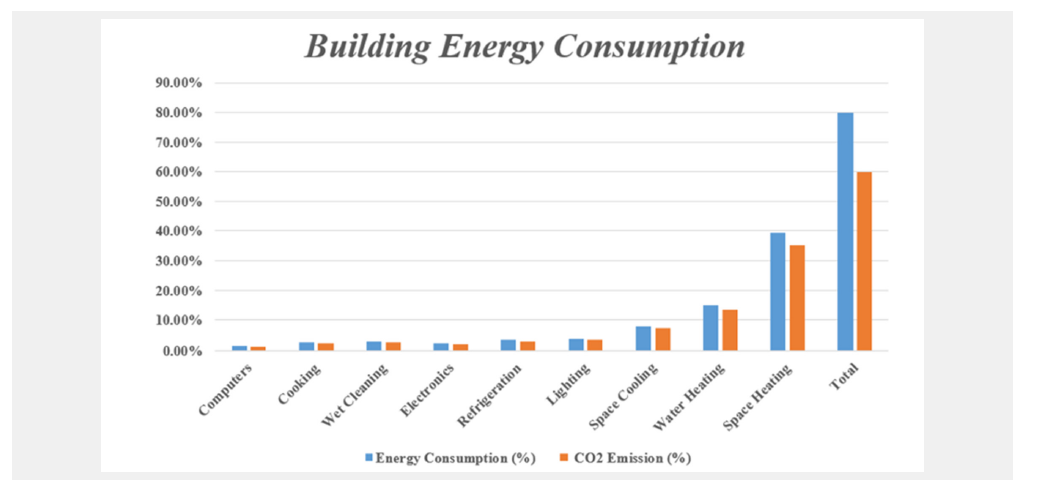
Figure 2 compares the reported energy-use and CO2-emission shares of building activities. Its contribution is to show why heating, cooling, and other building services are important targets for efficiency measures; the percentages should be read according to the source study’s definitions and boundary conditions, not as measurements generated by the present review.
In response to these challenges, the development of Urban Building Energy Models (UBEMs) has emerged as a vital tool for understanding and optimizing energy use at the city level. Unlike traditional Building Energy Models (BEMs), which focus on individual structures, UBEMs provide insights into the collective energy performance of entire urban districts [22]. By integrating data from various sources, including remote sensing and Geographic Information Systems (GIS), UBEMs can simulate energy consumption across a wide range of urban scenarios with high accuracy, even at aggregated scales [23]. These models integrate detailed building data, local climate and occupancy patterns to provide a comprehensive view of urban energy use [24]. This helps city planners and policymakers make informed decisions to cut energy consumption, reduce the Urban Heat Island effect and address climate change [25]. UBEMs also enable scenario-based analysis to evaluate the impact of energy efficiency measures, retrofitting strategies, and renewable energy integration at the district or city level [26].
However, implementing UBEMs effectively requires accurate, real-time data, which can be costly and time-consuming to gather [26]. Emerging technologies such as machine learning and artificial intelligence are increasingly being applied to enhance UBEMs and BEMs. Machine learning algorithms can analyze historical and realtime energy usage, weather patterns, occupancy data and building characteristics to predict energy consumption more accurately, identify high-demand zones and optimize energy distribution in urban areas [27,28]. For instance, supervised learning models such as Random Forests or Neural Networks can forecast peak energy demands, while unsupervised algorithms can detect unusual consumption patterns and inefficiencies. Reinforcement learning can also be applied in smart building management systems to dynamically adjust heating, cooling and lighting based on occupancy and weather conditions, further improving energy efficiency [28,29]. Integrating these ML techniques into urban energy management can accelerate reductions in energy use and emissions, potentially achieving 20 to 30% savings while contributing to climate change mitigation and supporting the transition to more sustainable, resilient cities [20,25,27].
By leveraging advanced tools like UBEMs, BEMs, GIS and integrating machine learning for predictive analytics and optimization, cities can more effectively manage the approximately 80% of urban energy consumption attributed to buildings. This integrated approach not only enables substantial reductions in energy use and CO2 emissions [20,27] but also provides actionable insights for policymakers, urban planners and engineers to design energy-efficient cities [25,29]. Predictive analytics allows for identifying high-energy-demand zones, optimizing renewable energy deployment and mitigating the Urban Heat Island effect, all while aligning with sustainable development and climate neutrality targets [21,27,28]. The combination of these advanced methodologies ensures that urban energy systems are more resilient, efficient, and capable of addressing the pressing challenges of global climate change [26,29].
The Urban Heat Island Effect and Machine Learning Applications
Recent urbanization has drastically altered the surface energy balance in major cities, resulting in significant shifts in local and urban climatic conditions. Over 60% of the global population now lives in urban areas and this figure is rapidly increasing [6]. This rapid expansion is closely linked to the Urban Heat Island (UHI) effect, where cities experience significantly higher temperatures than their surrounding rural areas [28]. This phenomenon is largely driven by materials such as concrete and asphalt, which have high heat capacity and thermal conductivity, absorbing and retaining solar radiation more than natural landscapes [29]. Consequently, there is a noticeable temperature difference between urban and rural environments, especially at night. Research consistently shows that UHI intensity is greater at night due to variations in land cover and surface energy distribution [30]. For instance, studies in Athens have highlighted considerable surface warming associated with urban growth and decreased vegetation, while research in Bangladesh has documented a 3-8 °C rise in land surface temperatures from 2000 to 2019 due to rapid urbanization [31]. The UHI effect is estimated to contribute to an additional 10-20% increase in cooling energy demand in urban areas, underscoring the critical need for effective urban planning and energy-efficient solutions.
The building sector is a significant contributor to global energy demand and carbon emissions, with cooling and heating needs accounting for approximately 65% to 80% of final energy consumption in buildings [21]. The UHI effect exacerbates this issue by increasing cooling demands in urban areas [32]. As cities grow and temperatures rise, the energy required for cooling systems also escalates, particularly in regions where cooling needs are becoming more prevalent [32]. In ultra-high-density cities like Hong Kong, buildings can account for up to 90% of electricity demand and over 60% of carbon emissions [33]. With around 2 billion air conditioning units in use worldwide, cooling energy demand is projected to triple by 2050 if current efficiency levels are maintained [34,35]. Accurate modeling of the UHI effect is crucial for global energy conservation and decarbonization efforts, underscoring the urgent need for sustainable urban planning and energy-efficient technologies [36]. Emerging technologies, such as machine learning, can enhance UHI modeling by analyzing high-resolution satellite imagery, meteorological data, and urban infrastructure characteristics to predict UHI intensity in real time. Machine learning models, including neural networks and ensemble learning algorithms, can identify hotspots, assess vegetation and surface material impacts, and provide actionable insights for urban planners to implement cooling strategies, optimize green spaces, and reduce energy consumption in buildings [27,28].
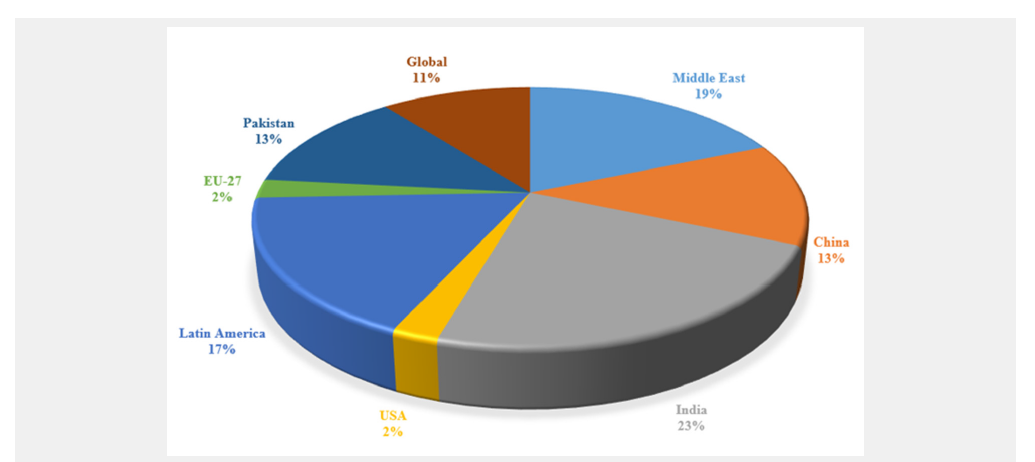
Figure 3 provides a comparative view of building-related energy consumption using the cited sources. Differences between regions and years may reflect changes in population, economic activity, climate, data coverage, and definitions of energy use. The figure is contextual evidence and should not be interpreted as isolating urbanization as the sole cause of the observed trends.
Between 2000 and 2023, global energy consumption surged markedly due to rapid urbanization. According to the International Energy Agency (IEA), energy use in the Middle East jumped by 80%, China by 55%, and India by 99%, underscoring the significant impact of urban growth and industrial expansion [37] (Figure 3). Conversely, energy consumption in the USA rose by only 10%, while Latin America saw a 75% increase and the EU-27 experienced a 10% rise [38]. In Pakistan, energy consumption grew by 55% over this period, reflecting the country’s shift towards increased energy use driven by rapid urbanization and economic development [39]. Globally, energy demand increased by 45% during this time. This rise in consumption is closely linked to urban expansion, which heightens the demand for housing, transportation, and public services [40]. As cities grow, the need for energy-intensive infrastructure and services escalates, leading to greater reliance on fossil fuels and a subsequent rise in CO2 emissions [41]. Machine learning can play a vital role in addressing these challenges by forecasting energy demand, optimizing cooling strategies and evaluating the potential of renewable energy deployment in urban zones. Predictive ML models can integrate UHI intensity, historical energy usage and climatic data to recommend targeted interventions that reduce energy consumption and associated emissions. Ignoring the UHI effect could lead to a 50% increase in urban cooling energy consumption by 2050. To combat this, it is essential to enhance energy efficiency, implement ML-driven energy management solutions, and transition to renewable sources, aiming to reduce per capita energy use and CO2 emissions by at least 30% by 2030 for a sustainable future [27,28,40].
Figure 3:Global energy consumption rate by buildings [37-41].
Major Energy Drivers, Efficiency Challenges, and Machine Learning Applications in Buildings
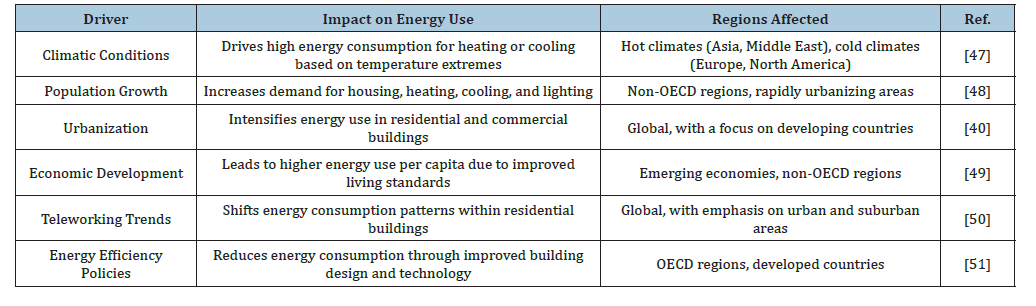
Energy consumption in buildings is shaped by a variety of factors that differ by region, building type and socioeconomic context. Key drivers include population growth, economic development, urbanization and climatic conditions [42-46] (Table 1). In non-OECD countries, rapid urbanization and population growth are primary contributors to high energy consumption in residential buildings [43]. As cities expand, the demand for housing, heating, cooling and lighting increases significantly due to rising economic activity and higher disposable incomes [43]. Conversely, in OECD regions, energy use is more influenced by economic shifts toward servicebased industries and the adoption of energy efficiency measures [44]. Climatic conditions are also critical; hot climates in Asia and the Middle East lead to substantial energy consumption for cooling, while cold climates in Europe and North America result in high energy use for heating [45]. Additionally, the rise in teleworking following the COVID-19 pandemic has altered energy consumption patterns, increasing residential energy use during daytime hours [46]. Machine learning techniques can enhance understanding of these energy drivers by analyzing large datasets, identifying patterns and forecasting energy demand across different building types and climatic zones. For example, predictive ML models can assess the impact of urbanization, population growth and changing weather patterns on energy consumption, enabling policymakers and building managers to design targeted efficiency strategies [27,28].
Table 1:Key energy drivers of buildings.
Across the reviewed applications, ML methods serve different purposes and should not be treated as interchangeable. Linear and other statistical regression models provide relatively interpretable baselines for energy-demand forecasting, but may underfit nonlinear relationships. Decision trees and random forests can capture nonlinear interactions and are often useful with mixed building and weather variables, although their predictions may be less transparent than a simple regression. Gradient-boosting methods can deliver strong predictive performance on structured datasets but require careful tuning and validation. Artificial neural networks can model complex temporal and nonlinear patterns, yet typically need larger, representative datasets and more computational resources. Support-vector methods may be useful for smaller, well-scaled datasets but can become costly as data volume grows. For time-series applications, recurrent or other sequence models can represent temporal dependencies, while their advantage over simpler baselines must be demonstrated rather than assumed. Optimization and reinforcement-learning approaches can support control decisions, but require explicit constraints, safety checks, and testing under realistic operating conditions. A sound comparison should report the target variable, dataset and time span, train/test strategy, baseline model, metrics (for example MAE, RMSE and R2), generalization across seasons or buildings, interpretability, and computational cost. The manuscript does not provide a harmonized dataset or common benchmark, so no single model can be ranked as universally best from the evidence summarized here.
Table 1 organizes the principal demographic, economic, climatic and behavioral drivers discussed in the text. Its value is the linkage between drivers and building demand; the table is a qualitative synthesis rather than a quantitative ranking of their relative effects.
In Europe, enhancing energy efficiency in buildings is an urgent priority. Buildings account for 42% of Europe’s energy consumption and 36% of its greenhouse gas emissions, underscoring the need for effective renovation [51]. Many residential buildings in Europe, constructed before 1970, have outdated systems and low energy efficiency. The EU’s Energy Performance of Buildings Directive and Energy Efficiency Directive impose stringent requirements and encourage renovation [52]. Despite these initiatives and some progress in reducing household energy use, challenges remain, such as balancing modernization with the preservation of historical buildings [53]. Efforts like the European Green Deal and the Renovation Wave aim to boost renovation rates and incorporate renewable energy sources [54]. Machine learning can support these efforts by optimizing energy retrofits, modeling the effects of different renovation strategies, and predicting energy savings for specific buildings or districts. ML algorithms can also integrate climatic, socioeconomic, and building-specific data to prioritize interventions where energy reductions will be most effective, helping overcome financial and technical limitations [27,28]. If energy drivers like urbanization and overpopulation continue to increase, achieving the global target of a 55% reduction in greenhouse gas emissions by 2030 and climate neutrality by 2050 could be at risk, potentially leading to continued high levels of energy consumption and environmental degradation in the building sector.
Urban Warming, Renewable Energy, and Machine Learning Applications
Urban areas significantly contribute to global warming due to their high energy consumption and greenhouse gas emissions. With over 56% of the world’s population living in cities, urban environments account for approximately 70% of global CO2 emissions [55]. This is primarily driven by the energy demands of buildings, transportation and industrial activities [56]. In many metropolitan areas, urban heating and cooling represent nearly 40% of total energy use, leading to substantial greenhouse gas emissions [57]. These energy needs are often met by fossil fuels, which release considerable amounts of CO2 and other pollutants [57-60]. The Urban Heat Island (UHI) effect exacerbates the problem, causing city temperatures to be up to 5 °C higher than those in rural areas due to factors like heat retention in building materials, reduced green spaces and emissions from vehicles and industry [32]. As a result, cooling demands can increase by 10- 20% during summer, heightening energy use and emissions [40]. Machine learning can be applied to monitor and model urban warming patterns in real time, using data from satellite imagery, weather stations, and building energy consumption. Predictive ML algorithms can forecast peak cooling and heating demands, identify energy-intensive zones and support targeted interventions to reduce urban energy use and CO2 emissions [27,28]. If cities were to reduce their energy consumption by 20%, it could result in a reduction of approximately 14% in their overall CO2 emissions, substantially lessening their contribution to global warming and easing the UHI effect [27].
Renewable energy is crucial in mitigating the climate impacts on building energy performance. As global temperatures rise, heating needs decrease in cooler regions but cooling demands increase in warmer areas [45]. For instance, a warmer climate can reduce heating energy needs by 20-30% in colder climates while increasing cooling demand in warmer regions [61]. The balance between heating and cooling needs therefore varies by climate and should be considered when selecting building-efficiency measures and renewable-energy systems but require careful tuning and validation. Artificial neural networks can model complex temporal and nonlinear patterns, yet typically need storage and distribution. Predictive ML models allow smart energy management, ensuring that solar electricity is utilized efficiently during peak demand periods and stored for later use, maximizing cost savings and reducing carbon emissions [61-64].
Table 2 maps renewable-energy technologies to building applications. Suitability depends on local resource availability, roof or site constraints, grid conditions, storage, lifecycle impacts and costs; therefore, the table should be used as a decision aid rather than a claim that each technology is appropriate in every urban setting (Figure 4).
Table 2:Renewable energies and their applications in buildings.
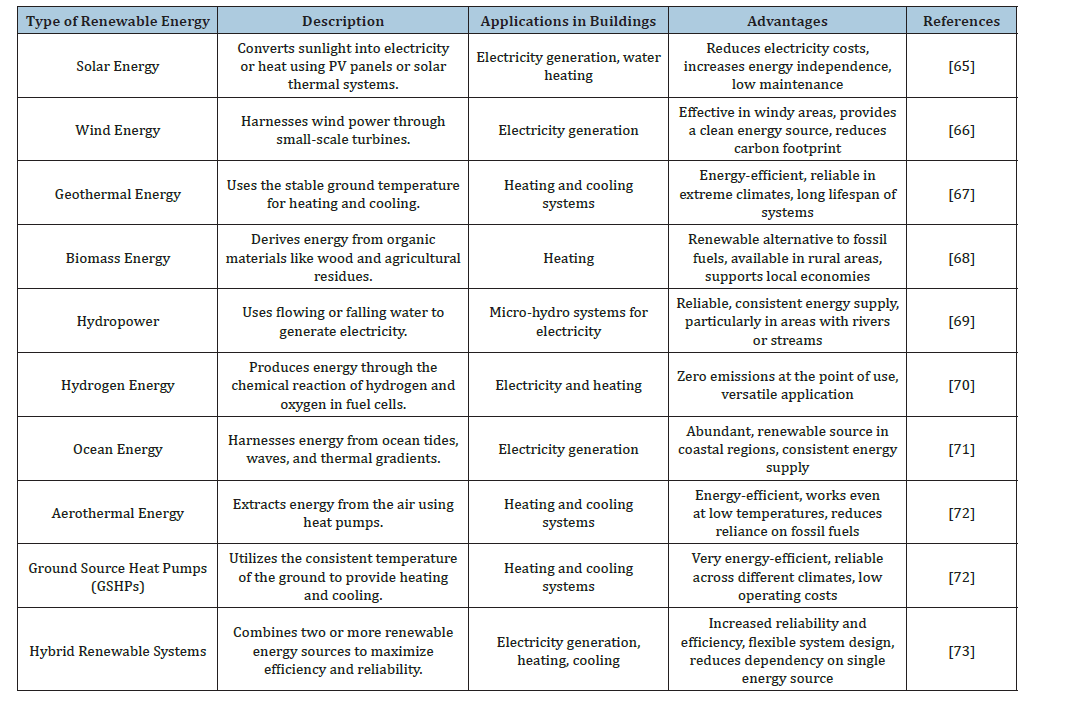
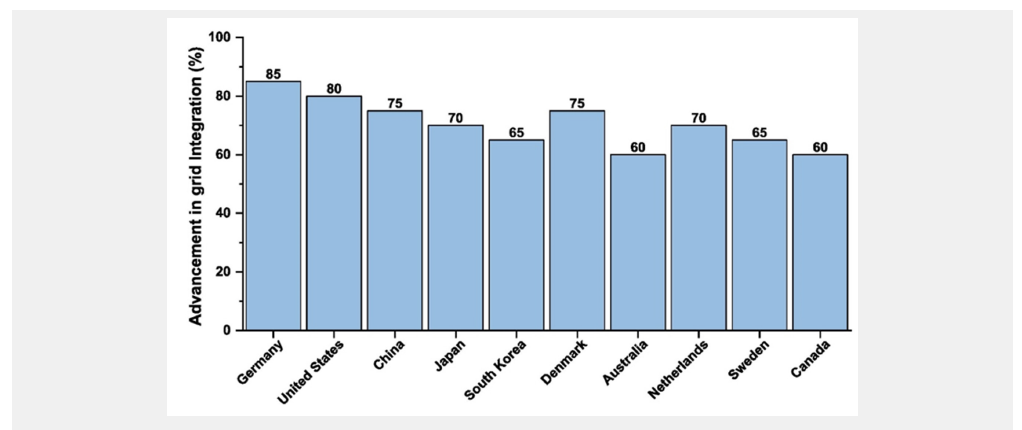
Figure 4:Global grid transition to support renewable energy [74].
Wind energy, harnessed through small-scale wind turbines, is another valuable renewable resource. These turbines can be positioned on rooftops or in open areas, making them suitable for both urban and rural settings, particularly where wind patterns are consistent and strong [75]. Wind turbines can provide a significant portion of a building’s electricity needs, though their installation must consider factors such as wind speed, zoning regulations and noise concerns [76]. Machine learning can optimize wind energy integration by predicting wind speeds, estimating energy generation and dynamically balancing turbine output with building energy needs. This ensures that wind energy is efficiently utilized, minimizing reliance on grid electricity and fossil fuels [77,78].
Geothermal energy, derived from the earth’s stable subsurface temperatures, offers efficient heating and cooling through geothermal heat pumps. This solution is ideal for regions with extreme seasonal temperature variations, providing reliable climate control [79]. Biomass energy, sourced from organic materials like wood pellets and agricultural residues, serves as a renewable alternative to fossil fuels for heating [80]. While biomass is beneficial in rural areas with abundant resources, sustainable sourcing and emission management are essential [81]. Machine learning applications can further enhance both geothermal and biomass systems by predicting heating and cooling loads, optimizing fuel consumption, and scheduling energy dispatch.
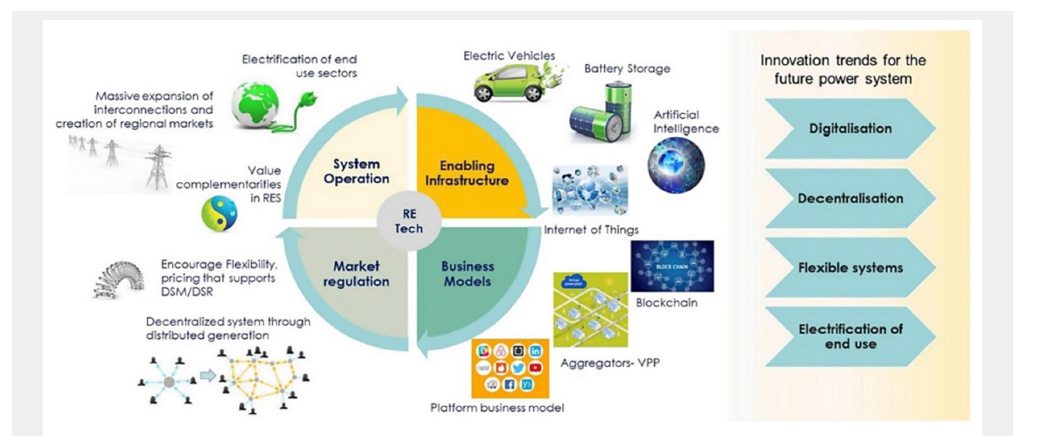
For geothermal systems, ML can forecast seasonal energy demand and adjust heat pump operation to maximize efficiency, while in biomass systems, ML can monitor fuel quality and emissions to ensure sustainable and low-carbon operation [82,83]. Integrating renewable options such as solar, wind, geothermal and biomass with machine learning-driven optimization can significantly enhance building energy efficiency, reduce carbon footprints, and support the creation of smarter, sustainable urban environments. ML enables predictive energy management, adaptive control of multi-source renewable systems and integration with smart grids, ensuring that renewable energy is utilized in the most effective, cost-efficient and environmentally sustainable manner [84-89] (Figure 5).
Figure 5:Upgradation of infrastructures with renewable energies [72].
Challenges and Future of Renewable Energy Transition in Urbanization with Machine Learning Applications
The shift to renewable energy in rapidly urbanizing areas presents distinct technological, economic, and social challenges that must be addressed to ensure a sustainable energy future. A key challenge lies in modernizing and integrating energy grids in growing cities [90]. Traditional urban grids, designed for centralized fossil fuel production, struggle to manage the decentralized, intermittent nature of renewable sources such as solar and wind [57]. Upgrading these grids is critical for supporting widespread renewable deployment and efficient energy distribution [60]. For example, Germany’s “Energiewende” policy has achieved 85% progress in urban areas, highlighting the need for robust grid improvements [75]. Similarly, the U.S. and China have made substantial strides in urban grid modernization (Figure 4). Economic challenges are equally significant, as the high upfront investment for renewable infrastructure, including solar farms, wind turbines, and energy storage systems, must be balanced against rapid urban development needs [76]. These financial burdens are particularly acute in developing cities, where limited resources and the entrenched fossil fuel industry create a competitive and often restrictive environment for renewable initiatives. Machine learning can mitigate these challenges by optimizing grid management, forecasting energy demand, and predicting renewable generation, enabling cost-effective deployment and reducing the risk of energy shortfalls [27,28].
This review indicates that urban building energy performance is shaped by interacting factors, including climate, urban form, occupancy, building characteristics, and energy-system design. UBEMs, BEMs, GIS and ML can complement one another: physical and urban models represent building and spatial context, while ML can help forecast demand, detect patterns and support operational optimization. The reviewed literature describes opportunities for energy savings and emissions reduction, but the magnitude varies by setting and intervention. The review does not itself measure energy savings or emissions; quantitative values cited in the manuscript should be read as estimates from their original studies and verified against the reported baselines and methods.
The UHI effect is an important consideration because higher urban temperatures can increase cooling loads [91,92]. Practical responses include improving building envelopes, using shading and reflective materials where appropriate, expanding suitable green and blue infrastructure, commissioning efficient cooling systems and integrating renewable generation with storage when technically and economically justified [93-95]. The review’s quantitative claims cannot be treated as universal forecasts: climate, occupancy, electricity mix, technology performance and system boundaries all affect outcomes. Future studies should report these assumptions explicitly and distinguish modeled potential from measured postimplementation results.
ML approaches can support forecasting and control, but their value depends on data quality, representativeness, validation and maintainability [96]. Regression models provide interpretable baselines; tree ensembles can model nonlinear relationships in structured data; neural and sequence models may capture more complex patterns when sufficient data are available and optimization or reinforcement-learning methods may support control when safety constraints are explicit [97]. Future work should compare these approaches using common datasets, seasonal and cross-building validation, transparent metrics such as MAE and RMSE and clear reporting of interpretability and computational requirements. A model should be selected for the specific task and operating context rather than assumed to be universally superior.
For policymakers and practitioners, the priority is to establish reliable baselines, identify the dominant local energy drivers, evaluate efficiency measures before adding generation capacity and then size renewable and storage systems to local demand and resource conditions [98,99]. Pilot projects should monitor actual energy use and emissions before and after implementation, disclose assumptions and report costs and trade-offs [100]. This review is limited by the lack of documented database names, search strings, search date and reproducible screening rules for the reported 250-to-100 publication selection. The bibliometric findings are therefore descriptive of the sample presented and the reference list should be checked against publisher or DOI records, particularly for ML-specific sources, before submission. These limitations point to a clear next step: document a reproducible search and screening workflow and conduct a systematic, quantitatively comparable evaluation of ML-enabled urban energy interventions.
Conclusion
This review highlights that integrating renewable energy technologies with advanced modeling and machine learning approaches provides a strategic pathway to reducing urban energy consumption and CO2 emissions. Urban buildings account for approximately 80% of city energy demand and contribute over 60% of global CO2 emissions. By leveraging Urban Building Energy Models (UBEMs), Building Energy Models (BEMs), Geographic Information Systems (GIS) and machine learning algorithms, cities can simulate, predict and optimize energy use across entire districts. These tools enable the identification of energy-intensive patterns, facilitate real-time adjustments, and provide data-driven strategies to achieve energy reductions of 20 to 30 percent, while simultaneously informing urban planning and policy development to address efficiency challenges.
The Urban Heat Island (UHI) effect remains a significant driver of increased cooling demand, with projections indicating a potential 50 percent rise in energy requirements by 2050 if unmitigated. Implementing energy-efficient building designs, integrating renewable energy systems and utilizing predictive modeling are critical strategies to address this issue. Renewable energy solutions, including solar, wind, geothermal and biomass, can reduce building carbon footprints by up to 40 percent. Combined with a 20 percent reduction in overall urban energy use, these measures could lower CO2 emissions by approximately 14 percent, contributing directly to the 2030 global targets of reducing per capita energy consumption and CO2 emissions by 30 percent and supporting climate neutrality by 2050.
Successful implementation of these strategies in urban environments requires overcoming social, technological and financial barriers. Public acceptance, regulatory support and community engagement are essential to drive adoption, while infrastructure modernization is necessary to accommodate decentralized and variable renewable energy sources. Machine learning and artificial intelligence can enhance system efficiency by predicting energy demand, optimizing grid performance and enabling adaptive energy management. These approaches allow urban centers to balance operational efficiency with environmental benefits, supporting a transition to sustainable and resilient urban infrastructure.
Combining renewable energy integration, energy-efficient building practices and predictive analytics presents a holistic solution to the challenges posed by urban energy consumption and the UHI effect. Addressing energy drivers such as rapid urbanization, population growth and climatic variability through these strategies can significantly reduce emissions, mitigate global warming and foster sustainable urban development. Effective implementation at both building and city scales will be pivotal in establishing energyefficient, climate-resilient and environmentally responsible urban centers.
Acknowledgement
The authors would like to express their sincere gratitude to all individuals and departments who contributed to the successful completion of this research. Special thanks are extended to Al- Mussawir Engineers and Creative Engineering Zone (CEZ) for their technical support and assistance throughout the study. The authors are also highly grateful to S.E. PHED Rawalpindi Syed Hussnain, Public Health Engineering Department Rawalpindi, for his valuable guidance and support.
References
- Triantafyllopoulos N (2024) Investigating energy renovation of multi-owner buildings and real estate market issues in a degraded Greek urban area. Sustainability 16(7): 2903.
- Niza IL, Bueno AM, Broday EE (2023) Indoor environmental quality (IEQ) and sustainable development goals (SDGs): Technological advances, impacts and challenges in the management of healthy and sustainable environments. Urban Science 7(3): 96.
- Pillay TL, Saha AK (2024) A review of metaheuristic optimization techniques for effective energy conservation in buildings. Energies 17(7): 1547.
- Ma YX, Ava CY (2024) Impact of urban heat island on high-rise residential building cooling energy demand in Hong Kong. Energy and Buildings 311: 114127.
- Salvalai G, Zhu Y, Sesana MM (2024) From building energy modeling to urban building energy modeling: A review of recent research trend and simulation tools. Energy and Buildings 319: 114500.
- Zhang Y, Ayyub BM, Fung JF, Labe ZM (2024) Incorporating extreme event attribution into climate change adaptation for civil infrastructure: Methods, benefits, and research needs. Resilient Cities and Structures 3 (1): 103-113.
- Tian L, Li Y, Lu J, Wang J (2021) Review on urban heat island in China: Methods, its impact on buildings energy demand and mitigation strategies. Sustainability 13(2): 762.
- Cesur F, Taş N, Taş M (2024) A decision-making model proposal for the use of renewable energy technologies in buildings in Turkey. Energies 17(10): 2354.
- Chen L, Hu Y, Wang R, Li X, Chen Z, et al. (2024) Green building practices to integrate renewable energy in the construction sector: A review. Environmental Chemistry Letters 22: 751-784.
- Adelekan OA, Ilugbusi BS, Adisa O, Obi OC, Awonuga KF, et al. (2024) Energy transition policies: A global review of shifts towards renewable sources. Engineering Science and Technology Journal 5(2): 272-287.
- Al-Madani MHM, Fernando Y, Iranmanesh M, Lim MK, Tseng ML (2024) Renewable energy supply chain in Malaysia: Fostering energy management practices and ecological performance. Renewable Energy 226: 120441.
- Cordero-Vinueza VA, Niekerk FF, Van Dijk TT (2023) Making child-friendly cities: A socio-spatial literature review. Cities 137: 104248.
- Bonaiuto M, Mosca O, Milani A, Ariccio S, Dessì F, et al. (2024) Beliefs about technological and contextual features drive biofuels’ social acceptance. Renewable and Sustainable Energy Reviews 189: 113867.
- Chaturvedi PK, Kumar N, Lamba R (2024) Finding the gaps in design strategies and technological advancements for net-zero energy buildings development in India. Energy and Environment 35(7): 3880-3920.
- Chen L, You K, Lv G, Cai W, Zhang J, et al. (2024) The influence of demographic structure on residential buildings' carbon emissions in China. Journal of Building Engineering 87: 108951.
- Kameni Nematchoua M, Sadeghi M, Reiter S (2021) Strategies and scenarios to reduce energy consumption and CO2 emission in the urban, rural and sustainable neighborhoods. Sustainable Cities and Society 72: 103053.
- Chen S, Zhang G, Xia X, Setunge S, Shi L (216) A review of internal and external influencing factors on energy efficiency design of buildings. Energy and Buildings 216: 109944.
- Có M, Consoni F, Carneiro MC, Fernandes G, Nunes RB, et al. (2024) Understanding business models in the Brazilian context of electric mobility: A proposed framework. Urban Science 8(3): 92.
- Dominguez C, Kakkos E, Gross D, Hischier R, Orehounig K (2024) Renovated or replaced? Finding the optimal solution for an existing building considering cumulative CO2 emissions, energy consumption and costs-A case study. Energy and Buildings 303: 113767.
- Ciccozzi A, De Rubeis T, Paoletti D, Ambrosini D (2023) BIM to BEM for building energy analysis: A review of interoperability strategies. Energies 16(23): 7845.
- Dabirian S, Panchabikesan K, Eicker U (2022) Occupant-centric urban building energy modeling: Approaches, inputs, and data sources-A review. Energy and Buildings 257: 111809.
- Degirmenci K, Desouza KC, Fieuw W, Watson RT, Yigitcanlar T (2021) Understanding policy and technology responses in mitigating urban heat islands: A literature review and directions for future research. Sustainable Cities and Society 70: 102873.
- Kong D, Cheshmehzangi A, Zhang Z, Ardakani SP, Gu T (2023) Urban building energy modeling (UBEM): A systematic review of challenges and opportunities. Energy Efficiency 16: 69.
- Ang YQ, Berzolla ZM, Letellier-Duchesne S, Jusiega V, Reinhart C (2022) UBEM.io: A web-based framework to rapidly generate urban building energy models for carbon reduction technology pathways. Sustainable Cities and Society 77: 103534.
- Kantsepolsky B, Aviv I (2024) Sensors in civil engineering: From existing gaps to quantum opportunities. Smart Cities 7(1): 277-301.
- Tian P, Li J, Cao L, Pu R, Wang Z, et al. (2021) Assessing spatiotemporal characteristics of urban heat islands from the perspective of urban expansion and green infrastructure. Sustainable Cities and Society 74: 103208.
- Xiao G, Wang H, Pan P (2023) Seismic performance of damaged frame retrofitted with self-centering and energy-dissipating rocking wall. Resilient Cities and Structures 2(1): 143-151.
- Karimi A, Mohammad P, García-Martínez A, Moreno-Rangel D, Gachkar D, et al. (2023) New developments and future challenges in reducing and controlling heat island effect in urban areas. Environment, Development and Sustainability 25: 10485-10531.
- Hua J, Cai M, Shi Y, Ren C, Xie J, et al. (2022) Investigating pedestrian-level greenery in urban forms in a high-density city for urban planning. Sustainable Cities and Society 80: 103755.
- Husgafvel R, Sakaguchi D (2021) Circular economy development in the construction sector in Japan. World 3(1): 1-26.
- Li X, Zhou Y, Yu S, Jia G, Li H, et al. (2019) Urban heat island impacts on building energy consumption: A review of approaches and findings. Energy 174: 407-419.
- Akpan J, O Olanrewaju (2023) Sustainable energy development: History and recent advances. Energies 16(20): 7049.
- Ullah A, Nobanee H, Ullah S, Iftikhar H (2024) Renewable energy transition and regional integration: Energizing the pathway to sustainable development. Energy Policy 193: 114270.
- Abbasi KR, Shahbaz M, Jiao Z, Tufail M (2021) How energy consumption, industrial growth, urbanization, and CO2 emissions affect economic growth in Pakistan? A novel dynamic ARDL simulations approach. Energy 221: 119793.
- Mancini L, Nuss P (2020) Responsible materials management for a resource-efficient and low-carbon society. Resources 9(6): 68.
- Chang G, Yasin I, Naqvi SMMA (2024) Environmental sustainability in OECD nations: The moderating impact of green innovation on urbanization and green growth. Sustainability 16(16): 7047.
- Tahir M, Albahouth AA, Jaboob M, Burki U (2024) The consumption of natural resources and its effects on environmental quality: Evidence from the OECD countries. Sustainable Futures 8: 100248.
- Kutty NA, Barakat D, Darsaleh AO, Kim YK (2023) A systematic review of climate change implications on building energy consumption: Impacts and adaptation measures in hot urban desert climates. Buildings 14(1): 13.
- Moglia M, Nygaard CA (2024) The responsiveness of urban water demand to working from home intensity. Sustainability 16(5): 1867.
- Santamouris M (2016) Cooling the buildings – past, present and future. Energy and Buildings 128: 617-638.
- González-Torres M, Pérez-Lombard L, Coronel JF, Maestre IR, Paolo B (2022) Activity and efficiency trends for the residential sector across countries. Energy and Buildings 273: 112428.
- Alvarado R, Deng Q, Tillaguango B, Méndez P, Bravo D, et al. (2021) Do economic development and human capital decrease non-renewable energy consumption? Evidence for OECD countries. Energy 215: 119147.
- Shi Y, Sorrell S, Foxon T (2023) The impact of teleworking on domestic energy use and carbon emissions: An assessment for England. Energy and Buildings 287: 112996.
- Iwaro J, Mwasha A (2010) A review of building energy regulation and policy for energy conservation in developing countries. Energy Policy 38: 7744-7755.
- Daioglou V, Mikropoulos E, Gernaat D, Van Vuuren DP (2022) Efficiency improvement and technology choice for energy and emission reductions of the residential sector. Energy 243: 122994.
- Di Ruocco G (2024) Renovation wave in Europe: Low-carbon design for the refurbishment of social housing in Southern Italy. Buildings 14: 1535.
- Choi M, Kang B, Lee S, Park S, Beck JS, et al. (2024) Empirical study on optimization methods of building energy operation for the sustainability of buildings with integrated renewable energy. Energy and Buildings 305: 113908.
- Yang M, Wang L, Hu H (2024) Analysis of factors influencing the spatial and temporal variability of carbon intensity in Western China. Sustainability 16(8): 3364.
- Chen WH, You F (2024) Decarbonization through smart energy management: Climate control in building-integrated rooftop greenhouses for urban agriculture across various climate conditions. Journal of Cleaner Production 458: 142544.
- Lomas KJ, Li M, Drury P (2024) How do energy efficiency measures affect the risk of summertime overheating and cold discomfort? Evidence from English homes. Energy Policy 188: 114108.
- Conceição MI, Conceição A, Grilo M, Basiri, et al. (2023) The application of UAVs in the evaluation of thermal comfort levels in buildings equipped with internal greenhouses. Clean Technologies 5: 1080-1114.
- Abu D, Hooi R, Heli S, Zengling M, Kit W (2024) Machine learning and the renewable energy revolution: Exploring solar and wind energy solutions for a sustainable future including innovations in energy storage. Sustainable Development 32(4): 3953-3978.
- Kobi M (2023) Urban energy landscape in practice: Architecture, infrastructure and the material culture of cooling in post-reform Chongqing, China. Urban Studies 61(15): 2979-2994.
- Gomaa MM, Othman AF, Mohamed, Ragab A (2024) Quantifying the impacts of courtyard vegetation on thermal and energy performance of university buildings in hot arid regions. Urban Science 8(3): 136.
- Butters C, Cheshmehzangi A, Bakhshoodeh R (2024) Sustainable construction: The embodied carbon impact of infrastructures and landscaping. Urban Science 8(3): 76.
- Chen L, Hu Y, Wang R, Li X, Chen Z, et al. (2024) Green building practices to integrate renewable energy in the construction sector: A review. Environmental Chemistry Letters 22: 751-784.
- Pietrosemoli L, Monroy CR (2013) The impact of sustainable construction and knowledge management on sustainability goals: A review of the Venezuelan renewable energy sector. Renewable and Sustainable Energy Reviews 27: 683-691.
- Lee CW, Zhong J (2015) Construction of a responsible investment composite index for the renewable energy industry. Renewable and Sustainable Energy Reviews 51: 288-303.
- Martins VW, Rampasso IS, Anholon R, Quelhas, Leal FW (2019) Knowledge management in the context of sustainability: Literature review and opportunities for future research. Journal of Cleaner Production 229: 489-500.
- Bahadorestani A, Naderpajouh N, Sadiq R (2020) Planning for sustainable stakeholder engagement based on the assessment of conflicting interests in projects. Journal of Cleaner Production 242: 118402.
- Nwokediegwu ZQ, Ibekwe KI, Ilojianya, Etukudoh, Ayorinde OB, et al. (2024) Renewable energy technologies in engineering: A review of current developments and future prospects. Engineering Science and Technology Journal 5: 367-384.
- Cacciuttolo C, Cano D, Guardia X, Villicaña E (2024) Renewable energy from wind farm power plants in Peru: Recent advances, challenges, and future perspectives. Sustainability 16: 1589.
- Cacciuttolo C, Navarrete M, Atencio E (2024) Renewable wind energy implementation in South America: A comprehensive review and sustainable prospects. Sustainability 16(14): 6082.
- Centobelli P, Cerchione R, Esposito E (2018) Environmental sustainability and energy-efficient supply chain management: A review of research trends and proposed guidelines. Energies 11: 275.
- Centobelli P, Cerchione R, Esposito E (2017) Knowledge management in startups: Systematic literature review and future research agenda. Sustainability 9: 361.
- Asghar M, Ali S, Hanif M, Ullah S (2024) Energy transition in newly industrialized countries: A policy paradigm in the perspective of technological innovation and urbanization. Sustainable Futures 7: 100163.
- Rathore PK, Shukla SK (2021) Enhanced thermophysical properties of organic PCM through shape stabilization for thermal energy storage in buildings: A state-of-the-art review. Energy and Buildings 236: 110799.
- Cirella GT, Russo A, Benassi F, Czermański E, Goncharuk AG, et al. (2021) Energy re-shift for an urbanizing world. Energies 14: 5516.
- Onifade ST, Alola AA, Erdoğan S, Acet H (2021) Environmental aspect of energy transition and urbanization in the OPEC member states. Environmental Science and Pollution Research 28(14): 17158-17169.
- Arteconi A, Del Z, Tascioni R, Mahkamov K, Underwood C, et al. (2018) Multi-country analysis on energy savings in buildings by means of a micro-solar organic Rankine cycle system: A simulation study. Environments 5(11): 119.
- Kim D, Cho H, Mago PJ, Yoon J, Lee H (2021) Impact on renewable design requirements of net-zero carbon buildings under potential future climate scenarios. Climate 9(1): 17.
- Yi M, Liu Y, Sheng MS, Wen L (2022) Effects of digital economy on carbon emission reduction: New evidence from China. Energy Policy 171: 113271.
- Doğan B, Driha OM, Balsalobre LD, Shahzad U (2021) The mitigating effects of economic complexity and renewable energy on carbon emissions in developed countries. Sustainable Development 29: 1-12.
- Eleftheriadis IM, Anagnostopoulou EG (2015) Identifying barriers in the diffusion of renewable energy sources. Energy Policy 80: 153-164.
- Cacciuttolo CX, Guardia, Villicaña E (2024) Implementation of renewable energy from solar Photovoltaic (PV) facilities in Peru: A promising sustainable future. Sustainability 16 (11): 4388.
- Douglas JA, Peter Green, Zia Abdullah, Teresa Barnes, Sage Bauer at el. (2022) Challenges and opportunities in decarbonizing the US energy system. Renewable and Sustainable Energy Reviews 169: 112939.
- VM Maestre, A Ortiz, I Ortiz (2021) Challenges and prospects of renewable hydrogen-based strategies for full decarbonization of stationary power applications. Renewable and Sustainable Energy Reviews 152: 111628.
- Leena G, Mikael H (2015) Assessing rare metal availability challenges for solar energy technologies. Sustainability 7(9): 11818-11837.
- Akhter M, A Al Mansur, MI Islam, MH Lipu, TF Karim at el. (2024) Sustainable strategies for crystalline solar cell recycling: A review on recycling techniques, companies, and environmental impact analysis. Sustainability 16: 5785.
- Huber ST, KW Steininger (2022) Critical sustainability issues in the production of wind and solar electricity generation as well as storage facilities and possible solutions. Journal of Cleaner Production 339: 130720.
- Ustaoglu E, B Williams (2024) The inter-relationships of territorial quality of life with residential expansion and densification: A case study of regions in EU member countries. Urban Science 8: 22.
- Guarini MR, F Sica, P Morano, JA Vadala (2021) An integrated economic-energy-environmental framework for the assessment of alternative eco-sustainable building designs. Urban Science 5: 82.
- Yu HF, M Hasanuzzaman, NA Rahim, N Amin, N Nor Adzman (2022) Global challenges and prospects of photovoltaic materials disposal and recycling: A comprehensive review. Sustainability 14: 8567.
- Poshnath A, B Rismanchi, A Rajabifard (2024) Renewable energy allocation in multi-owned buildings for sustainable transition: A novel evidence-based decision-making framework. Energy and Buildings 320: 114601.
- Hastik R, S Basso, C Geitner, C Haida, A Poljanec at el. (2015) Renewable energies and ecosystem service impacts. Renewable and Sustainable Energy Reviews 48: 608-623.
- Kim J, C Han, S Lee, D Lee, Y Kim (2024) Performance analysis of PEMFC-assisted renewable energy source heat pumps as a novel active system for plus energy buildings. Energy and Buildings 319: 114477.
- Mutezo G, J Mulopo (2021) A review of Africa's transition from fossil fuels to renewable energy using circular economy principles. Renewable and Sustainable Energy Reviews 137: 110609.
- Xie H, T Ahmad, D Zhang, HH Goh, T Wu (2024) Community-based virtual power plants’ technology and circular economy models in the energy sector: A techno-economy study. Renewable and Sustainable Energy Reviews 192: 114189.
- Pramanik AS, S Sepasi, TL Nguyen, L Roose (2024) An ensemble-based approach for short-term load forecasting for buildings with high proportion of renewable energy sources. Energy and Buildings 308: 113996.
- Kristia K, MF Rabbi (2023) Exploring the synergy of renewable energy in the circular economy framework: A bibliometric study. Sustainability 15: 13165.
- Mo S, X Liu (2025) Strengthening the resilience of urban energy systems amid renewable energy transition: A new method based on double machine learning. Energy Policy 206: 114776.
- Reza SA, MS Hasan, MHH Amjad, MS Islam, MMK Rabbi, et al. (2025) Predicting energy consumption patterns with advanced machine learning techniques for sustainable urban development. Journal of Computer Science and Technology Studies 7(1): 265-282.
- Ngarambe J, S Raj, GY Yun (2025) Subsurface urban heat islands: From prevalence and drivers to implications for geothermal energy and a proposed new framework based on machine learning. Sustainable Cities and Society 120: 106153.
- Guo B, Y Qian, X Guo, H Zhang (2025) Impact of zero-waste city pilot policies on urban energy consumption intensity: Causal inference based on double machine learning. Sustainability 17(11): 5039.
- Chen Y, W You, L Ou, H Tang (2025) A review of machine learning techniques for urban resilience research: The application and progress of different machine learning techniques in assessing and enhancing urban resilience. Systems and Soft Computing 7: 200269.
- Li Y, J You, S Chen, Y Huang (2026) Is bigger better? A machine learning reassessment of urban sprawl and energy utilisation efficiency. Cities 169: 106534.
- Pan F, Z Tan, Y Liu, X Qi (2026) Can green finance policies promote the transformation of urban energy consumption structure? Causal inference based on a double machine learning model. Sustainability 18(3): 1452.
- Ma X, J Ye, F Yang, S Tang, Z Jiang (2026) Machine learning application in investigating cooling effect of urban blue-green infrastructure: A systematic review. Technologies 14(2): 105.
- Savas S, K Külahcı (2026) Machine learning-based energy consumption and carbon footprint forecasting in urban rail transit systems. Applied Sciences 16(3): 1369.
- Park, K, JJ Baik, YH Ryu (2026) Evaluating the importance of street trees and their parameters for urban canopy model performance: Model updates and machine learning. Urban Climate 65: 102813.
© 2026 Zeenat Khan. This is an open access article distributed under the terms of the Creative Commons Attribution License , which permits unrestricted use, distribution, and build upon your work non-commercially.
Editor In Chief







.jpg)































Signup for Newsletter

Quick Links
 Editorial Board Registrations
 Submit your Article
 Best Paper of the Volume
 Reprints
 Refer a Friend
 Advertise With Us
Our Recent Edition





Top Editors




.jpg)

















.bmp)
.jpg)
.png)
.jpg)













.jpg)






.png)

.png)




.png)




Financial Support

Sponsors

Latest e-Books

Latest Video

 a Creative Commons Attribution 4.0 International License. Based on a work at www.crimsonpublishers.com.
Best viewed in

 | Above IE 9.0 version